Let's be honest. The thought of cooking a full North Indian dinner can feel intimidating. All those spices, the long cooking times, the fear of it not tasting "right." I've been there. My first attempt at butter chicken was a grainy, overly sweet disaster. But after years of cooking, eating at countless dhabas (roadside eateries) from Delhi to Amritsar, and learning from home cooks, I've cracked the code. Making a satisfying North Indian dinner isn't about complexity; it's about understanding a few core principles. This guide will walk you through exactly that—from selecting the right dishes to mastering the techniques that make all the difference.
Your Quick Guide to North Indian Dinner
- The Three Non-Negotiable Principles of North Indian Cooking
- How to Build a Balanced North Indian Dinner Menu
- Recipe Deep Dive: Deconstructing Two Classics
- Your North Indian Spice Cabinet: A Practical Guide
- The 5 Mistakes That Ruin North Indian Dishes (And How to Avoid Them)
- Get Inspired: What Real North Indian Restaurants Do
- Your North Indian Dinner Questions, Answered
The Three Non-Negotiable Principles of North Indian Cooking
Forget memorizing a hundred recipes. If you get these three things right, 80% of your dishes will taste authentic.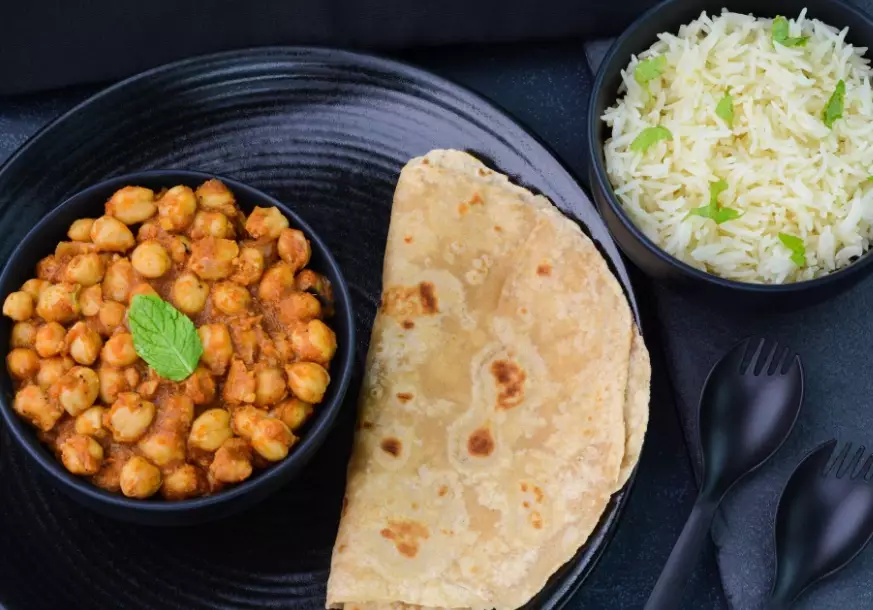
The Foundation of Flavor (Tadka/Bhuno): This is the make-or-break step most recipes gloss over. It's not just about frying spices. It's about cooking your base—onions, ginger, garlic, tomatoes, spices—in oil or ghee until the oil separates. You'll see little droplets of oil pooling around the edges of the masala. This "bhuno" process deepens the flavor, removes raw tastes, and creates a rich, cohesive gravy base. Rushing this step is the number one reason homemade curries taste thin and one-dimensional.
Layering Your Spices: You don't just dump all spices in at once. Whole spices (like cumin seeds, cardamom) often go into hot oil first to infuse it. Ground spices (like coriander, turmeric) are added after aromatics to cook out their raw edge. Finishing spices (like garam masala, kasuri methi) are stirred in at the end to preserve their aroma. It's a sequence, not a single event.
Balancing Dairy and Acidity: North Indian food masterfully balances rich dairy (cream, yogurt, butter) with acidity (tomatoes, dried mango powder, lemon). The cream isn't just for richness; it mellows heat and rounds out flavors. The acid cuts through that richness and brightens the dish. Getting this balance wrong is why some homemade versions taste either too cloying or too sharp.
How to Build a Balanced North Indian Dinner Menu
A typical home-style North Indian dinner isn't just one curry. It's a combination. Think of it like this:
The Template for a Perfect Weeknight Spread
1. The Main Attraction (The Curry): Choose one rich, gravy-based dish. This is your flavor anchor.
Options: Butter Chicken, Paneer Tikka Masala, Rogan Josh (lamb), Chana Masala (chickpea).
2. The Counterpoint (The Dry Dish/Side): Something lighter, often vegetable-based, to provide texture contrast.
Options: Aloo Gobi (potato & cauliflower), Bhindi Masala (okra), Tandoori Chicken/Paneer (if you have an oven/air fryer).
3. The Essential Carrier (The Bread/Rice): This is non-negotiable for soaking up gravy.
Options: Basmati rice (steamed or jeera rice), fresh rotis/naan. Store-bought naan warmed in a skillet works perfectly.
4. The Refresher (The Accompaniment): A simple element to cleanse the palate.
Options: A basic onion-cucumber salad with lemon, a bowl of plain yogurt (raita), or a simple mint chutney.
For a dinner for four, you don't need to make all four from scratch. Focus on the main curry and one side. Buy fresh naan from an Indian store, and whip up a 5-minute raita (yogurt + grated cucumber + cumin). Done.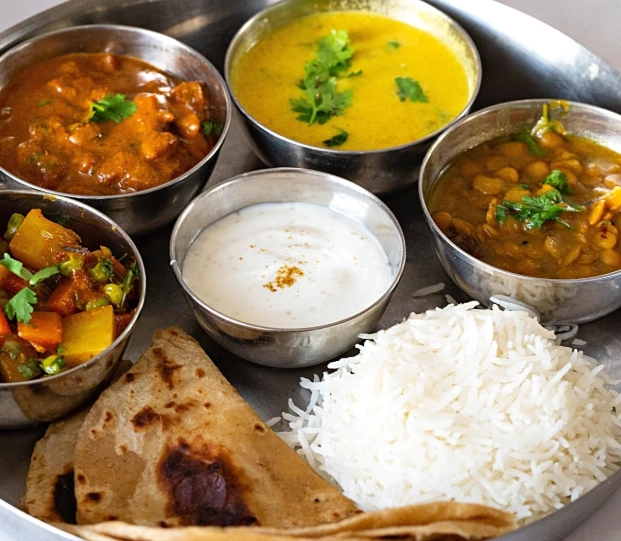
Recipe Deep Dive: Deconstructing Two Classics
Let's apply the principles to real recipes. I'll skip the full 50-step list (you can find those everywhere) and focus on the critical, often-missed nuances.
Butter Chicken (Murgh Makhani): Beyond the Tomato Cream
Most recipes start with chicken and a sauce. That's wrong. Authentic butter chicken is a two-act process, born from using leftover tandoori chicken. Here's the key insight most home cooks miss:
The chicken must be marinated and cooked separately first. Grill, broil, or pan-sear it with yogurt and spices until slightly charred. This creates a layer of complex, smoky flavor that simply simmering raw chicken in gravy can't achieve. The famous gravy? Its silkiness doesn't just come from cream. It's the blended cashew and tomato paste that creates the body. Soak a handful of cashews, blend them with your cooked tomato-onion masala until absolutely smooth, then simmer. The cream at the end is just the final polish. Skipping the cashew step gives you a thin, orange soup, not a clinging, luxurious gravy.
I learned this the hard way. My early versions were always a bit watery. A chef in Old Delhi told me, "The gravy should coat the back of a spoon like velvet, not run off it." The cashew is the secret to that velvet.
Chana Masala: The Humble Chickpea Transformed
The magic of a great chana masala lies in its tangy, spicy depth. The common mistake? Using only tomato for acidity. The professional touch is amchur (dried mango powder) and a pinch of black salt (kala namak). Amchur adds a fruity tang that tomatoes alone can't, and black salt gives a subtle, sulfurous complexity reminiscent of boiled eggs—it's what makes street-side chana taste so distinctive.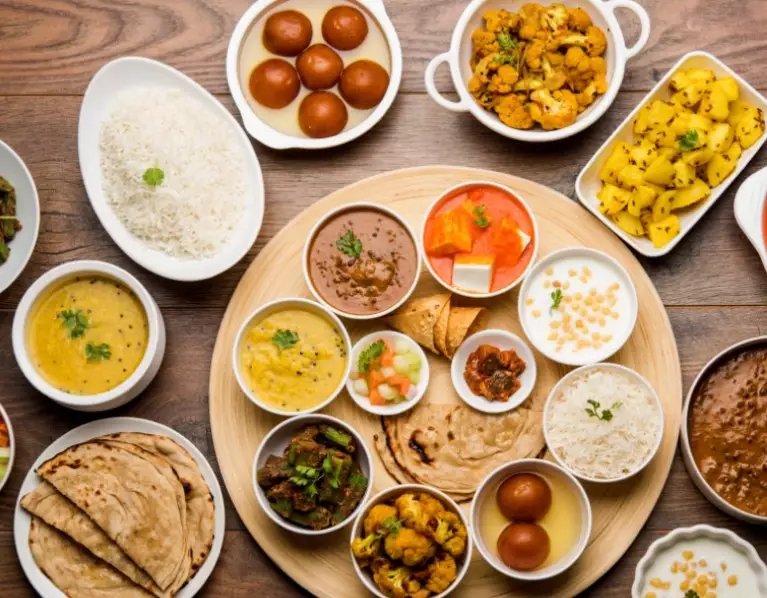
Another tip: don't use canned chickpea water. Cook dried chickpeas with a tea bag or a little baking soda for that distinctive dark color and softer texture, or if using canned, rinse them thoroughly and use fresh water for the gravy. The "tea bag trick" is an old dhaba secret for color.
Your North Indian Spice Cabinet: A Practical Guide
You don't need 50 jars. Start with these essentials. Buy whole spices where possible; they keep longer and taste fresher when ground.
| Spice (Hindi Name) | Flavor Profile | Key Use in Dinner Recipes |
|---|---|---|
| Cumin Seeds (Jeera) | Earthy, nutty, warm | The first spice in the oil for almost every dish. Foundational aroma. |
| Coriander Powder (Dhania) | Citrusy, sweet, mild | The most used ground spice. Provides body and base flavor to gravies. |
| Turmeric Powder (Haldi) | Earthy, bitter, vibrant color | Used in small amounts for color and its subtle background note. |
| Garam Masala | Warm, sweet (cinnamon, cardamom, clove blend) | A finishing spice. Added at the end of cooking to preserve aroma. |
| Kashmiri Red Chili Powder | Mild heat, vibrant red color | Provides beautiful color without overwhelming heat. Crucial for butter chicken. |
| Kasuri Methi (Dried Fenugreek Leaves) | Bitter, aromatic, celery-like | Crumbled in at the end. Gives that "restaurant" fragrance to curries. |
The 5 Mistakes That Ruin North Indian Dishes (And How to Avoid Them)
I've made every single one of these.
1. Not Cooking the Tomato Paste Enough: Raw tomato taste is sour and unpleasant. Cook it down until it turns a deep red, loses its sharp acidity, and the oil separates.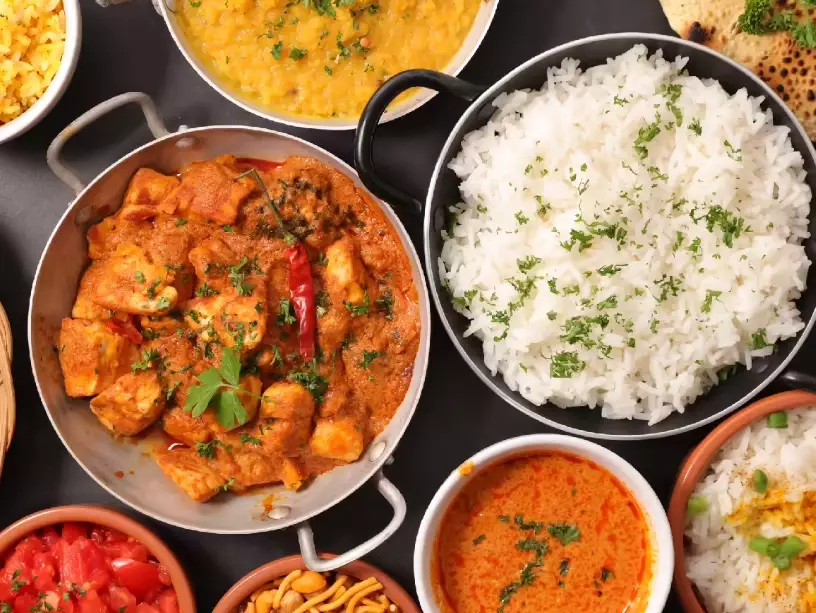
2. Adding Garam Masala Too Early: Those delicate spices burn and turn bitter. Stir it in during the last 2 minutes of cooking.
3. Using Cold Dairy: Adding cold cream or yogurt directly to a hot curry can cause it to curdle. Take the pot off the heat, temper the dairy with a few spoons of hot gravy, then stir it back in.
4. Overcrowding the Pan When Searing: If you're browning meat or paneer for a dish like butter chicken or paneer tikka masala, give it space. Crowding steams it, preventing the crucial Maillard reaction (browning) that builds flavor.
5. Skipping the Finish of Butter/Ghee & Kasuri Methi: A final tablespoon of butter or ghee and a crushed handful of kasuri methi leaves swirled in just before serving is like turning up the volume on flavor and aroma. It's the chef's kiss.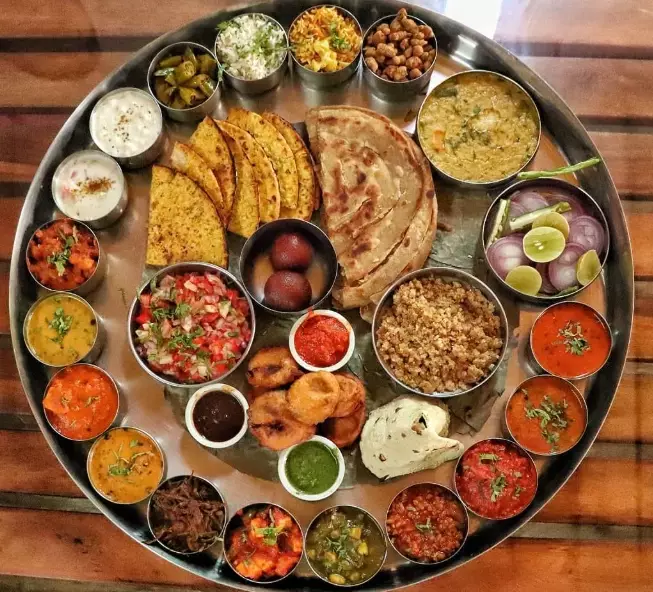
Get Inspired: What Real North Indian Restaurants Do
Sometimes, the best way to learn is to taste the benchmark. If you're in a major city, visit a well-regarded North Indian restaurant not just to eat, but to analyze. Here’s what to look for:
Notice the texture of the gravies—they’re uniformly smooth, right? That’s often a high-powered blender or a food mill at work. The color of the butter chicken is a deep coral, not neon orange, thanks to Kashmiri chili and careful cooking of tomatoes. The dal makhani is simmered for hours, which you can replicate in a slow cooker or Instant Pot.
Many restaurants pre-prepare their base gravies. You can do a version of this: make a large batch of onion-tomato-ginger-garlic paste (bhunoed until the oil separates), freeze it in ice cube trays, and use a couple of cubes as the starter for your weeknight curry. It cuts cooking time in half.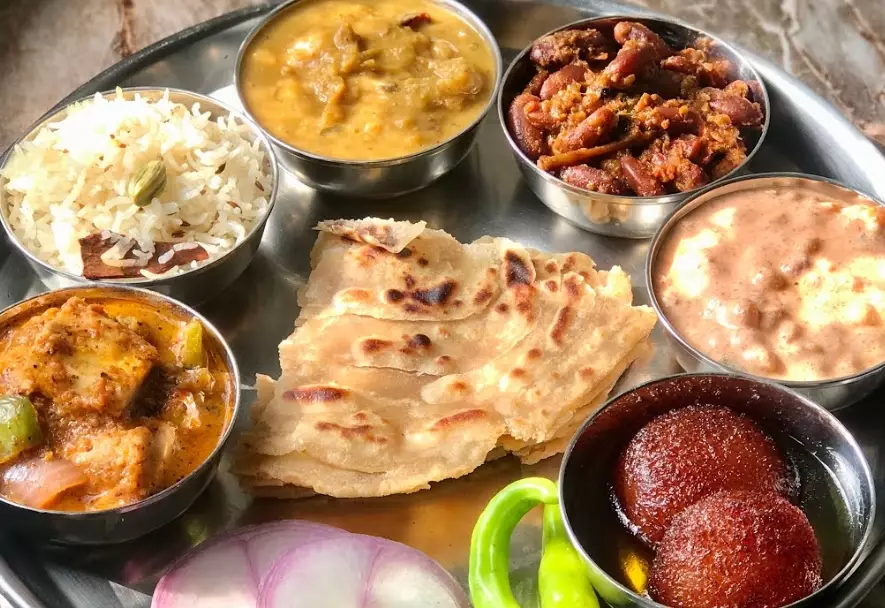
Your North Indian Dinner Questions, Answered
The journey to a great North Indian dinner at home is about embracing the process, not chasing perfection. Start with one recipe, master its principles, and build from there. Remember, even in India, no two home kitchens make butter chicken exactly the same way. Make it your own. Now, go heat up some oil, throw in those cumin seeds, and listen to them sizzle. That's the sound of dinner getting started.
Discussion