Let's be honest. When you think of Indian rice, biryani probably comes to mind first—a glorious, fragrant mountain of spiced rice and meat. But what if you're cooking vegetarian? The good news is, you're staring at a treasure chest that's arguably more diverse and creative. Vegetarian Indian rice recipes aren't just side dishes; they're complete, satisfying meals that celebrate vegetables, lentils, and an incredible palette of spices.
I remember the first time I tried to make a proper veg pulao. I threw in every spice I had, drowned the rice in water, and ended up with a fragrant but mushy mess. It took a few conversations with my friend's grandmother and a lot of burnt onions to realize the simplicity behind the complexity. The magic isn't in using twenty spices, but in understanding how just a few work together.
Your Quick Guide to Vegetarian Indian Rice
What You Really Need in Your Pantry
You don't need a specialist Indian grocery store to start. Most recipes are built on a few key players.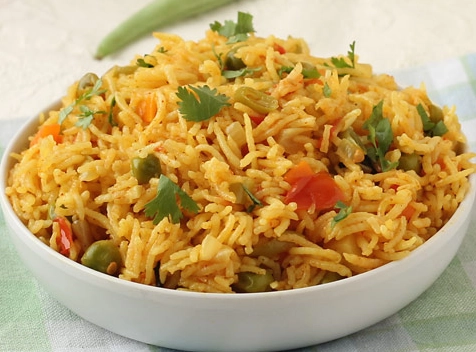
The Rice: Basmati is king for good reason. Its long grains and aromatic quality are unmatched for dishes like biryani and pulao. But don't sleep on other varieties. Sona Masoori is a great all-purpose, everyday rice. For a healthier twist, I sometimes use brown basmati or even red rice—just adjust cooking time and liquid.
The Holy Trinity of Spices: If you only buy three spices, make them cumin seeds, black mustard seeds, and turmeric powder. Cumin brings an earthy warmth, mustard seeds pop with a nutty pungency in hot oil, and turmeric gives that golden hue and subtle depth. Coriander powder is a very close fourth.
The Flavor Boosters: A good quality garam masala blend (like the ones from brands such as MDH or Everest, or better yet, homemade) is a finishing powerhouse. Asafoetida (hing) is that secret weapon—a pinch added to hot oil mimics a savory, onion-garlic depth, perfect for Jain cooking or simply elevating a simple jeera rice.
Fresh ginger, garlic, green chilies, and a heap of fresh cilantro are non-negotiable for freshness.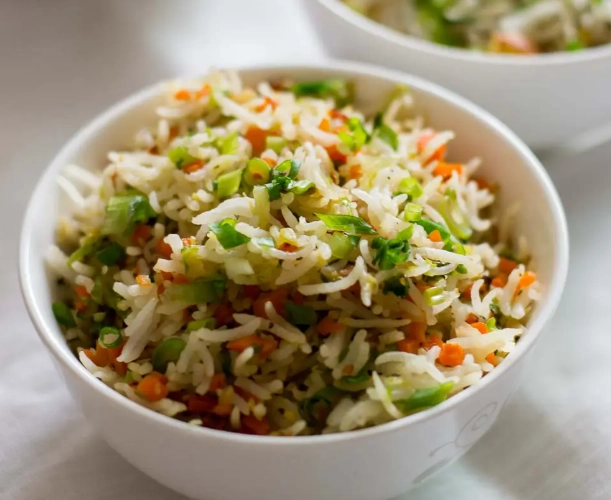
Pro Tip from a Home Cook's Mistake: I used to buy whole spices and never use them. Now, I keep a small mason jar of "tempering seeds" ready: a mix of cumin, mustard, and fenugreek seeds. When I need to start a dish, I just grab a pinch from the jar. It saves time and ensures I actually use them.
Three Recipes to Get You Started (From Weeknight to Weekend)
Here’s a practical look at three classics, scaling from a 20-minute fix to a weekend project.
| Dish | Core Idea | Best For | Key Skill to Master |
|---|---|---|---|
| Jeera Rice (Cumin Rice) | Fragrant rice pilaf with toasted cumin seeds. | An elegant side in 20 mins. | Toasting spices without burning. |
| Palak Rice (Spinach Rice) | Rice cooked with a vibrant pureed spinach sauce. | A one-pot, nutritious meal. | Balancing greens and spices. |
| Vegetable Biryani | Layered, spiced rice with marinated veggies, slow-cooked. | Impress guests, weekend cooking. | Layering and the 'dum' (steam) method. |
1. The 20-Minute Lifesaver: Perfect Jeera Rice
Everyone needs this recipe. It's the little black dress of Indian rice dishes—simple, sophisticated, goes with everything.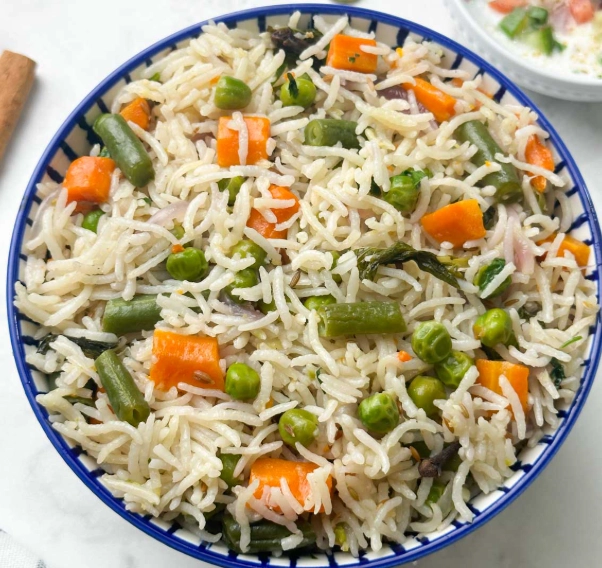
My Method (Slightly Different from the Norm): Rinse 1 cup basmati rice and soak for 15 minutes if you have time (it helps). Drain. In a pot, heat 2 tbsp ghee or oil. Add 1.5 tsp cumin seeds and let them sizzle and darken by a shade. Here's the trick—immediately add the drained rice and stir for a minute, coating each grain in the fat. This toasts the rice slightly. Now add 1.5 cups hot water, salt, and if you like, 2-3 whole green cardamom pods and a small cinnamon stick. Bring to a boil, cover, reduce heat to low, and cook for 15 minutes. Turn off the heat and let it sit, covered, for 10 minutes. Fluff with a fork. The pre-toasting makes a world of difference.
2. The Nutritious One-Pot: Simple Palak Rice
This is how I get greens into my meal without thinking about it. You'll need a blender.
Blend 2 cups packed spinach with 1 green chili, a 1-inch piece of ginger, and 2 tbsp water into a smooth puree. In a pot, do a basic tempering: heat oil, add cumin seeds, then add finely chopped onions. Cook until soft. Add the spinach puree and cook for 3-4 minutes until it darkens slightly. Add washed rice (1 cup), salt, and 1.75 cups water. Cook as you would for jeera rice. The result is a stunning green rice that's packed with flavor and nutrients. Stir in a spoon of butter at the end if you're feeling indulgent.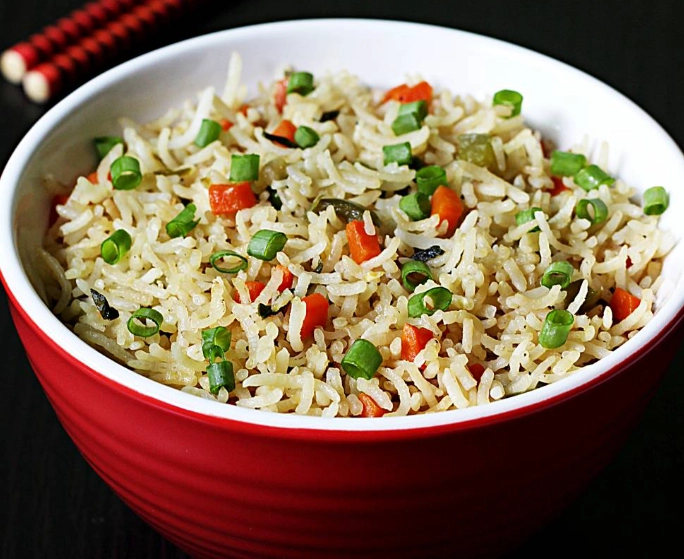
3. The Weekend Showstopper: A Simplified Vegetable Biryani
Biryani feels intimidating, but it's just organization. The core idea is layering partially cooked rice over marinated vegetables and finishing it on a slow steam.
Step 1 – Marinate the Veggies: Mix carrots, beans, potatoes, cauliflower florets with yogurt, ginger-garlic paste, biryani masala (or a mix of coriander, cumin, chili powder, and garam masala), salt, and a big pinch of saffron soaked in milk. Let it sit for 30 minutes.
Step 2 – Par-cook the Rice: Boil basmati rice in plenty of water with whole spices (bay leaf, cardamom, cloves) until it's 70% cooked—the grains should still have a firm core. Drain immediately.
Step 3 – The Layering: In a heavy-bottomed pot, layer half the marinated veggies. Sprinkle fried onions (store-bought Berista is fine, or make your own). Add half the par-cooked rice. Repeat with remaining veggies and rice. Top with more fried onions, saffron milk, chopped mint, cilantro, and drizzle of ghee.
Step 4 – The 'Dum': Seal the pot lid with dough or a tight-fitting lid wrapped in a cloth. Cook on the lowest possible heat for 25-30 minutes. Turn off the heat and wait 15 minutes before opening. This slow steam is where the magic happens—the flavors marry and the rice finishes cooking perfectly.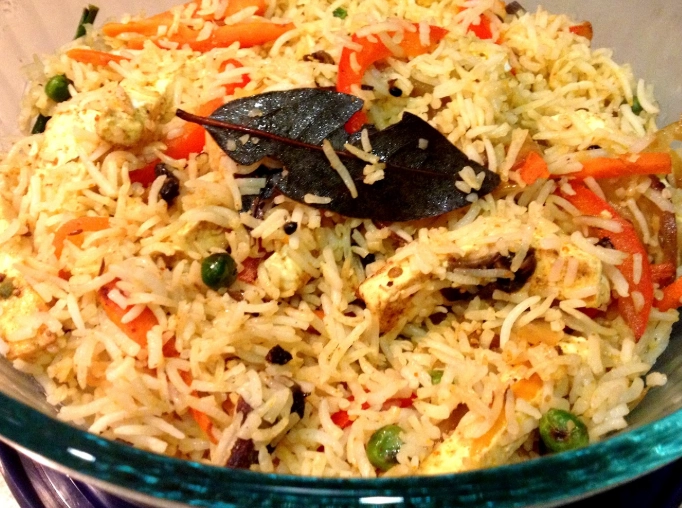
The One Common Mistake Everyone Makes (And How to Fix It)
It's the water. We all use too much. For Indian-style rice dishes, especially when the rice is toasted or cooked with other ingredients, it needs less water than the standard 1:2 ratio.
For 1 cup of basmati rice:
- Plain boiled: 1.75 cups water.
- For pulao/jeera rice (toasted method): 1.5 to 1.75 cups water.
- For biryani (par-boiling): Use a large pot of boiling water, like pasta.
If your rice is consistently sticky or mushy, reduce the water by 2-3 tablespoons next time. Also, that final rest period off the heat with the lid on is not optional—it's when the grains firm up and absorb the last bit of steam evenly.
Ready to Level Up? Advanced Flavor Techniques
Once you're comfortable, play with these ideas.
The Fried Onion Factor: Deep-fried sliced onions (birista) are the unsung hero. They add a sweet, savory, crunchy element. A tablespoon mixed into your rice or used as a topping transforms it. You can buy them, but making a batch and storing them is worth it.
Tempering (Tadka) at the End: Don't just temper at the start. For dishes like lemon rice or curd rice, heat oil with mustard seeds, urad dal, dried red chili, and curry leaves, then pour this sizzling mixture over the finished rice and mix. It adds a burst of fresh aroma and texture.
Smoke it (Dhungar): This is a restaurant secret for biryani or pulao. Place a small piece of live charcoal in a metal bowl. Put the bowl in the center of your cooked rice pot. Drizzle a teaspoon of ghee on the charcoal. It will immediately smoke. Quickly cover the pot with a lid. Let it sit for 5-10 minutes. The rice absorbs a subtle, smoky aroma. It's a game-changer.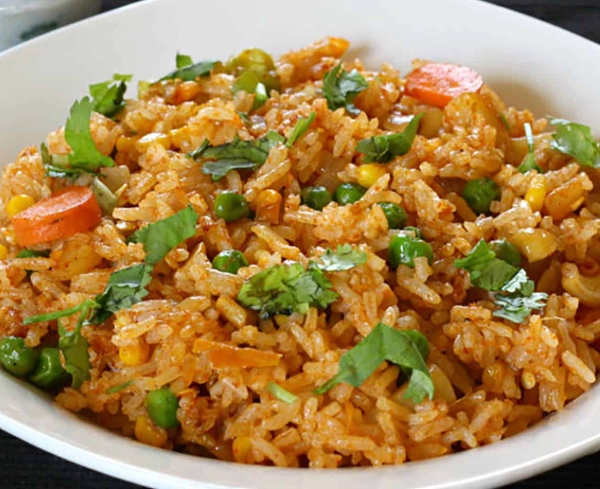
Your Burning Questions Answered
Can I use regular rice instead of basmati for biryani?
You can, but the texture will differ. Basmati rice has long, slender grains that stay separate and fluffy after cooking, which is ideal for biryani. Shorter-grain rice like jasmine or regular white rice tends to be stickier. If you must substitute, reduce the liquid slightly and be extra gentle when layering to avoid a mushy result. The aroma of basmati is also a key part of the authentic experience.
What's a good source of plant-based protein to add to simple Indian rice dishes?
Lentils are your best friend. For a quick boost, stir in a cup of cooked masoor dal (red lentils) or chana dal (split chickpeas) into your jeera rice or lemon rice. Pan-fried tofu cubes or tempeh crumbled with turmeric and cumin also work wonderfully. A less common but fantastic option is to add roasted, spiced chickpeas (chana) on top just before serving for a crunchy protein hit.
My Indian rice always turns out soggy or sticky. What am I doing wrong?
The most common culprit is using too much water. For most Indian rice dishes, especially basmati, a 1:1.5 rice-to-water ratio is safer than the classic 1:2. Always rinse the rice until the water runs clear to remove excess starch. Another mistake is stirring the rice too much during the final simmering or 'dum' stage. Once the lid is on, let it cook undisturbed. Finally, let it rest off the heat for 10 minutes after cooking—this allows the grains to firm up.
The journey into vegetarian Indian rice is endless. From the tangy kick of lemon rice to the coconut-infused goodness of southern styles, each region has its star. Start with mastering the water ratio and toasting your spices well. The rest is just delicious experimentation.
Discussion