You're staring at a recipe. It calls for "lentils." You walk into a store or browse online, and you see bags labeled "red lentils," "brown lentils," "split peas," and "masoor dhal." Your Indian friend invites you over for "dal night." What on earth is the difference between dhal and lentil? Are they the same thing? If you've ever felt a flicker of uncertainty, you're not alone. This is one of the most common mix-ups in the pantry, and it leads to culinary disasters—like turning a hearty lentil salad into a mushy paste.
Let's clear this up right now. The short answer: All dhal is made from lentils, but not all lentils are dhal. "Lentil" is the overarching category—the legume itself. "Dhal" (often spelled "dal") is a specific, processed form of that lentil, or the delicious dish you make from it. Confusing them can ruin a meal. I learned this the hard way years ago, trying to impress guests with a fancy lentil dish that turned into a bland, unappealing sludge because I grabbed the wrong bag.
What You'll Discover in This Guide
The Word Game: It's All in the Language
This confusion is deeply rooted in language. In Hindi and several other South Asian languages, the word "dal" or "dhal" refers to any split pulse (lentils, peas, beans). So, in its original context, "masoor dal" means "split red lentils." The whole, unsplit version is often called "sabut masoor" (whole red lentils).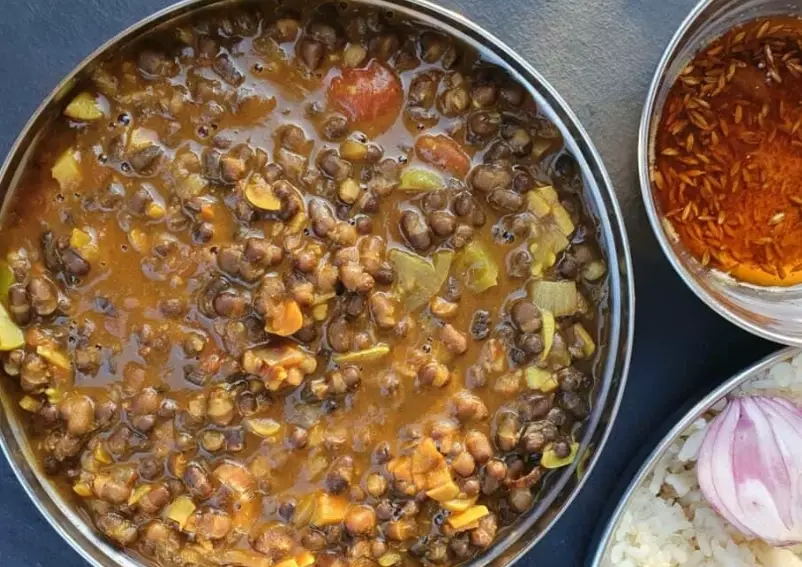
When these ingredients and dishes traveled the world, the terminology got fuzzy. In Western supermarkets and cooking blogs, "lentil" became the default English term for the legume. Meanwhile, "dhal" (keeping its spelling variations) started being used in two distinct ways by home cooks and chefs:
- As the Ingredient: To describe lentils that have been split and usually hulled (skin removed). Think of the fast-cooking, orange-ish "split red lentils."
- As the Dish: To describe the thick, spiced stew or soup made from cooking any type of lentil or split pulse. This is the most common global usage. You go to an Indian restaurant for "dal fry"—you're ordering the finished stew.
So when someone says, "I'm making dhal," they mean the stew. When a recipe says "add 1 cup dhal," it usually means the split lentil ingredient. Context is king.
Side-by-Side: Lentil vs. Dhal at a Glance
This table cuts through the noise. It compares the core concepts, not specific varieties.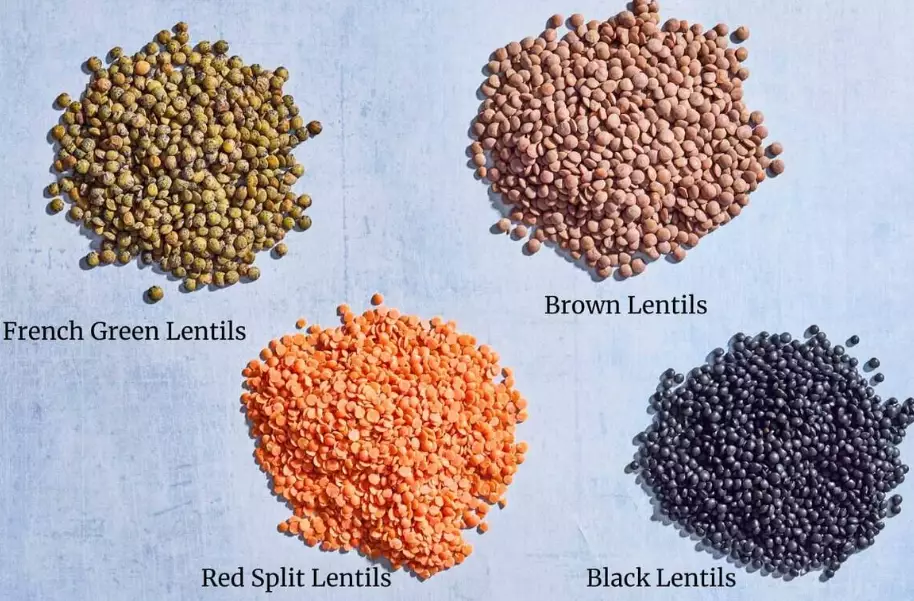
| Feature | Lentil (The Whole Legume) | Dhal (The Split & Hulled Form) |
|---|---|---|
| Definition | The entire, disc-shaped seed of the Lens culinaris plant. | A lentil that has been split in half and typically has its outer skin (hull) removed. |
| Appearance | Whole, lens-shaped. Skin is intact. Colors vary (brown, green, black, etc.). | Halved, flat, often yellow or orange/red. No intact outer skin. |
| Texture When Cooked | Tends to hold its shape. Can be firm or tender but remains distinct. | Breaks down completely into a soft, creamy purée or thick soup. |
| Cooking Time | Longer (20-45 minutes). | Much faster (10-20 minutes). |
| Primary Culinary Use | Salads, sides, soups where texture is desired (e.g., French Lentil Salad). | Dishes where a creamy, thick base is desired (e.g., Indian dhal, soups, curries). |
| Common Names You'll See | Brown Lentils, Green Lentils, Puy Lentils, Beluga Lentils. | Split Red Lentils, Moong Dal (split mung beans), Chana Dal (split chickpeas). |
Meet the Lentil Family: A Quick Tour of Common Types
Now that we know "lentil" is the category, let's meet the popular family members. Each has a unique personality.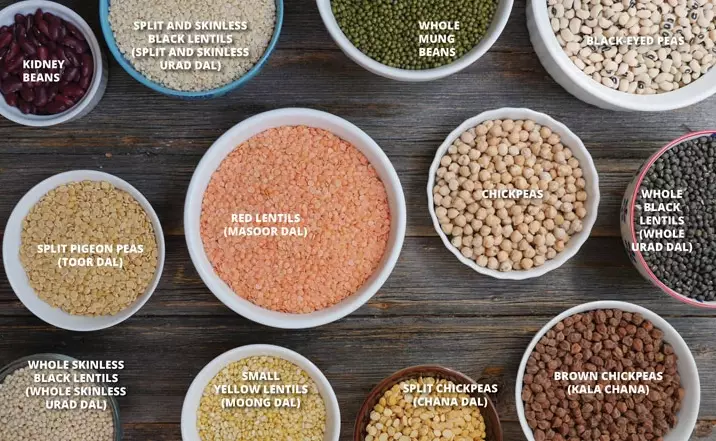
Brown & Green Lentils: The Everyday All-Rounders
These are the lentils you likely saw in your grandma's soup. They're whole, with their skins on. Brown lentils are the most common and affordable. They have a mild, earthy flavor and hold their shape reasonably well, though they can become soft if overcooked. Green lentils are similar but often slightly larger and have a more peppery taste. They're fantastic in warm salads or as a meat substitute in shepherd's pie. I always keep a bag of green lentils in my pantry for a quick, hearty weeknight side.
Puy & Beluga Lentils: The Fancy Siblings
These are the lentils that hold their shape like champions. French Puy lentils are small, dark green, and slate-speckled. Grown in the volcanic soil of Le Puy, France, they have a Protected Designation of Origin (like Champagne). They have a distinct mineral, peppery flavor and remain al dente even after cooking. They're expensive but worth it for a special salad.
Beluga lentils are tiny, black, and shiny—they look like caviar, hence the name. They have a rich, earthy flavor and a firm texture. They make any dish look elegant. A common mistake is overcooking these; they only need about 20-25 minutes.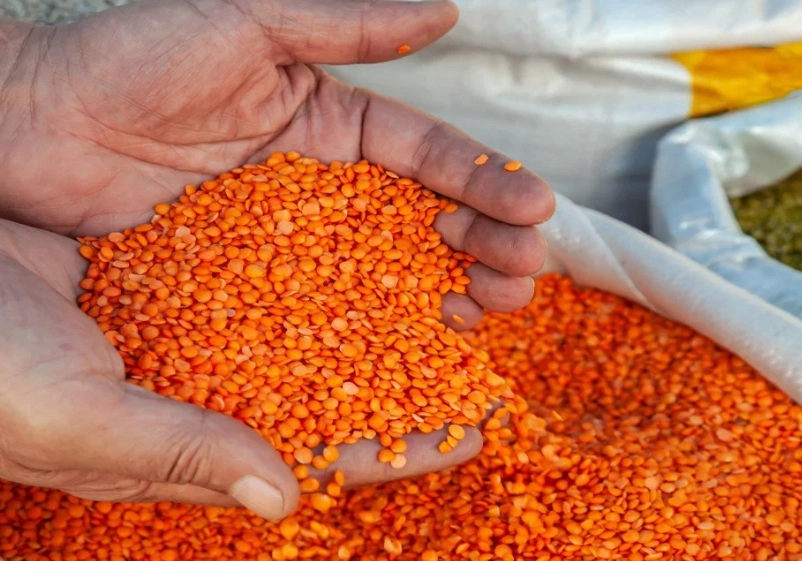
Red & Yellow Lentils: The Natural Dhal
Here's where our dhal vs. lentil story comes full circle. Red and yellow lentils are almost always sold split and hulled. In the store, you'll see them labeled as "split red lentils" or "moong dal" (yellow). This is the "dhal" ingredient form.
They cook incredibly fast (10-15 minutes) and disintegrate into a smooth, creamy consistency. This is why they're the star of Indian dal dishes, as well as hearty puréed soups and lentil loaves. Their flavor is mild and slightly sweet. Don't try to use them in a salad expecting firm bites—you'll be disappointed.
How This Difference Changes Everything in Your Cooking
Understanding this isn't just academic; it's the difference between dinner success and a pot of disappointment.
Scenario 1: You're making a hearty lentil and vegetable stew. If you use whole brown or green lentils, you'll get a brothy stew with distinct pieces of lentil and vegetable. If you use split red lentils (dhal), the lentils will vanish, thickening the broth into a creamy, uniform soup. Both are delicious, but they're different dishes.
Scenario 2: You're making a cold lentil salad for a picnic. You must use a lentil that holds its shape: Puy, Beluga, or green lentils. If you accidentally use split red lentils, you'll end up with a cold, mushy paste that no one will want to eat. I've been there, and it's a sad lunch.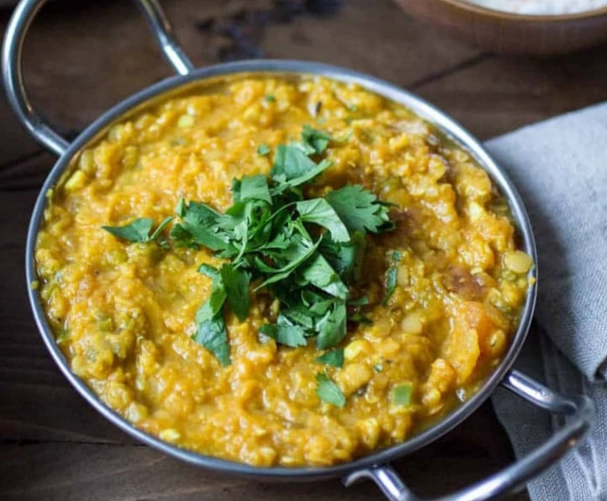
Another subtle point: cooking liquid. Whole lentils can be cooked in a measured amount of water or broth that they'll fully absorb. Split lentils, because they break down, often need more liquid and benefit from being stirred occasionally to prevent sticking to the bottom of the pot.
Shopping and Storing Without the Guesswork
When you're at the store, look beyond the word "lentil." Read the description.
- Want texture? Look for: "whole brown lentils," "French green lentils," "black Beluga lentils."
- Want creaminess? Look for: "split red lentils," "yellow split peas" (which are a different pulse but behave similarly), "moong dal."
You can find them in bulk bins, bags in the dry goods aisle, or canned. Canned lentils are almost always whole lentils (like brown or green) that are pre-cooked. They're a fantastic time-saver for salads. Just rinse them to reduce sodium.
Storage is simple: Keep dried lentils (whole or split) in an airtight container in a cool, dark pantry. They'll last for over a year. Their low oil content means they don't go rancid like nuts, but they do very slowly lose moisture and take longer to cook. If your lentils seem to never soften, they might be very old.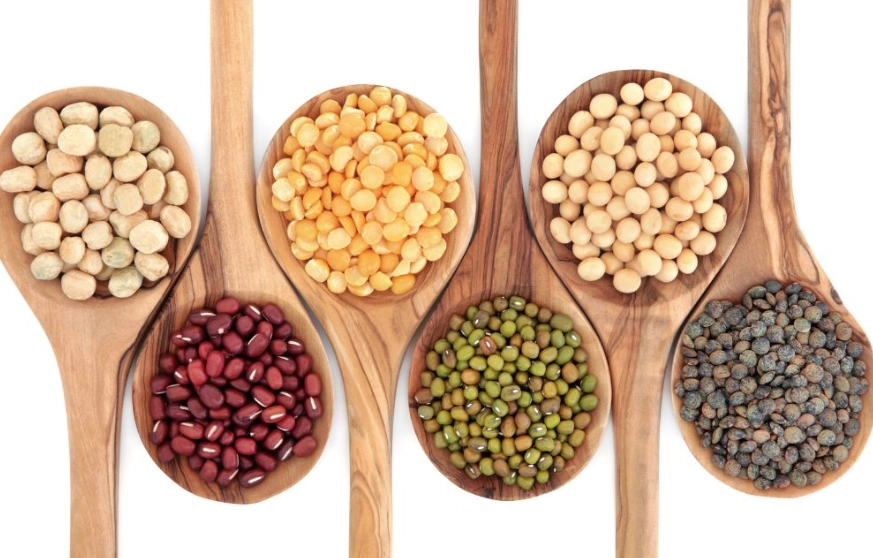
Your Top Questions, Answered
So, the next time you're staring at the legume aisle or reading a recipe, remember: "lentil" is the actor, and "dhal" is the role it's playing. A lentil can be the whole, textured star of a salad, or it can be the split, creamy foundation of a comforting stew. Knowing the difference gives you the power to choose the right tool for the job, avoid kitchen mishaps, and cook with confidence. Now go forth and cook some lentils—or should I say, make some dhal?
Discussion