Quick Navigation
If you've ever tasted a bowl of steaming sambar or tangy rasam in a South Indian restaurant and wondered how to recreate that magic at home, you're in the right place. South Indian lentil recipes, or dal dishes, are more than just food—they're a staple of vegetarian cuisine, packed with protein, flavor, and comfort. I've been cooking these for over a decade, and let me tell you, getting them right isn't just about following a recipe. It's about understanding the little tricks that make all the difference. In this guide, I'll walk you through everything from basic ingredients to advanced techniques, so you can whip up delicious meals even on a busy weeknight.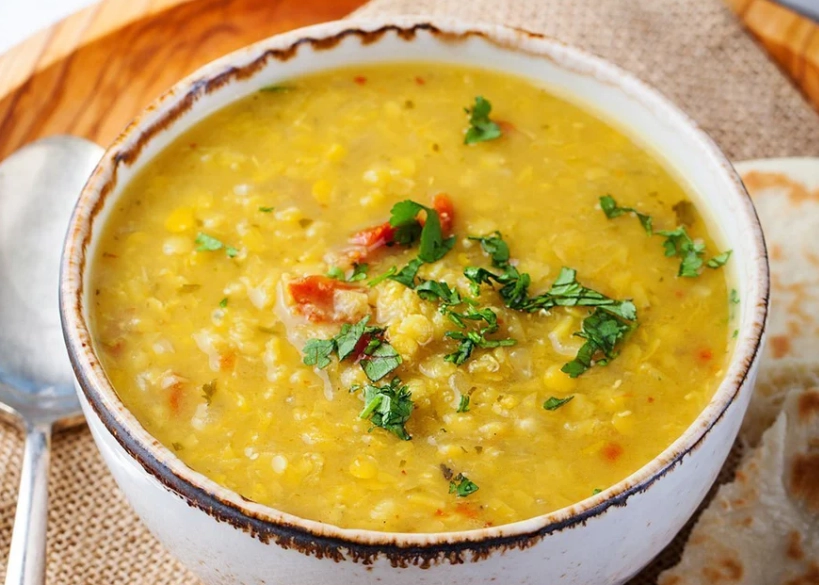
What Makes South Indian Lentil Recipes Unique?
South Indian lentil dishes stand out because of their balance of tangy, spicy, and savory notes. Unlike North Indian dals that often rely on cream or butter, South Indian versions use tamarind, coconut, and a specific blend of spices like curry leaves and mustard seeds. The texture matters too—sambar should be slightly thick, while rasam is more brothy. According to the Indian Food Association, lentils are a dietary cornerstone in South India, providing essential nutrients in vegetarian diets. But here's something most blogs don't mention: the region's climate influences the recipes. The tanginess from tamarind or tomatoes helps with digestion in hot weather, which is why these dishes feel so refreshing.
I learned this the hard way. When I first tried making sambar, I used lemon juice instead of tamarind, and it tasted flat. A friend from Chennai pointed out that tamarind's sourness is deeper and more complex—it melds with the spices over slow cooking. That's the kind of insight I'll share throughout this article.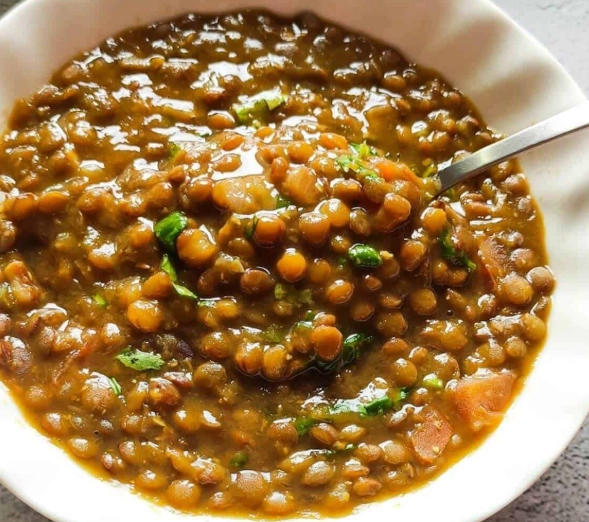
Essential Ingredients for Authentic Flavor
Before you start cooking, gather these key ingredients. Don't worry if some sound unfamiliar; I'll explain where to find them.
| Ingredient | Role in Recipes | Where to Buy |
|---|---|---|
| Toor Dal (Split Pigeon Peas) | Base for sambar, creamy texture | Indian grocery stores or online |
| Tamarind Paste | Adds tanginess in sambar and rasam | Asian supermarkets or Amazon |
| Curry Leaves | Aromatic, essential for tempering | Fresh in Indian stores, or dried online |
| Mustard Seeds | Pop in oil for flavor base | Most grocery spice aisles |
| Asafoetida (Hing) | Enhances digestion and adds umami | Indian stores—get a small bottle |
You might see recipes calling for chana dal or masoor dal, but for classic South Indian dishes, toor dal is non-negotiable. I once substituted with red lentils, and the sambar turned into a mushy soup—not ideal. Also, fresh curry leaves beat dried ones by a mile. If you can't find them, skip the dried version and add a bit more cilantro; it won't be the same, but it'll work in a pinch.
Step-by-Step Recipe: Classic Sambar
Let's dive into a detailed sambar recipe. This serves four and takes about 40 minutes. I've included timing notes because, let's be honest, we all want to know how long it really takes.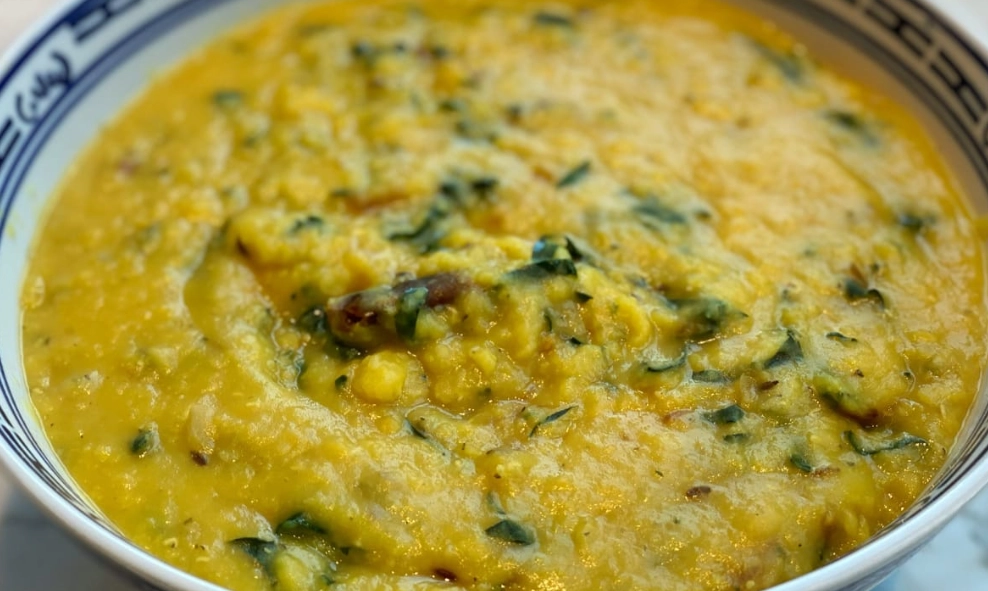
Ingredients You'll Need
- 1 cup toor dal, rinsed
- 1 medium onion, chopped
- 1 tomato, diced
- 1 carrot, cubed (optional, but adds sweetness)
- 2 tablespoons tamarind paste, dissolved in 1 cup water
- 2 teaspoons sambar powder (store-bought or homemade)
- For tempering: 2 tablespoons oil, 1 teaspoon mustard seeds, 5-6 curry leaves, 2 dried red chilies
- Salt to taste
Cooking Steps
First, pressure cook the toor dal with 3 cups water until soft—about 15 minutes on high heat. If you don't have a pressure cooker, simmer in a pot for 30-40 minutes, stirring occasionally. While that's going, heat oil in a pan for tempering. Add mustard seeds and wait for them to pop. This is crucial: if the oil isn't hot enough, they won't pop, and you'll miss that nutty flavor. Then add curry leaves and dried chilies, sauté for 30 seconds.
Add onions and cook until translucent. Throw in tomatoes and carrot, cook for 5 minutes. Now, mix in the tamarind water and sambar powder. Let it simmer for 10 minutes. Mash the cooked dal slightly—not too much, you want some texture. Combine everything, add salt, and simmer for another 5 minutes. Done. Serve with rice or idli.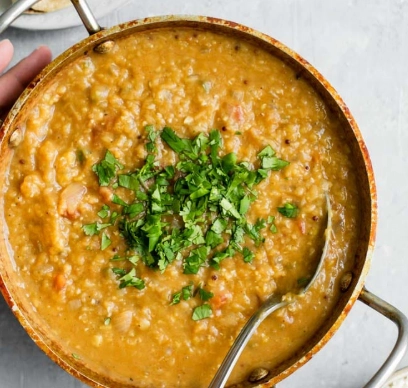
I like to add a pinch of jaggery at the end if the tamarind is too sharp. It balances things out without making it sweet.
Tangy Rasam Recipe
Rasam is lighter than sambar, almost like a soup. Perfect for when you're feeling under the weather or want a quick meal. This version uses toor dal too, but less of it.
Here's a quick rundown: Cook ½ cup toor dal until soft. In another pot, boil 4 cups water with 2 chopped tomatoes, 1 teaspoon rasam powder (or a mix of cumin, pepper, and coriander), and tamarind paste. After 10 minutes, mash the dal and add it to the pot. Temper with mustard seeds, curry leaves, and garlic in oil, then mix in. Simmer for 5 minutes, garnish with cilantro. The whole thing takes 25 minutes.
Many recipes tell you to strain the dal, but I skip that. The bit of texture makes it heartier. Just mash it well with a spoon.
Expert Cooking Tips You Won't Find Elsewhere
After years of trial and error, here are my top tips that most home cooks overlook.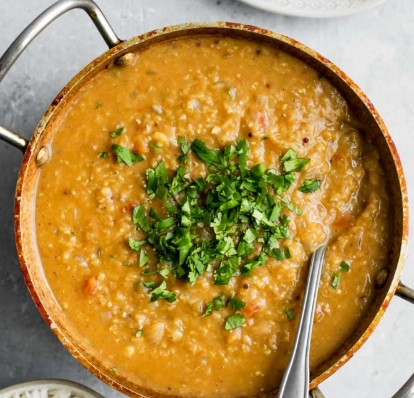
Toast Your Spices Whole: Don't just use pre-ground sambar powder from a jar. Dry roast whole coriander seeds, fenugreek seeds, and dried red chilies for 2-3 minutes until fragrant, then grind them. This intensifies the flavor dramatically. I learned this from a chef in Kerala who said ground spices lose potency fast—so toast fresh each time if you can.
Another thing: don't add tamarind too early. If it cooks too long, it turns bitter. Add it towards the end, just long enough to blend. Also, for tempering, use coconut oil if you have it. It gives an authentic South Indian aroma that vegetable oil can't match.
I see a lot of recipes recommending canned lentils for speed. Avoid that. Canned lentils are already cooked and salty, so they break down too much and throw off the seasoning. Stick with dried—they're cheaper and better.
Common Mistakes and How to Fix Them
Let's address some frequent pitfalls. I've made most of these myself, so I know how to fix them.
- Dal is too watery: You probably didn't cook it long enough or added too much water. Simmer uncovered to reduce, or mash some dal to thicken it. Next time, use a 1:3 dal-to-water ratio for sambar.
- Lack of flavor: Underseasoning is common. Taste as you go—South Indian food needs bold salt and spice. Also, ensure your tempering spices are fresh. Old mustard seeds won't pop properly.
- Bitter aftertaste: This usually happens from over-toasting spices or overcooking tamarind. If it's bitter, add a teaspoon of sugar or jaggery to balance.
One mistake I rarely see mentioned: using metal bowls to store leftover dal. The acid from tamarind can react with metal, giving a metallic taste. Use glass or ceramic containers instead.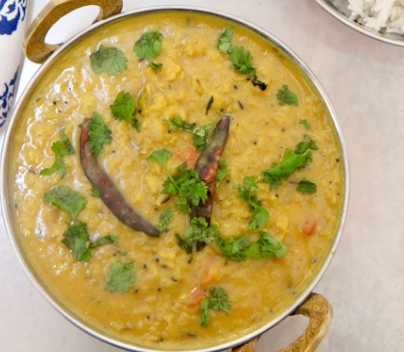
Frequently Asked Questions
That wraps up our deep dive into South Indian lentil recipes. Start with the sambar recipe—it's forgiving and rewarding. Remember, cooking is about practice, so don't stress if it's not perfect the first time. I still mess up occasionally, but that's how you learn. Grab those lentils and get cooking!
Discussion