Quick Guide
Let's be honest. The first time you walk into an Indian grocery store, it's overwhelming. Rows and rows of spices with names you can't pronounce, lentils in colors you didn't know existed, and the quiet panic of "Where do I even start?" I remember my first attempt at a simple dal. It was... edible. But it tasted nothing like the creamy, fragrant bowl I'd had at my friend's house. That's the gap this guide aims to bridge. We're not just listing recipes; we're unpacking the how and why behind the best vegetarian Indian recipes, so you can cook with confidence, not just follow instructions.
Indian vegetarian cuisine isn't a side note—it's a massive, vibrant tradition rooted in history, geography, and religion. For millions, it's everyday food. The beauty is in its balance: hearty proteins from lentils and legumes, a rainbow of vegetables, and that incredible symphony of spices that does more than just add heat. It creates depth. And the best part? Much of it is naturally gluten-free and packed with nutrients.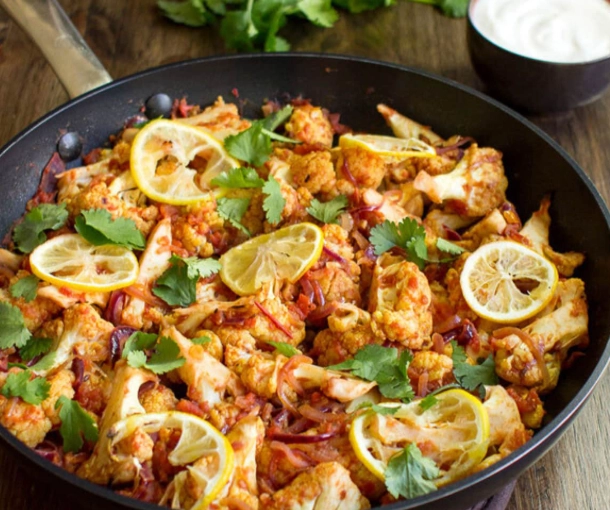
The Foundation: Your Vegetarian Indian Pantry Staples
You don't need to buy everything at once. Start with the core. Think of this as building your flavor toolkit. Once you have these, a world of vegetarian Indian recipes opens up.
The Essential Spice Rack (The "Masala Dabba")
In Indian kitchens, spices are often kept in a stainless steel round box called a masala dabba. It's practical and keeps things fresh. Here are the non-negotiables. Buy whole spices where possible—they stay fragrant for ages, and you can dry-roast and grind them as needed. The aroma is a game-changer.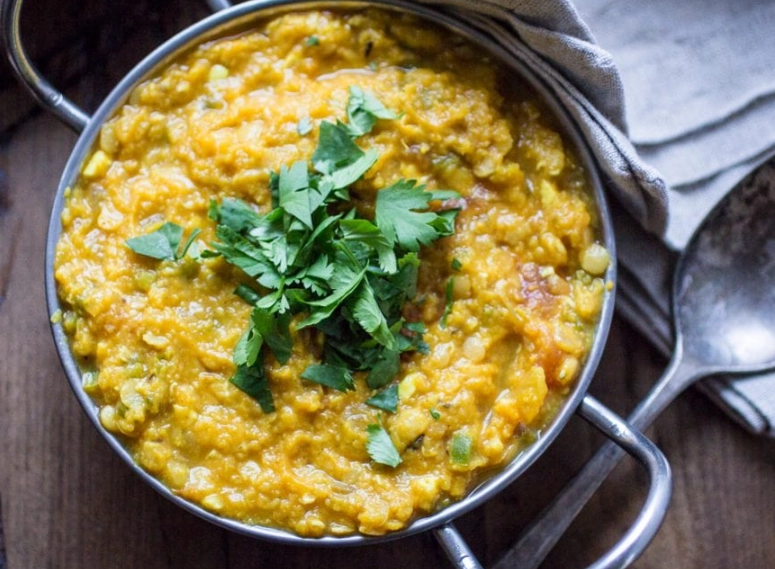
| Spice (Hindi Name) | What It Looks/Smells Like | Its Role in Vegetarian Indian Recipes | My Go-To Use |
|---|---|---|---|
| Cumin Seeds (Jeera) | Tiny, boat-shaped seeds. Earthy, nutty aroma. | The classic tempering base. Often fried in oil first to release its flavor, forming the foundation of countless curries and dals. | I always throw a teaspoon into hot oil before adding onions for almost any curry. It's the starter pistol for flavor. |
| Coriander Seeds (Dhania) | Small, round, beige balls. Citrusy, floral, slightly sweet smell when ground. | The backbone spice powder. Provides body, warmth, and a complex base note without heat. Used in powder form almost universally. | I buy it whole and grind a small batch every few weeks. The pre-ground powder loses its magic fast, tasting dusty in comparison. |
| Turmeric (Haldi) | Bright yellow-orange powder. Earthy, slightly bitter, peppery. | Adds iconic color and a warm, earthy flavor. Has anti-inflammatory properties. A pinch goes in nearly everything savory. | A must for golden lentils (dal). Be careful—it stains wooden spoons and clothes permanently! |
| Garam Masala | A blend, usually a dark brown powder. Warm, sweet, complex (cinnamon, cardamom, cloves, etc.). | The finishing touch. Added at the end of cooking or sprinkled on top. It's the "warming" spice mix, not necessarily "hot." | Sprinkle a pinch over finished dishes like butter chicken (paneer butter masala for us!) or lentil soups. Don't fry it for long. |
| Red Chili Powder (Lal Mirch) | Fine red powder. Pure heat, but flavor varies by chili type. | Provides heat and color. Kashmiri red chili powder is milder and gives a vibrant red hue. | I use Kashmiri chili powder for color and a milder heat, and add fresh green chilies or cayenne if I want more punch. |
| Mustard Seeds (Rai) | Tiny, black or brown seeds. Pop like popcorn when fried. | Key in South Indian tempering (tadka). Adds a pungent, nutty burst. Used in curries, pickles, and vegetable stir-fries. |
See? Not so scary. Store them in a cool, dark place, not right next to the stove where steam and heat will ruin them.
The Protein Powerhouses: Lentils, Legumes & More
This is where vegetarian Indian recipes get their staying power. The variety is stunning, each with a different texture and cooking time.
Dal is the Hindi word for both the raw, split lentils/legumes and the cooked dish made from them. It's the ultimate comfort food.
- Masoor Dal (Red Lentils): My top recommendation for beginners. Cooks fast (20 mins), breaks down into a creamy, smooth texture. No need to soak. Perfect for a quick, nourishing soup.
- Toor Dal (Yellow Pigeon Peas): The classic for South Indian sambar and many Maharashtrian dishes. Has a distinct, slightly sweet flavor. Often needs a pressure cooker for best results.
- Chana Dal (Split Bengal Gram): Yellow, split chickpeas. Holds its shape well, has a nutty, sweet flavor. Great for thicker, hearty dals.
- Whole Legumes: Like chickpeas (kabuli chana) for Chana Masala and kidney beans (rajma). These usually require overnight soaking and longer cooking, but a pressure cooker or Instant Pot is a lifesaver here. Canned versions are a totally acceptable shortcut for weeknights—just rinse them well.
The Fresh Brigade: Herbs, Aromatics & Dairy
Fresh ingredients bring the brightness.
- Ginger & Garlic: Almost always used together, either minced into a paste or freshly grated. The paste in jars works, but fresh has a sharper, cleaner zing. I keep a knob of ginger and a head of garlic in the fridge at all times.
- Fresh Green Chilies: Serrano or Thai bird's eye chilies. Adjust the number to your heat tolerance. Slit them lengthwise to infuse flavor without making the dish too spicy.
- Cilantro (Coriander Leaves): The quintessential garnish. Chopped fine and sprinkled generously. Some people hate it (it's a genetic thing!), but it's non-negotiable for me.
- Curry Leaves: Used primarily in South Indian cooking. They have a unique, citrusy, aromatic scent. Toss a sprig into hot oil for tempering. Find them fresh or frozen in Indian stores.
- Paneer: Indian cottage cheese. It's firm, doesn't melt, and soaks up sauces beautifully. You can buy it or make it at home with milk and lemon juice. It's the star of dishes like Palak Paneer and Matar Paneer.
- Yogurt (Dahi) & Cream: Yogurt is used in marinades (for veggies or paneer) and to add tang to curries like Kadhi. Heavy cream is used sparingly in richer restaurant-style dishes.
With this pantry, you're armed and ready. Let's get cooking.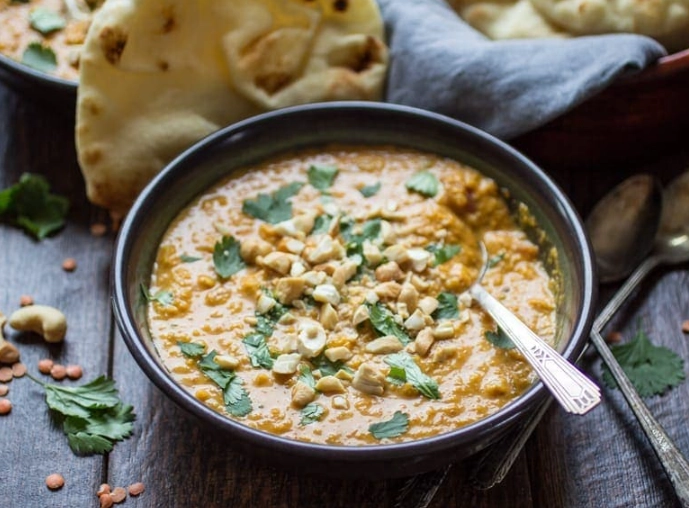
Must-Try Vegetarian Indian Recipes: From Breakfast to Feast
I've grouped these by when you might eat them, but honestly, eat dal for breakfast or poha for dinner—there are no rules. These recipes are chosen for their iconic status, flavor payoff, and manageability for a home cook.
Hearty Breakfasts & Light Meals
Poha (Flattened Rice Flakes)
This is the ultimate quick, light, and satisfying breakfast from Western India. It comes together in 15 minutes. The key is rinsing the poha quickly—just until it softens, not letting it get mushy. You'll need thick poha (available at Indian stores).
The Tempering (Tadka): Heat oil, add mustard seeds, cumin seeds, curry leaves, a pinch of asafoetida (hing), and chopped green chilies. Let them crackle.
The Body: Add finely chopped onions, cook until soft. Add diced potatoes (parboiled for speed), turmeric, salt, and a pinch of sugar (balances the tang). Cook until potatoes are done. Add rinsed and drained poha. Gently mix everything. Squeeze fresh lemon juice and garnish with cilantro and sev (thin gram flour noodles) if you have them. It's tangy, savory, and texturally fantastic.
Masala Omelette (Yes, it's veggie!)
Not all Indian breakfasts are complex. This is a classic. Beat eggs with finely chopped onions, tomatoes, green chilies, cilantro, salt, and a pinch of turmeric and red chili powder. Cook like a regular omelette. Serve with buttered toast or pav (Indian bread rolls). Simple, protein-packed, and full of flavor.
The Main Event: Curries, Dals & Dry Dishes
This is the core of lunch and dinner. A typical plate might have a dal, a dry vegetable dish (sabzi), a curry (with paneer or legumes), rice, and roti.
The Ultimate Dal Tadka
If you learn one dal, make it this one. It's the poster child of comforting vegetarian Indian recipes. I use masoor dal (red lentils) for its foolproof creaminess.
- Cook the Dal: Rinse 1 cup red lentils. Add to a pot with 3 cups water, ½ tsp turmeric, and 1 tsp oil. Boil, reduce heat, and simmer for 20-25 mins until completely soft. Mash slightly with a spoon. Add salt to taste.
- The "Tadka" (Tempering): This is the flavor bomb. In a small pan, heat 2 tbsp ghee or oil. Add 1 tsp cumin seeds. Let them sizzle. Add 2-3 dried red chilies, a pinch of asafoetida (optional but authentic), and 2 cloves of minced garlic. Fry for 30 seconds until garlic is golden.
- The Grand Finale: Pour this sizzling tadka over the cooked dal. It will hiss and bubble gloriously. Stir. Garnish with cilantro. Serve with rice or roti. The smoky, garlicky aroma from the tadka transforms the simple lentils.
Honestly, a bowl of good dal tadka with steamed rice is a meal I never get tired of. It's soul food.
Chana Masala (Chickpea Curry)
This North Indian staple is a global favorite for a reason. It's robust, tangy, and packed with protein. Using canned chickpeas makes it a 30-minute meal.
The Base: Sauté onions until deeply golden brown—this is crucial for the rich color and flavor. Add ginger-garlic paste, then tomato puree or finely chopped tomatoes. Cook until the oil separates from the mixture.
The Spices: Add coriander powder, cumin powder, turmeric, red chili powder, and the star—amchur (dry mango powder) which gives the signature tang. If you don't have amchur, a squeeze of lemon juice at the end works.
Bring it Together: Add drained chickpeas and water. Simmer for 15-20 minutes. Crush a few chickpeas with the back of your spoon to thicken the gravy. Finish with garam masala and cilantro. This dish is a testament to how simple vegetarian Indian recipes can create deep, complex flavors.
Baingan Bharta (Smoked Eggplant Mash)
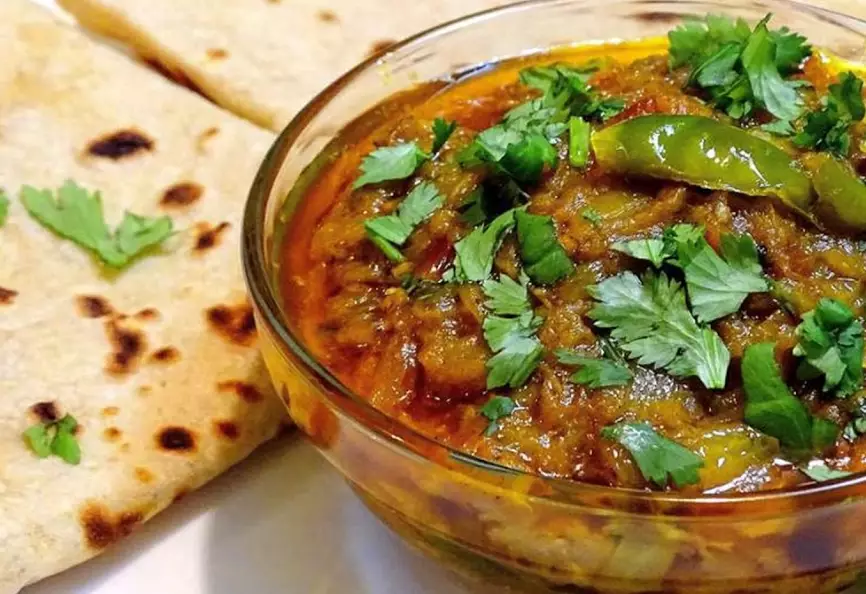
This is a showstopper. The smoky flavor is everything. Traditionally, the eggplant is roasted directly over an open flame until the skin is charred and the inside collapses. It's messy but worth it. You can also roast it in a very hot oven or on a grill.
Peel the charred skin off the cooled eggplant and mash the pulp. In a pan, temper cumin seeds, add onions, ginger, garlic, and green chilies. Cook until soft. Add tomatoes and spices (turmeric, coriander, red chili powder). Cook down. Stir in the mashed eggplant. Cook for 10-15 minutes on low heat. Finish with fresh cilantro. The smokiness paired with the spiced tomato base is unreal. Serve with thick, whole-wheat rotis.
The Supporting Cast: Sides, Breads & Rice
No feast is complete without these.
- Raita: A cooling yogurt side. Just whisk yogurt with a little water until smooth. Add grated cucumber, roasted cumin powder, salt, and a pinch of chili powder. It's the perfect counterpoint to spicy dishes.
- Rotis/Chapatis: Whole wheat flatbreads. Making them perfectly round and soft is an art that takes practice (mine are still vaguely geographical!). But even imperfect, homemade ones taste miles better than store-bought. The key is kneading a soft dough and rolling them thin.
- Jeera Rice: The simplest way to elevate plain rice. Fry cumin seeds in ghee or oil, add rinsed basmati rice, water, and salt. Cook as usual. The cumin perfumes the entire pot.
A Touch of Sweet: Desserts
Instant Pot/Stovetop Kheer (Rice Pudding)
Indian desserts are often milk-based and delicately sweetened. Kheer is a festive pudding. Rinse ¼ cup basmati rice. In a heavy-bottomed pot, bring 1 liter of whole milk to a boil. Add the rice. Simmer on very low heat for about an hour, stirring frequently to prevent sticking, until the milk reduces by about a third and thickens. The rice should be completely soft. Add sugar to taste (start with ½ cup) and cardamom powder. Stir in a handful of chopped nuts (almonds, pistachios). It's rich, comforting, and surprisingly simple. The slow cooking is meditative.
Your Questions, Answered (The FAQ Every Cook Needs)
Putting It All Together: A Sample Week of Vegetarian Indian Meals
Let's make this practical. Here’s how a relaxed, non-fussy week of cooking from this guide could look. This assumes a mix of fresh cooking and using leftovers smartly.
| Day | Lunch/Dinner Plan | Prep Notes |
|---|---|---|
| Monday | Dal Tadka + Jeera Rice + Raita. The perfect, gentle start to the week. | Make a full pot of dal. Cook rice fresh. Raita takes 5 minutes. |
| Tuesday | Chana Masala + Roti (store-bought or homemade) + leftover Dal. Use canned chickpeas for speed. | Use the leftover dal from Monday. The chana masala comes together while the rotis warm. |
| Wednesday | Baingan Bharta + Roti. A flavorful, veggie-centric meal. | Roast the eggplant in the oven while you prep the other ingredients. |
| Thursday | Leftover Chana Masala & Bharta Bowl. Mix and match leftovers with fresh rice or quinoa. | A no-cook dinner. Maybe add a fresh salad or sliced cucumbers on the side. |
| Friday | Paneer Butter Masala (restaurant-style treat) with Naan. A comforting end to the week. | This takes a bit more effort with the cashew-cream base, but it's worth it. Use store-bought naan. |
| Weekend | Experiment! Try a South Indian Sambar or a biryani with vegetables. | Browse authentic sources like Veg Recipes of India for reliable, well-tested recipes. The site is a treasure trove. |
See? It's completely doable. The rhythm becomes intuitive.
Beyond the Recipe: Embracing the Spirit of the Kitchen
Mastering vegetarian Indian recipes is less about rigid precision and more about understanding rhythms. It's about knowing when the onions are perfectly browned, when the spices have lost their raw smell, and when the dal has reached its creamy peak. Your kitchen will smell incredible. Your hands might smell of garlic and turmeric for a while (a badge of honor!).
Don't be afraid to adapt. No curry leaves? Skip them. Want to add spinach to your dal? Do it. Prefer less heat? Use one chili instead of two. The recipes are a map, but you're driving. The ultimate goal is to fill your home with the warm, inviting, complex aromas of spices and create nourishing, delicious food that brings people together. That's the real heart of Indian cooking.
So, pick a recipe that calls to you, gather your spices, and start. That first successful, deeply flavorful bite of a dish you made yourself? There's nothing quite like it. Happy cooking!
Discussion