That question, "What Indian snacks can I make?", hits a sweet spot. It's not just about finding a recipe. It's about unlocking a world of flavor that feels exotic but is made from pantry staples. It's about creating something that brings the bustling energy of an Indian street market right to your kitchen table. And the best part? Most Indian snacks are forgiving, deeply flavorful, and designed for sharing.
Let's cut to the chase. You can make a lot. More than you think. The real challenge isn't finding recipes, it's choosing where to start. So, let's skip the long introductions and dive straight into the snacks you can actually make, broken down by effort, occasion, and that secret ingredient that makes all the difference.
What's in this guide?
From the Streets to Your Kitchen: 3 Iconic Snacks
If you want the real deal, the kind of snacks that make you feel like you're in Mumbai, you need to start with these three. They're universally loved, relatively simple to make, and each offers a different experience.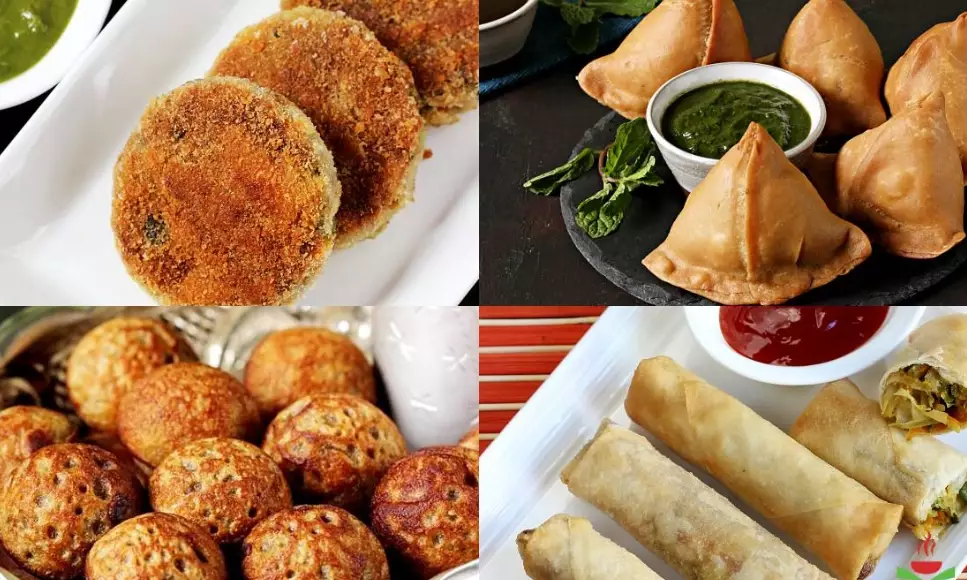
1. Samosa: The Spiced Pocket
Let's be honest. A samosa is the king of Indian snacks. That crispy, golden-brown shell giving way to a soft, spiced potato (or meat) filling... it's perfection. But here's a secret most recipes don't tell you: the dough is everything.
Most beginners make the dough too hard. They add too much water, or they knead it for too long. The ideal samosa dough should be firm, yes, but also slightly pliable. Think of it like a soft Play-Doh. If it cracks when you roll it, it's too dry. If it sticks to your rolling pin, it's too wet. The sweet spot? After mixing, let the dough rest for at least 30 minutes, covered with a damp cloth. This allows the gluten to relax and makes rolling it out infinitely easier.
Here's my go-to recipe for a classic potato filling, but remember, the filling is your playground.
The Dough (The Foundation)
- 2 cups all-purpose flour (maida)
- 1/4 cup ghee or oil (ghee gives a richer flavor)
- 1 teaspoon salt
- Water, as needed (about 1/2 cup, but add gradually)
Mix the flour and salt. Add the ghee/oil and mix until it resembles breadcrumbs. Slowly add water and knead into a smooth, firm dough. Cover and let it rest.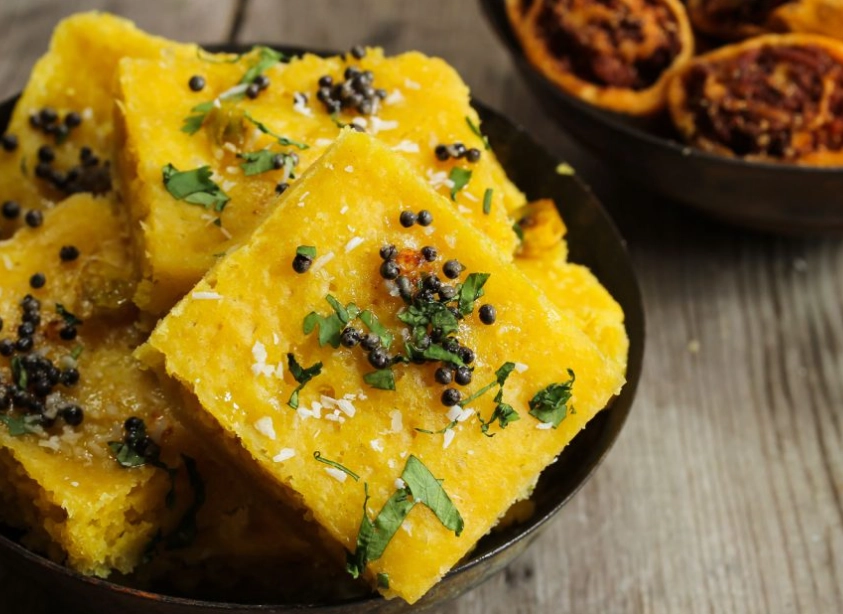
The Filling (The Classic Aloo)
- 4 medium potatoes, boiled and mashed
- 1 tablespoon oil
- 1 teaspoon cumin seeds
- 1 onion, finely chopped
- 1-2 green chilies, chopped (adjust to your heat level)
- 1 teaspoon ginger-garlic paste
- 1/2 teaspoon turmeric powder
- 1 teaspoon coriander powder
- 1/2 teaspoon red chili powder (optional)
- Salt to taste
- Fresh cilantro, chopped for garnish
Heat the oil. Add cumin seeds and let them splutter. Add onions and sauté until golden brown. Add the remaining ingredients and cook for a few minutes. Fold in the mashed potatoes and mix well. Garnish with cilantro.
2. Chaat: The Symphony of Flavors
Chaat isn't a single dish. It's a category. It's an explosion of sweet, tangy, spicy, and crunchy textures. The base can be anything from puffed rice to fried dough pieces to boiled potatoes. The magic lies in the chutneys and the "chaat masala," a special spice blend.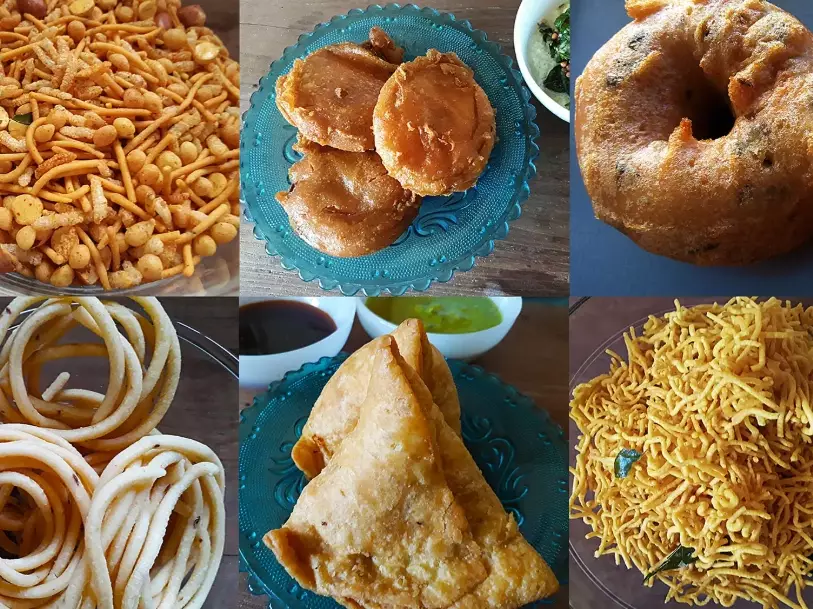
To make a simple Aloo Chaat (Potato Chaat), you'll need:
- 2 medium potatoes, boiled and cubed
- 1 tablespoon tamarind chutney (sweet)
- 1 tablespoon green mint chutney (spicy)
- 1 tablespoon yogurt (plain, whisked)
- 1 teaspoon chaat masala (this is the key spice blend)
- Sev (thin gram flour noodles) for crunch
- Finely chopped onions and cilantro for garnish
Mix everything in a bowl. Top with sev and enjoy immediately. The beauty of chaat is its assembly-line nature. You prepare the components separately, then combine them at the last moment.
3. Masala Papad: The Simplest of Them All
This is the ultimate low-effort, high-reward snack. You literally need two things: store-bought lentil wafers (papad) and some chaat masala. Grill or microwave the papad until crisp. Sprinkle generously with chaat masala. Done.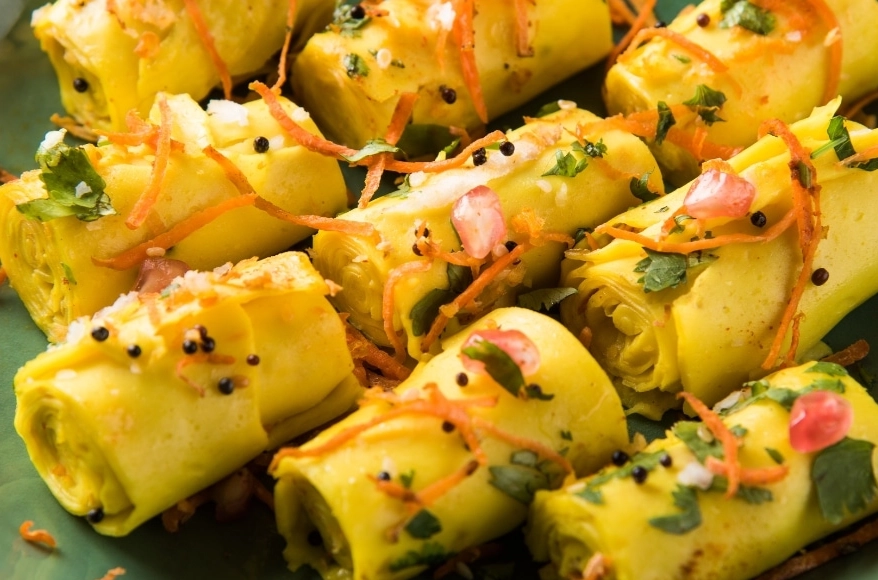
But if you want to make your own papad (which I don't recommend for your first try, but is incredibly satisfying), you'll need:
- Urad dal flour (black gram flour)
- Water to make a dough
- Roll it out paper-thin
- Dry it in the sun (or a dehydrator)
- Then fry or roast it
See? Easy.
Classic Chai-Time Snacks (The Kind You Find in Every Home)
These are the snacks you make when you have unexpected guests, or when you just want something small with your tea. They're comforting, familiar, and usually involve ingredients you already have.
Toasted Sandwich with a Twist: This might sound blasphemous to a Western palate, but an Indian toasted sandwich is a different beast. It's not just cheese and ham. It's a layer of spiced mashed potatoes, maybe some onions, green chutney, and then cheese. The bread is often buttered on the outside and grilled until golden brown and gooey on the inside. Try this: take your usual sandwich fillings, add a thin layer of green chutney (mint, cilantro, chili, yogurt), and then grill. You'll thank me later.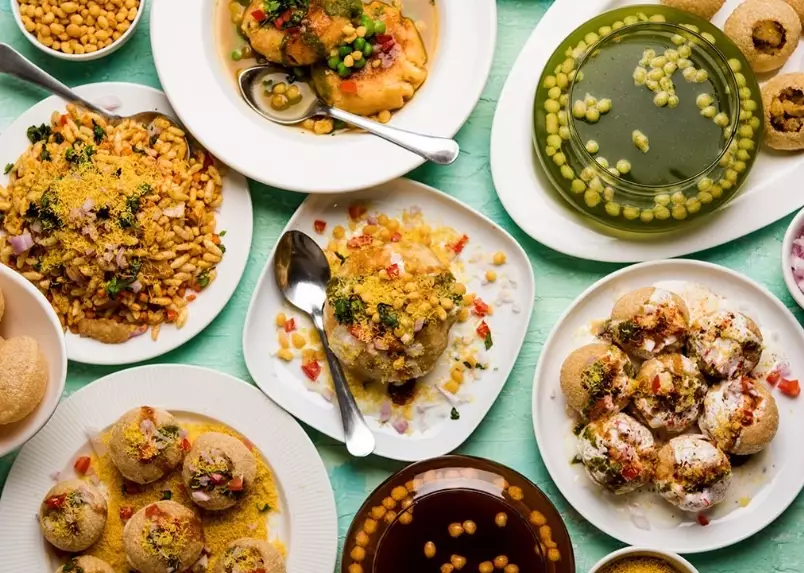
Pakora: The Vegetable Fritter
Pakoras are the ultimate comfort food. They're vegetable fritters dipped in a spiced gram flour (besan) batter and deep-fried until golden and crispy. The beauty? You can use almost any vegetable you have lying around. Onions, potatoes, spinach, even paneer (Indian cottage cheese). The key to a great pakora is the batter consistency. It should be thick enough to coat the back of a spoon, but not so thick that it forms peaks. If it's too thin, it won't adhere to the vegetable. If it's too thick, the pakora will be doughy. Aim for a smooth, flowing consistency that leaves a trail for a second before disappearing.
Quick & Impressive Party Fixes
Need to feed a crowd, fast? These snacks look like you spent hours in the kitchen, but secretly come together in minutes. They're all about assembly, not cooking.
The Chaat Platter
This is my go-to party trick. I prepare all the components of different chaats in advance and lay them out in small bowls. Then, I let my guests build their own chaat. It's interactive, fun, and caters to all taste preferences. You'll need a base (like boiled potatoes or puffed rice), some chutneys (tamarind and mint), some diced vegetables (onions, tomatoes), some crunchy elements (sev, maybe some crushed papdi), and of course, chaat masala. The assembly is the fun part.
The Samosa Station
This one requires a bit more preparation, but is a total showstopper. I make a large batch of samosa dough and filling. Then, I set up a station with the dough, a rolling pin, a small bowl of water for sealing, and the filling. Guests can then shape and fill their own samosas (with my guidance, of course). They get to experience the process, and I get help making them. It's a win-win.
Healthy(ish) Tweaks
Let's be real. Sometimes you want a snack that feels indulgent but isn't a deep-fried guilt trip. These are my favorite healthy-ish alternatives that still pack a punch of flavor.
Baked Samosa: Yes, you can bake samosas. Brush them lightly with oil and bake in a preheated oven at 200°C (400°F) until golden and crispy. They won't be exactly the same as the deep-fried version, but they'll still be delicious and significantly lower in fat.
Air-Fried Pakora: This is a game-changer. Toss your pakora batter-coated vegetables in a tiny bit of oil and air-fry until crispy. You get all the satisfaction of a pakora with a fraction of the oil. Just remember, the air-fryer cooks quickly, so keep an eye on them to prevent burning.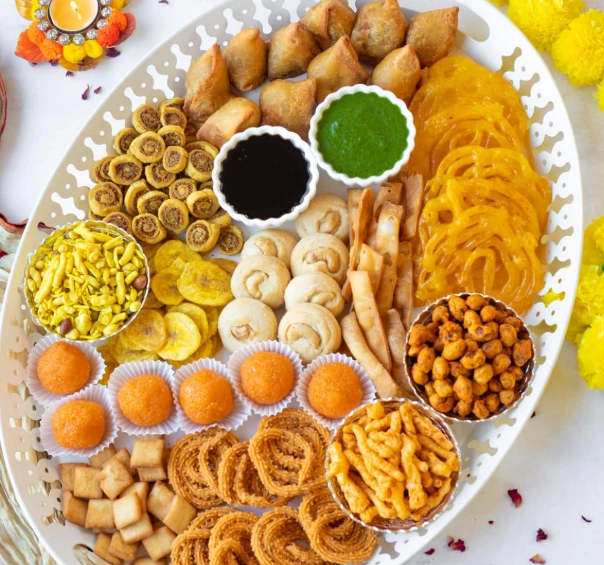
My Personal Favorites & Why
After years of making (and sometimes, let's be honest, failing) these snacks, I've developed a few personal preferences. These are the ones I always come back to, and why.
The Samosa Secret No One Talks About
Most home cooks are terrified of making the samosa cone. They think it's too difficult. But here's the truth: you don't need to make a perfect cone. In fact, a slightly imperfect, hand-shaped cone holds the filling better and creates more surface area for that beautiful, flaky crust. Embrace the imperfection. It's what makes your samosas look homemade and authentic.
My all-time favorite is a simple Masala Papad with a twist. I like to spread a thin layer of softened butter on the papad before grilling it. Then, I sprinkle it with a mixture of chaat masala and a tiny bit of dried mango powder (amchoor). The butter helps the spices adhere and adds a layer of richness that takes it to the next level.
And for a quick, healthy snack, I always keep some chopped vegetables (like carrots, cucumbers, and bell peppers) in the fridge. A quick dip in a homemade mint chutney (blend yogurt, mint, cilantro, a green chili, and salt) instantly elevates them.
What About Chutneys?
You can't have Indian snacks without chutneys. They're the soul of the dish. But here's the good news: you don't need to make all of them from scratch. A good quality store-bought tamarind chutney and mint chutney will take you a long way. And if you want to try making one, a simple coriander-mint chutney is the easiest place to start. Just blend a bunch of fresh coriander and mint leaves with a green chili, some salt, and a bit of water until smooth. That's it. You have a fresh, vibrant chutney that pairs with almost anything.
Common Mistakes & How to Avoid Them
Let's talk about the elephant in the room: fear. Fear of the spices, fear of the process, fear of failure. I've been there. My first batch of samosas looked like they had been through a war. The dough was too thick, the filling was bland, and they fell apart in the oil. But I learned from those mistakes, so you don't have to.
Mistake #1: Overcooking the Filling
This is the most common one. People think they need to cook the filling until it's dry. Wrong. You want to cook the spices in the oil until they're fragrant, but the vegetables (especially potatoes) should still retain some moisture. Otherwise, your filling will be dry and crumbly, and it won't hold together inside the samosa.
Mistake #2: Not Sealing the Samosa Properly
This is a disaster waiting to happen. If your samosa isn't sealed properly, the filling will leak out during frying, and you'll be left with an empty, oily shell. Take your time. Use a little water or flour paste to ensure a good seal. It's worth the extra 30 seconds.
Mistake #3: Frying at the Wrong Temperature
This is the difference between a golden, crispy samosa and a soggy, oily mess. The oil needs to be hot enough (around 180°C or 350°F) so that the samosa sizzles and browns quickly, sealing the outside and preventing it from absorbing too much oil. If the oil is too cool, the samosa will absorb oil and become greasy. If it's too hot, the outside will burn before the inside is cooked. Use a candy thermometer if you're unsure. It's a small investment that pays off in the long run.
Discussion