You've soaked the rice and lentils, ground the batter, waited for it to ferment, and steamed it with hope. But instead of soft, cloud-like idlis, you're left with dense, gummy, or sour hockey pucks. Sound familiar? Making perfect idli can be tricky, and the mistakes are often subtle. After years of trial and error (and plenty of failed batches), I've pinpointed the exact pitfalls that trip people up. Let's fix them.
Quick Guide: What's Going Wrong?
- Mistake 1: Using the Wrong Rice or Lentils
- Mistake 2: Getting the Rice-to-Lentil Ratio Wrong
- Mistake 3: Grinding Errors (Too Fine or Too Coarse)
- Mistake 4: Ignoring the Final Batter Consistency
- Mistake 5: Fermentation Fails (The Biggest Culprit)
- Mistake 6: Steaming Issues That Deflate Your Idlis
- Mistake 7: Panicking and Over-Mixing the Batter
- Mistake 8: Using the Wrong Idli Vessel or Not Greasing It
- Mistake 9: Skipping the Batter's Rest After Fermentation
- Mistake 10: Using Old or Refrigerated Batter Incorrectly
- Your Idli Problems, Solved (FAQ)
Mistake 1: Using the Wrong Rice or Lentils
This is where it all starts. You can't use just any rice or lentil from your pantry and expect authentic idlis.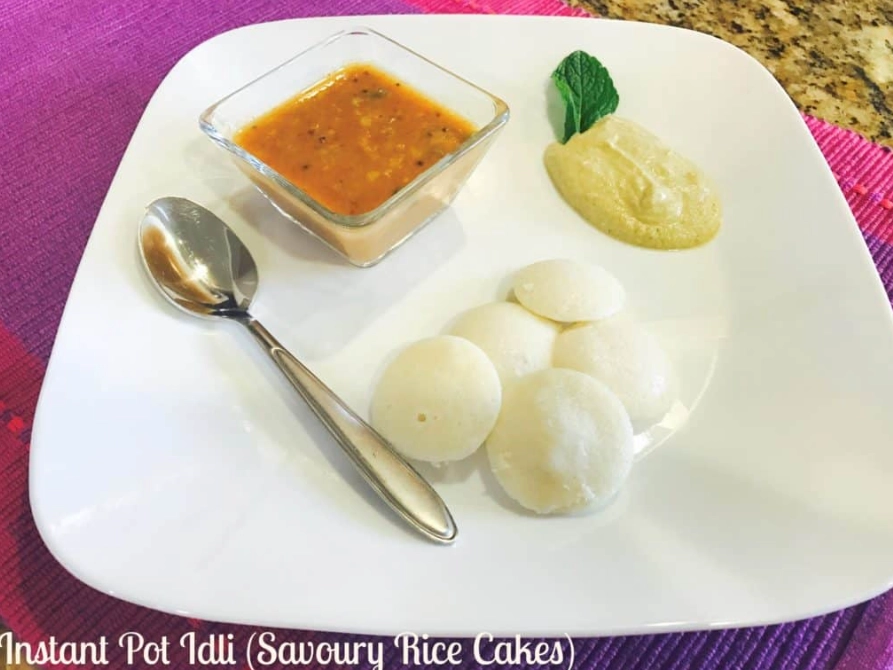
Idli rice isn't a marketing gimmick. It's typically a parboiled, short-to-medium grain rice like ponni, sona masoori, or the specific "idli ravva." These varieties are less starchy than basmati or jasmine rice and have the right balance to become fluffy when fermented and steamed. Using regular white rice often results in a pasty texture.
For the lentil (urad dal), you must use whole, skinless black gram (urad dal). Split urad dal with the skin on (which is common) won't give you the same volume or smoothness. The whole, skinless variety creates that signature airy structure. I once tried making idli with split yellow lentils in a pinch—it was a disaster. The batter barely rose.
Mistake 2: Getting the Rice-to-Lentil Ratio Wrong
The classic ratio is debated, but it's usually between 3:1 and 4:1 (rice:urad dal). Too much urad dal (like a 2:1 ratio) makes the idlis overly soft, sticky, and difficult to digest. Too little urad dal (5:1 or more) and your idlis won't ferment well, turning out dense and heavy.
My go-to ratio is 3.5:1. It's a sweet spot that gives enough structure from the rice and enough aeration from the urad dal. Measure by volume using the same cup for both.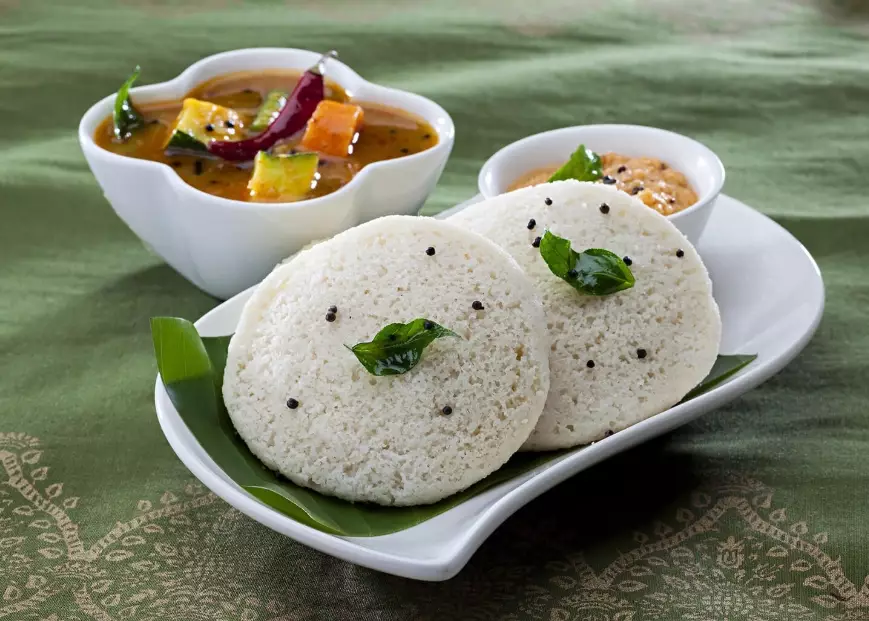
Mistake 3: Grinding Errors (Too Fine or Too Coarse)
Grinding is not just about blending; it's about texture creation.
Grinding the urad dal: This needs to be ground extremely fine and fluffy. You should aim for a smooth, glossy, almost whipped consistency that forms soft peaks. If you stop when it's just smooth, it's not enough. The incorporation of air during this long grinding is the first stage of aeration. A wet grinder is ideal, but a powerful blender with a small jar and plenty of water works if you're patient and don't let it overheat.
Grinding the rice: Here's a non-consensus point many miss. The rice should be ground to a slightly coarse consistency, like fine semolina. A completely smooth rice paste makes for gummy idlis. That slight grit provides necessary structure. Grind it separately from the urad dal.
Mistake 4: Ignoring the Final Batter Consistency
After mixing the ground rice and urad dal pastes with salt, the batter should be thick but pourable. Think of a thick cake batter or a slightly thinned-out pancake batter.
The consistency test? Drop a spoonful of batter into a bowl of water. It should float. If it sinks, it's likely too thin or hasn't fermented.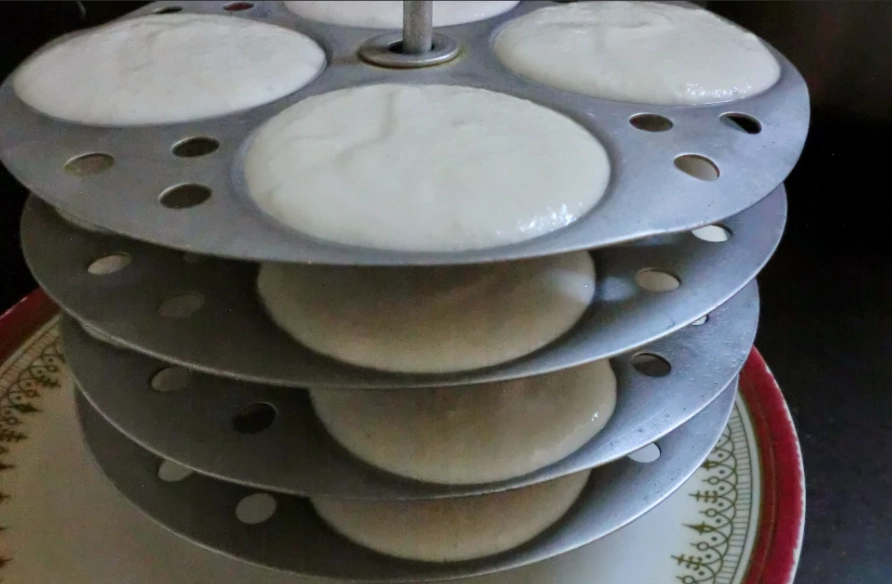
Mistake 5: Fermentation Fails (The Biggest Culprit)
This is the heart of idli making. No fermentation, no fluffy idlis. Period.
How to Ferment Idli Batter Perfectly Every Time
Fermentation isn't just about time; it's about creating the right environment for the wild yeast and bacteria to work.
- Temperature: Ideal is 25-32°C (77-90°F). In cooler climates, this is the main challenge. Tricks: Place the batter container in an oven with only the light on, in a microwave next to a bowl of just-boiled water, or on top of your refrigerator (where the compressor vents warm air).
- Container: Use a non-reactive, wide-mouthed vessel like stainless steel or glass. Fill it only halfway to allow room for the batter to double or triple in volume.
- Time: 8-12 hours is typical. Don't go by the clock alone. Look for the batter to rise significantly, become frothy on top, and smell slightly sour and yeasty. Over-fermentation (18+ hours) makes idlis unbearably sour.
If your kitchen is cold, a pinch of sugar or a teaspoon of fenugreek seeds soaked with the urad dal can kickstart the process, but don't overdo it.
Mistake 6: Steaming Issues That Deflate Your Idlis
You've got perfectly fermented batter. Now don't ruin it in the steamer.
Use vigorous, rolling steam. The water should be boiling actively before you place the idli stand inside. Medium heat won't cut it. The sudden, intense heat sets the structure quickly, trapping the air bubbles.
Don't peek! Opening the lid lets the steam escape and drops the temperature, causing idlis to collapse. Steam for a solid 10-12 minutes on high heat. To check doneness, insert a toothpick or knife—it should come out clean.
Let them rest for 2-3 minutes after turning off the heat before trying to remove them. This allows them to firm up slightly.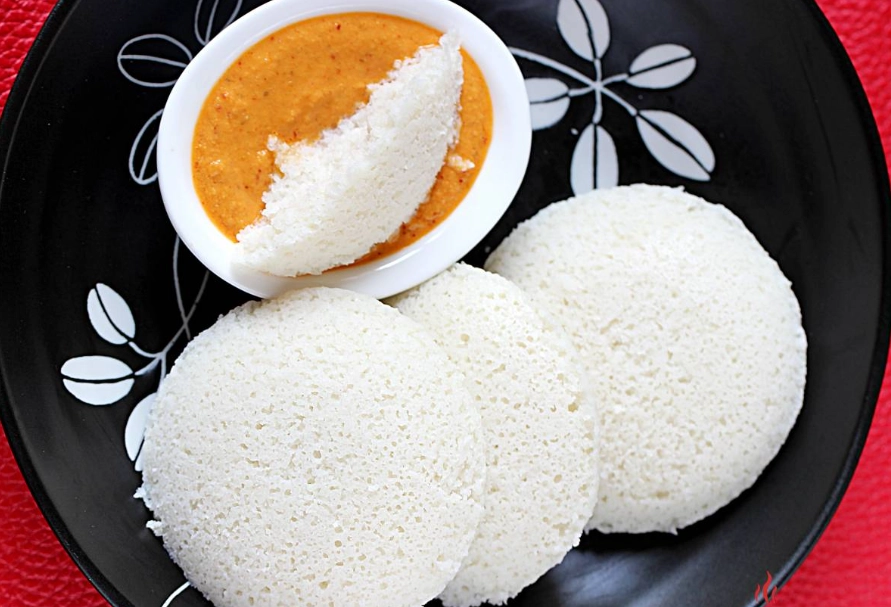
Mistake 7: Panicking and Over-Mixing the Batter
After fermentation, you'll see a bubbly, frothy top layer. Gently fold the batter with a ladle or spoon. Do not stir vigorously or use a whisk. You're trying to incorporate the layers without deflating all the precious air bubbles you worked so hard to create. Think of it like folding egg whites into a batter.
Mistake 8: Using the Wrong Idli Vessel or Not Greasing It
Non-stick idli plates are the easiest. Traditional brass or steel plates also work but require proper greasing. Use a neutral oil like sunflower or a light brushing of ghee. Don't use olive oil—its flavor is too strong. If you don't grease well, you'll be scraping out chunks of idli instead of perfect rounds.
Also, ensure your steamer or pot is large enough so the lid doesn't touch the idlis, causing condensation to drip on them and create wet spots.
Mistake 9: Skipping the Batter's Rest After Fermentation
Here's another subtle tip. After you've gently folded your fermented batter, let it sit for 15-20 minutes before pouring it into the molds. This short rest allows the batter to relax and the aeration to stabilize, leading to more even-textured idlis.
Mistake 10: Using Old or Refrigerated Batter Incorrectly
Refrigerated batter is thicker and less active. You cannot use it straight from the fridge. Take it out, let it come to room temperature for at least an hour, and then gently fold it again. Don't add water immediately—see if it loosens up as it warms. If it's still too thick after an hour, then add a teaspoon or two of water to adjust the consistency.
Batter older than 3-4 days in the fridge will likely be too sour for idlis. Use it for dosa instead.
| Mistake | Why It Happens | The Fix |
|---|---|---|
| Dense, Heavy Idlis | Insufficient fermentation, wrong rice, batter too thick. | Ensure warm fermentation (8-12 hrs), use idli/parboiled rice, adjust batter to floating consistency. |
| Sour or Tangy Idlis | Over-fermentation (too long or too hot). | Ferment for 8-12 hrs max in ideal temp (25-32°C). Refrigerate batter once fermented. |
| Idlis Not Rising/Flat | Thin batter, weak steam, over-mixing after ferment. | Use thick-pourable batter, steam on rolling boil for 10-12 mins, fold gently. |
| Sticky or Gummy Texture | Rice ground too fine, too much urad dal, undercooked. | Grind rice slightly coarse, use 3:1 to 4:1 ratio, steam full time (check with toothpick). |
| Wet Patches on Top | Condensation from lid dripping. | Use a deep steamer, wrap lid with cloth to absorb moisture, don't peek. |
Your Idli Problems, Solved (FAQ)
 Why do my idlis stick to the plates even though I greased them?
 Can I use whole wheat flour or quinoa instead of rice?
Making great idli is part science, part feel. It might take a batch or two to get it right. Pay closest attention to your ingredients, fermentation environment, and how you handle the batter. Once you lock in that process, you'll have a reliable source of perfect, fluffy idlis anytime. Now go fix that batter.
Discussion