Let's be honest. You've probably stood in the spice aisle, looked at a bag of something called "ajwain" or "asafoetida," and wondered what on earth you'd do with it. I've been there. My first attempt at a proper Indian curry involved throwing every powder I had into the pot. It was... educational. The real magic of Indian cooking isn't about complexity for its own sake. It's about understanding a cast of characters—about 40 key players—and knowing when to let each one shine.
This isn't just a list. It's a roadmap. We'll break down the essential spices, the supporting actors, the secret weapons, and the pre-made blends that do the heavy lifting. More importantly, we'll talk about how to use them. Because buying star anise is one thing; knowing it can make your biryani unforgettable is another.
Your Spice Roadmap
The Core Pantry: 10 Spices You Absolutely Need
If you're starting from zero, get these. They form the base of 80% of Indian dishes. I recommend buying the whole seed versions of cumin, coriander, and mustard where possible—a cheap coffee grinder becomes your best friend for freshness.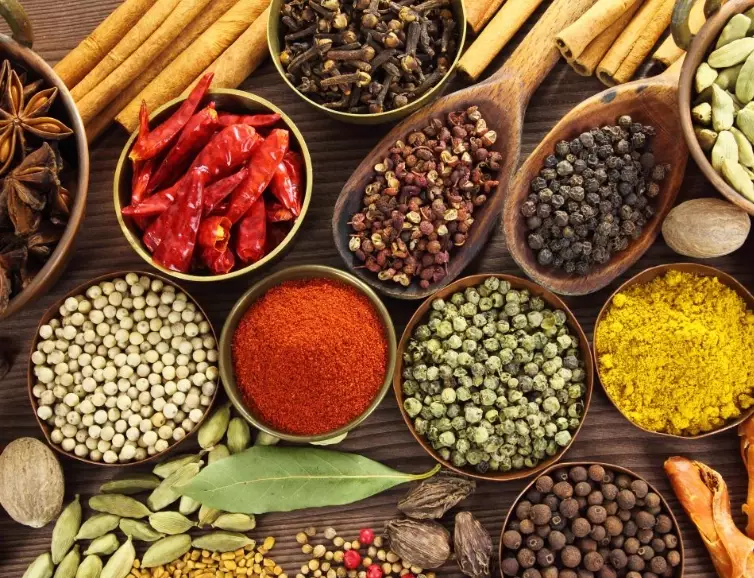
| Spice (Hindi Name) | Flavor Profile | Key Uses & Dishes |
|---|---|---|
| 1. Cumin Seeds (Jeera) | Earthy, warm, slightly nutty and citrusy. | Tempering (tadka) for dals, curries, rice. Ground in garam masala and curry bases. The first spice often added to hot oil. |
| 2. Coriander Seeds (Dhania) | Light, lemony, floral, subtly sweet. | Ground into powder – the most used powder in Indian cooking. Balances heat, adds body to gravies. Essential for Sambhar, curries. |
| 3. Turmeric Powder (Haldi) | Earthy, pungent, slightly bitter. Imparts golden color. | Color and base flavor. Added early in cooking with other powders. Used in almost every savory dish. (Stains everything—be warned!). |
| 4. Red Chili Powder (Lal Mirch) | Pure, straightforward heat. | Provides heat. Kashmiri red chili powder is milder and used for vibrant red color without extreme heat. |
| 5. Black Mustard Seeds (Rai) | Pungent, sharp, nutty when popped. | Must pop in hot oil! A signature of South Indian tempering for sambar, rasam, curd rice. Provides texture and bursts of flavor. |
| 6. Garam Masala | Warming, complex blend (cinnamon, cardamom, cloves, etc.). | Added at the END of cooking. A finishing spice for depth and aroma in curries, marinades, rice dishes. Not a curry powder substitute. |
| 7. Green Cardamom (Elaichi) | Intensely aromatic, sweet, floral, eucalyptus notes. | Whole pods in rice (biryani, pulao), desserts (kheer), chai. Ground in garam masala. A little goes a long way. |
| 8. Cinnamon Stick (Dalchini) | Sweet, woody warmth. | Whole stick in rice, meat curries, biryani. Ground in garam masala. Infuses flavor into liquids. |
| 9. Cloves (Laung) | Strong, pungent, sweetly medicinal. | 1-2 whole cloves are enough for a pot of rice or curry. Powerful, so use sparingly. Ground in garam masala. |
| 10. Black Peppercorns (Kali Mirch) | Sharp, piney heat. | Freshly ground provides a cleaner heat than chili powder. Used in some South Indian curries (like pepper chicken) and marinades. |
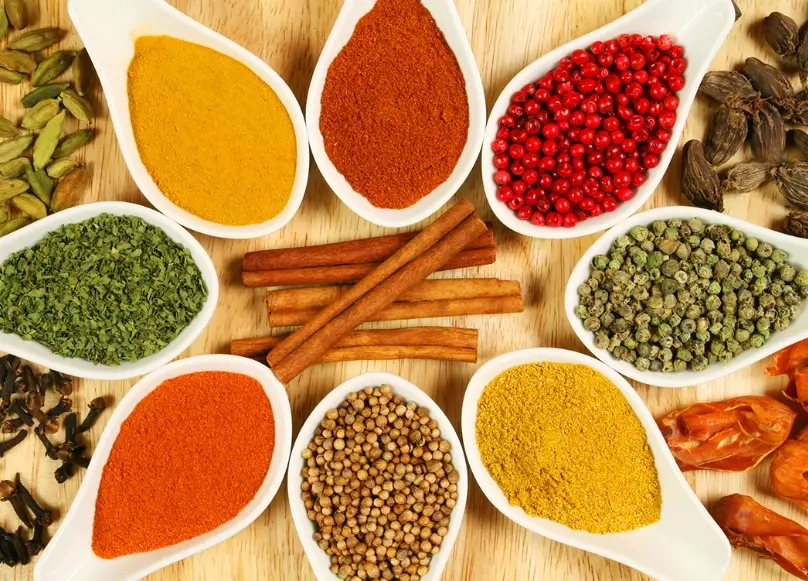
The Flavor Builders: 10 More to Expand Your Range
Once you have the basics, these spices add specific, unmistakable characters. They're what move your cooking from "good" to "authentic."
Fenugreek Seeds (Methi): Bitter, maple-syrup like aroma. Used sparingly in pickles, sambar powder, and some vegetable dishes. Toasting reduces bitterness. Fenugreek leaves (kasuri methi) are dried and crumbled into butter chicken-style curries.
Fennel Seeds (Saunf): Sweet, licorice-like. Often chewed as a digestive after meals. Used in some Kashmiri and Gujarati curries, and in certain biryani masalas.
Nigella Seeds (Kalonji): Oniony, oregano-like, slightly bitter. Sprinkled on naan breads, in some Bengali spice mixes (panch phoron), and pickles.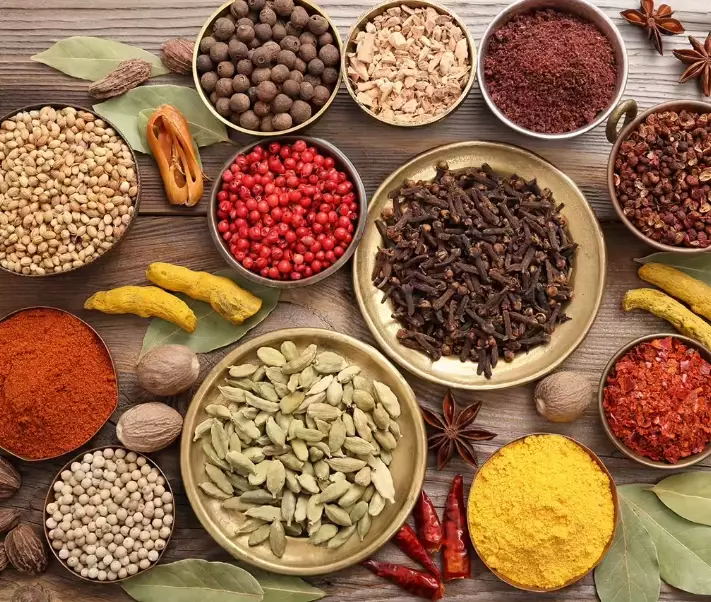
Carom Seeds (Ajwain): Thyme-like, pungent, dominant flavor. Aids digestion. Used in fried snacks (pakoras, parathas) and in some lentil preparations.
Curry Leaves (Kadi Patta): Not a spice, but essential. Aromatic, citrusy fragrance. Must be fried in oil to release flavor. The soul of South Indian cooking—sambar, rasam, chutneys.
Black Cardamom (Badi Elaichi): Smoky, camphorous, larger than green cardamom. Used in robust dishes like meat curries and biryanis for a deep, smoky base note. Don't confuse it with the green one.
Bay Leaf (Tej Patta): The Indian bay leaf is different from the Mediterranean one—more cinnamon-like. Used in rice, biryanis, and meat dishes.
Mace (Javitri) & Nutmeg (Jaiphal): Mace is the lacy covering of the nutmeg seed. Both have warm, sweet flavors. Used sparingly in rich Mughlai dishes, desserts, and some garam masalas.
Dry Mango Powder (Amchur): Tangy, sour. Used as a souring agent in dry vegetable dishes (sabzis), chaats, and marinades. A great alternative to lemon if you want dry tang.
Pomegranate Seeds, dried (Anardana): Tart and tangy. Ground and used in North Indian curries and chutneys (like for kebabs).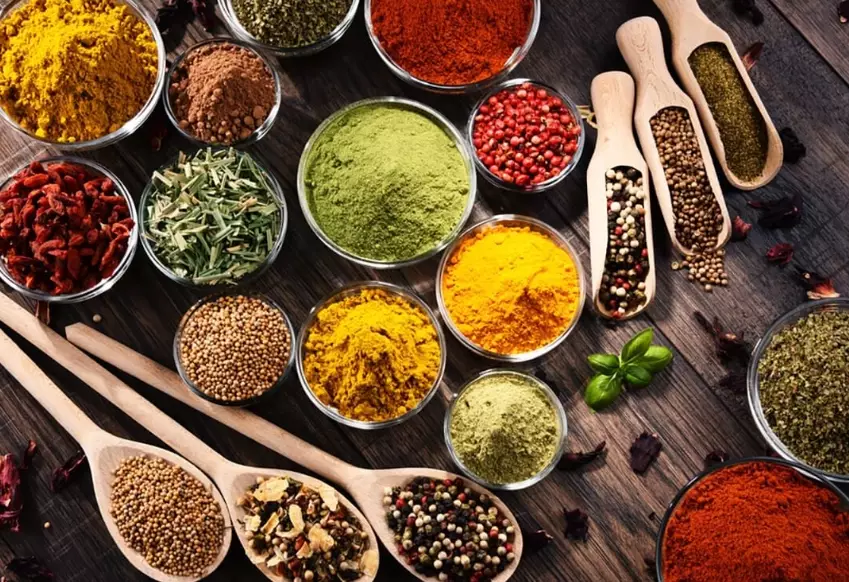
The Secret Weapons & Specialists (10 More)
These are for specific jobs. You might not use them daily, but they solve particular problems.
Asafoetida (Hing): The ultimate secret weapon. A resin with a pungent, sulfurous smell raw that transforms into a savory, garlic-onion flavor when cooked in oil. Used by many who avoid onion and garlic (Jains, some vegetarians). A tiny pinch in dal or sambar is transformative.
Stone Flower (Pathar Phool): A lichen used in some Maharashtrian and South Indian spice blends (like Goda Masala). Adds a subtle, earthy depth.
Dried Ginger Powder (Saunth): Warmer and sharper than fresh ginger. Used in some Garam masalas, tea, and certain desserts.
White Poppy Seeds (Khus Khus): Used ground to thicken and enrich gravies in Bengali and Mughlai cuisine (like kormas).
Screwpine Essence (Kewra Water): Floral, fragrant water used to perfume biryanis, desserts, and drinks. A drop is enough.
Rose Petals, dried: Used in certain biryani masalas and desserts for a subtle floral note.
Licorice Root (Mulethi): Sweet. Used in small quantities in some spice blends for meat dishes to balance heat and add a subtle sweetness.
Tamarind (Imli): The king of souring agents. Provides a complex, fruity tang. Used in sambar, rasam, chutneys, and many South Indian dishes.
Kokum: A dried fruit used as a souring agent in Goan and Konkan cuisine. Gives a lovely pinkish hue and fruity tang to fish curries and sol kadhi.
Black Salt (Kala Namak): Sulfurous, eggy flavor. Crucial for chaat masala and fruit salads. Makes vegan dishes taste "eggy."
The Ready-Made Crew: Essential Spice Blends (10 Blends)
India has a genius for pre-mixing. These blends are time-savers and flavor guarantees.
Garam Masala (already mentioned, but it's the king).
Sambar Powder: A roasted blend of coriander, cumin, fenugreek, lentils, chilies, etc., for the iconic lentil stew.
Rasam Powder: A peppery, tangy blend for the spicy South Indian soup.
Chaat Masala: Tangy, salty, spicy mix with black salt, amchur, cumin. Sprinkled on fruits, salads, snacks.
Pani Puri Masala: The specific blend for the tangy water of the street food pani puri.
Biryani Masala: A complex blend heavier on aromatics like cardamom, cloves, mace, nutmeg, and rose petals.
Pav Bhaji Masala: A buttery, spicy blend for the Mumbai street food favorite, mashed vegetable curry.
Godha Masala (Maharashtrian): A dark, complex blend often containing coconut, sesame, stone flower.
Panch Phoron (Bengali): A whole seed blend of equal parts fenugreek, nigella, cumin, black mustard, fennel. Used whole, not ground.
Vadouvan (French-Indian): A shallot and spice blend, though not traditional, has become popular globally.
That's our 40. Core spices, builders, specialists, and blends.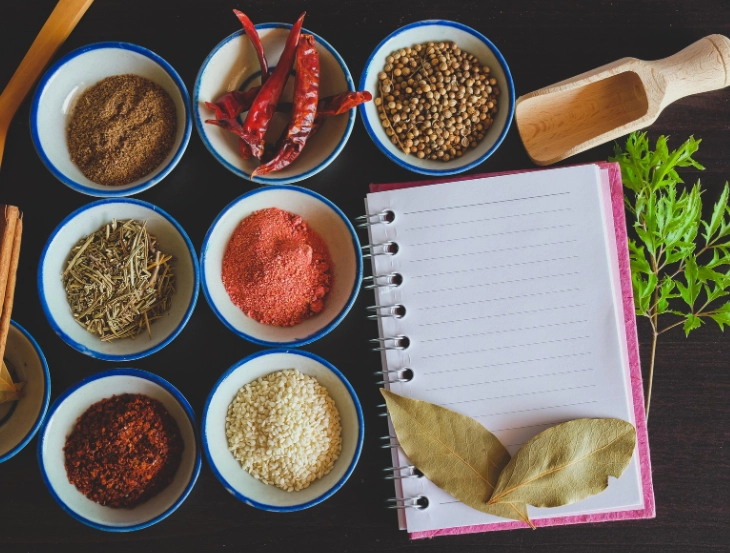
How to Actually Use Indian Spices: Techniques Over Recipes
Knowing the names is step one. Using them right is where the magic happens. Most home cooks outside India get the technique wrong.
Why You Must Toast Whole Spices
Throwing whole cumin or coriander seeds straight into a wet curry is a waste. Dry-toast them in a pan for 30-60 seconds until fragrant, then grind or add to oil. This unlocks volatile oils. The flavor difference is night and day. I learned this the hard way after years of wondering why my food lacked that "restaurant" depth.
The Two-Step Oil Temper (Tadka/Chaunk)
This is the non-negotiable technique. Heat oil or ghee. Add whole spices (mustard, cumin, curry leaves). Let them sizzle and pop for 30 seconds. This infuses the oil. Then add your onions, ginger, etc. That flavored oil coats every ingredient that follows.
When to Add Ground Spices
Ground spices (turmeric, coriander, chili powder) usually go in after aromatics like onions are softened but before adding liquid. Fry them for a minute in the oil. This "cooks out" the raw powder taste and blends the flavors into the base. Adding them to boiling water just makes dusty-tasting gravy.
How to Store Spices to Keep Them Alive
Light, heat, and air are the enemies. Get a set of small, airtight glass jars. Keep them in a cupboard, not on a rack next to the stove. Buy whole spices in smaller quantities and grind as needed. That big bag of cumin from the wholesale store will be flavorless in a year.
Common Questions & Mistakes
Look, navigating 40 spices can seem daunting. But you don't need them all tomorrow. Start with the core five. Master the tadka technique. Learn to toast your spices. The rest will follow naturally. Each spice is a tool, and with this guide, you now have the manual. The real fun begins when you stop following recipes to the letter and start listening to the aroma coming from your pan. That's when you're not just cooking Indian food—you're understanding it.
Discussion