Let's be real. The idea of cooking a healthy, satisfying Indian meal from scratch every single night? It's a beautiful dream that usually crashes into the reality of a long workday, a pile of chores, and sheer exhaustion. You end up ordering takeout or nibbling on crackers, feeling like you've failed your health goals before the week even starts.
I've been there. For years, my Sunday evenings were filled with culinary anxiety. Then I discovered the magic of Indian vegetarian meal prep. It wasn't just about saving time—it transformed how I ate. Suddenly, a creamy spinach dal or a hearty chana masala was just a microwave minute away, not a 90-minute kitchen marathon. The flavors, contrary to what I feared, often got better after a day or two.
This guide isn't about bland, repetitive containers of steamed broccoli and plain rice. It's about leveraging the inherent meal prep genius of Indian cuisine—dishes built on legumes, vegetables, and grains that are designed to be made in batches and taste incredible as leftovers. We're going to build a system that works, with specific recipes, a foolproof plan, and answers to all the questions that stopped me when I began.
Your Quick Guide to This Article
Why Indian Food is a Meal Prep Superstar
Think about it. What are the pillars of a classic Indian thali? A lentil dish (dal), a vegetable curry (sabzi), a grain (rice or roti), and often a raita or pickle. Each component is batch-friendly.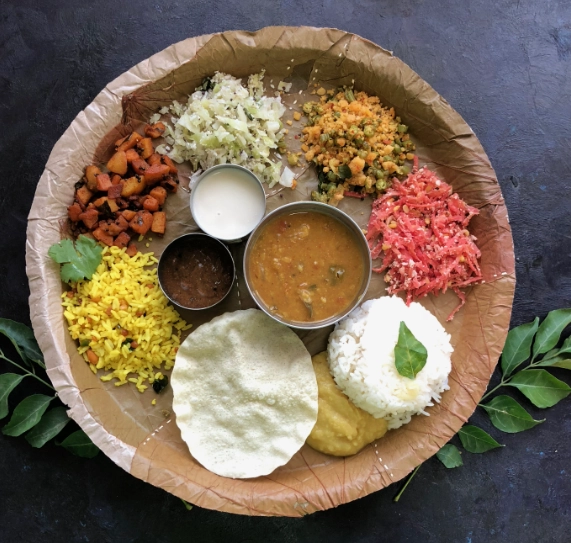
Dals and curries actually benefit from resting. The spices meld, the flavors deepen. A pot of rajma (kidney bean curry) on Monday tastes profoundly richer on Wednesday. The base gravies—onion-tomato masalas—can be pre-made and frozen in ice cube trays, becoming instant flavor bombs for future meals. It's a cuisine built for foresight.
Most beginners make one big mistake: they prep the final, assembled dish. You end up with soggy vegetables sitting in sauce for four days. The pro move? Prep components. Cook your dal and sabzi fully. But keep your grains separate, your fresh herbs/chutneys on the side, and add delicate veggies like fresh spinach or paneer cubes only when reheating. This maintains texture and brightness.
How to Plan Your Indian Vegetarian Meal Prep Week
Don't just dive into cooking. Spend 20 minutes on Saturday with this plan.
Step 1: The Reality Check. Look at your calendar. Which nights are you home late? Those are your “reheat-only” nights. Which night might you have 15 minutes to toss something fresh together? That's your “assembly” night.
Step 2: Pick Your Protein & Veggie Anchors. Choose one or two primary protein sources for the week. My go-tos are a pot of chickpeas (for chana masala or salads) and a pot of red lentils (masoor dal) which cook fast. Then, pick 2-3 hardy vegetables: cauliflower, potatoes, bell peppers, green beans. They hold up best.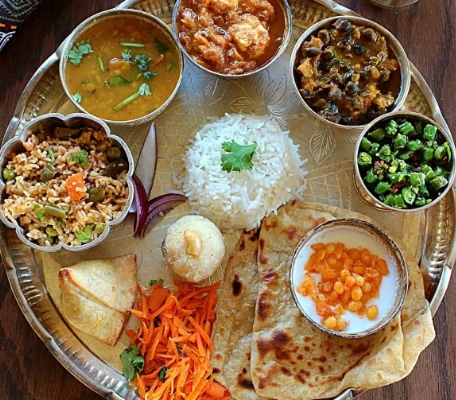
Step 3: Build a Mix-and-Match Grid. Here’s a sample week for one person, easily doubled:
| Day | Lunch | Dinner | Prep Level |
|---|---|---|---|
| Monday | Chana Masala + Brown Rice + side salad | Leftover Chana Masala in a whole-wheat wrap with raita | Full reheat |
| Tuesday | Spinach Dal (Palak Dal) + Quinoa | Dal poured over baked sweet potato | Full reheat |
| Wednesday | Veggie & Paneer Jalfrezi + Rice | Jalfrezi leftovers stuffed into a pita pocket | Reheat main only |
| Thursday | Big salad with spiced chickpeas, cucumber, tomato, mint | Quick potato & pea curry (using pre-made masala base) | Fresh assembly / Quick cook |
| Friday | Free-for-all: mix any remaining dal, rice, veggies | – | Clear the fridge |
See the pattern? Two or three main dishes create four or five distinct meals.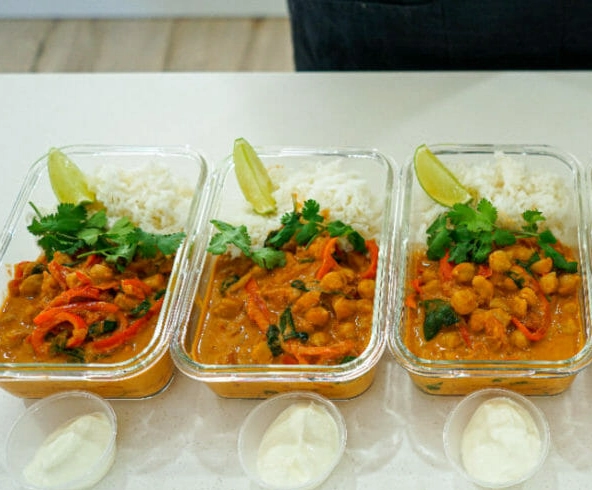
3 Essential Foundation Recipes for Your Prep
These are my workhorses. They're forgiving, nutritious, and reheat like champions.
1. The “Can't-Mess-Up” Red Lentil Dal (Masoor Dal)
Red lentils cook in 20 minutes and don't require soaking. Sauté onions, ginger, garlic. Add turmeric, cumin, coriander. Throw in rinsed lentils and water. Simmer. Finish with a tadka (tempering) of ghee/oil, mustard seeds, and dried red chili. This dal is your protein-packed comfort food. It pairs with rice, bread, or even as a soup.
2. Sheet Pan Tandoori Cauliflower & Chickpeas
Minimal active time, maximum flavor. Toss cauliflower florets and canned (drained) chickpeas in a mix of yogurt, tandoori masala, garlic powder, lemon juice, and a touch of oil. Spread on a parchment-lined sheet. Roast at 425°F (220°C) for 25-30 mins until charred at edges. Use in bowls, wraps, or as a side. The chickpeas get crispy—a fantastic texture contrast.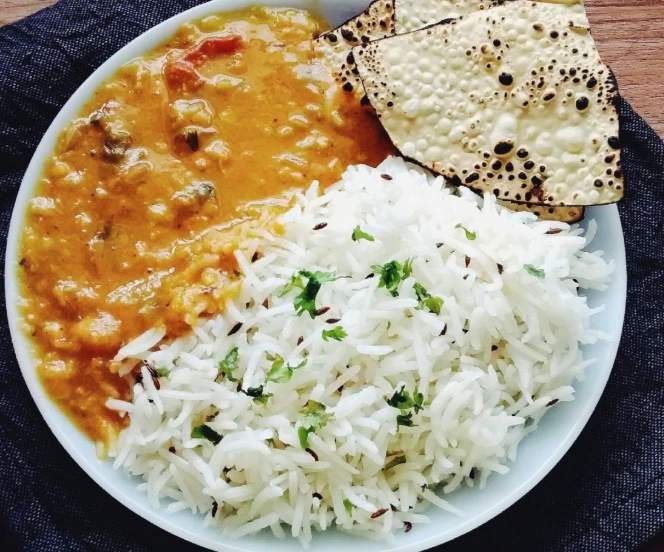
3. Base Gravy (Onion-Tomato Masala)
This is the secret weapon. Cook down a large batch of onions until golden, add ginger-garlic paste, then tomatoes and basic spices (turmeric, coriander, garam masala). Blend until smooth. Freeze this in portions. Need a quick curry? Sauté some veggies, add a portion of this gravy, simmer. Dinner in 15 minutes. The BBC Good Food website has a reliable version if you need a precise recipe to start.
The Assembly & Storage Playbook: Keeping Food Fresh
Storage is where meal prep wins or loses. Follow this hierarchy:
- Most Durable (Lasts 4-5 days): Cooked legumes (dal, chickpea curry), cooked grains (rice, quinoa), base gravies.
- Moderately Durable (Lasts 3-4 days): Hearty vegetable curries (potato, cauliflower, green beans).
- Add Fresh When Serving: Fresh cilantro, diced onions, lemon wedges, yogurt/raita, avocado.
Container Strategy: I use a mix. Large glass containers for bulk dal and rice. Then, smaller compartmentalized containers for assembled lunches. Let everything cool completely before sealing and refrigerating. Never put a hot pot directly in the fridge.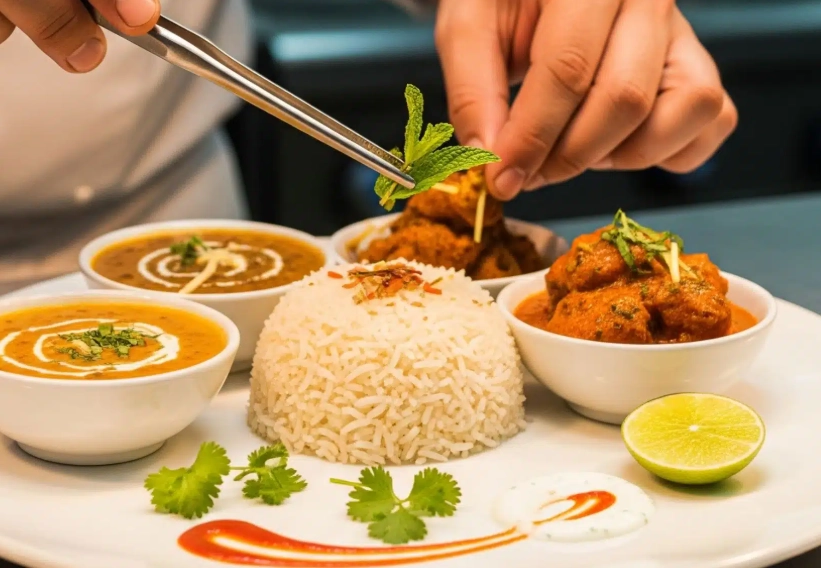
A note on rice: The fear of Bacillus cereus is real. Spread cooked rice on a tray to cool it rapidly within an hour. Store it cold, and always reheat it until it's piping hot all the way through. Personally, I prefer prepping quinoa or millet for a change and often find they keep better.
Doing It on a Budget: Smart Shopping & Swaps
Indian vegetarian meal prep is inherently budget-friendly. The core ingredients are cheap: lentils, beans, rice, seasonal vegetables, flour.
Here’s where to focus:
- Buy Dry: A bag of dry chickpeas is a fraction of the cost of canned. Soak them overnight, then cook a big batch in a pressure cooker or slow cooker. Portion and freeze what you won't use in 4 days.
- Spice Smart: Don't buy those expensive little jars. Find an Indian grocery store or an online retailer and buy whole spices (cumin seeds, coriander seeds) and basic ground spices (turmeric, red chili powder) in bulk. They last forever.
- Embrace the Humble Potato & Cabbage: They're cheap, filling, and make amazing curries (Aloo Gobi, Cabbage Thoran).
- Skip the Paneer (Sometimes): Paneer can be pricey. For a protein boost, use extra firm tofu, pan-fried until golden, or simply double up on the lentils and chickpeas.
My weekly veggie haul for two people rarely exceeds $25, and that forms the bulk of 10+ meals.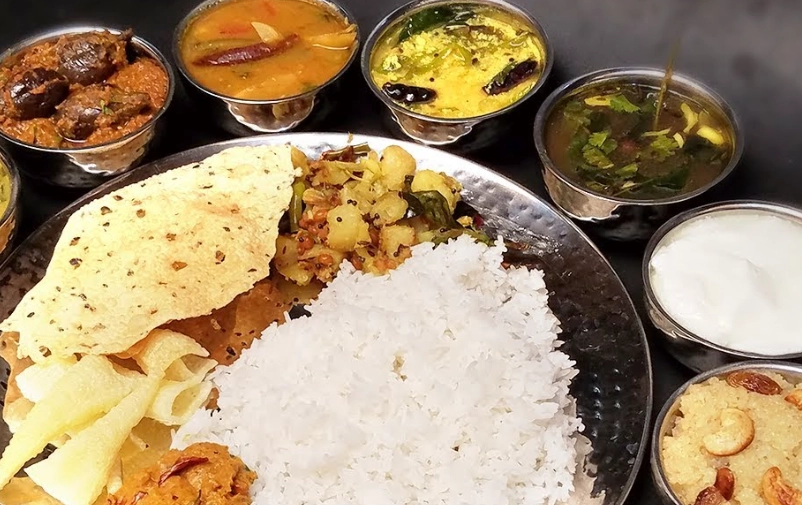
Your Indian Meal Prep Questions, Answered
How do I keep my prepped Indian food from getting soggy or the rice from drying out?
Can I freeze Indian curries and dals?
I get bored easily. How can I make my prepped food taste different each day?
What's the one tool that makes Indian meal prep easier?
The goal isn't perfection. It's progress. Maybe this week you just prep a big pot of dal and some rice. Next week, you add a roasted veggie. You'll find your rhythm. The time you get back, the money you save, and the peace of mind knowing a healthy meal is ready—that's the real spice of life.
Discussion