That first bite of creamy Butter Chicken in a restaurant, the fragrant steam from a pot of Biryani, the perfect char on a piece of Tandoori Chicken—it feels like magic you can't recreate. I spent years thinking the same thing. Then I worked in a kitchen. The secret isn't some mythical ingredient locked away. It's a handful of techniques and a shift in approach. You can absolutely make Indian restaurant recipes at home that taste, well, like they came from a restaurant. Let's break down exactly how.
What's Inside This Guide?
The "Secret Sauce": Why Restaurant Food Tastes Different
It's not just more butter and cream (though they help). The difference lies in process and layering.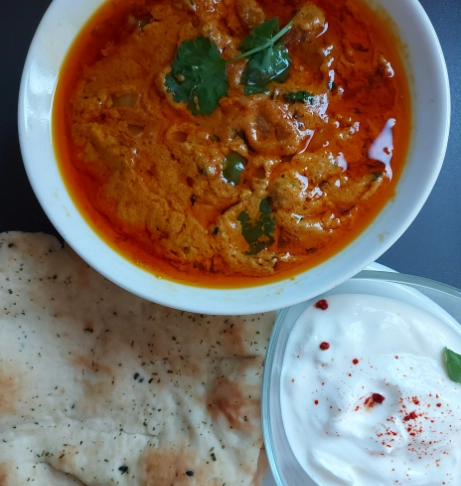
Layering Whole Spices: Restaurants don't just dump garam masala powder in at the end. They start by tempering whole spices—cumin seeds, cardamom, cloves—in hot oil or ghee. This "blooms" their oils, releasing a deeper, more aromatic base note that infuses the entire dish. You taste the spice, not just feel its heat.
The Foundation of "Bhuna": This is the non-negotiable step. It means frying and reducing the onion-tomato-ginger-garlic paste until it thickens, darkens, and the oil starts to separate around the edges. This can take 20-30 minutes of patient stirring over medium-low heat. This concentration is where the rich, deep flavor of restaurant gravies comes from. Rushing this step gives you a raw, acidic, and watery curry.
Specialized Ingredients (That Are Easy to Get): Kasuri methi (dried fenugreek leaves) crushed between your palms adds a distinctive savory-bitter note to butter chicken and palak paneer. Chaat masala, with its tangy amchoor (mango powder), is the finishing sprinkle that wakes up flavors. And for that vibrant red color in tandoori items? It's often a combination of Kashmiri red chili powder (mild, colorful) and a touch of red food color—no shame in it, that's the authentic technique.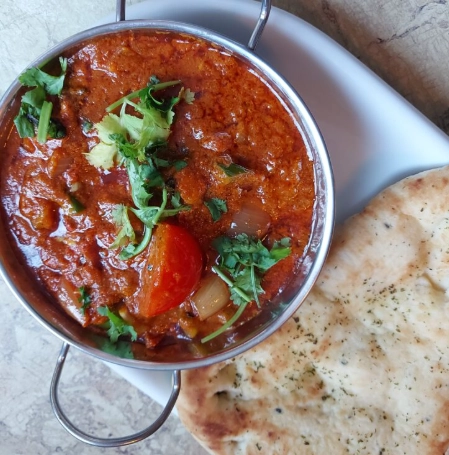
5 Restaurant Recipes You Must Master (With Steps)
Let's get practical. Here are the dishes that will make you feel like a pro.
1. Restaurant-Style Butter Chicken (Murgh Makhani)
The king of Indian restaurant menus. The goal is a silky, tomato-based gravy with tender chicken and a balanced sweet-tangy-creamy profile.
The Twist Most Recipes Miss: The chicken isn't just boiled or sautéed. It's marinated in yogurt and spices, then traditionally cooked in a tandoor. At home, broil it on high on a wire rack until slightly charred. This adds a smoky depth that simmers into the gravy.
Key Steps:
- Marinate & Char: Marinate chicken thighs in yogurt, Kashmiri chili, turmeric, ginger-garlic paste, and oil for 2+ hours. Broil for 10-12 mins until edges char.
- The Gravy Base: Sauté whole spices, then blend a sauce of soaked cashews, tomatoes, and sautéed onions until silk-smooth.
- Simmer & Finish: Cook the smooth sauce until oil separates. Add broiled chicken, kasuri methi, cream, and a final knob of butter. Don't boil vigorously after adding dairy.
2. The Perfect Lamb Biryani (Dum Style)
More a technique than a recipe. The magic is in the layering and the sealed-pot steam (dum).
Critical Ratio: 1 cup basmati rice to 1.5 cups water for parboiling. Soak the rice for 30 mins first.
The Process: Cook your marinated lamb curry until 80% done. Parboil the rice with whole spices until it's 70% cooked (grains still firm in the center). In a heavy pot, layer: curry, rice, fried onions, mint, saffron milk. Seal the lid with dough or a tight-fitting lid wrapped in a cloth. Cook on the lowest possible heat (dum) for 25 minutes. Let it rest for 15 mins before opening—this is torture, but essential.
3. Creamy, Dreamy Dal Makhani
This isn't your average lentil soup. It's black lentils (urad dal) and kidney beans simmered for hours.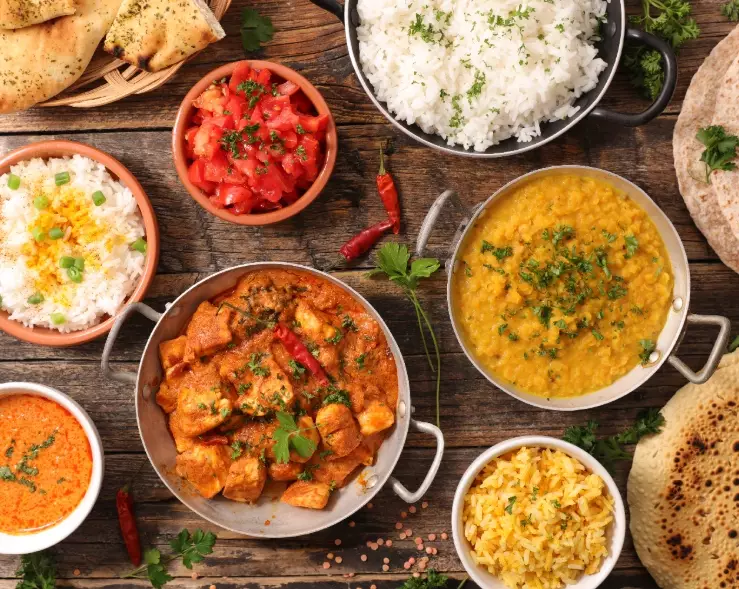
The Time Shortcut (That Works): Use a pressure cooker for the initial cooking of the lentils until completely soft. Then, the key is to simmer that cooked dal for at least another 45 minutes on the stovetop, stirring occasionally, to develop the creamy texture. Mash some against the pot wall to thicken it.
The Flavor Bomb: Finish with a "tadka" of butter, cumin, ginger, garlic, and a big pinch of garam masala poured sizzling over the top.
| Recipe | Core Restaurant Technique | Home Kitchen Hack |
|---|---|---|
| Butter Chicken | Tandoor-cooking the marinated chicken. | Broil on high to get char and smokiness. |
| Lamb Biryani | Sealing the pot with dough for "dum" cooking. | Use a tight lid wrapped in a damp kitchen cloth. |
| Dal Makhani | Overnight slow cooking on coal embers. | Pressure cook, then long simmer + finish with cream & butter tadka. |
| Palak Paneer | Blanching & shocking spinach to retain bright green color. | Blanch spinach in boiling water for 60 seconds, then plunge into ice water. |
| Garlic Naan | Cooking in a 900°F+ tandoor oven. | Use a preheated pizza stone or cast-iron skillet on your oven's highest broil setting. |
4. Bright Green Palak Paneer
The enemy here is a dull, army-green, mushy spinach curry. The restaurant version is vibrant and has body.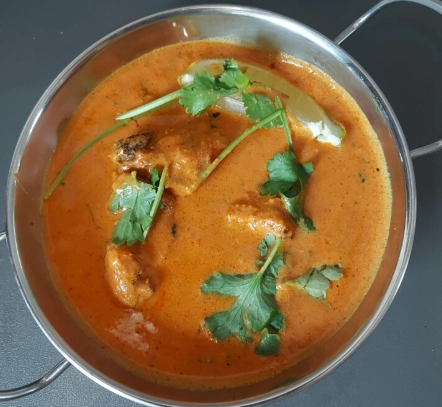
The Color Trick: Blanch the spinach leaves in boiling water for just one minute, then immediately transfer them to ice water. This stops the cooking and locks in the bright green color. Blend it to a smooth puree—no water added.
Paneer Prep: Lightly fry the paneer cubes until golden. Soak them in warm salted water for 10 minutes after frying. This keeps them soft and spongy, absorbing the gravy instead of turning rubbery.
5. Soft, Blistered Garlic Naan
Forget the dry, tough naan from some supermarket packets.
The Dough Secret: Use yogurt and a bit of baking powder in your flour-yeast dough. The yogurt adds tenderness and slight tang, the baking powder gives an extra lift. Let it rise until doubled.
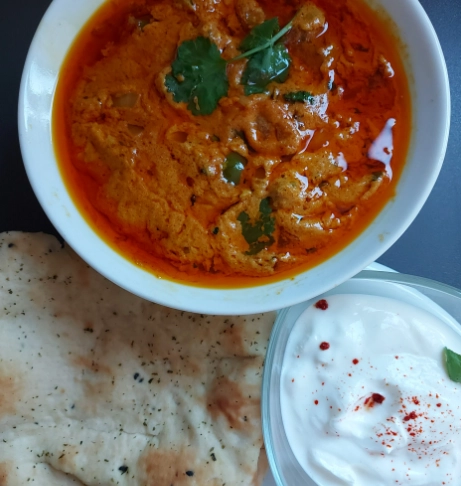
The Cooking Method: A home oven's broiler with a preheated pizza stone or inverted cast-iron skillet is your best friend. Stretch the dough, brush one side with water, and slap the wet side onto the scorching hot stone. The water creates instant steam, causing bubbles and char in under 2 minutes.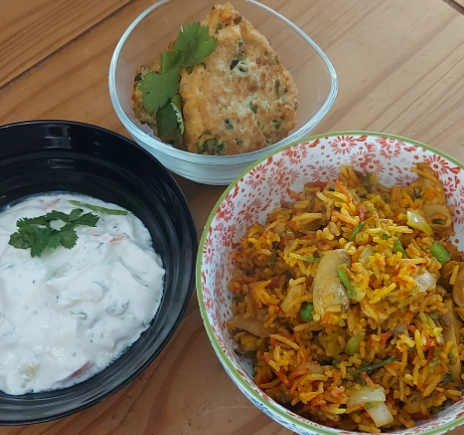
Your Essential Home Kitchen Toolkit
You don't need a tandoor. These tools get you 95% there.
- A Heavy-Bottomed Pot/Dutch Oven: For even heat during the critical "bhuna" stage and for Biryani dum cooking.
- Spice Grinder or Mortar & Pestle: For grinding small batches of whole toasted spices. Fresh garam masala is a game-changer.
- Immersion Blender: For silky-smooth gravies right in the pot. Easier than transferring hot mixtures to a blender.
- Wire Rack & Baking Sheet: For broiling marinated chicken and meats to get that tandoori char.
- Pizza Stone or Cast Iron Skillet: Your faux-tandoor for naan and roti.
Discussion