Quick Guide
Let's be honest. The thought of making Indian street food recipes at home can be a bit intimidating. You remember that incredible Pani Puri you had from a vendor in Delhi or Mumbai, the explosion of flavors, the crispness of the puri, the tangy-spicy water. Can you really recreate that magic in your kitchen? I used to think it was impossible, reserved for experts with giant pans and secret spice blends passed down for generations.
I was wrong.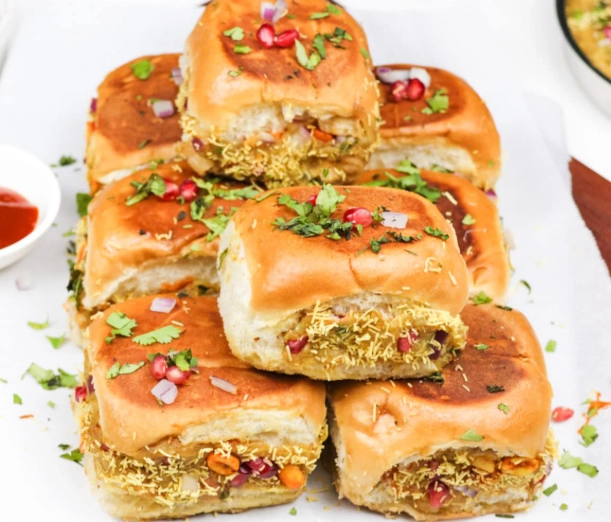
After more tries than I care to admit (including a disastrous first attempt at frying puris that left my kitchen looking like a flour bomb went off), I've learned that the soul of Indian street food isn't about complexity—it's about boldness. It's about not being afraid to mix sweet, sour, spicy, and crunchy all in one bite. And the best part? Most of these iconic dishes are built from a handful of core components you can master. This isn't about fancy restaurant plating; it's about capturing that messy, joyful, finger-licking essence. So, if you've ever craved Chaat on a Tuesday night or wondered if you could make a decent Vada Pav outside of Mumbai, this guide is for you. We're going to break it down, step by step, into something you can actually manage on a regular weeknight.
Why Bother Making Street Food at Home?
You could just order in, right? Sure. But there's something deeply satisfying about building your own Pani Puri station or assembling a plate of Chaat exactly to your taste. You control the heat, the sourness, the amount of sev. It's also, frankly, a lot of fun. It's interactive food, perfect for when you have friends over. More importantly, when you look up Indian street food recipes online, you often find versions that are either oversimplified to the point of being bland or so complicated they require 30 ingredients you'll never use again.
My goal here is to find the middle ground—authentic in flavor, but practical in method. We'll use shortcuts where they make sense (no, you don't always have to make your own yogurt from scratch) and insist on from-scratch where it truly matters (yes, that tamarind chutney is non-negotiable).
The Core Philosophy: Indian street food is about balance (rasa). Every bite should ideally have a bit of sweet (meetha), sour (khatta), salty (namkeen), spicy (teekha), and often a crunchy texture (crunch). Keep this in mind as you cook and taste.
Your Indian Street Food Pantry: The Non-Negotiables
Before we jump into the recipes, let's talk ingredients. You don't need a massive pantry, but a few key items will open up a world of possibilities. Most are shelf-stable or easily found in well-stocked supermarkets or online.
The Spice Cabinet Heroes
Cumin seeds, coriander seeds, black mustard seeds, asafoetida (hing), dried red chilies, chaat masala, amchur (dried mango powder), and kashmiri red chili powder (for color, not brutal heat). Chaat masala is the superstar here—it's a tangy, salty, spicy blend that defines the flavor of many street snacks. MDH or Everest are reliable brands you can find online.
Sauces & Pastes
Tamarind concentrate or pulp (the pure stuff, not the sweetened sauce), good quality yogurt, fresh cilantro, and mint. A ginger-garlic paste in a jar is a perfectly fine time-saver.
The Crunch Factor
Sev (fine gram flour noodles), papdi (small fried flour crisps), and nylon sev (even finer). You can buy these pre-made from Indian grocery stores, and they keep for ages. They're the essential finishing touch for texture.
Got these? Great. You're 80% there for most Indian street food recipes.
Let's Get Cooking: The Recipe Breakdown
Here are three foundational street food dishes. Master these, and you'll understand the techniques and flavors that apply to dozens of others.
Pani Puri (Golgappa) – The Ultimate Interactive Snack
The king of Indian street food. The fear around making this at home is real—the puris, the pani, the filling. But let's tackle it piece by piece.
Pro-tip: For your first try, buy the puri shells. Seriously. Look for "Golgappa Puris" or "Pani Puri Shells" at an Indian store. They come in airtight packets and are perfectly crisp. Frying them at home is a advanced-level project we can save for later. This instantly cuts the difficulty in half.
For the Spicy Water (Hari Pani): This is the heart of the dish. In a blender, combine a large bunch of mint, a large bunch of cilantro (stems are fine), 2-3 green chilies (adjust!), 1 inch ginger, 1 tbsp tamarind paste, 1 tsp cumin seeds, 1 tbsp boondi (optional, for texture), 1 tsp chaat masala, and 1 tsp black salt. Blend with about 3-4 cups of water until smooth. Strain through a fine mesh strainer into a large jug. This is key for a smooth pani. Add more water if needed—it should be strongly flavored, as the puri will dilute it. Chill for at least 2 hours. The flavor develops beautifully overnight.
The Filling: The classic is boiled, mashed potato mixed with boiled chickpeas (kabuli chana), a pinch of red chili powder, salt, and a little chaat masala. Simple.
Assembly: Gently tap a hole in the top of a puri. Add a spoonful of the potato-chickpea filling. Dip the whole thing into the chilled pani, and pop it in your mouth in one go. Expect a mess. Embrace it. This is where the fun is. The search for the perfect homemade pani puri recipe ends with getting the pani right—tangy, spicy, herby, and ice-cold.
Aloo Tikki Chaat – The Spiced Potato Patty Extravaganza
This is one of the most satisfying and approachable easy Indian street food projects. It's a hearty, warm, and incredibly flavorful dish.
The Tikki (Patties): Boil and mash 4 large potatoes. To the mash, add 2 tbsp cornflour (this is the secret to preventing cracks), 1 tsp grated ginger, 1 finely chopped green chili, 2 tbsp chopped cilantro, 1 tsp cumin powder, 1/2 tsp amchur, and salt. Mix well. Form into small, flat patties.
Now, you can shallow fry them in a pan with a generous amount of oil until golden and crisp on both sides. Don't crowd the pan. You can also air-fry them at 200°C for 15-20 mins, brushing with oil. They won't be quite as decadent as the fried version, but still delicious.
The Toppings (This is where Chaat happens): Place a hot tikki on a plate. Immediately top it with a spoonful of sweet tamarind chutney (see recipe below) and a spoonful of green cilantro-mint chutney. Then add a spoonful of whisked, slightly thinned yogurt. Now, the crunch: a handful of sev, a sprinkle of finely chopped onion, and a final dusting of chaat masala and red chili powder.
The combination of the hot, spiced potato patty with the cool yogurt, sweet and tangy chutneys, and the crunchy sev is simply magical. It's a complete meal in itself.
Vada Pav – The Indian Burger
Mumbai's iconic quick bite. It's humble, spicy, and utterly addictive.
The Batata Vada (Spiced Potato Fritter): Make a mashed potato filling similar to the Tikki, but cook it a bit more. Sauté mustard seeds, curry leaves, turmeric, green chilies, and ginger. Add the mashed potatoes and cilantro. Form into lime-sized balls. Dip each ball in a batter made from besan (gram flour), a pinch of turmeric, a pinch of baking soda, salt, and water (the consistency of thick pancake batter). Deep fry until golden brown.
The Pav & Assembly: Use soft dinner rolls or slider buns. Lightly toast the pav on a griddle with a little butter. Spread a generous layer of dry garlic chutney (a mix of dry grated coconut, garlic, red chili powder, and a little oil) on one side. Place the hot vada in the center, optionally smash it a bit, and close the bun. Serve with a fried green chili on the side. It's messy, it's glorious, and it's surprisingly easy to make a batch for a crowd.
The Secret Weapons: Your Chutney Recipes
Chutneys are the paint on the canvas of Indian street food. Making them fresh elevates your dish from good to "where did you buy this?"
| Chutney | Key Ingredients | Flavor Profile | Best Used On |
|---|---|---|---|
| Sweet Tamarind Chutney (Saunth) | Tamarind pulp, jaggery/sugar, dates, cumin, ginger powder. | Sweet, tangy, slightly smoky, complex. | All Chaat, Pani Puri filling, Samosas. |
| Green Chutney (Hari Chutney) | Cilantro, mint, green chili, ginger, lemon juice, yogurt/water. | Fresh, herby, spicy, bright. | Sandwiches, Chaat, as a marinade. |
| Garlic Chutney (Lehsun Chutney) | Dry: Garlic cloves, dried coconut, red chili powder. Wet: Garlic, chili, oil. | Pungent, fiery, intensely savory. | Vada Pav, Dabeli, as a condiment for grilled meats. |
Quick Tamarind Chutney Recipe: Soak a golf-ball sized piece of tamarind pulp in 1 cup hot water for 30 mins. Squeeze and strain to get thick pulp. In a pan, combine the pulp, 1/2 cup jaggery or brown sugar, 1/2 tsp cumin powder, 1/2 tsp ginger powder, a pinch of black salt, and a pinch of red chili powder. Simmer for 10-15 minutes until it coats the back of a spoon. It will thicken as it cools. This keeps for weeks in the fridge.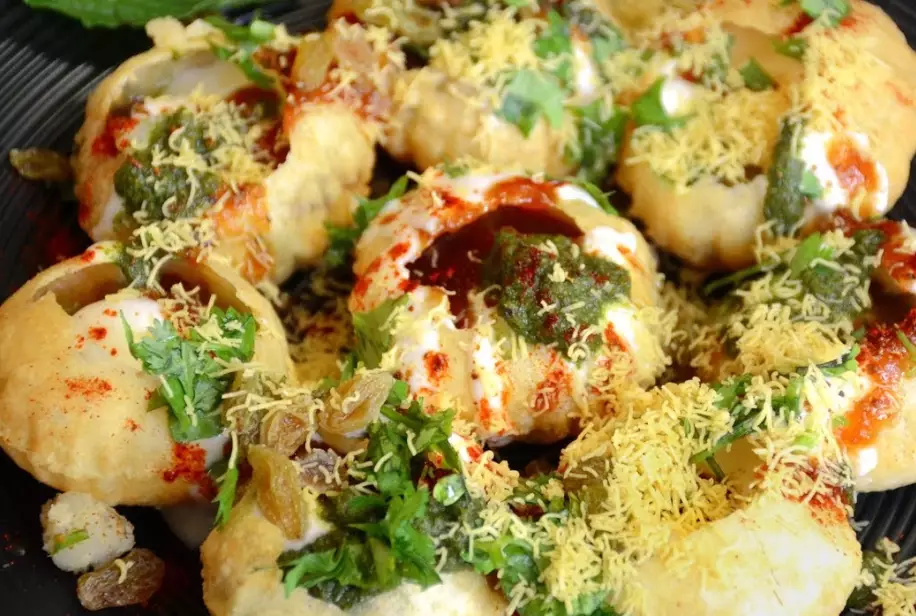
Navigating Common Hurdles & Questions
Let's address the things that usually trip people up. I've been tripped by most of them.
Watch Out: The biggest mistake is undersalting or under-aciding. Street food flavors are bold. Taste your chutneys and pani aggressively. They should almost make you pucker before they get diluted or combined with other elements.
Taking It Further: The Street Food Spectrum
Once you're comfortable, the world is your oyster (or your pakora).
For Chaat Lovers: Try Bhel Puri (a mix of puffed rice, chutneys, and veggies) or Dahi Puri (like Pani Puri, but filled with yogurt and sweeter chutneys).
For Something Hearty: Chole Bhature (spicy chickpeas with deep-fried bread) is a weekend project worth every minute. Pav Bhaji (a spiced vegetable mash with buttered buns) is another crowd-pleaser that's easier than it looks.
My Personal Favorite Deep Cut: Ragda Pattice. It's like Aloo Tikki Chaat, but the tikki is served in a bowl of a thick, peppery white pea curry (ragda). It's the ultimate comfort food on a rainy day. You won't find it on every menu, but searching for these specific Indian street food recipes will lead you to some real gems.
The journey into Indian street food at home is exactly that—a journey. Some attempts will be perfect. Others will be... learning experiences. But the moment you successfully assemble that first plate of Chaat that tastes like a memory, or hear the crack of a puri as you bite into it, you'll be hooked. It brings the chaos, color, and incredible flavor of an Indian street corner right into your kitchen. And really, what's better than that?
Start with the Aloo Tikki. It's forgiving and spectacular. Then maybe tackle the pani. Before you know it, you'll be planning a whole street food feast. Just make sure you have plenty of napkins.
Discussion