Let's be honest. You've probably ordered butter chicken or biryani from your favorite Indian restaurant and thought, "I could never make this." The flavors seem too complex, the process too mysterious. I felt the same way over a decade ago, standing in my first cramped kitchen in Delhi, completely overwhelmed. But here's the truth most recipe blogs won't tell you: traditional North Indian home cooking isn't about chef-level precision. It's about understanding a few core principles and embracing a bit of controlled chaos. This isn't just a list of recipes; it's a roadmap to recreating the soul-warming, aromatic dishes of Punjab, Delhi, and Uttar Pradesh in your own kitchen. We'll move beyond the generic lists and tackle the how and why, covering everything from the non-negotiable spices to the subtle techniques that make all the difference.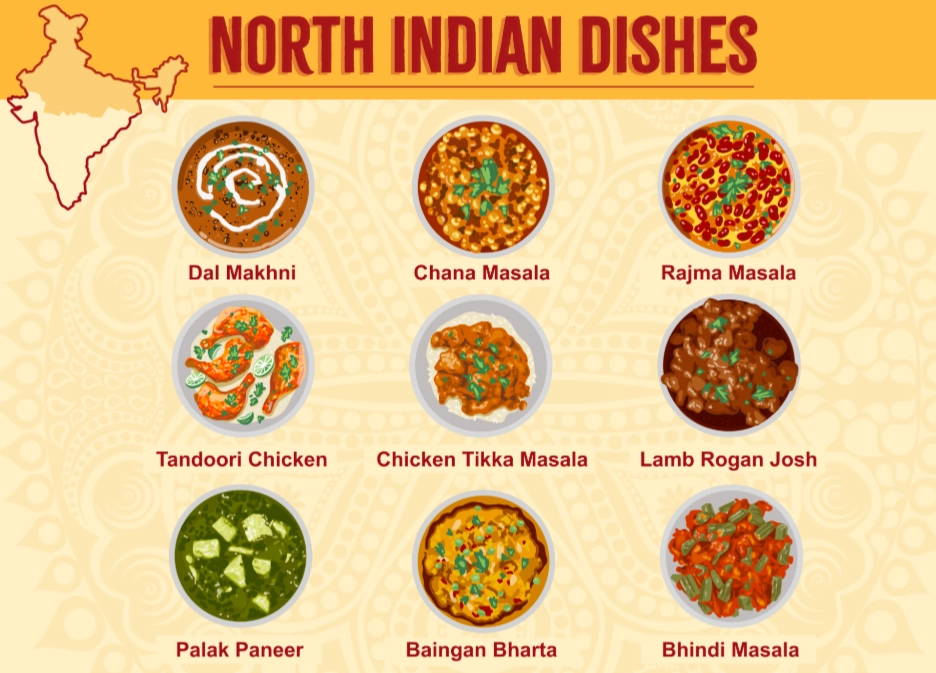
Your Roadmap to North Indian Flavors
The Unshakeable Trinity of North Indian Cuisine
If you want to understand this cuisine, start with three pillars. These dishes represent the heart of the region's food culture, each showcasing a different cooking mastery.
1. Butter Chicken (Murgh Makhani)
The global ambassador. It's not just creamy and tomatoey. Authentic versions balance the tang of tomatoes, the richness of butter and cream, and the subtle warmth of kasuri methi (dried fenugreek leaves). The chicken is first marinated in yogurt and spices (tandoori-style), then added to the gravy. Skipping the yogurt marinade is the first sign of a shortcut recipe.
2. Chicken Tikka Masala
Often confused with Butter Chicken, but its personality is distinct. The gravy is typically richer, often using ground nuts like cashews or almonds for body, and has a brighter, more robust spice profile. The chicken pieces are smaller ("tikka") and the sauce clings to them differently. According to a popular story cited by sources like BBC Good Food, it has debated origins, possibly created in the UK, but is firmly rooted in North Indian techniques.
3. Biryani
This isn't just "spiced rice." It's a layered dish where partially cooked rice and marinated meat are "dum" cooked (steamed on low heat) so the flavors marry. The type of rice (like long-grained Basmati), the precision of spice layers, and the sealing of the pot are crucial. A good biryani has distinct, fluffy grains, not a mushy pile.
Master these three, and you've grasped the fundamentals of gravy-making, marinating, and layered cooking.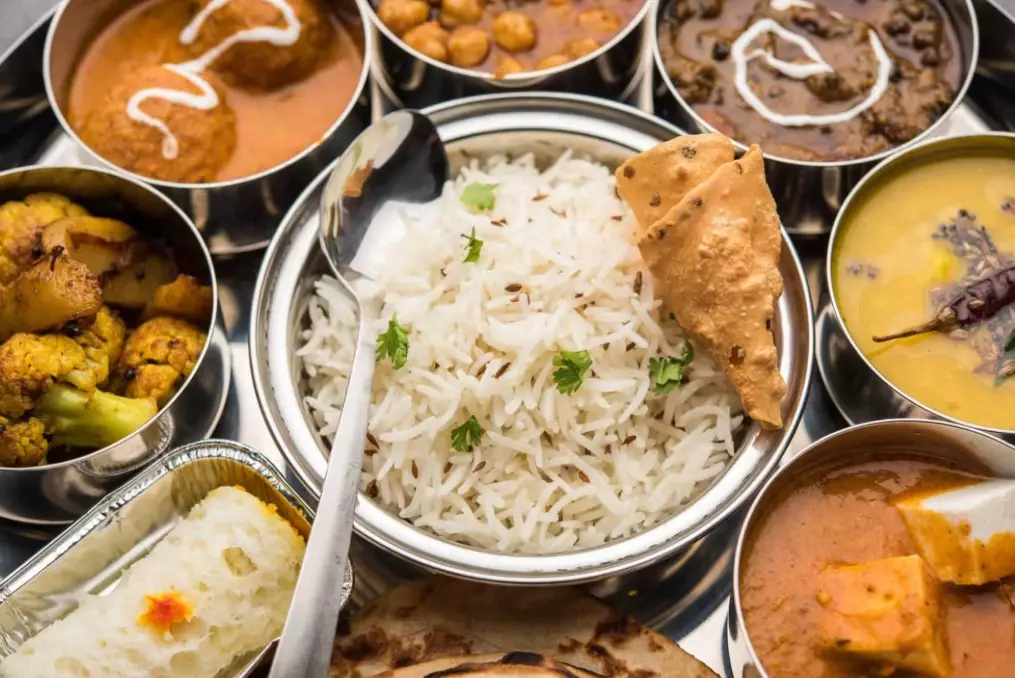
The North Indian Kitchen Philosophy: It's All About the Base
Forget following recipes line by line at first. Understand the foundation. Almost every savory dish starts with building a "masala" base. This isn't just curry powder tossed in. It's a sequence.
The Holy Sequence: Heat oil/ghee → Temper whole spices (cumin, cardamom) → Sauté onions until deeply golden, not just translucent (this takes time, don't rush) → Add ginger-garlic paste and fry until the raw smell disappears → Add powdered spices (turmeric, coriander, red chili) and fry for 30-60 seconds to "bloom" them in the oil.
Only after this base is fragrant and cooked do you add your main ingredient (tomatoes for gravy, meat, vegetables) and any liquid. This foundational step is 80% of the flavor battle.
Building Your Essential North Indian Pantry
You don't need a hundred spices. You need about ten, used correctly. Here’s a breakdown of the must-haves and their roles.
| Spice/Ingredient | Form to Buy | Its Primary Role | A Quick Tip |
|---|---|---|---|
| Cumin (Jeera) | Whole seeds & ground powder | Earthy, warm base note. Used for tempering and in powder blends. | Toast whole seeds lightly in a dry pan before grinding for powder for an incredible aroma. |
| Coriander (Dhania) | Ground powder (seeds) | The backbone spice. Provides a lemony, floral depth and body to gravies. | Buy whole seeds and grind small batches. Pre-ground coriander loses potency fast. |
| Garam Masala | Whole spice blend or powder | A warming "finishing" spice mix (cardamom, cinnamon, cloves, etc.). | Add it at the END of cooking, not the beginning. Cooking it too long turns it bitter. |
| Kasuri Methi | Dried fenugreek leaves | Adds a subtle, bitter-herbal aroma iconic in butter chicken and some curries. | Crush between your palms before adding to release the oils. A little goes a long way. |
| Asafoetida (Hing) | Powder (in a sealed container) | A pungent resin used in tiny amounts, especially in lentil dishes, for digestibility and umami. | Fry a pinch in hot oil for 2 seconds before adding other tempering spices. It mellows beautifully. |
| Ghee | Clarified butter | Traditional cooking fat with a high smoke point and rich, nutty flavor. | Don't substitute with butter for frying the base. Butter burns. Use ghee or a neutral oil. |
Your other non-negotiables: good quality Basmati rice (soak it for 30 minutes before cooking), full-fat plain yogurt (for marinades and raita), and canned whole peeled tomatoes (often more consistent and flavorful than fresh out of season).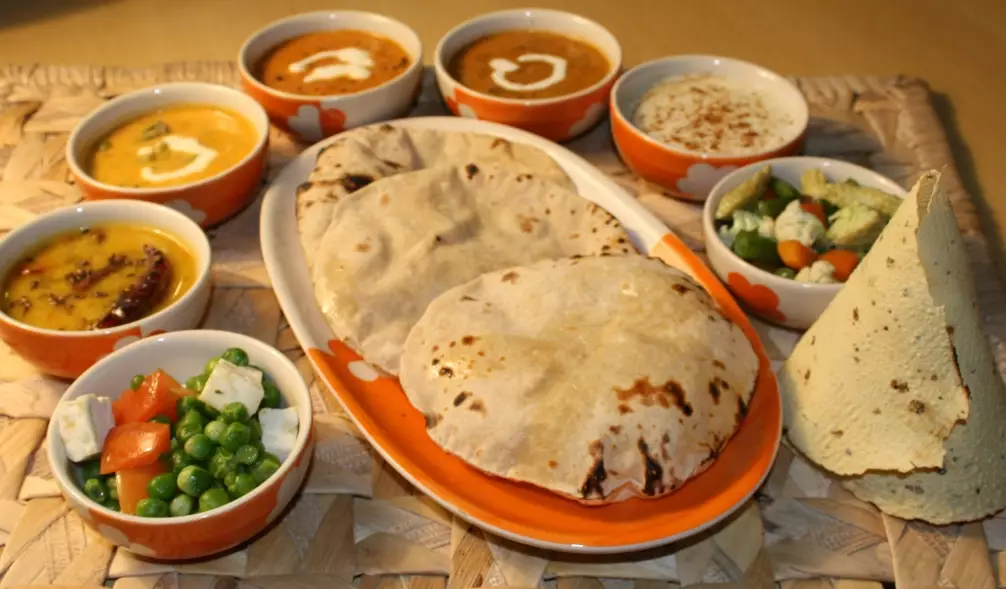
A Deeper Dive: The Real Butter Chicken Recipe
Let's apply everything. Here's a framework, not just a recipe, for butter chicken that focuses on technique.
The Two-Part Process: Marinade and Gravy
Most failures happen by trying to cook raw chicken directly in the sauce. Don't.
Part 1: The Chicken
Cube boneless chicken thighs (thighs stay juicier than breast). Mix with: 1 cup full-fat yogurt, 1 tbsp ginger-garlic paste, 1 tsp Kashmiri red chili powder (for color, not heat), 1 tsp garam masala, 1/2 tsp turmeric, salt. Coat well and marinate at least 2 hours, ideally overnight.
Cook it: You have options. Grill on skewers, broil on a sheet pan, or pan-sear. Get some char. That smoky note is key. Set aside.
Part 2: The Gravy (The Soul)
1. In a heavy pot, heat 2 tbsp ghee/oil. Add 1 tsp cumin seeds, let them sizzle.
2. Add 2 large finely chopped onions. Cook on medium-low, stirring often, for 15-20 minutes until they are a uniform golden-brown. This patience is your secret weapon.
3. Add 1 tbsp ginger-garlic paste. Cook for 2 minutes until fragrant.
4. Add spice powders: 1 tsp turmeric, 2 tsp coriander powder, 1 tsp Kashmiri chili powder. Fry for 45 seconds.
5. Add 1.5 cups pureed canned tomatoes. Cook, stirring, for 8-10 minutes until the oil starts to separate from the masala. You'll see little droplets around the edges.
6. Add 1/4 cup cashew paste (soaked cashews blended with water) for richness. Add 1 cup water. Simmer for 10 minutes.
7. Now, the magic: Blend this gravy base until smooth using an immersion or countertop blender. Return to pot.
8. Add cooked chicken, 1/4 cup heavy cream, 1 tbsp crushed kasuri methi, and 1 tsp sugar to balance acidity. Simmer 5 minutes.
9. Finish with 2 tbsp cold butter and a pinch of garam masala. Stir until butter melts. Serve.
The blending step (7) is what gives that restaurant-smooth texture. The finish with cold butter (9) adds a glossy sheen and richness you can't get any other way.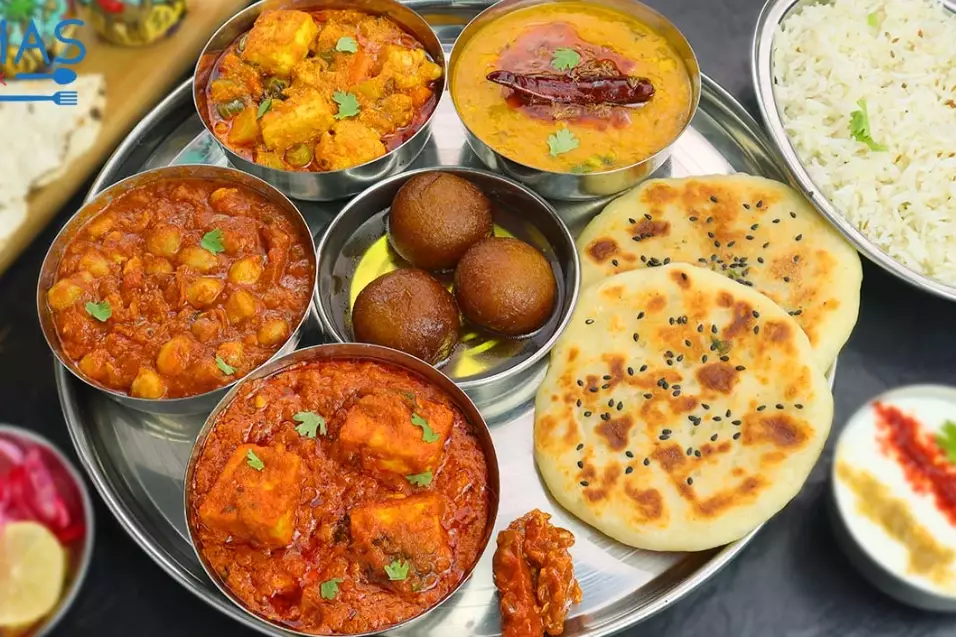
Where Home Cooks Go Wrong (And How to Fix It)
After teaching for years, I see the same patterns.
Mistake 1: Undercooked Onion Base. Pale, translucent onions make a sweet, flat gravy. You need those onions to be a proper golden-brown. It develops deep, caramelized notes that form the gravy's backbone.
Mistake 2: Adding Garam Masala Too Early. It's a blend of delicate spices like cardamom and cinnamon. Tossing it in at the start with turmeric means all its beautiful aroma cooks off. Sprinkle it on at the end, just before serving.
Mistake 3: Using Low-Fat Dairy. In marinades, full-fat yogurt tenderizes. In gravies, cream and butter add body and carry fat-soluble flavors. Low-fat alternatives can split or make the dish taste thin.
Mistake 4: Not "Cooking" the Tomato Puree. Adding tomatoes and immediately adding water or chicken creates a raw, acidic taste. You must fry the tomato paste/masala until the oil separates. This cooks out the rawness and concentrates the flavor.
Your North Indian Cooking Questions, Answered
 My chicken tikka masala gravy tastes gritty, not smooth. How do I fix the texture?
The journey into traditional North Indian recipes is about embracing process over perfection. Start with one dish, master its base, and the rest will follow. It's not about replicating a restaurant plate exactly, but about capturing the spirit of the food—robust, aromatic, and made with care. Your kitchen will smell incredible, and the results, even the slightly imperfect ones, will be deeply satisfying. Now, go heat up some ghee.
Discussion