Let's cut to the chase. That iconic, fiery-red, impossibly juicy tandoori chicken you get at great Indian restaurants doesn't have to stay a restaurant mystery. For years, I thought I needed a clay oven buried in the ground to get it right. I was wrong. The magic isn't just in the tandoor; it's in the process—a process you can absolutely nail at home. This isn't about a quick weeknight fake-out. This is about understanding the why behind each step to create something legitimately spectacular. We're going deep on the authentic Indian tandoori chicken recipe, from selecting the right cut to unlocking that signature smoky flavor without a professional oven.
Your Tandoori Roadmap
What Makes Tandoori Chicken So Special?
It's not just grilled chicken with red food coloring. Authentic tandoori chicken is a product of specific techniques. The high heat of the tandoor (a cylindrical clay oven) sears the marinated meat quickly, locking in the juices from the yogurt-based marinade while imparting a subtle smokiness from the charcoal or wood embers. The charred bits (the "lag" in Hindi) are not a mistake; they're coveted. The marinade, heavy on acid (lemon, yogurt) and spices, works to both flavor and tenderize the meat deeply. Most home cooks rush the marinating time—that's the first big mistake. Less than 6 hours, and you're just seasoning the surface.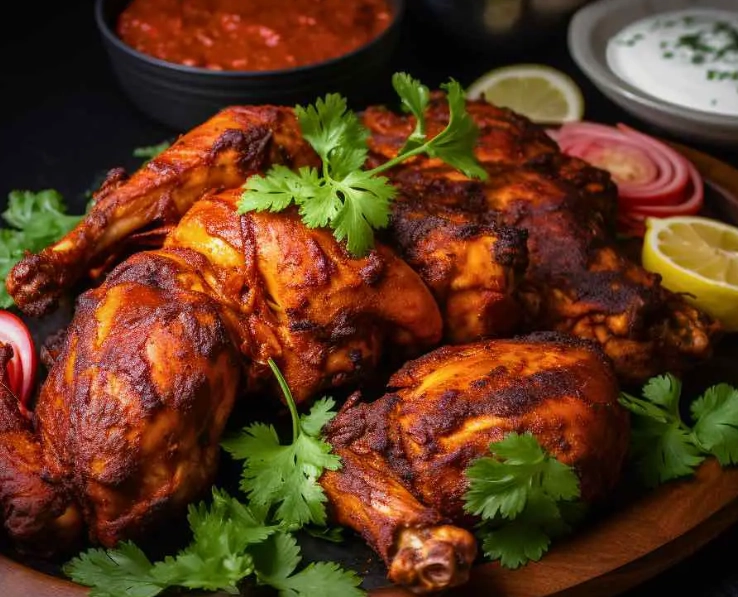
Key Takeaway: The triumvirate of a great tandoori chicken is long marination, high-heat cooking, and a balanced, aromatic spice blend. Miss one, and the result is merely good, not transcendent.
The Non-Negotiable Ingredients List
You can't build a great dish with mediocre parts. Here’s what you need and why each matters.
The Chicken
Bone-in, skinless chicken pieces are mandatory. Thighs and drumsticks are foolproof—they stay juicier. Breasts can work but require more careful timing. The bone conducts heat evenly and adds flavor. The skin is removed because the marinade needs to penetrate the meat directly, and skin would just burn and become leathery under high heat.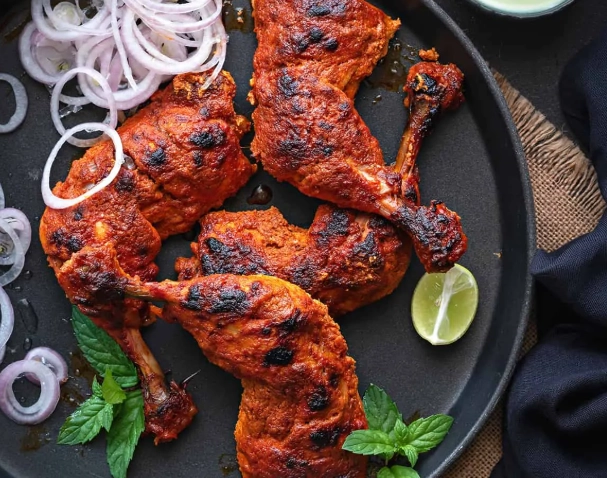
The Marinade Core
- Full-Fat Yogurt: Low-fat yogurt is too watery and acidic. You need the fat and thickness of full-fat Greek yogurt or Indian dahi to coat and cling. It's the tenderizing agent.
- Ginger-Garlic Paste: Freshly made, not from a jar. The jarred stuff often has preservatives that can give a bitter aftertaste when cooked at high temperatures.
- Kashmiri Red Chili Powder: This is the secret to the vibrant red color without artificial dyes. It's mildly spicy but intensely pigmented. If you can't find it, a mix of 3 parts sweet paprika to 1 part cayenne is a decent substitute, but hunt for the real thing at Indian grocers or online.
- Ground Spices: Garam masala, coriander powder, cumin powder, turmeric, and dried fenugreek leaves (kasuri methi)—crushed between your palms to release their oil.
- Acid: Lemon juice and/or a bit of vinegar. This starts the tenderizing process.
- Oil: Mustard oil is traditional and adds a pungent, complex note. If it's too strong for you, use half mustard oil, half neutral oil. Don't skip oil entirely—it helps the spices bloom and the chicken brown.
| Ingredient | Role | Pro Tip / Substitute |
|---|---|---|
| Full-Fat Yogurt | Tenderizer, marinade base, adds tang | Greek yogurt works perfectly. Avoid sour cream. |
| Kashmiri Chili Powder | Color & mild heat | Mix 3 tbsp paprika + 1 tsp cayenne per 1 tbsp needed. |
| Mustard Oil | Authentic flavor, helps browning | To mellow its sharpness, heat it until it just starts to smoke, then cool before using. |
| Kasuri Methi (Dried Fenugreek) | Distinctive savory, slightly bitter aroma | No direct substitute. Omit if unavailable, but it's a key flavor. |
| Ginger-Garlic Paste | Flavor foundation | Use a 1:1 ratio by volume of fresh ginger and garlic, blended with a splash of water. |
The Step-by-Step Tandoori Process
Follow this sequence. Patience is your main ingredient here.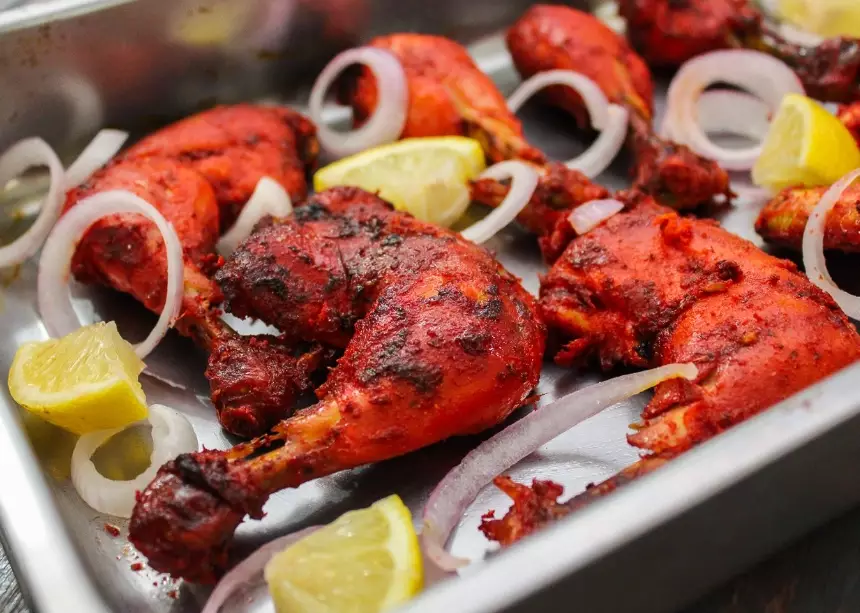
1. Prep the Chicken
Wash and pat the chicken completely dry. Make 2-3 deep slashes down to the bone in each piece. This isn't just for looks; it allows the marinade to reach the interior and helps the chicken cook evenly. The slashes also create more surface area for that delicious char.
2. The First Marinade (The Tenderizer)
This is a step most online recipes skip, and it shows. Mix salt, lemon juice, and a bit of the ginger-garlic paste. Rub this all over the chicken, getting it into the slashes. Let it sit for 20-30 minutes. The salt and acid begin pulling moisture to the surface and opening up the muscle fibers. You'll see water beading up—that's good. Pat it dry again before the main marinade.
3. The Main Marinade (The Flavor Bomb)
In a bowl, mix the yogurt, remaining ginger-garlic paste, all the ground spices, oil, and a squeeze of lemon. The consistency should be like a thick paste. Smear this paste all over the dried chicken pieces, massaging it into every crevice. Place in a covered container or zip-top bag.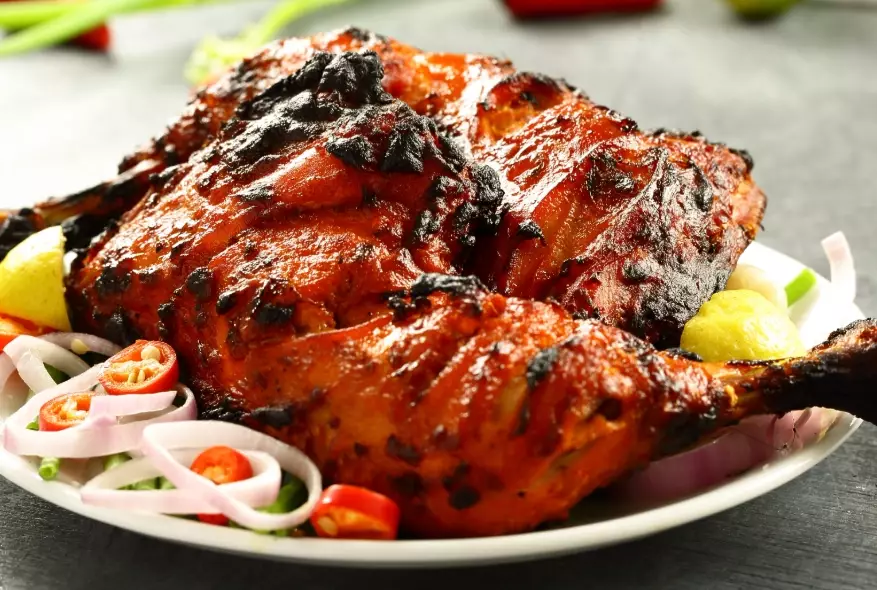
Marination Time: The absolute minimum is 4 hours in the refrigerator. Overnight (8-12 hours) is ideal. 24 hours is perfection. I've gone 36 hours with thighs, and the flavor penetration is unreal. Plan ahead.
4. Bring to Room Temperature & Prep for Cooking
This is critical. Pull the chicken out of the fridge 30-45 minutes before cooking. Cold chicken going onto a hot grill or into a hot oven will seize up and cook unevenly, leaving the center underdone. While it comes to temp, preheat your cooking device (oven, grill, air fryer) to its absolute highest setting.
No Tandoor? No Problem. Cooking Methods Compared
You have options. Each has pros and cons.
| Method | Setup & Temperature | Result & Tips | Smoke Factor |
|---|---|---|---|
| Charcoal/Gas Grill | High direct heat (450°F+/230°C+). Set up for two-zone cooking. | Best home method. Gets you closest to tandoor char. Start over direct heat to sear, finish over indirect to cook through without burning. | High (with charcoal). For extra smoke, add soaked wood chips (like apple or hickory) to the coals. |
| Oven Broiler | Set rack 6 inches from broiler. Preheat broiler for 10+ mins. | Good for convenience. Place chicken on a wire rack over a baking sheet. Flip halfway. Watch closely—it can burn fast. | Low. For a hack, place a small foil pouch of wood chips on the oven floor during preheat (ventilate your kitchen!). |
| Air Fryer | 400°F (200°C). Don't overcrowd the basket. | Surprisingly good for crispiness, but lacks smokiness. Cook in batches. Spritz with oil for better browning. | None. |
| Cast Iron Skillet | Screaming hot pan on the stovetop, then finish in a hot oven. | Great sear, but harder to get even cooking on bone-in pieces. Best for smaller cuts like wings or boneless thighs. | Low. |
My personal go-to is the charcoal grill. The live fire adds an irreplaceable dimension. If using an oven, I finish with a 60-second blast under the broiler with a tiny bit of melted butter or ghee brushed on for that final gloss and char.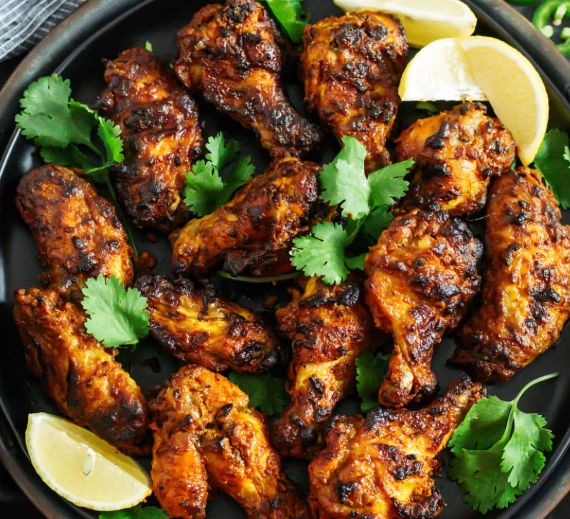
Serving & Pairing: Beyond the Chicken
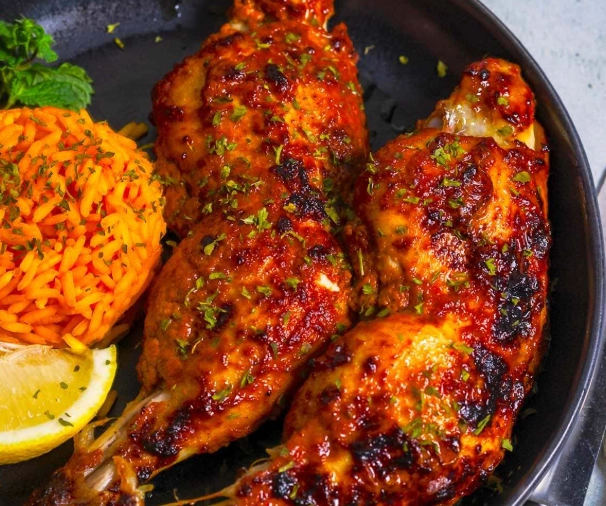
Serve it hot, straight from the heat. Garnish with sliced onions, lemon wedges, and fresh cilantro. The traditional accompaniments are not optional—they complete the experience.
- Mint-Cilantro Chutney: The cool, herbal contrast cuts through the richness.
- Lemon Wedges: A fresh squeeze of acid right before eating brightens everything up.
- Onion Salad: Thinly sliced red onions with a pinch of salt and a dash of chaat masala.
- What to drink: A cold, crisp Indian lager (like Kingfisher), a mango lassi, or even a hoppy IPA works beautifully.
Tandoori Troubleshooting: Your Questions Answered
The journey to perfect tandoori chicken is iterative. Your first batch might be a 7/10. Note what you'd change—more salt? Longer marination? Hotter grill? The next will be an 8.5. That pursuit, that tweaking based on your own taste and equipment, is what makes home cooking so rewarding. You're not just following a recipe; you're mastering a technique. Now, go get that charcoal lit.
Discussion