Indian meal prep? It sounds almost contradictory, right? We picture slow-simmered curies and fresh-made rotis, not something you batch-cook on a Sunday. That's the misconception I want to shatter. After a decade of trying to cook Indian food nightly while holding down a demanding job, I hit a wall. The constant chopping, the spice tempering, the cleanup—it was exhausting. Then I applied meal prep principles to my favorite cuisine, and it changed everything. Now, I eat deeply flavorful, healthy Indian food almost every day, with maybe 20 minutes of active cooking on a weeknight. This isn't about bland, repetitive containers. It's about smartly building layers of flavor that actually improve in the fridge.
Your Quick Guide to Indian Meal Prep Success
Mastering Indian Meal Prep: The Core Philosophy
Western meal prep often focuses on cooking complete meals. Indian meal prep is different. It's about preparing components. Think of it like building blocks: a base gravy, pre-cooked proteins, ready-to-use aromatics, and prepped vegetables. During the week, you assemble these blocks in different combinations. This approach preserves texture and prevents that dreaded "mushy" feel reheated food can get.
The magic lies in the foundational elements. The most powerful one? A master base gravy. This isn't just blended tomatoes and onions. It's a slow-cooked puree of onions, ginger, garlic, tomatoes, and a few key spices that forms the backbone of countless curries (like butter chicken, paneer makhani, or matar). Making a big batch freezes beautifully. A study published by the National Institutes of Health highlights how cooking with ingredients like onions, garlic, and tomatoes—the core of this gravy—can have significant antioxidant benefits, which are preserved well through freezing.
Your Indian Meal Prep Pantry & Toolkit
You don't need a kitchen full of exotic gear. But a few items make a massive difference.
Non-Negotiable Spices (Buy Whole When Possible)
Cumin seeds, coriander seeds, black mustard seeds, turmeric powder, Kashmiri red chili powder (milder and gives great color), and garam masala. Pre-ground spices lose potency fast. Buy whole, toast them lightly in a dry pan for 30 seconds until fragrant, then grind in a cheap coffee grinder dedicated to spices. The flavor difference is night and day.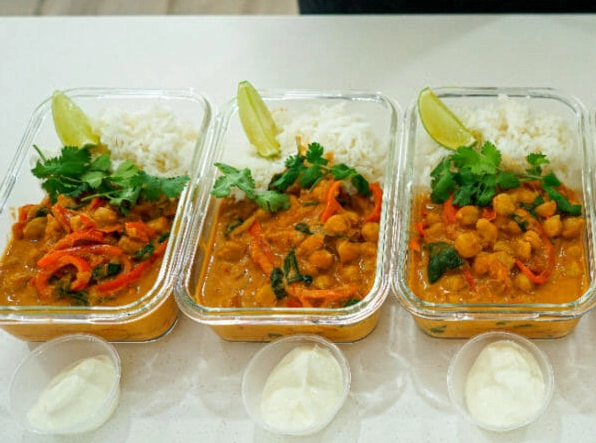
Equipment That Earns Its Counter Space
A pressure cooker or Instant Pot is the undisputed champion for cooking beans, lentils, and tough cuts of meat quickly. A good blender for that base gravy. Several heavy-bottomed pots to prevent burning during long simmers. And don't skimp on storage: get a mix of glass containers (for gravies and curries, as they don't stain) and BPA-free compartmentalized containers to keep components like rice, sabzi (dry veg dish), and raita separate until assembly.
A Practical 7-Day Indian Meal Prep Plan
This plan is built for a household of two, focusing on variety and efficient use of components. It assumes a 2-3 hour prep session on Sunday.
| Day | Lunch | Dinner | Key Prep Components Used |
|---|---|---|---|
| Monday | Chana Masala with Brown Rice | Paneer Tikka Wraps (using pre-marinated paneer) | Pre-cooked chickpeas, Base Gravy, Pre-marinated paneer cubes |
| Tuesday | Leftover Paneer Wrap filling with salad | Dal Tadka with Jeera Rice & roasted Okra | Pre-cooked Toor Dal, Tempered spice mix (tadka) in a small jar, Pre-chopped okra |
| Wednesday | Dal & Rice Bowl | Chicken Curry (or Veg Korma) with Naan | Base Gravy, Pre-cut chicken/veggies, Frozen naan |
| Thursday | Leftover Curry with Rice | Quick Aloo Gobi (Potato Cauliflower) with Roti | Pre-chopped potatoes & cauliflower, Pre-mixed dry spices |
| Friday | "Clean-out-the-fridge" Biryani Bowl | Out or Easy Lentil Soup | Leftover rice, veggies, proteins sautéed with biryani masala |
The goal is flexibility. That base gravy can become butter chicken on Wednesday and a palak paneer (by adding pureed spinach) on Thursday.
Your Sunday Prep Session: A Step-by-Step Walkthrough
Let's make this tangible. Here’s what a focused 2.5-hour Sunday looks like for me.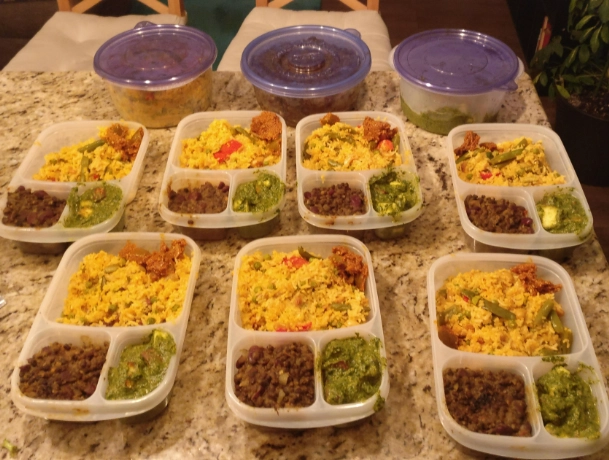
Core Component 1: The All-Purpose Base Gravy (Makes 6-8 servings)
Roughly chop 4 large onions, 3 tomatoes, a 3-inch piece of ginger, and 8 garlic cloves. Sauté in 2 tbsp oil until deeply golden and soft. Add 1 tsp turmeric, 2 tsp coriander powder. Cool, blend until smooth. Divide into two-cup portions for freezing. This is your golden ticket.
Core Component 2: Protein & Pulse Prep
In the Pressure Cooker: Cook 1 cup of chickpeas (soaked overnight) with salt and a tea bag (for dark color) for 15 minutes on high. Quick release. Drain. They should be firm but biteable. Do the same with 1 cup of toor dal (split pigeon peas) with turmeric—cook until soft but not disintegrated.
On the Sheet Pan: Cube a block of paneer (or firm tofu). Toss with 2 tbsp yogurt, 1 tbsp ginger-garlic paste, 1 tbsp Kashmiri chili powder, 1 tsp cumin. Store in a container. It'll marinate perfectly by Tuesday.
Meanwhile... chop your hardy vegetables: potatoes, cauliflower, carrots. Store them in water in the fridge to prevent browning. Cook a large pot of rice. Let it cool completely before portioning—this prevents bacterial growth and keeps grains separate.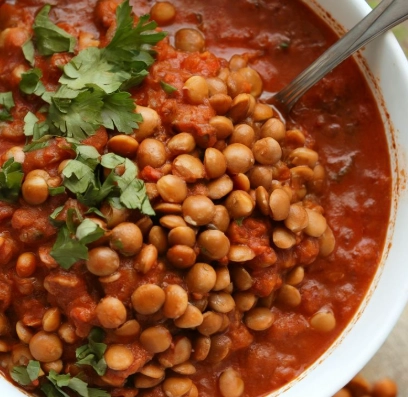
The final 20 minutes? Make a tadka (tempering) for the dal. Heat ghee, add cumin seeds, dried red chilies, asafoetida, and garlic. Pour this over your cooked dal. Now you have a flavor bomb ready to go.
The 3 Biggest Mistakes (And How to Avoid Them)
I've made these so you don't have to.
1. Overcooking Everything on Sunday. You're not making mush. Undercook your veggies and proteins slightly. They'll finish when reheated. Green beans cooked for 5 minutes on Sunday will be perfect on Tuesday; cooked for 10 minutes, they'll be a sad, olive-green mess.
2. Adding Dairy Too Early. Cream, yogurt, or paneer added to a batch that will be reheated multiple times will often curdle or separate. Add these fresh during the final assembly and reheat. Store your base curry without cream, then stir it in when you heat your single portion.
3. Not Labeling and Dating. That frozen gravy? Was it from two weeks ago or two months? Use masking tape and a marker. First In, First Out (FIFO) is a restaurant principle for a reason. According to food safety guidelines from sources like FoodSafety.gov, cooked dishes with gravy are best consumed within 3-4 days when refrigerated, but can last 2-3 months frozen if stored properly.
Discussion