Let's be honest. The idea of cooking Indian food often comes with a mental image of simmering pots, a mountain of spices, and hours in the kitchen. I used to think that too. Then I lived in a shared apartment with a Gujarati roommate who'd whip up a complete thali—dal, sabzi, roti—in the time it took me to decide what to order. That's when I realized quick Indian vegetarian recipes aren't a compromise; they're a smart, efficient way to eat incredibly well.
The secret isn't magic. It's about choosing the right dishes, using clever prep, and understanding where you can cut corners without losing the soul of the food. You're not making a slow-cooked Mughlai biryani on a Tuesday night. You're making a vibrant, satisfying meal that gets you in and out of the kitchen fast.
What's Cooking Today?
How to Make Indian Cooking Faster (Without Jarred Sauce)
Forget those generic "use pre-cut veggies" tips. The real speed in Indian cooking comes from technique and choice.
Choose fast-cooking protagonists. Not all vegetables and legumes are created equal. Paneer needs no cooking, just warming through. Spinach wilts in minutes. Chickpeas come perfectly cooked from a can. Red lentils (masoor dal) turn to cream in 20 minutes flat. Start here, not with whole dried kidney beans that need an overnight soak.
Master the "One-Pot" and "Two-Pan" dance. Most Indian meals are a dal and a vegetable dish. Instead of tackling them as separate multi-step projects, cook them in parallel. Start your dal simmering. While it's bubbling away, use a second pan or your Instant Pot's sauté function to make your sabzi. The rhythm is efficient.
I learned this the hard way. I'd finish my aloo gobi and then start my dal, ending up eating at 9 PM. Now, the lentils go on first. By the time the potatoes are browned, the dal is halfway done.
Your Quick Indian Pantry: The 10 Essentials
You don't need 50 spices. You need a focused squad. With these, you can make 80% of quick Indian vegetarian recipes.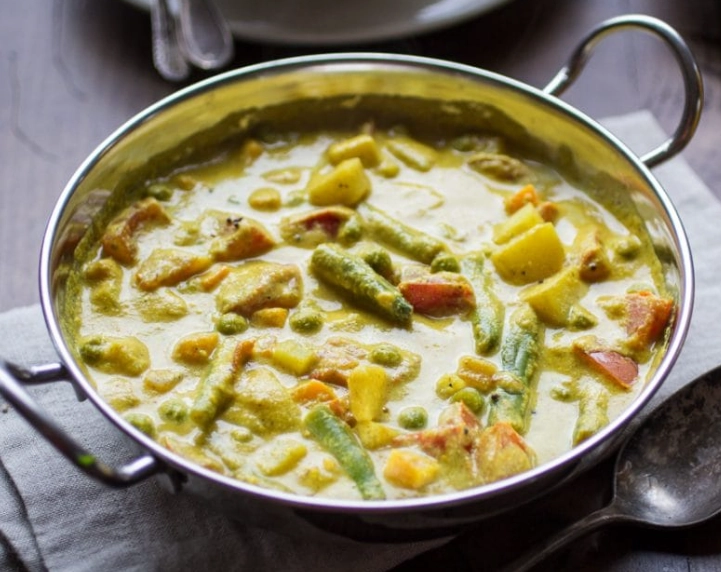
| Ingredient | Why It's a Hero | Quick Recipe Use |
|---|---|---|
| Cumin Seeds (Jeera) | The foundational aroma. Toasted in oil, it's unmistakably Indian. | First thing in the oil for almost every curry and dal. |
| Ground Coriander (Dhania) | Adds body and a citrusy, earthy depth to the gravy. | Used with cumin and turmeric in the base "masala." |
| Turmeric (Haldi) | Color, warmth, and anti-inflammatory goodness. | A teaspoon in nearly everything for that golden hue. |
| Garam Masala | The finishing spice blend (cinnamon, cardamom, cloves). | Sprinkled at the END of cooking for a fragrant lift. |
| Red Chili Powder or Paprika | For heat and color. Kashmiri chili powder is mild and vibrant. | Added with the coriander for the base heat layer. |
| Canned Chickpeas & Tomatoes | Instant protein and the base of your sauce. No chopping. | Chana Masala in 20 minutes. Seriously. |
| Red Lentils (Masoor Dal) | Cook fastest. No soaking. Creamy when cooked. | The ultimate 15-minute comfort food dal. |
| Ginger-Garlic Paste | Fresh flavor without the mincing. Refrigerate after opening. | A tablespoon does the work of 10 minutes of prep. |
| Frozen Peas & Spinach | Zero prep, nutrient-dense, add color and texture. | Toss into any curry last minute for a veggie boost. |
| Raw Cashews | Soak and blend for instant, dairy-free creamy richness. | Secret to a luxurious "restaurant-style" curry sauce. |
See? Not overwhelming. This fits on one shelf. The National Institute of Nutrition in India emphasizes the importance of pulses and legumes in a vegetarian diet—these pantry staples make that access instantaneous.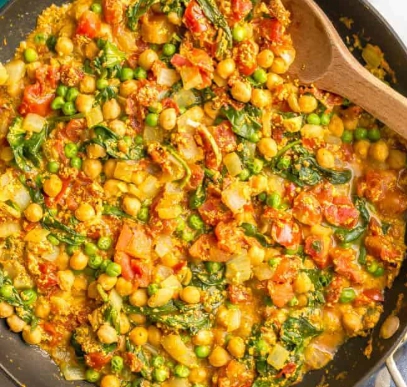
3 Go-To Quick Indian Vegetarian Recipes (Under 30 Min)
These aren't just "inspired by" recipes. They're the real deal, streamlined.
1. 20-Minute Chana Masala
This is the ultimate weeknight warrior. The canned chickpeas are the cheat code.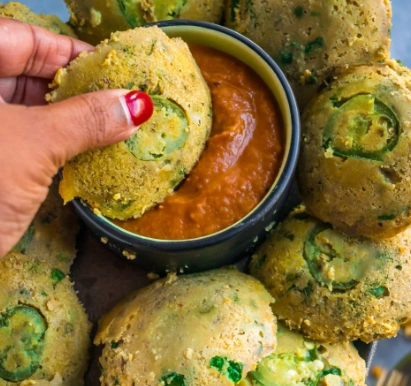
The Game Plan:
Heat oil. Toast cumin seeds. Add diced onion (or even frozen chopped onion). Cook till soft. Stir in ginger-garlic paste, coriander, turmeric, chili powder. Add a can of crushed tomatoes. Simmer for 5 minutes. Add two cans of drained chickpeas, salt, and a cup of water. Simmer 10 minutes. Finish with garam masala and a big squeeze of lemon. Garnish with cilantro if you have it. Done.
Serve with rice or warm roti. The whole process is about building layers in one pot. The simmering time is hands-off, perfect for setting the table or making a quick raita (yogurt with grated cucumber).
2. Speedy Aloo Gobi (Potato & Cauliflower)
Many recipes call for parboiling the potatoes first. Skip that step. The trick is smaller pieces and a covered pan.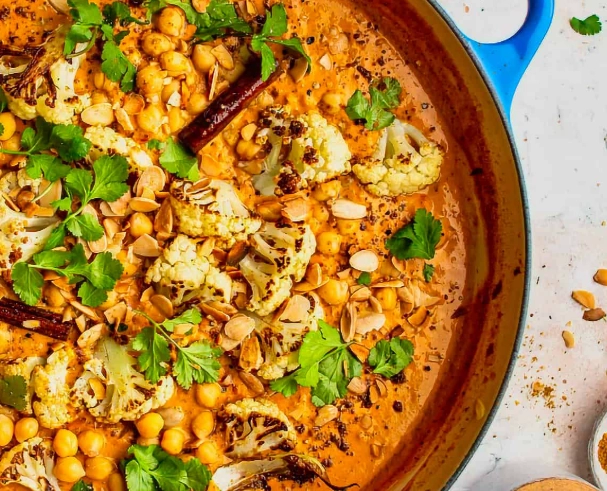
Cut potatoes into ½-inch cubes. Break cauliflower into small florets. In a wide pan with a lid, heat oil. Do your tadka (cumin, maybe mustard seeds). Add potatoes, stir to coat. Cook for 5 minutes. Add cauliflower, turmeric, coriander, salt. Stir. Add a quarter cup of water, cover, and let it cook on medium-low for 12-15 minutes. The steam cooks the veggies through perfectly. Uncover, add peas if you like, raise heat to evaporate any excess water, finish with amchur (dry mango powder) or lemon juice for tang.
The lid does the work. You get tender, flavorful vegetables, not mushy ones.
3. "No-Fuss" Vegetable Pulao in the Instant Pot
If you have an Instant Pot, this is your secret weapon. It's a complete, flavorful meal in one pot, with almost zero active time.
Use the sauté function. Heat ghee or oil. Add whole spices (cumin, cardamom, clove, bay leaf). Add mixed vegetables (frozen works great). Sauté 2 minutes. Add rinsed basmati rice. Stir. Add water (1:1.25 rice to water ratio), salt. Cancel sauté. Close lid, set to high pressure for 6 minutes. Let pressure release naturally for 10 minutes, then open. Fluff with a fork. The rice is perfectly cooked, the veggies tender, and the fragrance fills your kitchen.
It's easier than making boxed pilaf and a thousand times better.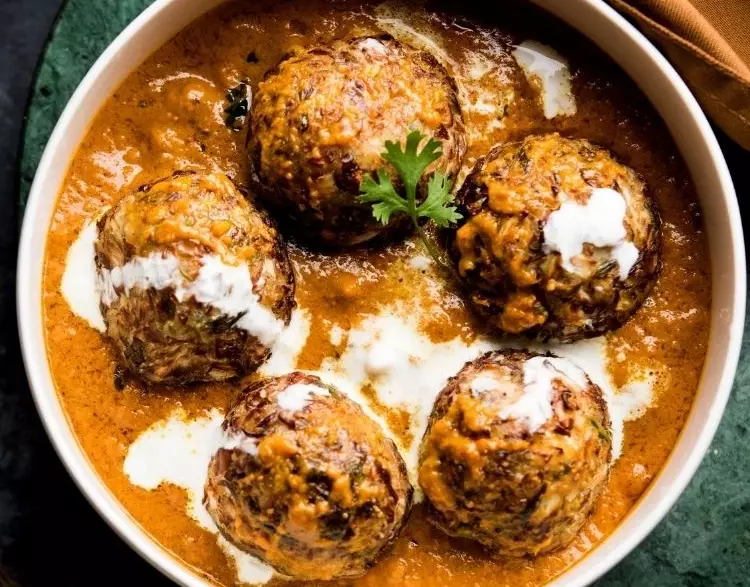
The Biggest Timing Mistake in Quick Indian Cooking
It's not about rushing. It's about sequence.
The most common error I see? Adding ground spices to cold oil or dumping them into a watery sauce. It makes them taste gritty and raw. The flavor never blooms.
Here's the non-negotiable step: Bloom your spices. After you toast your whole seeds (cumin, etc.), add your chopped onion (or ginger-garlic paste) and cook it. Then, when the onions are soft, push them to the side. Add a little more oil to the center of the pan. Add your ground coriander, turmeric, chili powder. Let them sizzle in that hot oil for 30 seconds—you'll smell the aroma change dramatically. *Then* mix everything together and add your tomatoes or liquid.
This 30-second investment transforms the entire dish. It's the difference between a curry that tastes like separate ingredients and one that tastes harmoniously deep.
Another timing tip: Add delicate herbs and garam masala at the very end, off the heat. Their volatile oils are fragile. Heat kills them.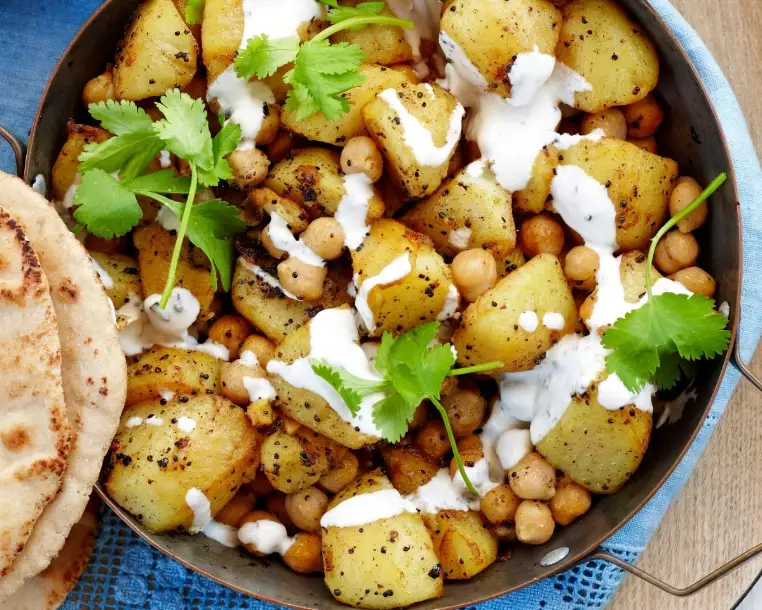
Your Quick Indian Cooking Questions, Answered
The goal of these quick Indian vegetarian recipes isn't to replicate a five-hour Sunday feast. It's to get a genuinely delicious, nourishing, and exciting meal on the table without the stress. It's about making Indian food a regular part of your life, not just a special occasion. Start with one recipe, master the flow, and you'll find yourself reaching for the cumin seeds without a second thought on any busy night.
Discussion