Your Flavor Journey Starts Here
Let's be real. When you think of Indian food, what pops into your head first? For most folks, it's probably a steaming plate of creamy curry or fluffy naan bread. But here's the thing – Indian cuisine is so much more than just "curry." It's a wild, wonderful, and sometimes overwhelming universe of flavors. I remember my first proper encounter with a classic Indian thali. It was a colorful platter with about ten little bowls, each holding something different. I had no idea where to start. Was I supposed to mix them? Eat them separately? It was delicious chaos, and honestly, a bit intimidating.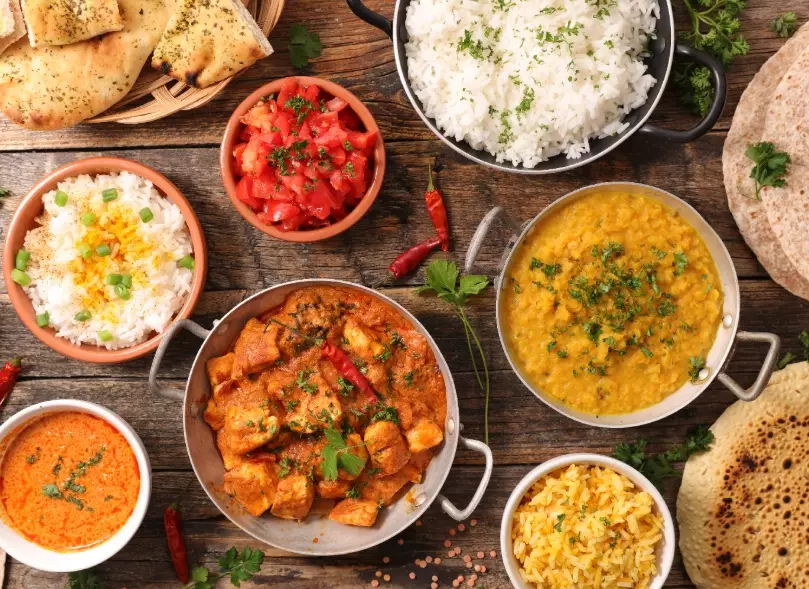
That experience taught me that diving into classic Indian dishes is a journey. It's not just about eating; it's about understanding a culture where food is love, history, and art all simmered together in one pot. Whether you're a newbie trying to figure out what to order for the first time or a home cook brave enough to tackle a biryani, this guide is for you. We're going to cut through the noise and talk about the real icons, the dishes that have earned their legendary status. Forget the watered-down versions you might find in some generic restaurants. We're talking about the authentic soul of India's kitchens.
What Makes a Dish "Classic" Anyway?
This is a question I wrestle with. Is it just age? Popularity? In the context of Indian food, a classic dish usually has a few things going for it. First, it has history. It's been around for generations, sometimes centuries, with stories passed down with the recipe. Second, it has a strong regional identity. You can often trace it back to a specific city or state. And third, it's beloved. It's the dish people crave, the one they cook for celebrations, and the one that defines comfort food for millions.
These aren't trendy fusion creations (though those can be fun too). These are the bedrock. The dishes your Indian friend's grandma makes perfectly every single time. They balance the core elements of Indian cooking—spices, texture, heat, and harmony—in a way that feels timeless.
A Quick Map of Flavors: India's Culinary Regions
You can't talk about classic Indian dishes without a tiny geography lesson. India is huge, and its food changes dramatically every few hundred miles. Think of it like Europe—the food in Italy is nothing like the food in Sweden. Same deal here.
- The North: This is the land of rich, creamy gravies, tandoori meats, and breads like naan and paratha. Dairy (ghee, yogurt, paneer) is a superstar here. Think Butter Chicken, Rogan Josh.
- The South: Get ready for rice, coconut, and tangy flavors. Dishes are often lighter, soupier, and packed with lentils and vegetables. The iconic Dosa and Sambar hail from here.
- The West (including Gujarat & Maharashtra): A mix of sweet, sour, and spicy. Dhokla from Gujarat is a famous steamed snack, while Maharashtra gives us the complex Pav Bhaji.
- The East (Bengal, Odisha): Famous for its love of fish (especially Hilsa), mustard oil, and delicate sweets like Rasgulla. The flavors here are often more subtle and nuanced.
See what I mean? When you order a "classic Indian dish," knowing its region is half the battle in understanding what's on your plate.
The Hall of Fame: Must-Try Classic Indian Dishes, Region by Region
Alright, let's get to the good stuff. Here's a breakdown of the absolute non-negotiables. I've even thrown in a personal take on each, because let's face it, food is subjective.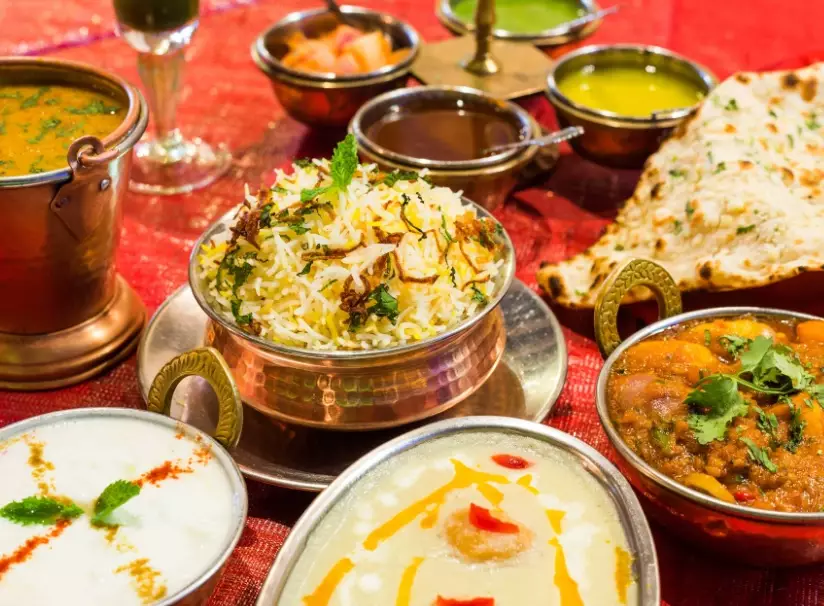
North Indian Classics: The Heavy Hitters
These are the dishes that conquered the world. They're rich, satisfying, and often what people imagine when they think of Indian food.
Butter Chicken (Murgh Makhani) MUST-TRY
Yes, it's obvious. No, you shouldn't skip it. The story goes that it was invented in Delhi by tossing leftover tandoori chicken into a tomato gravy rich with butter and cream. The result? Pure magic. The chicken is smoky, the sauce is velvety and slightly sweet, and it's the perfect partner to a buttery naan. Is it sometimes too rich? Sure. But when done right, it's a masterclass in comfort. My tip: look for places that char the tomatoes properly—it makes all the difference.
Rogan Josh MEDIUM-HIGH HEAT
This Kashmiri lamb curry is a different beast. It's deep red, not from tomatoes, but from Kashmiri chilies which give color more than brutal heat. The flavor is aromatic, with notes of fennel and ginger. The meat is fall-apart tender. It feels more sophisticated than butter chicken, earthy and robust. If you want to taste history, this is it.
Chole Bhature
The ultimate weekend street food feast. Spicy, tangy chickpea curry (chole) paired with giant, deep-fried, fluffy bread (bhature). It's messy, indulgent, and incredibly delicious. It's not fancy, but it's real. The first time I tried it, I could only finish half the bhatura—they're massive! But I still dream about that chickpea gravy.
South Indian Classics: The Masters of Fermentation & Rice
This cuisine is a revelation. It's lighter, often vegetarian, and relies on incredible techniques like fermenting rice and lentils.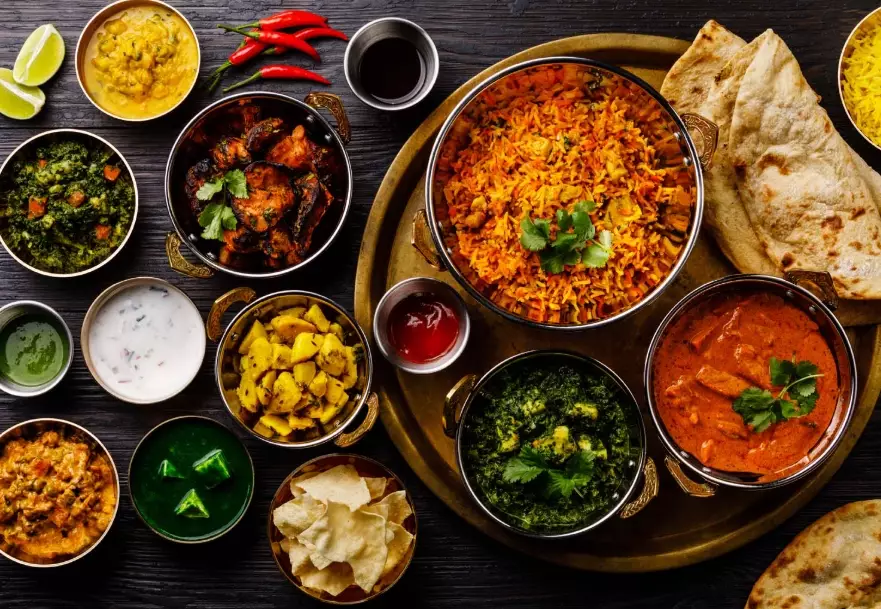
Masala Dosa
A crispy, golden, paper-thin crepe made from fermented rice and lentil batter, stuffed with a spiced potato filling. Served with coconut chutney and sambar (a lentil-based vegetable stew). Eating a dosa is an event. You break off a piece of the crisp crepe, scoop up some potato and chutney, and get this incredible mix of textures and flavors—crispy, soft, spicy, tangy, and coconutty all at once. It's arguably one of the world's most perfect foods.
Hyderabadi Biryani MUST-TRY VARIES
Not all biryanis are created equal. The Hyderabadi version is the king. Fragrant basmati rice is layered with marinated meat (usually goat or chicken) and cooked slowly in a sealed pot (dum). The juices from the meat steam the rice, and every grain is infused with flavor. It's fragrant with saffron, fried onions, and a delicate blend of spices. It's a celebration dish for a reason. I've had bad biryani that's just dry rice with some meat thrown in, but a good one? It's life-changing.
East & West: The Specialists
Bengali Fish Curry (Machher Jhol)
This is home cooking at its finest. A light, turmeric-hued gravy with potatoes and pieces of fish (like rohu or hilsa). It's flavored with mustard oil and panch phoron (a five-spice blend). It's not heavy or overly spicy; it's delicate, comforting, and all about the freshness of the fish. A world away from a creamy curry.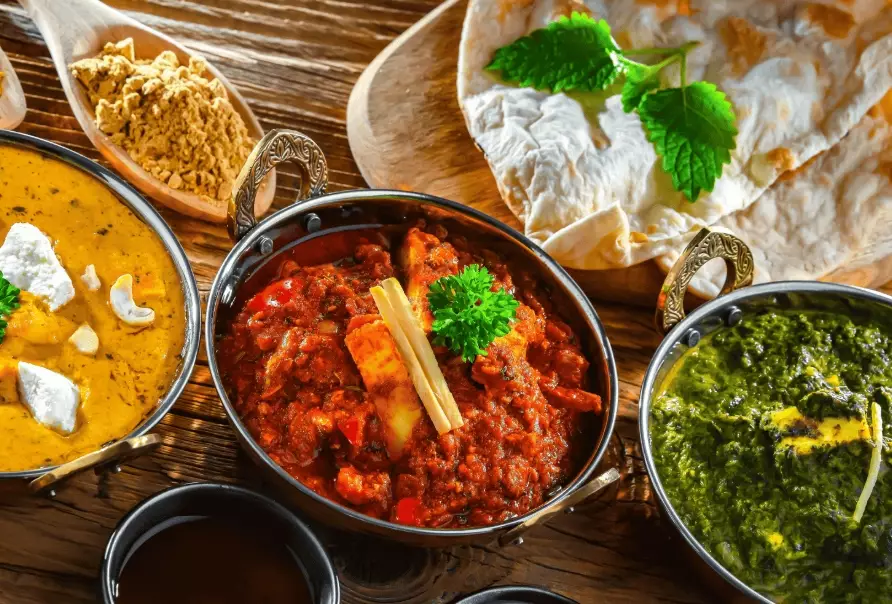
Pav Bhaji
Born on the streets of Mumbai, this is spicy mashed vegetable mash (bhaji) loaded with butter, served with soft, butter-toasted dinner rolls (pav). It's messy, it's decadent, and it's pure joy. You tear off a piece of pav, scoop up the bhaji, and just go for it. The flavor is a riot—spicy, buttery, tangy from the tomatoes, and packed with veggies. It's the ultimate fast food.
| Dish | Region | Key Character | Best Paired With | Heat Level (Approx.) |
|---|---|---|---|---|
| Butter Chicken | North (Punjab/Delhi) | Creamy, tomato-based, mildly sweet | Naan, Basmati Rice | Mild |
| Rogan Josh | North (Kashmir) | Aromatic, rich, red chili color | Rice, Kashmiri Naan | Medium |
| Masala Dosa | South (Karnataka/Tamil Nadu) | Crispy fermented crepe, tangy potato filling | Sambar, Coconut Chutney | Low-Medium |
| Hyderabadi Biryani | South (Telangana) | Fragrant, layered rice & meat, saffron | Raita, Mirchi Ka Salan | Medium-High |
| Chole Bhature | North (Punjab) | Spicy chickpeas, deep-fried bread | Pickled onions, Lassi | Medium |
| Bengali Machher Jhol | East (West Bengal) | Light, turmeric & mustard-based fish stew | Steamed Rice | Low |
| Pav Bhaji | West (Maharashtra) | Buttery spiced vegetable mash | Buttered Pav (rolls), Lemon Wedges | Medium |
Cooking Classic Indian Dishes at Home: Demystifying the Spice Box
The biggest fear people have is the spice list. It looks long. It looks confusing. But what if I told you that you don't need 50 jars? You can start with a core set.
The real trick isn't having every spice; it's knowing how to use them. There are two main techniques:
- Tadka (Tempering): Heating whole spices like cumin or mustard seeds in hot oil or ghee until they sizzle and become fragrant. This flavored oil is then poured over a dish (like dal) at the end. It's a flavor bomb.
- Bhuno (Sautéing & Browning): This is the slow cooking of spices in the onion-tomato base I mentioned earlier. You cook out the raw taste and develop a deep, complex flavor foundation for your gravy.
I messed this up for years. I'd add my spices at the end and wonder why my curry tasted flat and gritty. Learning to cook the spices properly in the oil was the single biggest improvement to my cooking.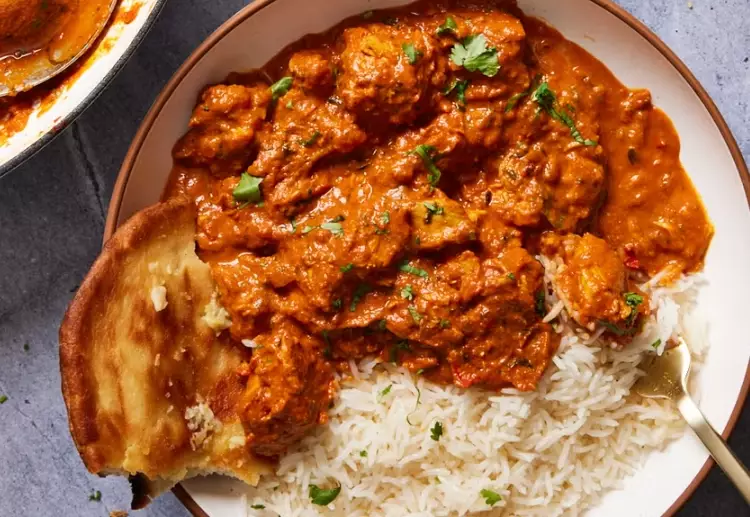
Answering Your Burning Questions (FAQs)
Beyond the Plate: The Soul of the Food
To truly appreciate these classic Indian dishes, it helps to know they're more than recipes. They're tied to festivals, seasons, and family traditions. Biryani is for celebrations. Khichdi (a simple rice and lentil porridge) is the ultimate comfort food when you're sick. Sweets like Gulab Jamun or Jalebi are offered during religious ceremonies.
If you want to dive deeper into the cultural and historical context, resources like the Ministry of Culture, Government of India website sometimes feature articles on culinary heritage. For reliable, well-tested recipes that strive for authenticity, websites like Veg Recipes of India (even for non-veg dishes, the techniques are solid) or the archives of BBC Food's Indian section are fantastic starting points for home cooks.
So, what's the takeaway? Exploring classic Indian dishes is an adventure that rewards curiosity. Start with the famous ones, but don't stop there. Ask questions. Try the regional specialties. Experiment in your kitchen (and forgive yourself for the occasional disaster). Each dish tells a story of place, people, and passion. From the royal kitchens of Hyderabad to the bustling streets of Mumbai, these flavors have stood the test of time for a reason. They're simply unforgettable. Now, go get yourself a dosa or a bowl of rich dal. You've earned it.
Discussion