Let's be honest. The fluffy, slightly charred, buttery naan you get at a good Indian restaurant feels like magic. Your homemade versions? They're often dense, dry, or just taste like fancy pita bread. I've been there. For years, my naan was a disappointment. The problem wasn't the recipe—it was a misunderstanding of the two non-negotiable elements: active yeast and blistering heat. This guide isn't just another list of ingredients. It's the result of burning (literally) through countless batches to figure out how to replicate that tandoori magic on a regular stovetop.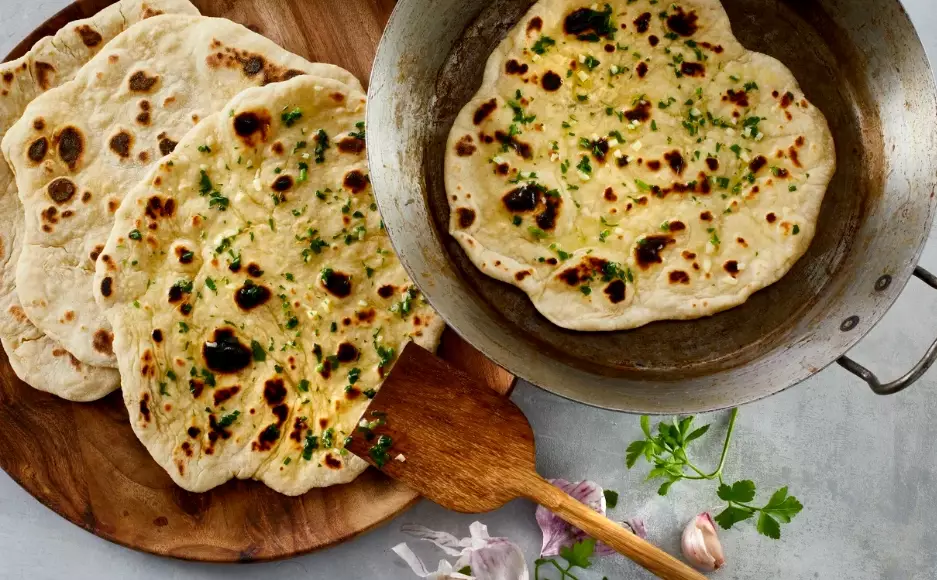
What's Inside This Guide?
Why Your Homemade Naan Isn't Soft (The Usual Suspects)
Most recipes get the basics right: flour, water, yeast, salt, yogurt. But they gloss over the nuances that make the difference between "okay" and "oh wow."
The biggest mistake? Rushing the yeast. If your water is too hot, you kill it. Too cold, and it sleeps. You need that sweet spot around 110°F (43°C)—warm to the touch but not hot. No thermometer? It should feel like pleasant bath water. Another common error is skimping on the fat. The yogurt and any ghee or oil aren't just for flavor; they tenderize the gluten, giving you that soft, tearable texture. A lean dough makes a tough naan.
Finally, the cooking surface. A medium-hot skillet gives you a pale, evenly cooked flatbread. Naan needs a inferno. It needs those characteristic dark, puffy bubbles (known as "phulka") that only come from direct, intense heat. We'll solve that.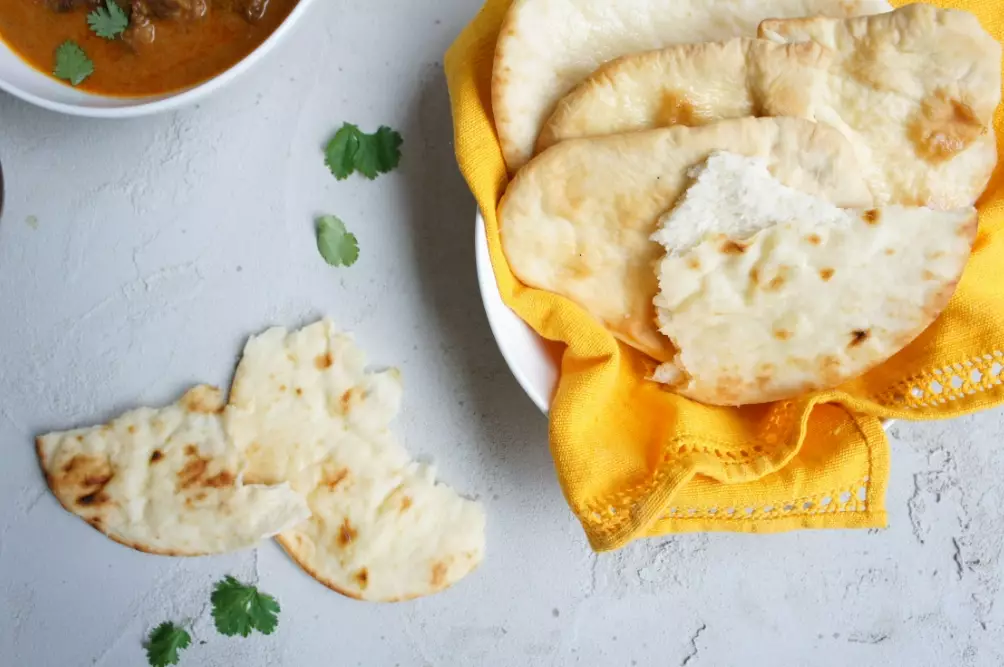
The Authentic Naan Ingredients Checklist
You don't need exotic ingredients. The magic is in the technique. Here’s what you need for about 8 medium-sized naans.
| Ingredient | Quantity | Purpose & Notes |
|---|---|---|
| All-purpose flour (Maida) | 3.5 cups (440g) | The standard. Bread flour works for chewier naan. |
| Active dry yeast | 1 tsp (4g) | The engine. Instant yeast works too (use same amount). |
| Warm water | 1 cup (240ml) | ~110°F to activate the yeast. |
| Plain whole-milk yogurt | 1/3 cup (80g) | Adds tang, tenderness, and helps browning. |
| Granulated sugar | 1 tbsp (12g) | Food for the yeast. Don't omit. |
| Salt | 1.5 tsp (9g) | Balances flavor. |
| Baking powder | 1 tsp (5g) | A modern aid for extra puff. Traditionalists may skip. |
| Neutral oil or melted ghee | 2 tbsp (30ml) | For the dough. Plus extra for brushing. |
| Nigella seeds (Kalonji) / Sesame seeds (Optional) | 1-2 tbsp | For topping. Garlic butter is another classic. |
See? Nothing weird. The yogurt is key—full-fat gives the best results. Low-fat or Greek yogurt will make the dough drier.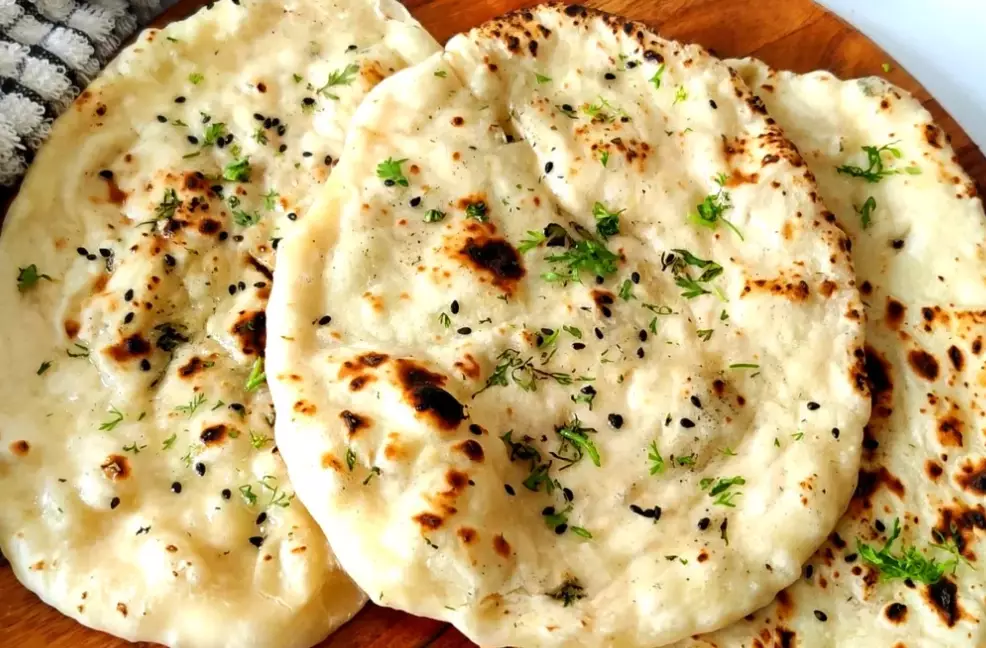
Step-by-Step: From Dough to Blistered Perfection
This is where we separate the recipe followers from the naan makers. Plan for about 2.5 hours, mostly hands-off rising time.
1. Wake Up the Yeast & Make the Dough
In a small bowl, mix the warm water, sugar, and yeast. Let it sit for 5-10 minutes. You're looking for a foamy, creamy layer on top. If nothing happens, your yeast is dead—start over. In a large bowl, whisk the flour, salt, and baking powder. Make a well, add the frothy yeast mixture, yogurt, and oil.
Mix with a spoon until a shaggy dough forms, then get your hands in there. Knead on a lightly floured surface for 6-8 minutes. You want a soft, slightly sticky dough that springs back when poked. Don't over-flour it trying to make it completely non-stick; a tacky dough makes a moister naan. Place it in an oiled bowl, cover with a damp cloth, and let it rise in a warm place for 1.5 to 2 hours, until doubled.
2. Divide, Shape, and the Second Rise
Punch down the dough. Divide it into 8 equal balls. Roll them smooth between your palms. Place them on a tray, cover again, and let them rest for 20 minutes. This relaxes the gluten, making them easier to stretch.
3. The Stretch and The Sizzle (The Critical Part)
Heat your heaviest skillet, griddle, or cast-iron pan over medium-high to high heat for a good 5 minutes. It needs to be seriously hot. While it heats, take a dough ball and stretch it. You can use a rolling pin for an even circle, but I prefer stretching it by hand into a teardrop shape—it feels more authentic and creates variable thickness for interesting texture.
Here’s the restaurant secret: wet your fingers and lightly dampen the top side of the stretched naan. This little bit of moisture helps it stick to the cooking surface initially, mimicking the clay wall of a tandoor.
Place the naan wet-side-down onto the scorching hot pan. Within 30 seconds, you should see bubbles forming. Let it cook for about 1-1.5 minutes until the bottom has dark brown spots. Now, the flip. If you're brave and have a gas stove, use tongs to pick up the pan and invert it directly over the open flame to char the top. No gas? Just flip the naan in the pan and cook the other side for another minute.
4. The Finishing Touch
Immediately brush the hot naan with melted ghee or butter. Sprinkle with nigella seeds or minced garlic if you like. Keep them wrapped in a clean kitchen towel in a basket—this keeps them soft and steamy until serving.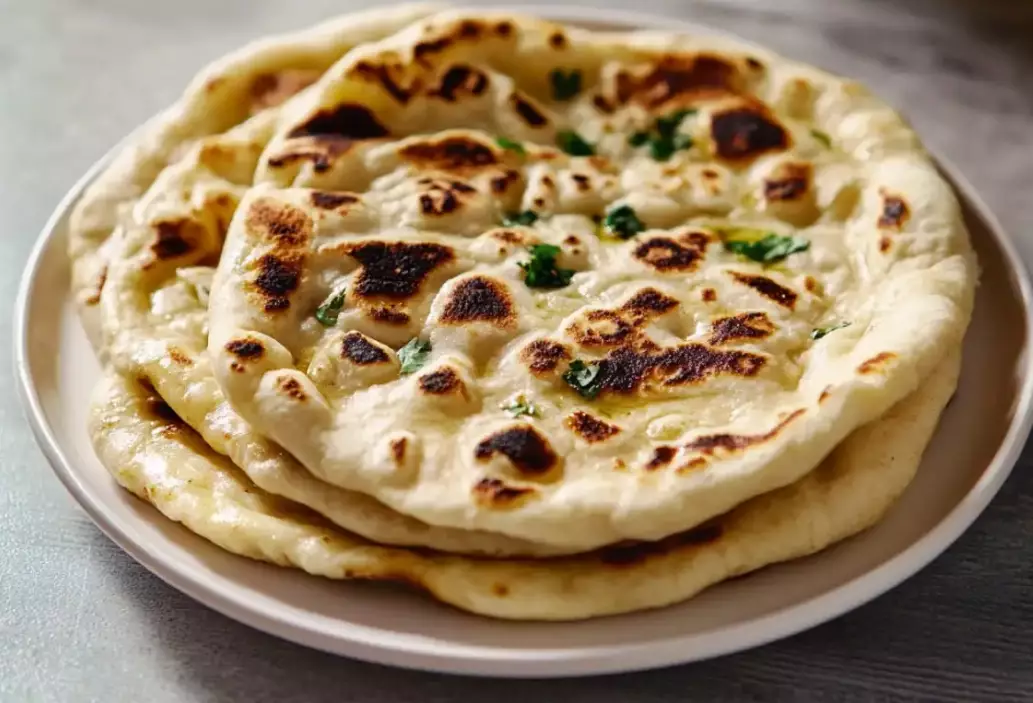
Pro Tips You Won't Find on the Back of a Flour Bag
- The Yogurt Swap: For an even more tender crumb, replace 2 tablespoons of the water with milk. It adds richness.
- Garlic Naan Hack: Don't just brush with garlic butter. Mix finely minced garlic into the dough during kneading for a deeper, pervasive garlic flavor.
- Storing & Reheating: Day-old naan revives beautifully. Sprinkle with a few drops of water and warm in a hot pan for 30 seconds per side, or wrap in foil and heat in a 350°F oven for 5-7 minutes. The microwave will make it rubbery.
- For a Sourdough Twist (The Industry Hotspot): Replace 1 cup of flour and 1/2 cup of water with 1 cup of active sourdough starter. Reduce yeast to 1/2 tsp. The long fermentation adds incredible depth of flavor.
Your Naan Questions, Answered
 Why is my naan tough and chewy instead of soft?
The journey to perfect naan is a delicious one. It's about feeling the dough, listening for the sizzle, and watching for those perfect bubbles. It's not just bread; it's the soul of the meal, ready to scoop up rich curries or stand alone, brushed with garlic and herbs. Forget the takeout menu. Your kitchen is about to become your favorite Indian restaurant.
Discussion