Ask anyone what's in a samosa, and you'll likely get "spiced potatoes in fried dough." That's the elevator pitch, but it's like saying a symphony is just "some notes played together." The magic—and the potential for disaster—is in the details. Getting the basic ingredients right is the difference between a soggy, bland lump and that iconic, shatteringly crisp pastry with a complex, savory filling that makes you reach for another before you've finished the first. I learned this the hard way after my first homemade batch turned out more like spiced potato dumplings with a leathery exterior. Let's break down what you actually need, why each component matters, and how to source and combine them for authentic results, whether you're aiming for a classic street-food style or a modern twist.
What's Inside This Samosa Guide?
- The Two Pillars: Pastry and Filling
- Deconstructing the Dough (The Samosa Patti)
- The Heart of the Matter: Classic Aloo Samosa Filling
- Beyond the Classic: Regional & Modern Variations
- Assembly & Frying: Where Ingredients Meet Technique
- Common Mistakes with Samosa Ingredients
- Tasting the Theory: Where to Find Great Samosas
- Your Samosa Ingredient Questions, Answered
The Two Pillars: Pastry and Filling
Every samosa rests on two distinct ingredient groups that serve completely different purposes. Confusing them is the first rookie error. The outer shell, or patti, is designed to be sturdy, flaky, and neutral—a vehicle for crunch. The inner filling is where the flavor explosion happens. They're prepared separately and only meet during assembly. Think of it like building a house: you need a strong frame (the dough) and comfortable interiors (the filling). One fails without the other.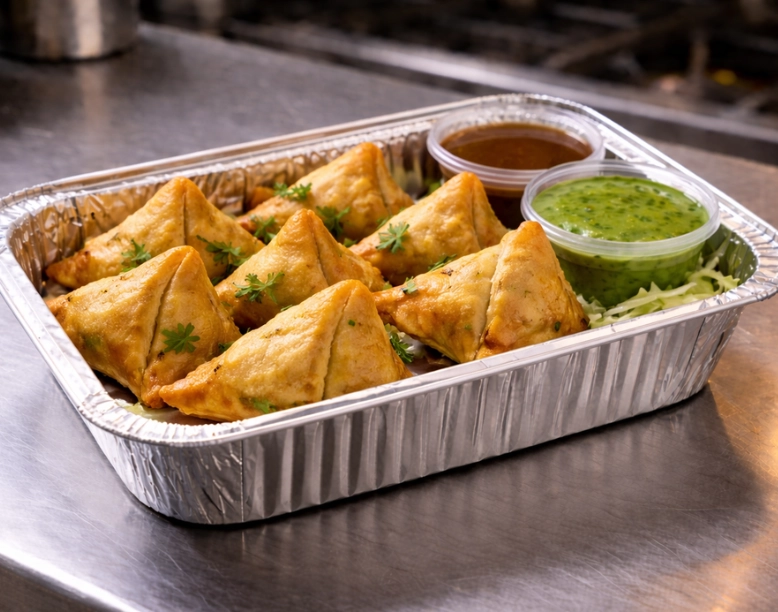
Deconstructing the Dough (The Samosa Patti)
The shell's job is to be impervious to the moist filling during frying, while turning golden and crisp. Here’s the non-negotiable list:
1. The Flour: All-Purpose is Your Friend
Forget bread flour or cake flour. Standard all-purpose flour (maida in South Asia) with a medium protein content (around 10-11%) is perfect. It gives the dough enough strength to hold its shape without becoming tough. Some old-school vendors add a small spoonful of fine semolina (sooji) for extra grit and crunch, but it's not essential. I tried using "00" pasta flour once, seeking extra smoothness, and the samosas became disappointingly hard once cool.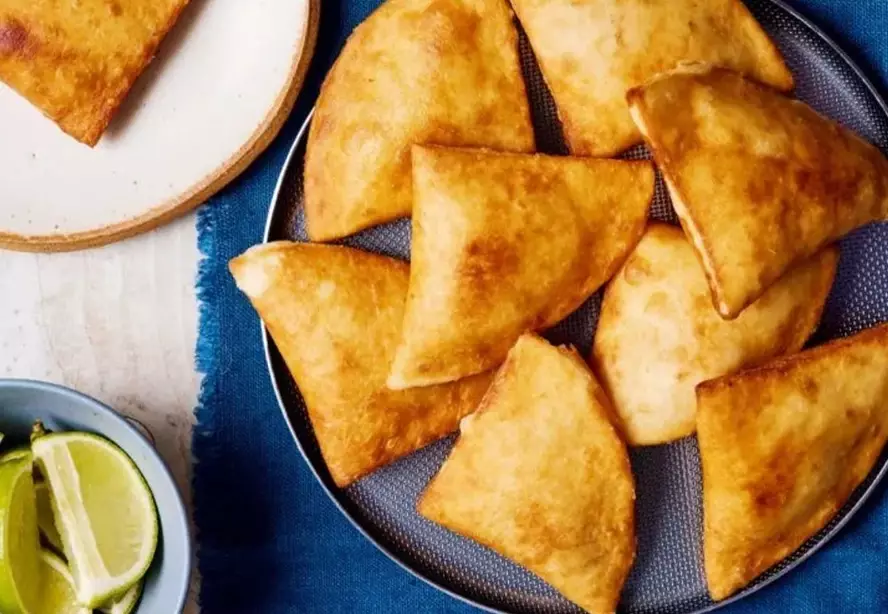
2. The Fat: The Crispness Creator
This is critical. You need a solid fat at room temperature. The traditional choice is ghee (clarified butter), which imparts a rich, nutty flavor and fantastic flakiness. For a purely vegetarian and neutral taste, many use vegetable shortening or a neutral oil like canola. Butter contains water and can make the dough soggy. Melted fat is useless here; you need to rub it into the flour to create a breadcrumb-like texture that steams into layers during frying.
3. The Binder: Water, Salt, and Sometimes Carom
Cold water binds it. Salt seasons the shell itself—don't skip it. A secret weapon is ajwain (carom seeds). Crushing a teaspoon into the dough adds a subtle, thyme-like fragrance that cuts through the oiliness. It's a game-changer. The dough should be stiff, not soft or pliable like chapati dough. If it's sticky, you've added too much water.
| Ingredient | Role | Key Tip | Common Substitute |
|---|---|---|---|
| All-Purpose Flour | Structure & Strength | Don't sift; a bit of lumpiness is fine. | None. This is the base. |
| Ghee or Shortening | Creates flaky layers, adds richness | Must be solid. Rub into flour thoroughly. | Neutral oil (in a pinch, but texture suffers). |
| Cold Water | Binds the dough | Add incrementally. Dough must be stiff. | None. |
| Salt | Seasons the shell | A pinch goes a long way. | None. |
| Ajwain (Carom Seeds) | Adds digestibility & flavor | Crush between palms before adding. | Omit if unavailable. |
The Heart of the Matter: Classic Aloo Samosa Filling
The filling is where you can taste the cook's hand. The classic North Indian aloo samosa filling is deceptively simple. It's not just mashed potato.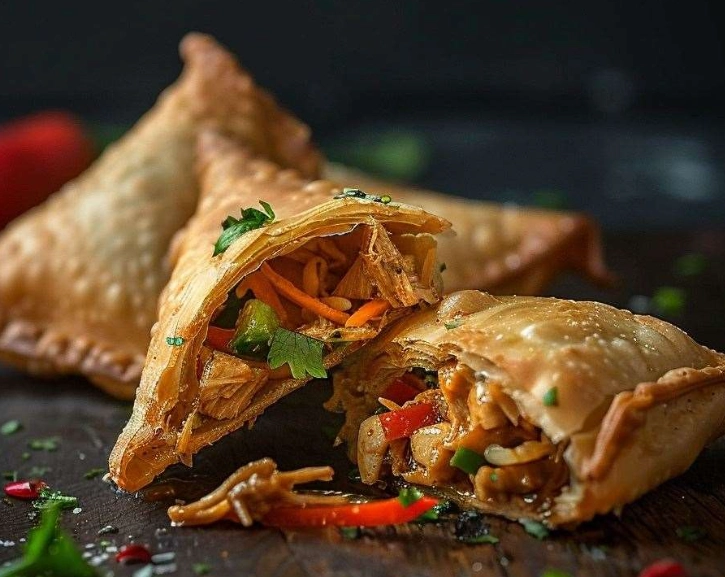
Core Components:
Potatoes: Use starchy potatoes like Russets or Yukon Golds. They should be boiled whole in their skins to prevent waterlogging, then peeled and roughly mashed, leaving small chunks for texture. Waxy potatoes turn gluey.
Peas: Fresh or frozen green peas add sweetness and color. Parboil them if using fresh.
Aromatics: Finely chopped ginger and green chilies are mandatory. Some add garlic, but it's less traditional in this version.
The Spice Trifecta: This is non-negotiable for that signature taste.
- Cumin Seeds: Toasted in oil first for a nutty base.
- Coriander Powder: Provides earthy, citrusy warmth.
- Amchur (Dry Mango Powder): The unsung hero. It adds a tangy, fruity sourness that brightens the heavy potatoes. Lemon juice added later makes the filling wet; amchur is dry and concentrated.
- Garam Masala: Added at the very end for a fragrant top note.
Fresh Herbs: A huge handful of chopped cilantro (coriander leaves).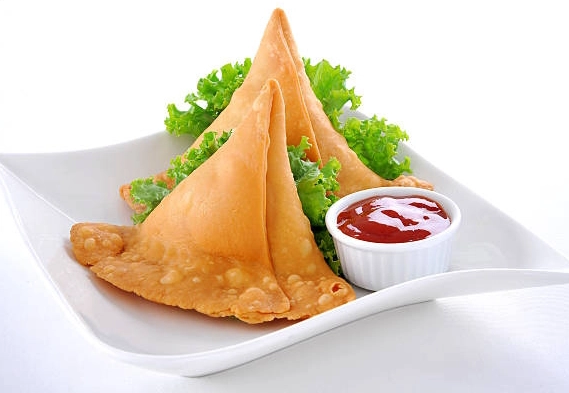
Beyond the Classic: Regional & Modern Variations
Calling a samosa "just potatoes" ignores a vast culinary map. The ingredients shift dramatically by region.
Hyderabadi Keema Samosa: Filled with spiced minced lamb or beef, onions, and mint. The dough is often slightly thicker.
Punjabi Paneer Samosa: Crumbled or cubed paneer (Indian cottage cheese) replaces potatoes, with peppers and spices.
Mughlai Samosa: A richer filling with dried fruits, nuts, and minced meat, wrapped in a thinner, more delicate pastry.
Modern Cafe Twists: I've seen (and tasted) samosas filled with Mexican-style beans and corn, Thai green curry vegetables, and even chocolate. The basic dough principle remains, but the filling breaks all rules.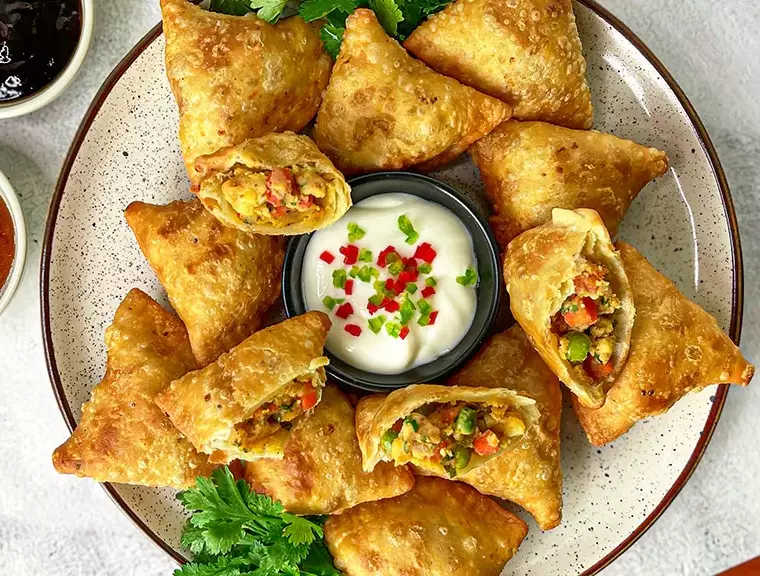
Assembly & Frying: Where Ingredients Meet Technique
You can have perfect components and still ruin them. The filling must be completely cool before assembly—a warm filling creates steam and sog. Seal the edges with a simple flour-and-water paste. The real test is frying.
The Oil: Use a neutral, high-smoke-point oil—peanut, sunflower, or canola. The temperature is crucial. 325-340°F (160-170°C) is the sweet spot. Too hot, the shell browns before the inside cooks. Too low, the samosa soaks up oil and becomes greasy. Fry in small batches.
Common Mistakes with Samosa Ingredients
Let's troubleshoot based on ingredient choices:
Soggy Shell: Filling was too wet (from using fresh lemon juice, under-drained potatoes, or raw tomatoes). Dough had too much water or was rolled too thin. Oil temperature too low.
Hard, Tough Shell: Dough was over-kneaded, or too much flour was used while rolling. Fried at too high a temperature.
Bland Filling: Underseasoned. Spices weren't toasted enough to release their oils. Missing the tang from amchur or another acid.
Samosa Bursts Open: Poor sealing on the edges. Overstuffing. Filling expanded due to trapped moisture (again, ensure it's cool and dry).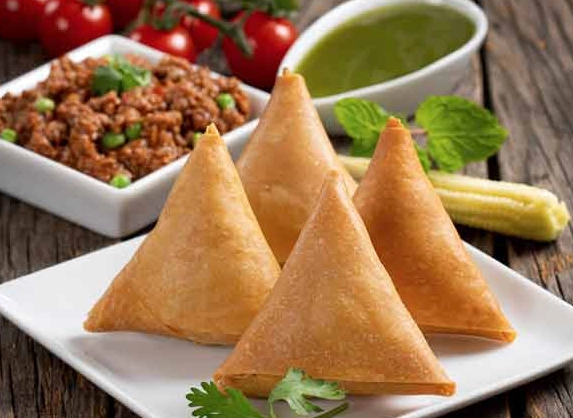
Tasting the Theory: Where to Find Great Samosas
To understand how ingredients come together, try these benchmarks. These places get their basics right.
For Street-Food Authenticity (Mumbai, India): Samosa Party near Dadar station. No fancy address, just a stall. Their classic aloo samosa is perfectly balanced—crisp, not oily, with a filling that's spicy, tangy, and chunky. About 20 INR ($0.25) each. Open from 4 PM till they sell out.
For Gourmet Interpretation (London, UK): Dishoom (multiple locations). Their "House Black Daal" and samosas are legendary. The samosa is smaller, elegantly spiced, with a remarkably light and flaky pastry. It shows how premium ingredients (like high-quality ghee) elevate the simple formula. Around £6.50 ($8) for a serving.
For Regional Variety (Delhi, India): Bengali Sweet House in Defence Colony. Beyond the classic, they offer a sublime sattu (roasted gram flour) samosa from the Bihar region—dry, nutty, and utterly delicious. A masterclass in how a different core ingredient changes everything.
Discussion