Indian butter chicken, or murgh makhani, is made of tender chicken pieces bathed in a luxuriously creamy, spiced tomato sauce. But that simple description doesn't do it justice. To truly understand what it's made of, you need to look beyond the ingredient list. It's a dish built on technique, balance, and a bit of history. The magic lies in how humble ingredients—yogurt, tomatoes, butter, and a handful of spices—are transformed into something far greater than the sum of its parts. Let's break down exactly what goes into it and, more importantly, how to make it taste like it came from a skilled chef's kitchen, not just a recipe card.
What You'll Find in This Guide
What is Indian Butter Chicken? More Than Just Ingredients
Before we list components, let's get the story straight. Butter chicken wasn't born in a royal kitchen from a centuries-old recipe. According to widely accepted lore, it was invented in the 1950s at the Moti Mahal restaurant in Delhi. The story goes that cooks, not wanting to waste leftover tandoori chicken, simmered it in a rich tomato and butter gravy. That practical origin is key—it tells you the dish is about resourcefulness and layering flavors.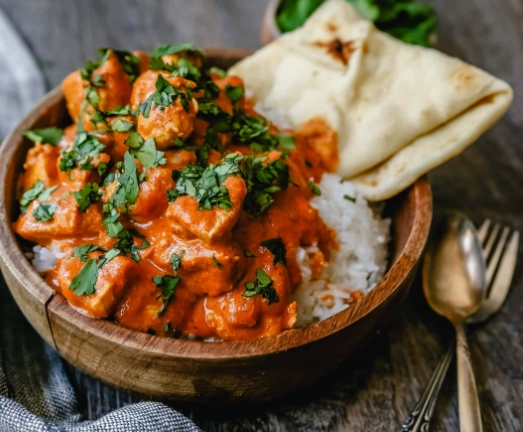
The core concept is a two-part process: marinated, grilled chicken meeting a silky, aromatic sauce. The chicken (murgh) is almost always first cooked in a tandoor (clay oven), which gives it a distinct smoky char. The "makhani" (buttery) sauce is its soul—a smooth, mildly sweet, and tangy emulsion where butter and cream work to mellow the acidity of tomatoes and the heat of spices.
Getting this balance wrong is where most home cooks stumble. The sauce shouldn't be fiery hot, nor should it be a bland, one-note cream soup. It's a harmony.
The Complete Ingredient Breakdown: What's Really in Your Bowl
Here’s a detailed look at every component. Think of this as your shopping list and flavor map combined.
| Ingredient Category | Specific Items & Their Role | Pro Tips & Alternatives |
|---|---|---|
| The Chicken & Marinade | Boneless chicken thighs (for juiciness), plain yogurt, ginger-garlic paste, Kashmiri red chili powder (for color, not extreme heat), garam masala, turmeric, salt, lemon juice, and mustard oil (optional, for authentic bite). | Thighs beat breasts every time. Full-fat yogurt is non-negotiable for tenderizing. Kashmiri chili powder is ideal; mix paprika with a pinch of cayenne if you can't find it. |
| The Sauce Base | Tomatoes (ripe, canned crushed, or pureed), butter (real, unsalted), fresh cream (heavy whipping cream), onions, ginger, garlic, green chilies. | Good canned tomatoes (like San Marzano) often beat off-season fresh ones. Use real butter—margarine won't give the right flavor or texture. |
| The Flavor & Spice Layer | Whole spices: cardamom, cloves, cinnamon, bay leaf. Ground spices: coriander, cumin, more Kashmiri chili, garam masala. Sweetness: a touch of sugar or honey. Richness: cashew paste or almond flour. | Bloom whole spices in butter first. Toast ground spices briefly to wake them up. Cashew paste is the secret for body without just adding more cream. |
| The Finish & Garnish | Kasuri methi (dried fenugreek leaves), more butter, a swirl of cream, fresh cilantro. | Kasuri methi is a game-changer. Crush it between your palms before adding. Don't skip it. |
Notice what's not on the list? Pre-made "butter chicken curry powder" or a jar of generic "curry paste." The depth comes from building layers with individual components.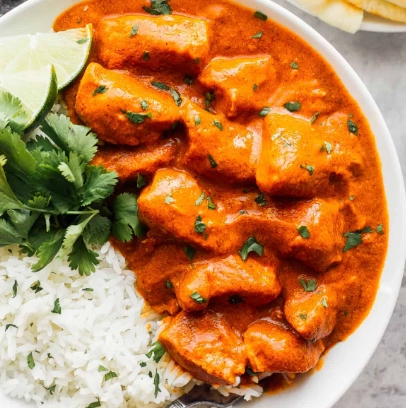
A Non-Consensus View: Many recipes call for tomato paste for depth. I avoid it. It can make the sauce taste metallic and overly concentrated. Instead, I slowly cook down my tomato puree with a pinch of sugar until it deepens in color and loses its raw edge. This takes an extra 10 minutes but makes a world of difference.
How is Butter Chicken Traditionally Made?
The method is as important as the ingredients. Rushing or skipping steps is why homemade versions often taste thin.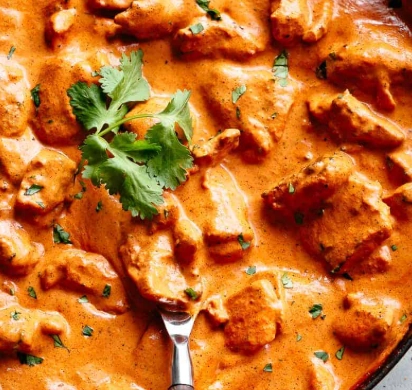
Step 1: The Tandoori Marinade and Grilling
The chicken isn't just boiled and tossed in sauce. It's marinated for at least 4 hours, ideally overnight. The yogurt's acidity and enzymes break down proteins, making the chicken incredibly tender. The traditional cooking method is in a blazing hot tandoor, which chars the exterior and locks in juices.
At home? Your broiler or a very hot grill is your best friend. You want those dark, slightly blackened spots. That charred flavor is a core component of the final dish. Don't just sauté the chicken—you'll miss the smokiness.
Step 2: Building the Makhani Gravy
This is where patience pays. Start by melting butter and blooming whole spices. Cook onions until golden, then add ginger, garlic, and green chili. Add your ground spices and cook for just 30 seconds until fragrant—any longer and they'll burn.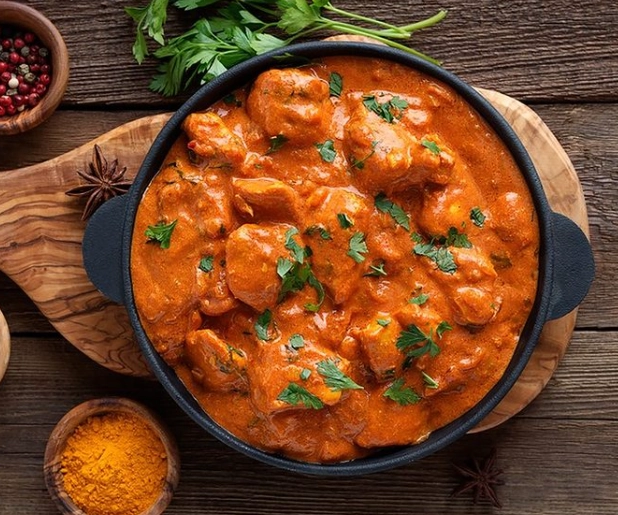
Now, the tomatoes. Add your puree and cook, stirring often, until the butter starts to separate from the mixture. This is the Indian technique called "making the masala." It can take 15-20 minutes over medium heat. The mixture will thicken and turn a richer, darker red.
Common Mistake: Adding cream too early. If you add cold cream to a boiling, acidic tomato sauce, it can split. Always lower the heat to a simmer before stirring in the cream. Some chefs even temper the cream by adding a little hot sauce to it first.
Once the sauce base is ready, blend it until silky smooth. An immersion blender is easiest. Return it to the pan, add the grilled chicken pieces, and let it simmer gently for 10-15 minutes so the flavors marry. Finish with crushed kasuri methi, a final knob of butter, and a drizzle of cream.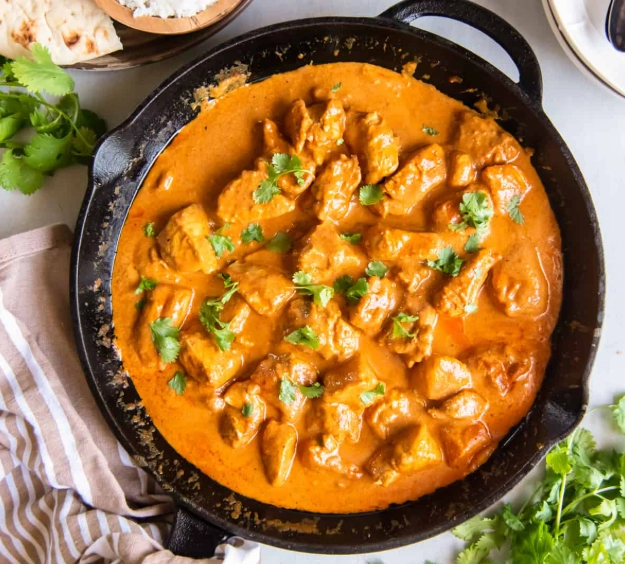
Expert Tips & Common Mistakes to Avoid
After making this for years and talking to chefs, here are the subtle things that separate a good butter chicken from a great one.
1. The Chicken Texture Problem: Overcooking the chicken twice. You grill it, then simmer it in the sauce. If you grill it until it's fully cooked through, it will become dry and stringy in the sauce. Solution: Grill the marinated chicken just until almost cooked through—it should still be a little pink inside. It will finish cooking during the gentle simmer in the gravy.
2. The Bland Sauce Trap: Under-seasoning and under-cooking the tomato base. Tomatoes need time and salt to develop sweetness and depth. Taste your sauce before adding the cream. It should be vibrant and flavorful on its own. The cream mellows, it doesn't create flavor.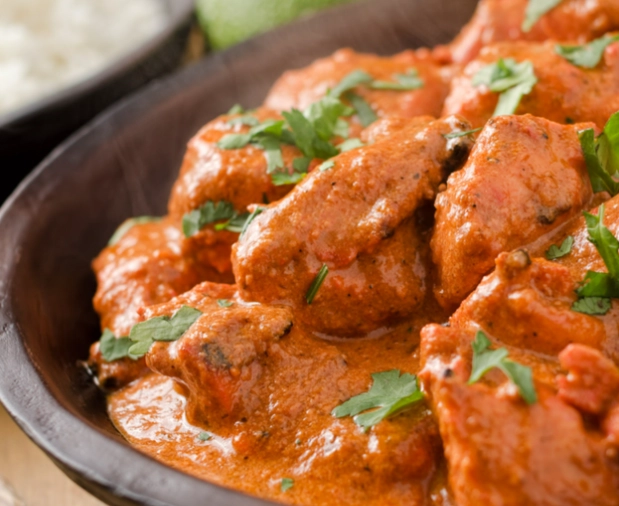
3. The Spice Blunder: Using old, stale spices or adding garam masala at the beginning. Garam masala is a finishing spice. Adding it early makes its flavor disappear. Always add a fresh pinch at the end, just before the kasuri methi.
4. The Shortcut That Backfires: Using pre-cooked, store-bought rotisserie chicken. The flavor and texture are all wrong. It's already seasoned with its own herbs, and the meat is too soft to hold up in the sauce. Just don't do it.
Here's my personal trick: I save a few pieces of the grilled chicken, chop them finely, and add them back to the sauce at the very end. It gives these little bursts of intense smoky flavor in every bite.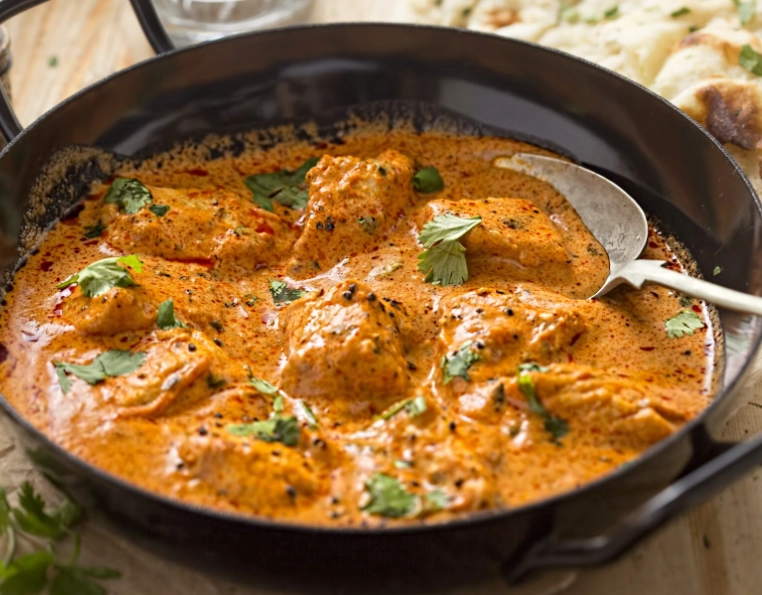
Your Butter Chicken Questions, Answered
Can I make butter chicken without a tandoor or grill?
Absolutely. While you lose the authentic smokiness, you can mimic it. After marinating, pan-sear the chicken in a very hot skillet with a little oil until well-charred on all sides. Another trick is to add a tiny drop of liquid smoke to the marinade (use sparingly!) or finish the dish with a pinch of smoked paprika.
My butter chicken sauce is too acidic or tangy. How do I fix it?
This usually means the tomatoes weren't cooked down enough or you used a very sharp variety. To rescue it, don't just add sugar. First, try simmering it for another 10-15 minutes. Then, balance with a pinch of sugar and a bit more fat—a tablespoon of butter or cream. Fat rounds out acidity better than sweetness alone.
What's the difference between butter chicken and chicken tikka masala?
This is a classic point of confusion. Butter chicken (murg makhani) is an Indian dish with a smoother, more tomato-forward sauce, often slightly sweeter and always finished with butter and cream. Chicken tikka masala is widely considered a British-Indian creation with a more complex, spiced sauce that can include ingredients like tomato soup, bell peppers, or a wider array of spices. The line is blurry, but butter chicken's sauce is generally richer and simpler in its spice profile.
Can I make butter chicken ahead of time?
It's actually better the next day. Make the entire dish, but hold off on the final cream swirl and fresh cilantro. Let it cool and refrigerate. The flavors intensify overnight. Reheat gently on the stove over low heat, adding a splash of water or milk if it's too thick, then finish with the fresh cream and herbs.
Is there a way to make a lighter, healthier version?
You can make adjustments, but it changes the character. Use Greek yogurt in the marinade. For the sauce, you can reduce the butter and use half-and-half instead of heavy cream, though the sauce will be less luxuriously thick. Increasing the proportion of cashew paste can help maintain body with less dairy. Remember, it's a rich dish by design—enjoy it in moderation as part of a meal.
So, what is Indian butter chicken made of? It's made of technique, patience, and a handful of quality ingredients treated with respect. It's not a quick weeknight dump-and-stir recipe. It's a project that rewards your effort with one of the most comforting and globally loved dishes ever created. Start with good tomatoes, don't rush the gravy, and char that chicken. You'll taste the difference immediately.
Discussion