Jump to Section
Let's be honest. You've probably tried making dosa at home before. You followed some recipe online, mixed rice and lentils, let it sit, and ended up with something... disappointing. Maybe it was gummy. Maybe it tore when you tried to flip it. Maybe it just tasted bland, nothing like the golden, lacy, crispy-edged delight you get at a good South Indian restaurant.
I've been there. My first few attempts were edible, but they were a far cry from the dosas I craved. They lacked that signature sour tang, the structural integrity, the perfect snap. It felt like I was missing a secret.
Well, after years of trial, error, and pestering friends' grandmothers for tips, I've managed to crack the code. This isn't just another Indian dosa recipe list. This is a deep dive into the why and how, a guide that aims to transform you from a hopeful home cook into a confident dosa master. We're going to cover everything—from selecting the right ingredients to nailing the fermentation (the real make-or-break step) and mastering the cooking technique itself.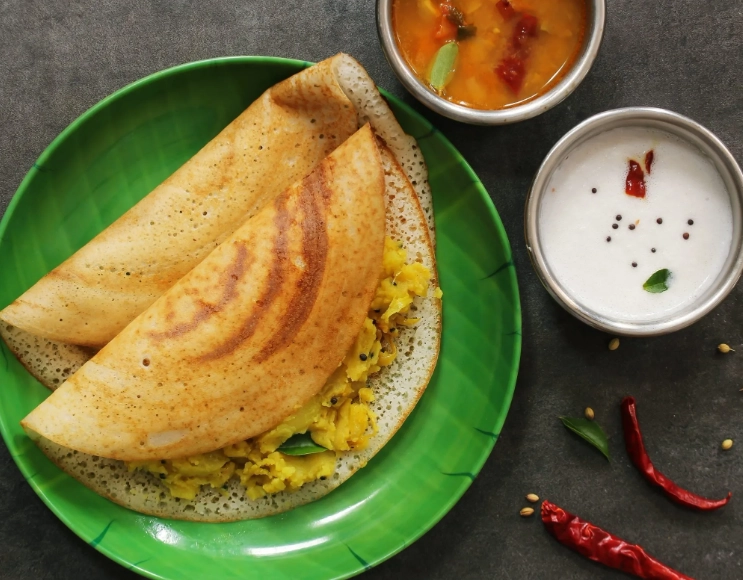
The Heart of the Matter: Your Dosa Batter Ingredients
Great dosas start long before the batter hits the pan. They start with what you put in your bowl. You can't build a sturdy house with weak bricks, right? The same principle applies here.
What You'll Need for the Classic Batter
- Raw Rice: Not basmati, not jasmine. You want a regular, medium-grain raw rice. Some people swear by parboiled rice or a mix for extra crispness, but for your foundational Indian dosa recipe, plain raw rice is perfect. I've had great results with sona masoori.
- Urad Dal (Whole, Skinned Black Gram): This is non-negotiable. This little lentil is the magic agent that drives fermentation and gives the dosa its characteristic soft, spongy center beneath the crisp exterior. Make sure it's the white, skinned variety.
- Fenugreek Seeds (Methi): A small but mighty addition. Just a teaspoon or so. It aids fermentation, adds a subtle, complex bitterness that balances the sourness, and surprisingly, helps achieve that gorgeous golden-brown color.
- Salt: Added after fermentation. Never before.
- Water: Filtered is best, as chlorine in tap water can sometimes inhibit the wild yeast and bacteria we want to cultivate.
Now, about proportions. This is where most arguments start. The classic ratio for an Indian dosa recipe is 3:1 or 4:1 (rice to urad dal). A 3:1 ratio gives a slightly softer, more pliable dosa, great for rolling with fillings. A 4:1 ratio yields a crispier result. I personally lean towards 4:1 for that textbook crackle.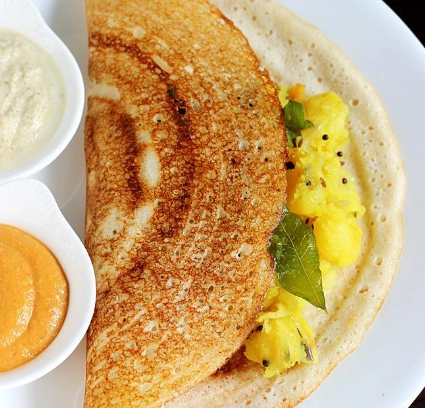
| Ingredient | Quantity (for 4:1 Crispy Dosa) | Key Role | Soaking Time |
|---|---|---|---|
| Raw Rice | 4 cups | Provides structure & crispness | 6-8 hours |
| Urad Dal (skinned) | 1 cup | Drives fermentation & softness | 6-8 hours |
| Fenugreek Seeds | 1 tsp | Aids fermentation, adds color | 6-8 hours (with dal) |
| Poha (Flattened Rice) - Optional | 1/2 cup | Boosts crispiness & lightness | 15 min (rinse only) |
See the optional poha? That's a pro-tip. Adding a handful of rinsed poha (thin variety) to the rice when grinding makes the final dosa incredibly light and crisp. It's a game-changer, honestly.
The Process: From Soaking to Sizzling
This is where the magic happens, and where patience pays off. Rushing any of these steps is the fastest way to a subpar dosa.
Step 1: Soaking & Grinding
Wash the rice and urad dal separately until the water runs clear. Soak them in plenty of water, in separate bowls, for at least 6 hours. Overnight is fine too. Throw the fenugreek seeds in with the urad dal.
Grinding. If you have a wet grinder (the traditional stone grinder), you're winning at life. It produces the smoothest, most aerated batter and generates less heat. For the rest of us, a powerful blender works. The key is to grind as cool as possible.
Grind the urad dal first.
Use the water you soaked it in, adding little by little, until you get a smooth, fluffy, white paste. You should be able to see air whipped into it. This takes time—up to 20-25 minutes in a blender, with breaks to prevent overheating. Transfer this to a large, clean bowl.
Now, grind the rice (and rinsed poha, if using) with fresh water. You want a slightly gritty, fine-sand consistency, not a completely smooth paste. A little texture helps the dosa crisp up. Mix this ground rice paste thoroughly with the urad dal paste. The combined batter should be thick, but pourable—like a thick cake batter.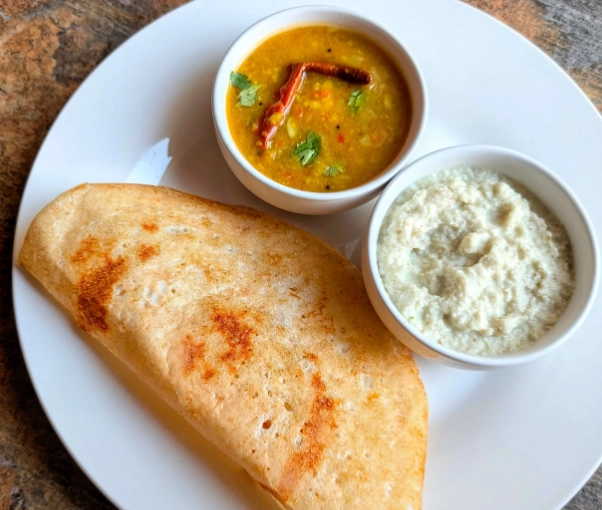
Step 2: Fermentation - The Soul of Your Dosa
This is the single most critical step in any Indian dosa recipe. Fermentation is where flavor and texture are born. Cover the bowl with a lid or plate and leave it in a warm, draft-free spot.
What's "warm"? Ideally between 80-90°F (27-32°C). In colder climates, this is the biggest hurdle. Here are your lifelines:
- Turn on your oven light and place the bowl inside (oven OFF).
- Place it in a microwave with a bowl of just-boiled water.
- Use a yogurt setting on an instant pot.
Fermentation can take anywhere from 8 to 24 hours. You'll know it's ready when the batter has risen significantly, is covered with small bubbles, and has a pleasant, slightly sour aroma. It shouldn't smell foul or boozy.
Once fermented, stir in salt to taste. Gently fold it in; don't aggressively beat out all the precious air.
Step 3: Cooking the Perfect Dosa
Finally, the fun part. Heat a well-seasoned cast iron griddle, a non-stick dosa tawa, or a good quality non-stick pan over medium-high heat. The pan needs to be properly hot. Test by sprinkling a few drops of water—they should sizzle and dance.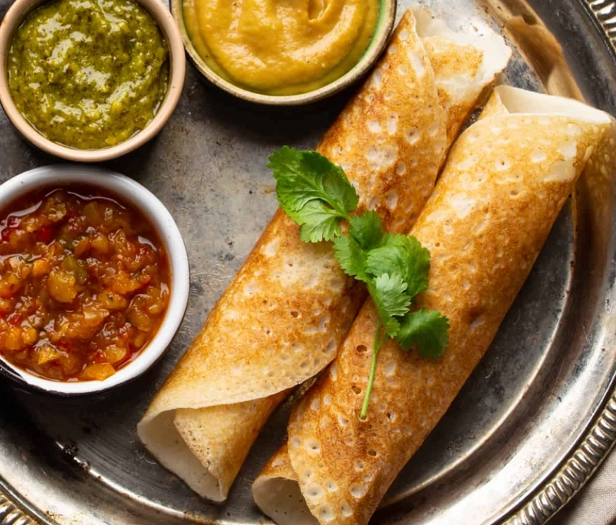
- Grease: Wipe the surface with a few drops of oil using a cloth or onion half. This creates a non-stick layer without pooling oil.
- Pour & Spread: Take a ladleful of batter (about 1/4 to 1/3 cup). Pour it in the center of the pan. Using the bottom of the ladle in a swift, spiral motion, spread the batter outwards into a thin circle. Don't press down hard; you're guiding it. The thinner, the crispier.
- Drizzle & Cook: Drizzle a teaspoon of oil or ghee around the edges and a few drops on top. Let it cook undisturbed for 1.5 to 2 minutes. You'll see the color change from white to golden, and the edges will start to lift.
- The Flip (or Not): For a plain dosa, you don't always need to flip it. Once the bottom is golden and crisp, it's done. You can fold it or roll it off the pan. For a masala dosa or if you prefer it evenly cooked, flip it gently and cook for another 30-45 seconds.
That sound. The gentle sizzle as the batter hits the hot pan, followed by the quiet crackle as it crisps up—that's the sound of success.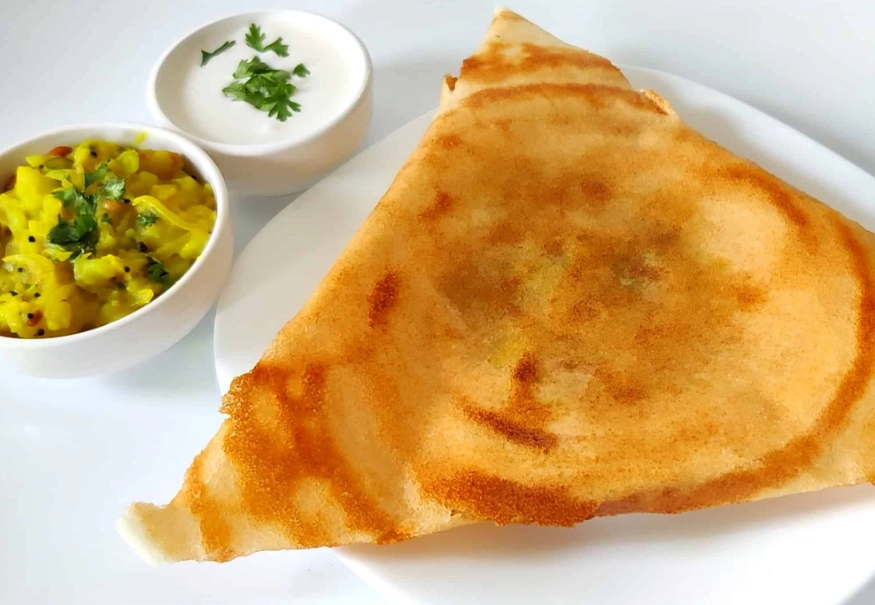
Beyond the Plain Dosa: Variations to Explore
Once you've mastered the basic Indian dosa recipe, a whole world opens up. The batter is your canvas.
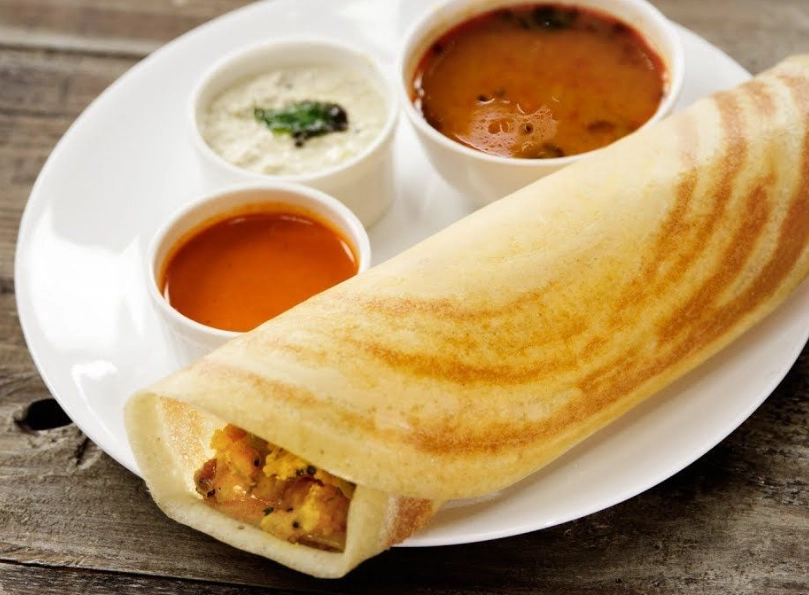
- Masala Dosa: The king. Spread a ladle of spiced potato filling (masala) down the center of the half-cooked dosa, fold it over, and serve with coconut chutney and sambar.
- Rava Dosa: Made with semolina (sooji), rice flour, and spices. No fermentation needed. It forms a uniquely lacy, hole-filled network and is incredibly crisp.
- Set Dosa: Thicker, softer, and spongy. Made with a slightly different batter ratio and cooked covered so it steams. Served in a stack of three.
- Neer Dosa: "Neer" means water. A Mangalorean specialty made from a very thin, watery rice batter. It results in a soft, almost translucent, delicate crepe.
Your Dosa Troubleshooting Handbook (FAQ)
Let's tackle the common problems head-on. I've faced most of these myself.
Why is my dosa batter not fermenting?
Temperature is culprit number one. It's likely too cold. Try the warm spot tricks mentioned earlier. Old urad dal can also be less active. Ensure your utensils are impeccably clean—any residual soap or grease can kill the microbes.
My dosas are sticking to the pan. Help!
First, ensure your pan is properly hot before adding batter. Second, make sure it's well-seasoned or a good quality non-stick. Third, that initial wipe with oil is crucial. Finally, don't try to move or flip the dosa too early. Let it form a crust.
How do I get my dosas really crispy?
A higher rice-to-dal ratio (4:1 or even 5:1), a batter that's not too thin, a properly hot pan, and spreading it thin are the keys. Adding poha helps, as does using a bit of rice flour to adjust consistency.
My dosa tastes too sour. What went wrong?
Over-fermentation. In warm weather, the batter can go from perfect to overly sour in a few hours. Once fermented, refrigerate it to halt the process. The sourness will still develop slowly in the fridge, but much more controllably.
Can I make this Indian dosa recipe without a blender?
Traditionally, yes, with a stone grinder. For a modern kitchen without a powerful blender, it's tough. The urad dal needs to be ground extremely smooth to whip in air. You could try buying pre-ground rice flour and urad dal flour, but the fermentation result is often less reliable, and the texture differs. A blender is a worthwhile investment for this.
Pairing Your Masterpiece: Chutneys & Sambar
A dosa is only as good as its accompaniments. Here are the essentials:
- Coconut Chutney: Fresh coconut, roasted chana dal, green chilies, ginger, ground with a little water. Tempered with mustard seeds, curry leaves, and dried red chili in oil.
- Tomato Chutney: Tangy and slightly sweet. A great alternative.
- Sambar: The iconic lentil-based vegetable stew. It's a recipe in itself, but essential for dipping. A good starting point is the simple sambar recipe from reputable sources like Veg Recipes of India, which breaks down the use of sambar powder and tamarind clearly.
Wrapping It Up: Your Dosa Journey
Look, mastering an authentic Indian dosa recipe takes practice. Your first batch might not be perfect. The fermentation might fail once. The dosa might tear. It's okay. Every mistake teaches you something about the behavior of the batter, the heat of your pan, the humidity in your kitchen.
The beauty of this food is in its simplicity and its life. You're cultivating wild yeast and bacteria to create something delicious and nutritious. It connects you to a centuries-old tradition of fermentation that spans cultures.
Start with the classic 4:1 ratio, focus on nailing the fermentation in your specific kitchen environment, and be patient with the cooking process. Before long, you'll be turning out dosas that not only satisfy your craving but might just rival your favorite restaurant's. And there's a special kind of pride that comes with that. Now, go soak some rice and dal.
Discussion