Quick Navigation
- The Non-Negotiable Foundation: Your Indian Spice Starter Kit
- Essential Techniques: It's All About the Process
- Your First Three Recipes: A Practical Roadmap
- Gear You Actually Need (No Fancy Equipment)
- Navigating the Grocery Store & Online Sources
- Common Beginner Questions Answered
- A Quick-Reference Spice & Ingredient Guide
- Let's Talk About Mistakes (You Will Make Them)
Let's be honest. The idea of learning how to make Indian food for beginners can feel pretty overwhelming. All those spices, the long ingredient lists, the fear of ending up with a bland curry or, worse, something inedibly spicy. I get it. I was there too. My first attempt at a chicken curry was a tragic, watery affair that tasted mostly of tomato paste and regret.
But here's the secret they don't always tell you: Indian home cooking, at its heart, is about simplicity and building layers of flavor. It's not about throwing thirty spices into a pot. It's about understanding a handful of core ingredients and techniques. Once you get those down, a whole world of delicious, comforting food opens up. This guide is specifically for you if you're standing in the spice aisle, utterly confused, wondering how to make Indian food for beginners without a culinary degree.
The Non-Negotiable Foundation: Your Indian Spice Starter Kit
This is where most beginners freeze. You see a recipe calling for "garam masala," "turmeric," "cumin seeds," and "coriander powder," and you think you need to invest hundreds of dollars. Not true. You can start with a very small, powerful arsenal. Think of these as your primary colors; you can mix them to create a vast spectrum of dishes.
I recommend buying whole spices where possible (like cumin seeds, coriander seeds, mustard seeds) and a small, inexpensive coffee grinder dedicated to spices. The flavor difference between pre-ground and freshly toasted-and-ground is night and day. But if that's a step too far right now, good-quality pre-ground powders are absolutely fine to start.
The Absolute Must-Haves (Your "Spice Trinity")
Ground Turmeric (Haldi): The golden hero. It gives that classic yellow color and has an earthy, slightly bitter flavor. Don't go overboard; a teaspoon is usually plenty. Pro tip: it stains everything yellow, so be careful.
Ground Cumin (Jeera Powder): Warm, nutty, and smoky. It's the backbone flavor in so many curries and dals. The whole seeds are also essential for the tempering process (more on that later).
Ground Coriander (Dhania Powder): Citrusy, sweet, and floral. It balances the earthiness of cumin and turmeric. Cumin and coriander are best friends in Indian cooking; you'll often see them used together.
With just these three powders, you can make a perfectly respectable dal (lentil stew) or a simple vegetable curry. Seriously. That's your foundation for learning how to make Indian food for beginners.
The Next Tier Spices (The "Flavor Amplifiers")
Once you're comfortable with the trinity, add these to your cupboard. They introduce new dimensions: heat, warmth, and complexity.
- Red Chili Powder or Kashmiri Chili Powder: This is where the heat comes from. Kashmiri chili powder is milder and gives a vibrant red color without brutal heat, perfect for beginners.
- Garam Masala: Don't be scared of this one. It's not a single spice but a blend (like Italian seasoning). It usually contains warming spices like cinnamon, cardamom, cloves, and black pepper. The key is to add it at the end of cooking, unlike the other spices. Adding it early makes it bitter.
- Whole Cumin Seeds, Mustard Seeds, and Fenugreek Seeds (Methi): These are for "tadka" or tempering—sizzling whole spices in hot oil to release their aroma. It's a magic technique that elevates a dish instantly.
Essential Techniques: It's All About the Process
Indian cooking follows a rhythm. If you learn the steps, you can cook almost anything. It's less about memorizing recipes and more about understanding the method.
The Holy Grail: Building a "Masala" Base
Most Indian gravies start with a masala base. This is the flavor foundation. The classic beginner base is onions, ginger, garlic, and tomatoes, cooked down with your ground spices.
Here's the typical flow:
- Heat Oil/Ghee: Use a neutral oil or ghee (clarified butter). Ghee adds incredible flavor.
- Temper Whole Spices (Tadka): Add whole seeds like cumin or mustard. Wait for them to sizzle and pop. This infuses the oil with flavor.
- Cook Aromatics: Add finely chopped onions. Cook them slowly, patiently, until they're deeply golden brown, not just translucent. This caramelization is crucial for depth of flavor. This step can take 15-20 minutes. Don't rush it.
- Add Ginger-Garlic Paste: A 1:1 mix of fresh ginger and garlic, minced or pasted. Cook for a minute until the raw smell disappears.
- The Spice Bloom: Add your ground spices—turmeric, cumin, coriander, chili powder. Stir constantly for about 30 seconds. You'll smell an incredible aroma. This "blooms" the spices in the oil, unlocking their full potential.
- Tomatoes & Deglazing: Add chopped tomatoes or puree. They help deglaze the pan (scrape up the flavorful bits) and create the saucy base. Cook until the oil starts to separate from the masala.
Why Does My Curry Taste Bland or Bitter?
These are the two most common complaints from beginners. Let's troubleshoot.
Bland Curry? You probably didn't cook your onions long enough. Pale onions = weak flavor base. You likely under-salted. Salt is essential to make all those spice flavors "pop." You might have used stale, pre-ground spices that have lost their potency.
Bitter Curry? You almost certainly burned your spices. When you add ground spices to the oil, keep the heat medium and stir constantly. 30 seconds is enough. If they turn dark brown or black, they're burnt and will taste bitter. Also, check your garam masala—was it added at the start?
Your First Three Recipes: A Practical Roadmap
Let's move from theory to practice. Here are three foolproof recipes that teach you core techniques. They are the ultimate answer to how to make Indian food for beginners at home.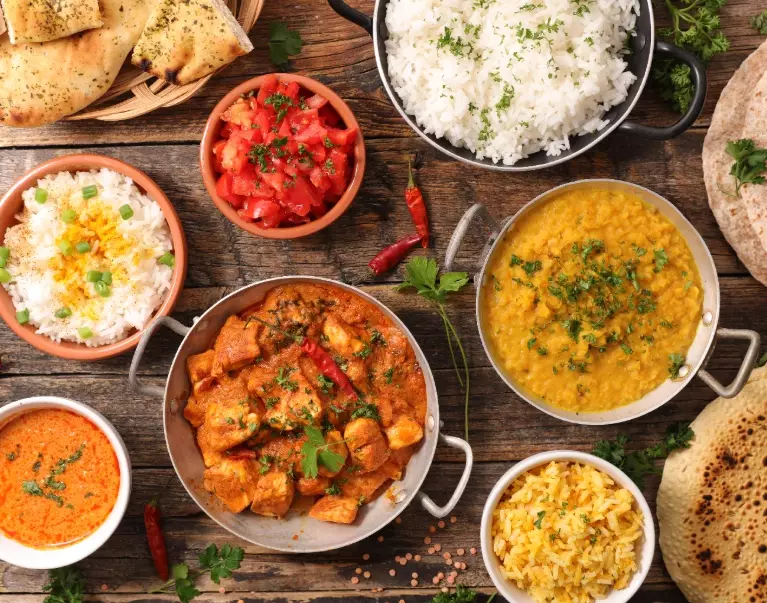
1. The Ultimate Beginner's Dal (Lentil Stew)
Dal is the soul food of India. It's cheap, nutritious, forgiving, and the perfect training ground. You'll learn tempering (tadka) and how to cook with basic spices.
The Process: Boil red lentils (masoor dal) or yellow split peas (toor dal) with turmeric and water until mushy. In a separate small pan, heat ghee, sizzle cumin seeds, maybe a dried red chili and a pinch of asafoetida (if you have it), and pour this sizzling oil mixture over the cooked lentils. Stir, add salt, and finish with lemon juice and cilantro. That's it. The transformative power of that final tempering is a game-changer.
2. Simple Egg Curry (Anda Curry)
This is a fantastic way to practice building that masala base without worrying about cooking meat perfectly. Hard-boil eggs first, so your focus is entirely on the gravy.
Follow the masala base steps above. After you cook down the tomatoes, add water, salt, and a pinch of sugar to balance acidity. Let the gravy simmer for 10 minutes. Add the peeled, hard-boiled eggs and let them heat through. Finish with a teaspoon of garam masala and cilantro. Serve with rice or bread. It's humble, hearty, and deeply satisfying.
3. One-Pan Chicken Curry (Murgh Curry)
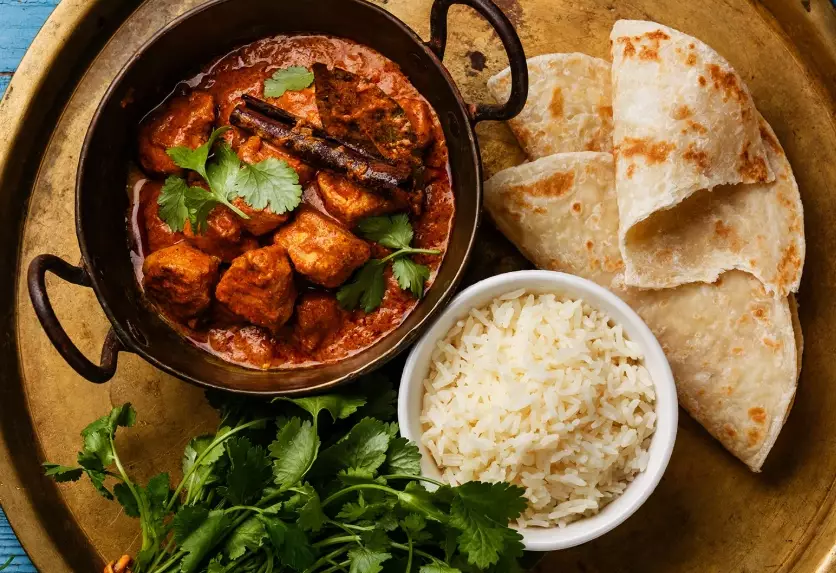
Your first foray into meat. Use chicken thighs; they're more forgiving and stay juicy. The process is identical to the base, but after adding the tomatoes, you add the chicken pieces, coat them in the masala, and then add water to simmer. The key is to simmer gently until the chicken is cooked through and the gravy thickens to your liking. Don't boil it aggressively.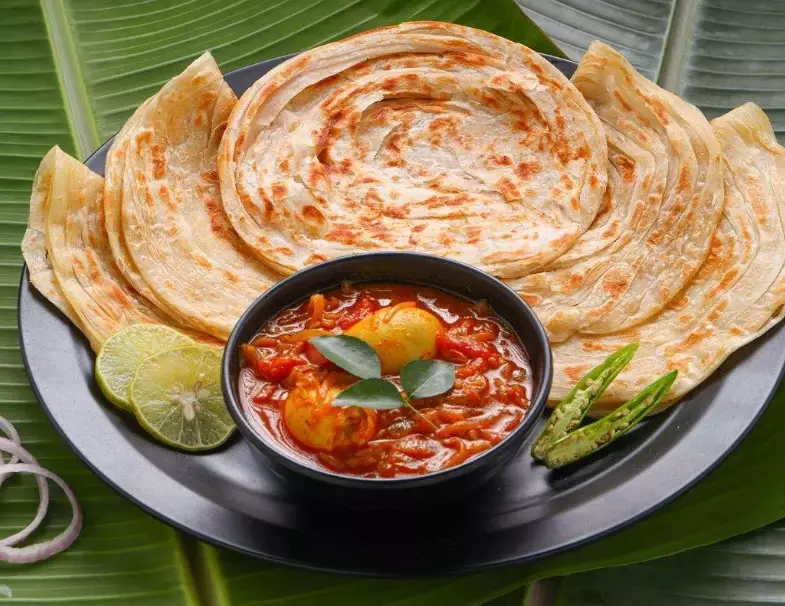
Pro-Tip for All Recipes: Taste as you go, especially before serving. Does it need more salt? A squeeze of lemon for brightness? A pinch of sugar to round out tomato acidity? Adjusting at the end is the mark of a confident cook.
Gear You Actually Need (No Fancy Equipment)
You don't need a tandoor or special gadgets. Your standard kitchen works fine.
- A Heavy-Bottomed Pot or Dutch Oven: This is non-negotiable. Thin pots will burn your onions and spices. Even heat distribution is key.
- A Small Frying Pan for Tempering: A tiny pan is perfect for doing your tadka to pour over dal or yogurt.
- A Blender or Food Processor: Useful for making ginger-garlic paste or pureeing tomatoes and onions for a smoother gravy. But you can chop everything finely by hand too.
- A Spice Grinder (Optional but Recommended): A dedicated coffee grinder for toasting and grinding whole cumin, coriander, etc., will elevate your food immensely.
Navigating the Grocery Store & Online Sources
Where do you find these ingredients? Most are readily available.
Supermarkets: The "international" or spice aisle now commonly stocks turmeric, cumin, coriander, garam masala, and red chili powder. Brands like MDH or Everest are good. For more specialized items like specific lentils (dal), asafoetida (hing), or curry leaves, you'll need an Indian grocery store.
Indian Grocery Stores: Don't be intimidated! They are treasure troves. You can buy spices in small quantities from bulk bins, which is cheaper. You'll also find fresh ingredients like curry leaves, various dals, and different types of rice. The staff are usually very helpful if you ask questions.
Online: Websites like Amazon, iShopIndian, or Patel Brothers deliver nationwide. This is great for sourcing specific items if you don't have a store nearby.
For authentic information on Indian spices, their origins, and uses, the Spices Board India website is an excellent official resource. It's run by the Government of India's Ministry of Commerce & Industry and provides reliable, in-depth knowledge.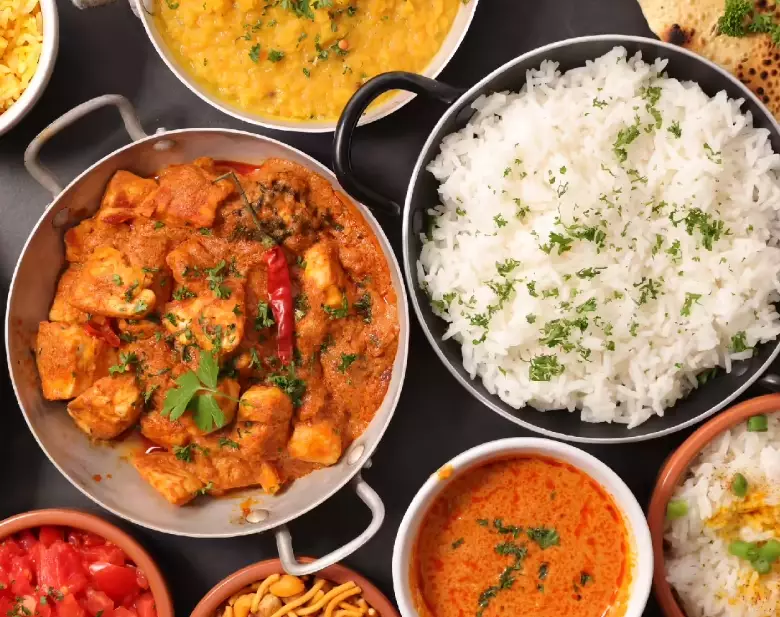
Common Beginner Questions Answered
A Quick-Reference Spice & Ingredient Guide
| Ingredient | Form (Whole/Ground) | Primary Flavor Profile | When to Add | Beginner Priority |
|---|---|---|---|---|
| Turmeric | Ground | Earthy, slightly bitter, vibrant yellow color | Early, with other ground spices | TOP PRIORITY |
| Cumin | Seeds & Ground | Warm, nutty, smoky | Seeds: Start (tempering). Ground: Early. | TOP PRIORITY |
| Coriander | Seeds & Ground | Citrusy, sweet, floral | Ground: Early with other spices. | TOP PRIORITY |
| Garam Masala | Ground (Blend) | Warm, sweet (cinnamon, cardamom, cloves) | LAST, at the very end of cooking | High |
| Red Chili Powder | Ground | Heat & color | Early, with other ground spices | Medium (adjust to taste) |
| Mustard Seeds | Whole (black/yellow) | Pungent, nutty, pop when heated | Start, for tempering (tadka) | Medium |
Let's Talk About Mistakes (You Will Make Them)
It's part of the process. My first dal was so watery it was soup. I've burned more temperings than I care to admit. The point is to learn from them.
If your dish is too spicy, add a dollop of plain yogurt or a splash of cream/coconut milk to serve. If it's too salty, add a peeled, raw potato chunk and simmer for 10-15 minutes; the potato will absorb some salt (discard it after). If it's too acidic from tomatoes, a tiny pinch of sugar works wonders.
The goal of learning how to make Indian food for beginners isn't perfection on the first try. It's about getting comfortable in the kitchen, smelling those spices bloom, and sitting down to a meal you made from scratch. That feeling is unbeatable.
So, start with the spice trinity. Make a pot of dal. Master the onion-cooking technique. Everything else builds from there. Indian cooking is a journey of flavor, and you've just taken the first, most important step. Now go heat up some oil, and get those cumin seeds sizzling.
Discussion