Let's be honest. The idea of cooking Indian food can feel intimidating. A wall of unfamiliar spices at the store, recipes with 20 ingredients, that nagging fear it'll just taste... bland. I get it. I taught myself years ago, and my first attempt at dal was a watery, sad affair. But here's the secret: authentic Indian vegetarian cooking for beginners isn't about memorizing a hundred recipes. It's about understanding a few core principles. Once you get those, you can cook a satisfying, flavorful meal any night of the week.
This guide is your shortcut. We're skipping the overwhelm and going straight to what works. You'll learn the five spices you actually need, the simple tools that matter, and we'll walk through two foundational recipes step-by-step. By the end, you'll have the confidence to make a delicious, healthy Indian meal from scratch.
What's Inside This Guide
How to Start with Indian Spices (Forget the Fancy Jar Set)
Walk down the spice aisle and you'll see turmeric, cumin, coriander, garam masala, cardamom, fenugreek... it's a lot. You don't need them all. In fact, buying a giant pre-packaged set is a recipe for wasted money and stale spices. Start small and fresh.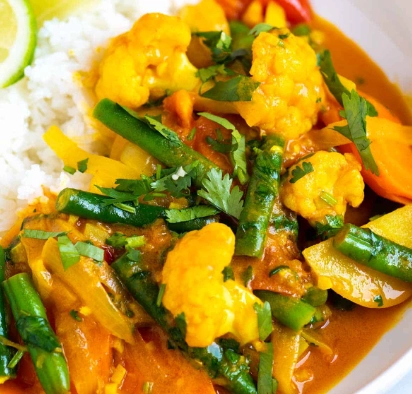
Here are the five non-negotiable spices for your starter kit. Buy them in small quantities from a store with good turnover (like an Indian grocery store or the bulk section of a health food store) to ensure potency.
| Spice | What It Looks/Tastes Like | Your First Job For It |
|---|---|---|
| Cumin Seeds (Jeera) | Tiny, boat-shaped seeds. Nutty, earthy, warm flavor when toasted. | The first thing you'll often toss in hot oil. It's the base aroma for countless dishes. |
| Ground Turmeric (Haldi) | Bright yellow powder. Earthy, slightly bitter, and gives that iconic golden color. | Added with other ground spices. A pinch goes a long way. (Warning: it stains.) |
| Coriander Powder (Dhania) | Light brown powder made from ground coriander seeds. Citrusy, floral, sweet. | The main body of your spice flavor. Used in larger quantities than other spices. |
| Red Chili Powder (Lal Mirch) | Ground dried red chilies. Heat level varies—get Kashmiri for mild heat and color. | Added to taste. Start with 1/2 teaspoon for mild heat in a dish for four. |
| Garam Masala | A warm spice *blend* (cinnamon, cardamom, cloves, etc.). Sweet, complex aroma. | Added at the *end* of cooking or sprinkled on top. Never fry it for long. |
A crucial tip most beginners miss: There's a world of difference between frying your ground spices (like coriander and turmeric) in oil for 45-60 seconds versus just stirring them into simmering liquid. That quick fry in oil "blooms" the spices, unlocking their full, deep flavor and getting rid of any raw, dusty taste. If your curry tastes flat, you probably skipped this step.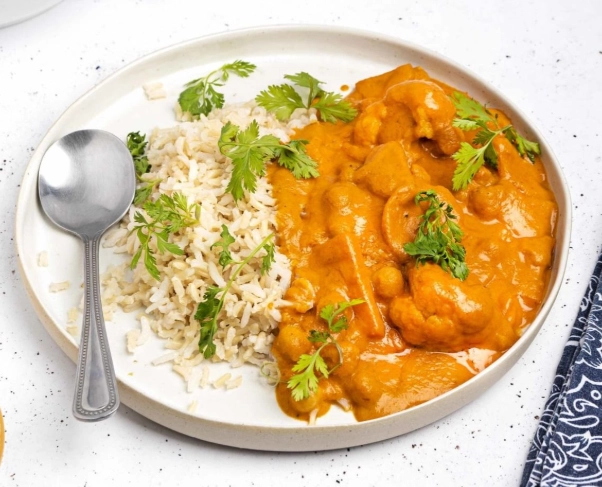
Your Beginner's Kitchen Toolkit
You don't need a tandoor. You need three reliable workhorses.
The Heavy-Bottomed Pot or Pan
This is your most important tool. A thick-bottomed saucepan (like a Dutch oven or a deep skillet) distributes heat evenly. This prevents the onions and spices at the bottom from burning while the top is still raw—a common beginner frustration. Thin pans create hot spots that will scorch your cumin seeds in seconds.
A Good Lid
It sounds trivial, but a tight-fitting lid is essential for cooking lentils (dal) perfectly. It traps steam, ensuring they cook evenly and become tender without needing to constantly add more water.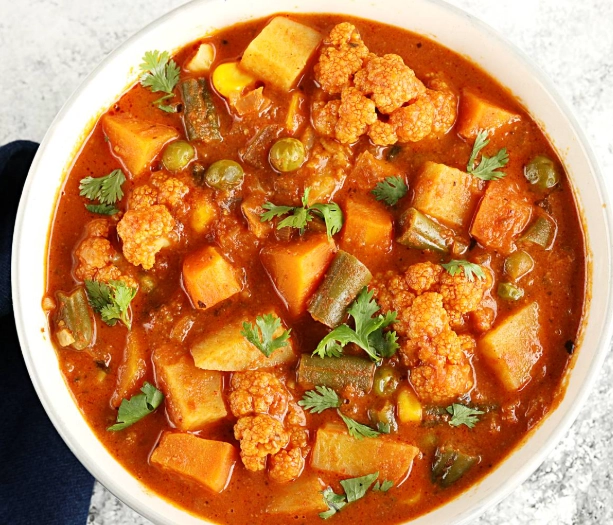
A Spatula and a Spoon
A flat-edged spatula is great for sautéing. A sturdy spoon is for stirring and serving. That's it. You can get a "chaunk" ladle later if you fall in love with the process.
How to Cook Your First Indian Vegetarian Meal
Let's cook. A classic, balanced Indian vegetarian meal for beginners often centers on a dal (lentil stew) and a sabzi (vegetable dish). We'll make one of each. Follow these steps like a roadmap.
Recipe 1: Foolproof Yellow Dal (Lentil Stew)
What you get: A creamy, comforting, protein-packed stew. Perfect with rice.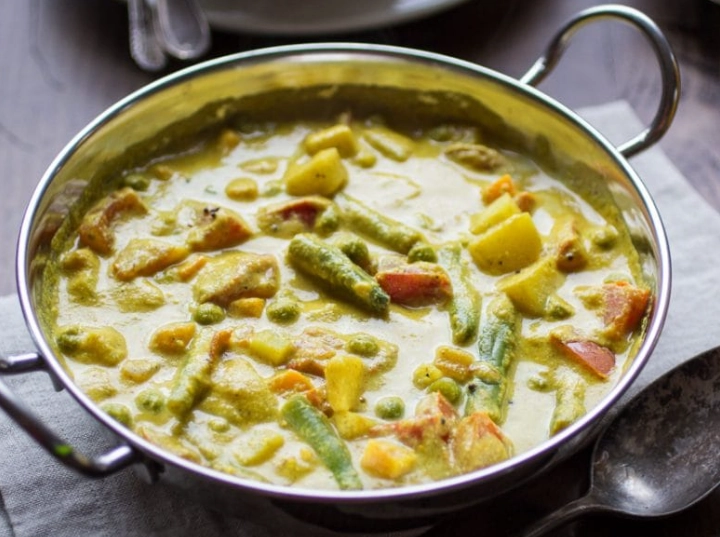
Time: 45 minutes (mostly hands-off).
Serves: 4.
Ingredients:
1 cup yellow split peas (toor dal) or red lentils (masoor dal), rinsed
3 cups water
1 tsp turmeric powder
2 tbsp oil or ghee
1 tsp cumin seeds
1 medium onion, finely chopped
2 tomatoes, chopped
1 tbsp coriander powder
1 tsp red chili powder (adjust to taste)
Salt to taste
Handful of fresh cilantro, chopped (for garnish)
Step 1: Cook the lentils. In your heavy pot, combine the rinsed lentils, water, and turmeric. Bring to a boil, then reduce heat to a simmer. Cover partially (leave a small gap) and cook for 25-30 minutes, until the lentils are completely soft and mushy. Stir occasionally. If it looks dry, add a splash of hot water.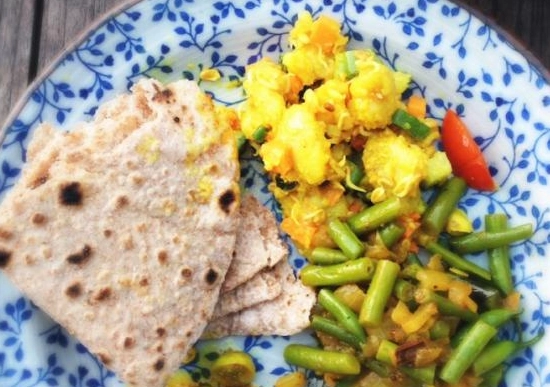
Step 2: The tempering (tadka). This is the flavor magic. In a small separate pan, heat the oil over medium heat. Add the cumin seeds and let them sizzle for about 10 seconds until fragrant. Immediately add the chopped onion. Cook, stirring, until the onions turn soft and golden-brown. This takes 5-7 minutes—don't rush it.
Step 3: Bloom the spices. Add the tomatoes to the onion pan. Cook until they break down into a paste. Now add the coriander powder and red chili powder. Stir constantly and cook for a full 60 seconds. You'll smell the fragrance change from raw to deep and toasted.
Step 4: Combine and finish. Scrape the entire contents of the tempering pan into the pot of cooked lentils. Add salt. Stir well and simmer together for another 5 minutes. The dal will thicken. Taste and adjust salt or chili. Garnish with cilantro. Done.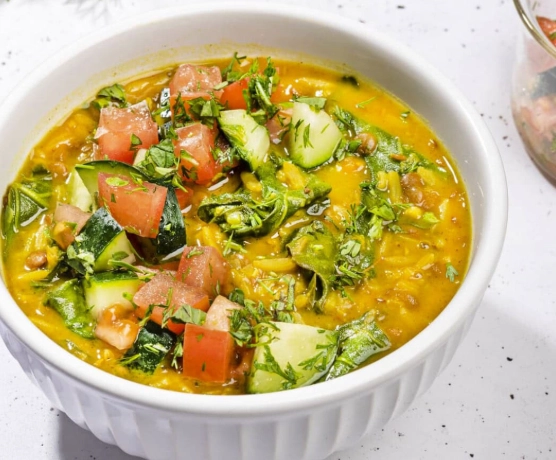
Recipe 2: Simple Aloo Gobi (Potato & Cauliflower)
What you get: A dry, spiced vegetable dish that's fantastic with dal and rice or stuffed in a wrap.
Time: 35 minutes.
Serves: 4.
Ingredients:
3 tbsp oil
1 tsp cumin seeds
1 large onion, chopped
2 medium potatoes, peeled and cubed
1 small head of cauliflower, cut into florets
1 tbsp coriander powder
1/2 tsp turmeric powder
1 tsp red chili powder
1 tsp garam masala
Salt to taste
Fresh cilantro for garnish
The key here is sequencing. In your heavy skillet, heat the oil. Add cumin, let it sizzle, then add the onion. Cook until soft. Add the potato cubes. Stir to coat in the spiced oil, then cover and cook on medium-low for about 10 minutes. This starts the potatoes cooking before we add the quicker-cooking cauliflower.
Add the cauliflower florets, coriander, turmeric, and chili powder. Stir fry for 2 minutes. Add a splash of water (about 1/4 cup), cover, and cook on low for 12-15 minutes, until both vegetables are tender. Check once to stir.
Uncover, turn up the heat slightly to evaporate any excess moisture. Sprinkle the garam masala and salt over everything. Stir for a final minute. Garnish with cilantro.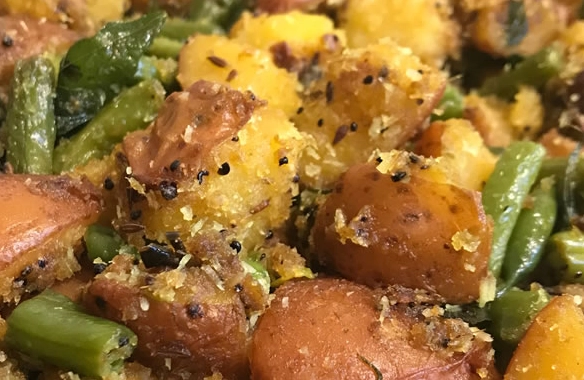
Your Questions, Answered
Why does my homemade Indian food taste bland compared to restaurant food?
Restaurants often use more fat, salt, and specialized ingredients like dried fenugreek leaves (kasuri methi) or cream. But the main home-cook culprit is under-toasting spices and not cooking the onion-tomato base long enough. Your onions need time to caramelize, and your tomato needs to lose its raw acidity and form a paste. That "base" is where the deep flavor lives. Rushing this step gives you a watery, sharp-tasting sauce.
Can I make Indian food without an Indian grocery store nearby?
Absolutely. The five core spices in the table are now widely available in most supermarket spice aisles or online. For lentils (dal), check the bulk or international section—yellow split peas and red lentils are common. For fresh ingredients like curry leaves, you can omit them in your first few recipes; they add a layer but aren't a deal-breaker. The dish will still be delicious.
I'm scared of burning the spices when I fry them. What's the trick?
Control your heat. Use a medium flame, not high. Have your next ingredient (like chopped onions or tomatoes) pre-chopped and ready to go next to the stove. The moment you add the ground spices to the oil, keep them moving with your spatula. They only need 45-90 seconds. If they start to look dark too fast, immediately add your onions or a splash of water to stop the cooking. It's better to slightly under-toast than to burn them, as burnt spices taste bitter.
What's a good, easy Indian vegetarian recipe for a busy weeknight?
A one-pot khichdi. It's rice and lentils cooked together with turmeric and ghee. It's forgiving, nourishing, and the ultimate comfort food. Rinse 1/2 cup rice and 1/2 cup split mung beans (moong dal). Sauté cumin seeds in a spoon of ghee in your pot, add the rice/lentil mix, 3 cups water, 1 tsp turmeric, and salt. Cover and simmer for 25 minutes. Stir, add more ghee if you like, and serve with yogurt. It's the Indian equivalent of chicken soup.
The goal isn't perfection on the first try. It's getting comfortable with the process. Maybe your first dal is a bit too thick, or your aloo gobi a touch softer than you wanted. That's fine. You made real food from whole ingredients. You learned how cumin smells when it hits hot oil. That's a win. Keep those five spices handy, practice the tempering step, and soon these recipes will feel like second nature. Then you can start experimenting—add spinach to the dal, try green beans instead of cauliflower. That's when the real fun begins.
Discussion