Spice Journey Highlights
- Why Indian Spices Can Be Intimidating (And Why They Shouldn't Be)
- The Core Principles: More Than Just Throwing Spices In
- Your Essential Spice Pantry: A Practical Starter List
- Mastering the Key Techniques: The "How-To" of How to Use Indian Spices
- Building Flavor Profiles: North vs. South vs. Home-Style
- Top 3 Mistakes Beginners Make (And How to Avoid Them)
- Answering Your Burning Questions
- Putting It All Together: A Simple, Foolproof Practice Recipe
- Your Journey Ahead
Let's be honest. The first time you open a jar of a complex Indian spice blend or stare at a recipe calling for "tempering," it can feel like you need a PhD in culinary science. I remember my first attempt at a simple dal. I had the cumin, the turmeric, the coriander. I threw them all in at what seemed like the right time. The result? A muddy, bitter mess that bore no resemblance to the fragrant, comforting dish I was aiming for. I was missing the how, not just the what. That's what this guide is about—demystifying the process so you can move from following recipes to understanding the rhythm behind them.
Learning how to use Indian spices isn't about memorizing a hundred recipes. It's about grasping a few core principles. It's about knowing why you toast some spices dry and fry others in oil. It's about understanding which spices form the base of a gravy and which are added at the end for a burst of aroma. When you get that, the whole world of Indian cooking opens up. You stop being a slave to the recipe card and start cooking with intuition.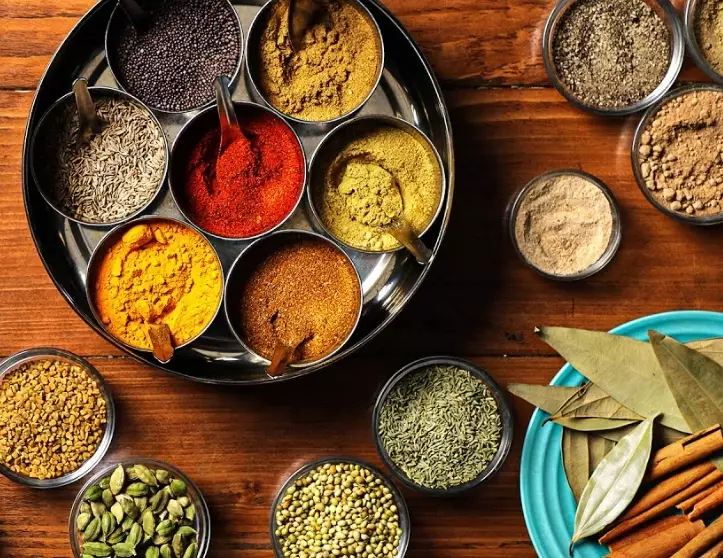
Think of Indian spices not as individual ingredients, but as members of an orchestra. Turmeric provides the golden stage, cumin and coriander are the foundational strings, while spices like cardamom and clove are the soloists that step forward with distinctive notes. The cook is the conductor.
Why Indian Spices Can Be Intimidating (And Why They Shouldn't Be)
Most cuisines use spices. So what's the big deal with Indian ones? The intimidation usually comes from three places: the sheer number, the unfamiliar names, and the techniques that seem secretive. You see "asafoetida" or "ajwain" and think, "Where do I even find that, and what will it do to my food?" Then you read about "bhuna" or "baghaar" and the instructions feel vague.
Here's the secret most recipes don't tell you upfront: you don't need all 50 spices on day one. Most home kitchens across India function brilliantly with a core set of maybe 10-12. And those techniques? They're just simple cooking methods with fancy names. Once you translate them, they're as straightforward as sautéing onions.
The other barrier is the fear of messing up. Spices can be expensive, and wasting them on a failed dish feels terrible. But that's why we're starting with the fundamentals. A little knowledge about how to use Indian spices correctly prevents most common disasters before they happen.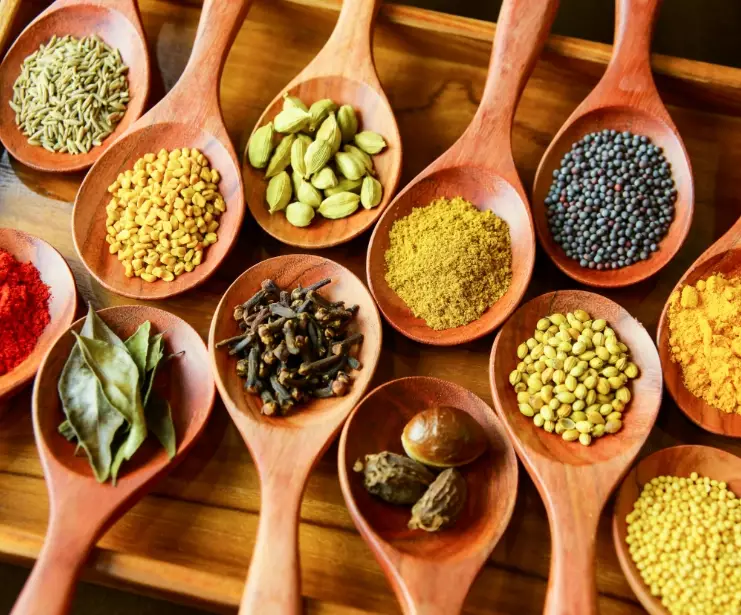
The Core Principles: More Than Just Throwing Spices In
If you take away nothing else, remember these two pillars. They are the backbone of learning how to use Indian spices effectively.
1. The Role of Heat: Unlocking Flavor vs. Burning Bitterness
This is the single most important concept. Spices contain volatile oils and compounds that are released by heat. But apply too little heat, and they taste raw and dusty. Apply too much heat for too long, and those delicate compounds burn, turning bitter and acrid.
- Whole Spices (Cumin seeds, mustard seeds, cardamom pods): These usually need a medium-hot oil or ghee to "crackle" or sizzle. This quick, high heat pops them open, releasing their full aroma into the cooking fat, which then carries that flavor throughout the dish. A cumin seed that hasn't sizzled properly is just a bland little crunch.
- Ground Spices (Turmeric, coriander powder, red chili powder): These are more delicate. They are almost always added after aromatics like onions, ginger, and garlic have softened. The key is to fry them in the oil/onion mixture for a short time—usually just 30 seconds to a minute. This step, called "cooking the masala," removes the raw taste and allows the spices to blend harmoniously. You'll know it's working when the kitchen fills with a gorgeous fragrance and the oil might start to separate slightly from the mixture.
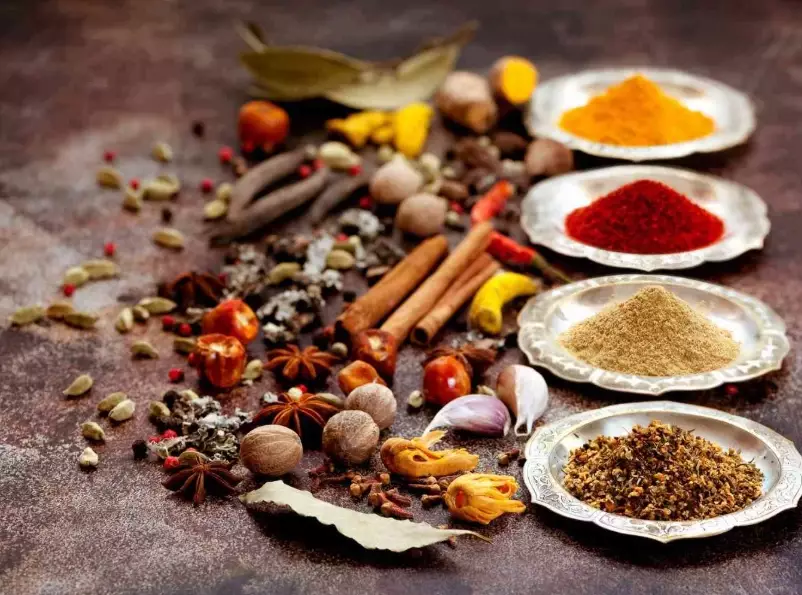
A very common mistake is adding ground spices to a pan that's too hot or dry. They hit the scorching surface and burn in an instant, giving your entire dish a bitter, irreparable edge. Always have your next liquid ingredient (water, tomatoes, yogurt) ready to go in right after you've fried your ground spices for that brief period.
2. The Sequence and Layering of Flavors
Indian cooking is rarely a "dump everything in the pot" affair. The order matters immensely because it builds depth.
- The Foundation (Tadka/Baghaar): Often the first step. Whole spices sizzled in hot oil or ghee. This infused fat is the flavor base.
- The Aromatics: Onions, ginger, garlic, green chilies go in next. They're cooked until soft and golden, creating a sweet, savory paste.
- The Body: Ground spices join the aromatics. They fry briefly to lose their rawness.
- The Main Ingredients: Vegetables, legumes, or meat are added and coated in the spice mixture.
- The Liquid & Simmer: Water, stock, tomatoes, or coconut milk are added, and everything simmers, allowing the flavors to marry.
- The Finish: Delicate spices (like garam masala), fresh herbs (cilantro), or a final drizzle of ghee/tadka are added right before serving for a top note of freshness and aroma.
When you layer flavors like this, every bite has complexity. You get the immediate hit of the fresh finish, the deep, cooked-through flavor of the body, and the underlying resonance of the foundation. Skipping the layering is why homemade curries sometimes taste one-dimensional compared to restaurant ones.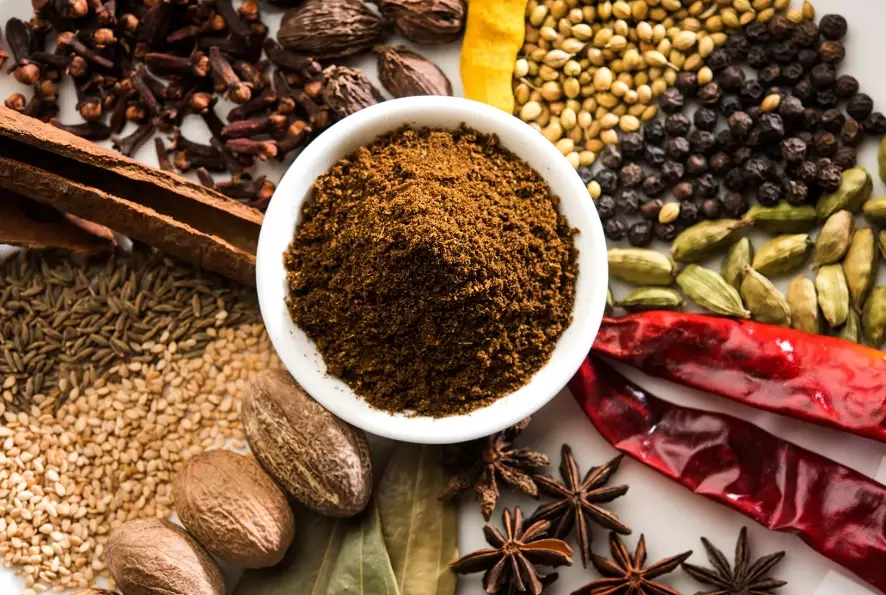
Your Essential Spice Pantry: A Practical Starter List
Don't go on a shopping spree. Start with these. I promise you can cook a vast majority of classic dishes with just these fundamentals. Buy small quantities from a store with good turnover (like an Indian grocery or the international aisle of a large supermarket) to ensure freshness. Whole spices last much longer than pre-ground.
| Spice (Best Form) | Flavor Profile | Primary Role & How to Use It | Classic Dish Example |
|---|---|---|---|
| Cumin Seeds (Jeera) | Earthy, warm, slightly nutty and citrusy. | The ultimate foundation spice. Almost always tempered in oil first. Ground cumin is used in spice mixes. | In the tadka for dal, jeera rice, base for most curries. |
| Coriander Seeds, ground (Dhania) | Light, lemony, floral, subtly sweet. | The workhorse. Provides body and background flavor to gravies. Almost always used ground and fried with other ground spices. | Virtually every curry, sabzi (vegetable dish), and marinade. |
| Turmeric, ground (Haldi) | Earthy, peppery, slightly bitter (raw), musky. | Provides vibrant color and a warm, earthy base note. Has anti-inflammatory properties. Add early in cooking to mellow its raw edge. | Used in almost every savory dish for color and health. |
| Garam Masala (A blend) | Warm, sweet, complex (cinnamon, cardamom, clove, pepper). | The "finishing" blend. Added at the END of cooking or sprinkled on top. Cooking it too long makes it bitter. | Final touch in butter chicken, biryanis, meat curries. |
| Red Chili Powder (Kashmiri or generic) | Varies from fiery to mild and smoky (Kashmiri). | Provides heat and color. Kashmiri chili powder gives a red hue without extreme heat. Fry briefly with other ground spices. | For heat in curries, marinades (like tandoori). |
| Mustard Seeds (Rai/Sarson) | Pungent, nutty, sharp when popped. | A tempering spice. They "pop" in hot oil, releasing a sharp, pungent aroma. Essential for South Indian and Bengali cooking. | Tadka for sambar, many pickles, Bengali fish curries. |
| Cardamom Pods, green (Elaichi) | Intensely aromatic, sweet, floral, citrusy. | Used whole in rice dishes and curries for a perfumed note. Can be crushed slightly to open. Seeds used in sweets. | Biryani, korma, chai, Indian desserts. |
See? That's not so overwhelming. With just these seven, you're incredibly well-equipped. As you get comfortable, you can explore stars like fenugreek leaves (kasuri methi) for a unique bitter-maple flavor in butter-based dishes, asafoetida (hing)—a pinch added to oil for an umami, garlic-onion flavor (great for digestion, by the way, a fact noted in traditional Ayurvedic practice and discussed in modern contexts on resources like the National Institutes of Health (NIH) database), or amchur (dried mango powder) for a fruity tang in snacks and chaats.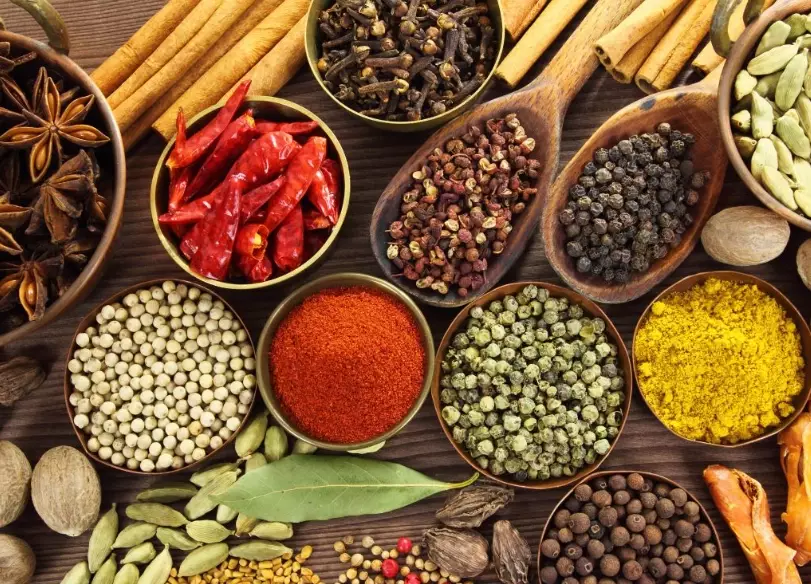
Mastering the Key Techniques: The "How-To" of How to Use Indian Spices
Let's translate those intimidating terms into simple actions.
The 'Tadka' or Tempering Technique
This is the quintessential Indian flavor-starter. You heat oil or ghee, add whole spices (mustard seeds, cumin seeds, dried red chilies, curry leaves), let them sizzle and pop for 30-60 seconds until incredibly fragrant, and then you pour this entire infused oil mixture into your cooked dish (like dal or yogurt). It's a flavor bomb that transforms something simple into something spectacular. The science is simple: fat carries flavor better than water, so this method imparts intense aroma instantly.
Pro Tip: For dal, I often do the tadka in a small separate pan while the lentils simmer. When the lentils are done, I pour the sizzling tadka right on top. The dramatic sizzle is part of the fun, and it locks in the aroma.
The 'Bhuna' Technique (Spice Frying)
This is the process of frying your ground spice mixture (onions, ginger-garlic paste, turmeric, coriander, etc.) in oil. You cook it, often on medium heat, stirring frequently, until the mixture thickens, darkens slightly, and the oil starts to separate from the masala. This is CRUCIAL. That oil separation is a visual cue that the raw taste has been cooked out and the spices have been properly fried. If you add your main ingredients before this point, your curry will taste raw and unfinished. This step can take 10-15 minutes—don't rush it. It's the soul of a good gravy.
Dry Roasting
Some spices are best awakened by dry heat. Coriander seeds, cumin seeds, dried red chilies, whole peppercorns—toss them in a dry skillet over medium-low heat. Shake the pan or stir constantly for 2-4 minutes until they darken a shade and become wildly fragrant. Let them cool, then grind. This is how you make the most incredible homemade spice blends. The flavor difference between pre-ground coriander and coriander you've dry-roasted and ground yourself is night and day. It's more work, but for special dishes, it's a game-changer.
Honestly, I don't do this for every weekday meal. But when I want to impress or make a special biryani, I take the 10 minutes. It makes all the difference.
Building Flavor Profiles: North vs. South vs. Home-Style
Indian food isn't monolithic. The way you use Indian spices varies dramatically by region. Understanding these broad strokes helps you recreate specific styles.
- North Indian (Punjabi, Mughlai): Relies heavily on onion-tomato-ginger-garlic pastes cooked down (the bhuna method). Uses cream, yogurt, nuts (like cashew paste in butter chicken). Spice blends like garam masala are prominent. Cooking fat is often ghee or vegetable oil. Dishes: Butter Chicken, Rogan Josh, Palak Paneer.
- South Indian (Tamil, Kerala): Uses less onion-tomato gravy. Coconut (grated, milk, or oil) is a major player. Relies on tempering (tadka) with mustard seeds, curry leaves, urad dal, and dried red chilies. Lentils and rice are staples. Dishes: Sambar, Rasam, Avial, Coconut-based Fish Curries.
- Home-Style Everyday Cooking ("Ghar ka Khana"): This is what most people eat daily. It's simpler, lighter, and focuses on vegetables and lentils. The spicing is balanced, not overly rich or creamy. Techniques are straightforward. This is where learning how to use Indian spices practically really shines—it's about nourishment and flavor, not restaurant-level decadence.
Don't get hung up on authenticity police. The best Indian home cooks adapt. My mom's "butter chicken" is a lighter, tomato-based version with a fraction of the cream. It's not the restaurant dish, but it's what we crave.
Top 3 Mistakes Beginners Make (And How to Avoid Them)
- Using Stale Spices: That jar of ground cumin that's been in the back of your cupboard for three years? It has no flavor left. It will just add dust. If your spices don't smell like anything when you open the jar, they won't taste like anything in your food. Buy whole when possible, buy in small quantities, and store in airtight jars away from light and heat.
- Not Cooking Ground Spices Enough: The raw, bitter taste in a homemade curry almost always comes from undercooked ground spices. Give them that minute or two in the oil after the onions. Let them fry. Smell the transformation.
- Adding Garam Masala Too Early: This is the classic blunder. Garam masala is a blend of warming spices that are already toasted. Adding it at the beginning of a long simmer completely kills its delicate aroma and turns it bitter. Stir it in during the last 2 minutes of cooking, or even sprinkle it on the finished dish as a garnish.
Answering Your Burning Questions
Q: Can I substitute garam masala for curry powder?
A: They are different. Curry powder is a Western invention, a generic blend meant to mimic Indian flavors, often containing more turmeric and fenugreek. Garam masala is a specific North Indian blend of sweet, warming spices (cardamom, cinnamon, clove). They aren't interchangeable. For authentic taste, use garam masala where it's called for. If a recipe calls for "curry powder," it's likely a Westernized recipe.
Q: My dish is too spicy! How can I fix it?
A: Don't panic. Add a dairy product—plain yogurt, cream, or coconut milk. Dairy contains casein, which binds to the capsaicin (the compound that causes heat) and washes it away. Adding a bit of sugar or lemon juice can also help balance the heat perception. For the future, remember: you can always add more heat, but you can't take it out. Start with less chili powder.
Q: Is it really worth buying whole spices and grinding them?
A: For your daily core spices (coriander, cumin), good-quality pre-ground is fine if you use it up within a few months. But for small quantities of spices for special dishes (like for a biryani blend), or for spices you use whole anyway (cumin seeds, cardamom), buying whole is better and often cheaper. The flavor payoff from dry-roasting and grinding your own for a special occasion is absolutely worth it. For reliable information on spice sourcing and quality, the Agricultural and Processed Food Products Export Development Authority (APEDA), under the Government of India, provides insights into Indian agricultural products, including spices.
Q: What's the deal with asafoetida (hing)? It smells terrible in the jar!
A: I know, it's potent! Asafoetida in its raw resin form has a strong, sulfurous smell. The powdered version sold in stores is diluted with rice flour. You use only a pinch—literally, a pinch—sprinkled into hot oil at the tempering stage. When cooked, it transforms completely, imparting a savory, umami depth reminiscent of leeks or garlic. It's a digestive aid and is fantastic in lentil dishes. Store it in an airtight, sealed container, or its aroma will permeate your entire spice drawer!
Putting It All Together: A Simple, Foolproof Practice Recipe
Let's apply everything. Here's a template for a simple, home-style vegetable dish (sabzi).
Basic Spiced Potatoes and Peas (Aloo Matar)
- Tempering (Tadka): Heat 2 tbsp oil in a pan. Add 1 tsp cumin seeds. Let them sizzle for 30 seconds.
- Aromatics: Add 1 chopped onion. Cook until soft and golden. Add 1 tbsp grated ginger and 2 minced garlic cloves. Cook for another minute.
- Ground Spices (The Bhuna): Add 1 tsp turmeric, 2 tsp coriander powder, 1 tsp red chili powder (adjust), and salt. Fry this mixture, stirring constantly, for about 1 minute. You'll smell the raw edge disappear.
- Main Ingredients: Add 2 diced potatoes and 1 cup peas. Stir to coat in spices.
- Simmer: Add ½ cup water. Cover and simmer until potatoes are tender (15-20 mins).
- The Finish: Uncover. If there's excess water, let it cook off. Stir in ½ tsp garam masala and a handful of chopped cilantro. Done.
You've just layered flavors. You tempered whole cumin, fried ground spices, and finished with garam masala. The potatoes are infused with flavor, not just coated on the outside. This template works for cauliflower, green beans, okra—almost any vegetable.
Your Journey Ahead
Learning how to use Indian spices is a journey, not a destination. You'll have flops. I still sometimes burn my mustard seeds if I get distracted. The key is to start simple, master the core principles of heat and sequence, and build from a small, fresh pantry. Don't try to make the most complex biryani on day one. Make dal. Make a simple sabzi. Get comfortable with the sound of sizzling cumin and the smell of frying coriander.
Trust your senses. Your nose is your best guide. When the spices smell amazing in the pan, you're on the right track. When they start to smell acrid, the heat is too high.
Finally, remember that Indian home cooking is about adaptability and feeding people with love, not rigid perfection. Use what you have. Adjust heat to your taste. This guide gives you the framework, the grammar of the language. Now go write your own delicious sentences.
Discussion