Quick Guide
Let's be honest. The idea of cooking a traditional Indian dinner can feel a bit daunting, right? All those spices, the long-simmering gravies, the fear of it not tasting "right." I remember my first attempt at a proper curry – let's just say it was more of a spicy soup. But here's the thing I learned after years of trial, error, and countless conversations with home cooks: authentic Indian dinner recipes are not about complexity; they're about layering flavors in a way that feels like a warm hug at the end of the day.
So, if you're searching for traditional Indian recipes for dinner that won't have you slaving over the stove for hours or hunting for impossible-to-find ingredients, you're in the right place. We're going to move beyond the takeout menu and dive into the real stuff—the comforting, hearty, and deeply satisfying dishes that Indian families actually eat on a regular Tuesday night. Forget the fuss. Let's talk about real food.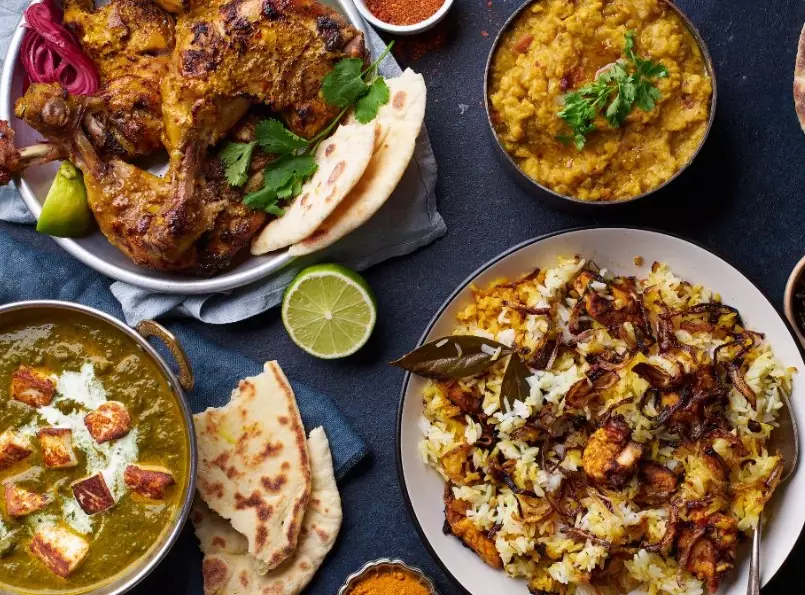
Why These Traditional Indian Dinner Recipes Actually Work
You might wonder, why focus on tradition? Because these recipes have survived for a reason. They're balanced, nutritious, and designed to be satisfying. A typical Indian dinner plate isn't just one item; it's a combination. You'll often have a main protein dish (like a curry), a lentil or bean dish (dal), a vegetable side, some bread or rice, and maybe a raita (yogurt sauce). This combo ensures you get a bit of everything – protein, fiber, carbs. It’s a complete meal philosophy, not just a random recipe.
And the best part? Many of these traditional Indian dinner recipes are incredibly forgiving. They reheat beautifully, often tasting even better the next day. Perfect for meal prep.
The 5 Core Traditional Indian Dinner Recipes You Should Master
Instead of throwing a hundred recipes at you, let's focus on five foundational ones. Master these, and you can mix and match to create countless dinner combinations. Think of these as your core toolkit for authentic Indian recipes for dinner.
Butter Chicken (Murgh Makhani) – The Crowd-Pleaser
Okay, I know it's ubiquitous, but there's a reason. A good butter chicken is magical. The version you often get outside India can be overly sweet and orange. The traditional heart of it is tender chicken in a rich, creamy tomato gravy that's tangy, slightly sweet, and aromatic. It’s a fantastic entry point.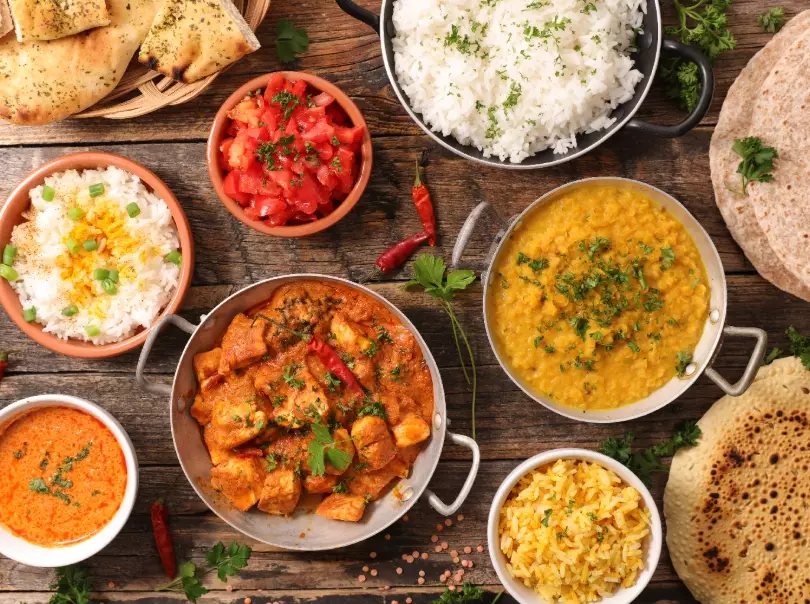
Why it's a great dinner choice: It's universally loved, pairs perfectly with plain rice or naan, and while it seems fancy, the process is straightforward. It’s also a great way to use up leftover roasted or grilled chicken.
The Key Ingredients (and where to find them):
- Boneless chicken: Thighs work best for flavor and not drying out.
- Tomatoes: Fresh, ripe ones blended into a puree. Canned tomato puree works in a pinch, but fresh gives a brighter flavor.
- Cashews: Soaked and blended, they are the secret to that luxurious, creamy texture without needing tons of cream.
- Kasuri Methi (Dried Fenugreek Leaves): This is non-negotiable for that distinct, earthy aroma. Find it in any Indian grocery or online. Crush it between your palms before adding.
- Garam Masala: A blend of warming spices like cardamom, cinnamon, cloves. Buy a good brand or make your own.
The Process, Simplified:
- Marinate: Chicken in yogurt, ginger-garlic paste, turmeric, chili powder, and salt for at least 30 minutes (overnight is gold).
- Cook the Base: Sauté onions, then add ginger-garlic paste, followed by tomato puree. Cook it down until the oil separates – this is crucial for depth.
- Blend & Simmer: Add the cooked tomato mixture to a blender with soaked cashews. Blend smooth, return to pan.
- Combine: Add the marinated chicken (you can grill or pan-fry it first for char, or add it raw to the gravy to simmer). Pour in some water, simmer until chicken is cooked.
- Finish: Stir in cream (or more blended cashews for a dairy-free version), a big knob of butter, crushed kasuri methi, and a pinch of garam masala. Don't boil after adding cream.
Rajma (Red Kidney Bean Curry) – The Comfort Food King
This is the ultimate North Indian comfort food. Creamy, protein-packed kidney beans in a thick, spiced onion-tomato gravy. It’s vegan, hearty, and ridiculously cheap to make. Served with steamed rice, it’s a meal that feels like home.
Why it's a great dinner choice: It's a one-pot wonder (mostly), uses pantry staples, is incredibly nutritious, and is deeply satisfying. It also freezes like a dream.
The Secret to Perfect Rajma: The beans. If you have time, soak dried kidney beans overnight and cook them with a pinch of baking soda until melt-in-your-mouth tender. The canned route is absolutely fine for a weeknight – just rinse them well. But the flavor from beans cooked in their own broth is another level. For an authentic touch, look for the darker, smaller "Chitra" variety of rajma at Indian stores.
The spice profile here is simpler. Onions, tomatoes, ginger, garlic, cumin, coriander powder, and the star – rajma masala (a specific spice blend you can buy or approximate with garam masala and extra cumin). The finish is often a "tadka" (tempering) of ghee with cumin seeds and dried red chilies poured over the top.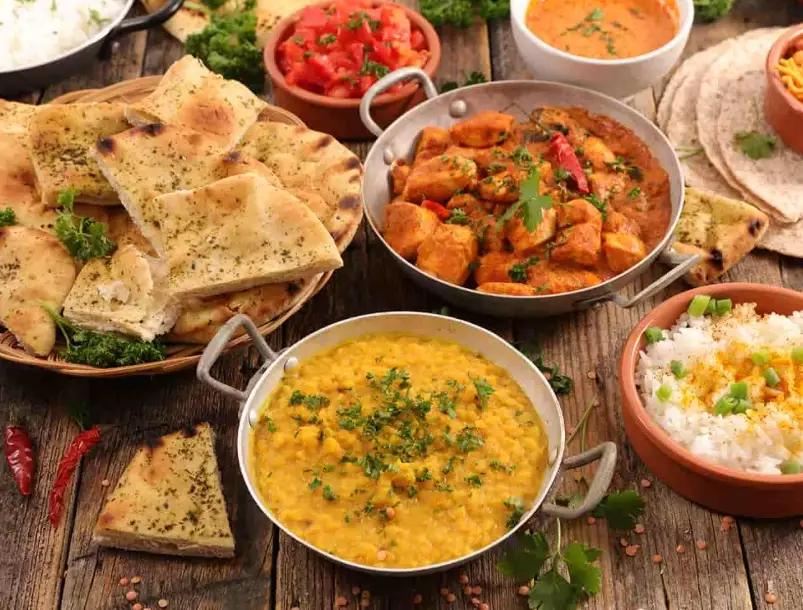
It’s humble food, but when done right, it’s spectacular. A top contender for easy Indian dinner recipes that don't skimp on soul.
Palak Paneer (Spinach with Indian Cottage Cheese) – The Healthy Powerhouse
Bright green, creamy, and packed with vitamins. This is where you sneak in those greens and nobody complains. Soft cubes of paneer (a firm, mild cheese) nestled in a smooth, spiced spinach puree.
Why it's a great dinner choice: It comes together in under 30 minutes, it's visually stunning, and it feels indulgent while being packed with good stuff. Great with roti or jeera rice.
Here’s a personal tweak I swear by: blanch the spinach. Don't just sauté it. Plunge fresh spinach into boiling water for 60 seconds, then straight into ice water. This locks in that vibrant green color. Nobody wants grey palak paneer. Blend it with a green chili and a small piece of ginger for the base.
For the paneer, lightly pan-fry the cubes until golden. This gives them a slight crust and prevents them from dissolving into the gravy. Add them at the very end, just to warm through.
The flavor comes from a simple base of cumin, onions, and tomatoes, with a hit of garam masala at the finish. A splash of cream is traditional, but you can use coconut milk or cashew cream.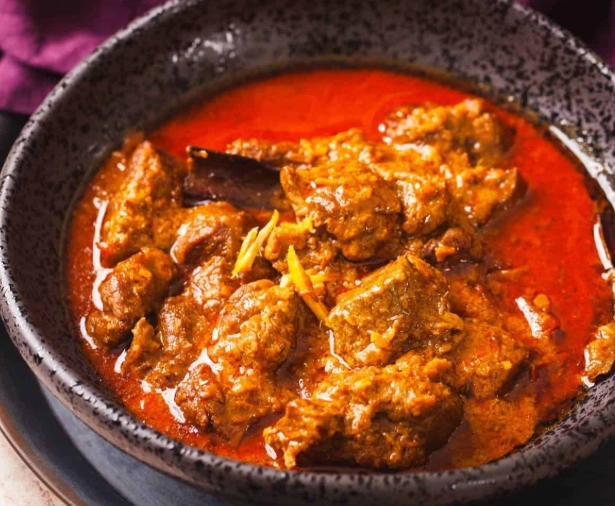
Chana Masala (Chickpea Curry) – The Weeknight Hero
If I had to pick one traditional Indian recipe for dinner to recommend to a beginner, it might be this. It’s robust, tangy, spicy, and uses canned chickpeas for instant gratification. The defining flavor is "amchur" (dried mango powder), which gives it a distinctive sour kick.
Why it's a great dinner choice: It's lightning fast, uses pantry staples, is vegan, and is incredibly flavorful. It’s the perfect answer to "what can I make quickly that's still exciting?"
The process is almost laughably simple: sauté onions and spices, add tomatoes, cook down, add chickpeas and water, simmer. Finish with amchur and fresh coriander. The magic is in the spice mix – cumin, coriander powder, turmeric, a good amount of chili powder, and a special chana masala blend (MDH or Everest brands are widely used in Indian homes).
For a textural twist, I sometimes mash a few chickpeas against the side of the pan with the back of a spoon. It thickens the gravy naturally and makes it cling to the remaining whole chickpeas beautifully.
Vegetable Biryani (A One-Pot Wonder) – The Special Occasion Star
Biryani can seem intimidating. Layers, parboiled rice, complex spices. But a simple vegetable biryani is a complete meal in one pot—spiced rice and vegetables cooked together via the "dum" method (sealed, slow cooking). It’s fragrant, festive, and makes for impressive leftovers.
Why it's a great dinner choice: It's a showstopper with minimal active cooking time. Most of the work is prep, then you let the pot do its thing. It also scales up easily for a crowd.
The key is the rice. Use a good quality basmati rice, soak it for 30 minutes, and parboil it until it's 70% cooked. The vegetables (potatoes, carrots, cauliflower, beans) are marinated in yogurt and spices. Then you layer: ghee at the bottom, half the rice, the spiced vegetable mixture, the rest of the rice. Sprinkle saffron milk (or turmeric milk for color), fried onions, mint, and coriander. Seal the lid with dough or a tight-fitting lid wrapped in a cloth, and cook on very low heat for 20-25 minutes. Let it rest for 10 minutes before opening.
The burst of steam and aroma when you open the pot? That’s the reward.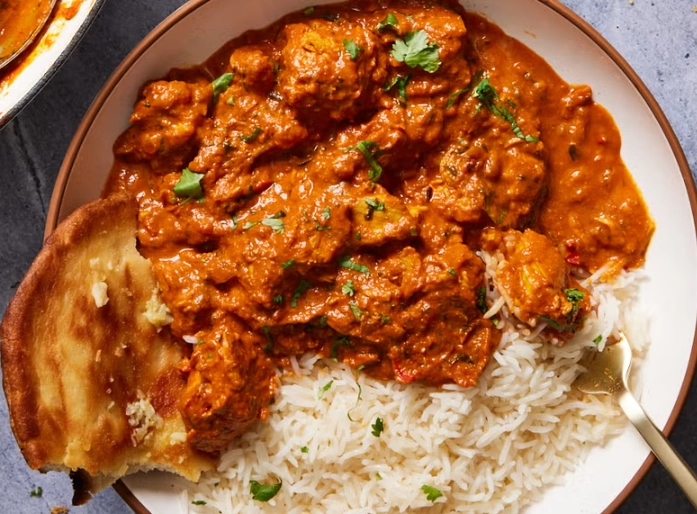
The Spice Cabinet: Your Real Kitchen Allies
You don't need fifty jars. Start with these essentials. I’ve linked to reliable resources where you can learn more about their origins and uses, like the detailed spice glossary on Veg Recipes of India, a site run by a passionate home cook which is a treasure trove of authentic information.
| Spice | Form to Buy | What It Adds | My Quick Tip |
|---|---|---|---|
| Cumin Seeds (Jeera) | Whole seeds | Earthy, nutty base flavor. Often the first thing in the hot oil. | Toast them lightly in a dry pan until fragrant before grinding for powder. |
| Coriander Seeds (Dhania) | Whole seeds & Powder | Citrusy, floral, light. The backbone of most curry powders. | Powder loses potency fast. Grind small batches from whole seeds. |
| Turmeric (Haldi) | Powder | Earthy warmth, vibrant yellow color, anti-inflammatory properties. | Add it early in the cooking process to mellow its raw flavor. |
| Red Chili Powder | Powder (Kashmiri for color, regular for heat) | Heat and color. Kashmiri chili powder gives a bright red hue without brutal heat. | Mix Kashmiri and a hotter powder to control both color and spice level. |
| Garam Masala | Powder (blend) | Warming, complex (cinnamon, cardamom, cloves etc.). The finishing touch. | Add it in the last 2 minutes of cooking. Heat kills its delicate aroma. |
See? Not so scary. Store them in airtight jars away from light and heat. They are the soul of your traditional Indian dinner recipes.
Building Your Indian Dinner Plate: Practical Combos
Now, how do you put it all together? Here are three realistic dinner combinations based on time and effort.
The 45-Minute Weeknight Win:
- Main: Chana Masala (from canned chickpeas)
- Side: Quick Cucumber Raita (grated cucumber in whisked yogurt with roasted cumin powder and salt)
- Carb: Store-bought whole wheat rotis (heated on a flame) or instant pot basmati rice.
This is my go-to when I'm tired but want real food. It’s a balanced, satisfying plate of traditional Indian recipes for dinner with minimal fuss.
The Sunday Comfort Spread:
- Main: Rajma (made from dried beans you soaked overnight)
- Side: A simple dry-spiced potato dish (Aloo Jeera)
- Fresh Salad: Onion, tomato, cucumber slices with lemon juice
- Carb: Steamed long-grain rice
This is the meal that defines comfort. The beans are creamy, the potatoes are savory, and the fresh salad cuts through the richness. Leftover rajma tastes even better tomorrow.
The "Impress Guests" Menu:
- Main: Butter Chicken
- Vegetable: Palak Paneer
- Bread: Homemade Garlic Naan (or good quality frozen ones baked)
- Accompaniment: Pickled onions, Mint Chutney
Colorful, rich, and has something for everyone. The key is prep: marinate the chicken and make the chutney ahead of time.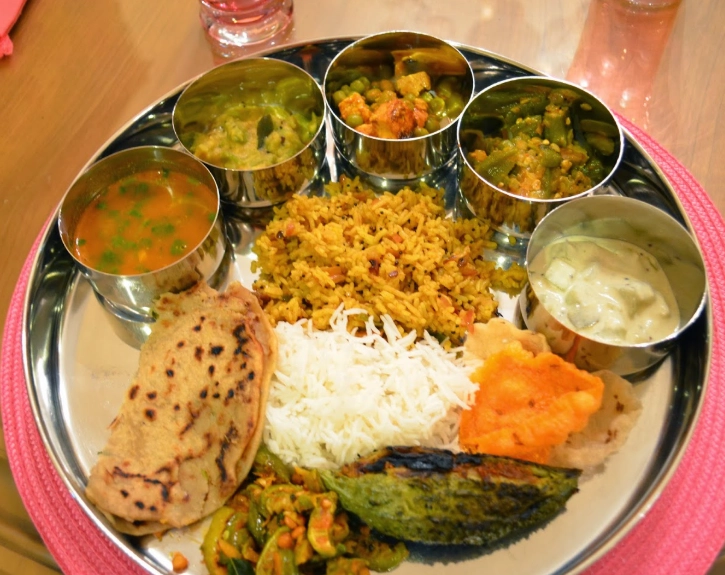
Answering Your Real Questions (FAQs)
Here are the things people actually ask me, not just textbook questions.
Let's Wrap This Up
Cooking traditional Indian food for dinner isn't about replicating a restaurant. It's about embracing a way of cooking that's layered, forgiving, and deeply nourishing. Start with one recipe—maybe the Chana Masala or Rajma. Get comfortable with the process. Taste fearlessly. Adjust.
The goal isn't perfection. The goal is a delicious, home-cooked meal that fills your kitchen with incredible smells and your belly with warmth. Those traditional Indian dinner recipes have been passed down through generations not because they were complicated, but because they worked. They brought people together. They turned simple ingredients into something special.
So, go on. Pick a recipe, grab your spices, and give it a try. The worst that can happen is you order pizza. The best? You discover a new favorite way to feed yourself and the people you love.
And remember, even in India, every home kitchen has its own version. So now, you get to create yours.
Discussion