Quick Navigation
- Your Starter Kit: The Spice Rack Simplified
- The Core Techniques That Make Everything Click
- Top 3 Easy Indian Dinner Recipes You Can Make Tonight
- Navigating Common Dietary Paths: Vegetarian & Quick Options
- Answering Your Real Questions (The Stuff That Stops You)
- Building Your Confidence: Next Steps After the Basics
Let's be real. For the longest time, I thought cooking Indian food at home was a weekend project. Something you needed a degree in spice blending for, or at least an auntie whispering secrets over your shoulder. My first attempt at a curry involved a spice list longer than my arm and a result that tasted... well, suspiciously like burnt cumin and regret. It was enough to send anyone back to the takeout menu.
But here's the thing I learned after a lot of trial and error (mostly error): authentic flavor doesn't have to be complicated. The heart of Indian home cooking is often stunningly simple, relying on a handful of core techniques and spices. Those easy Indian recipes I was searching for? They were hiding in plain sight, in the quick meals families make on a Tuesday night.
So, if you've ever stared at a recipe for butter chicken and felt your enthusiasm wilt, this is for you. We're stripping away the intimidation. We're talking about easy Indian recipes you can actually make after work, with ingredients you can find, that will absolutely wow you with their flavor. No prior expertise required.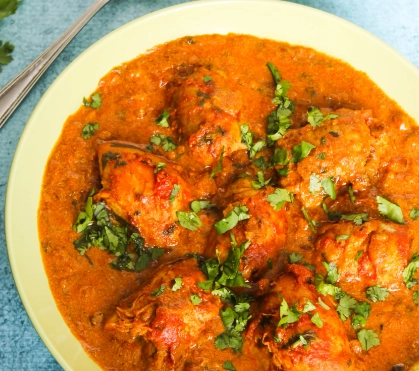
Your Starter Kit: The Spice Rack Simplified
This is where most people panic. They see "garam masala" and "kasuri methi" and assume they need a specialty store. You don't. For 90% of easy Indian recipes, you can build incredible flavor with a very short list. Think of it as building a wardrobe—start with the basics, then add pieces as you go.
The Non-Negotiable Foundation: You probably have some of these already.
- Cumin Seeds (Jeera): The nutty, earthy backbone. A teaspoon toasted in oil at the start of a dish changes everything.
- Coriander Powder (Dhania): Citrusy, sweet, and floral. It's the gentle giant that rounds out sharper flavors.
- Turmeric Powder (Haldi): For that warm, golden color and its subtle earthy bitterness. A health powerhouse, too.
- Red Chili Powder or Paprika: For heat and color. If you're sensitive to spice, use Kashmiri red chili powder (it's milder) or sweet paprika for just the color.
- Garam Masala: The king of blends. Don't stress about making your own yet. A good store-bought one is perfect. It's usually added at the end of cooking for a fragrant punch.
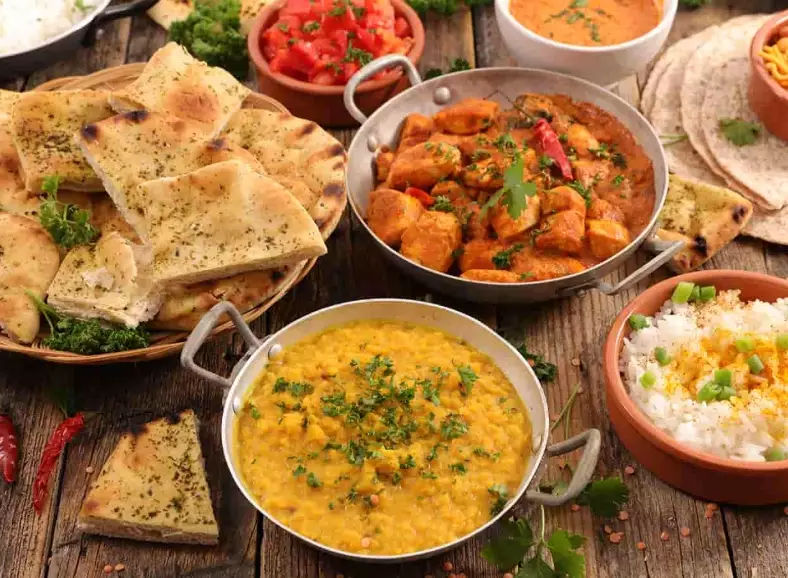
A reader once asked me, "What if I only buy three spices to start?" My answer: Cumin seeds, coriander powder, and garam masala. With just those, you can make a shocking number of delicious, easy Indian recipes.
Once you're comfortable, you can explore the wonderful world of asafoetida (hing), mustard seeds, and dried fenugreek leaves. But for day one? The list above is your golden ticket.
Essential Spices for Easy Indian Recipes: A Quick-Reference Table
| Spice | Flavor Profile | Used Typically In | Beginner Priority |
|---|---|---|---|
| Cumin Seeds (Jeera) | Earthy, nutty, warm | Tempering (tadka), rice, curries, lentils | Top Priority |
| Coriander Powder (Dhania) | Citrusy, sweet, floral | Almost all curries and gravies | Top Priority |
| Turmeric Powder (Haldi) | Earthy, slightly bitter, pungent | Everything for color and base flavor | Top Priority |
| Garam Masala | Warm, sweet, complex (cinnamon, cardamom, cloves) | Added at the end of curries, rice dishes | Top Priority |
| Red Chili Powder | Spicy, pungent | For heat in curries and marinades | High |
| Mustard Seeds (Rai) | Pungent, nutty when popped | South Indian tempering, pickles | Medium (Add later) |
| Kasuri Methi (Dried Fenugreek Leaves) | Bitter, aromatic, maple-like | Butter chicken, paneer dishes, parathas | Medium (Add later) |
Store your spices in a cool, dark place, not above the stove! Heat and light are their worst enemies. The USDA's guidelines on dry storage apply perfectly here—it keeps them potent for your easy Indian cooking adventures.
The Core Techniques That Make Everything Click
Indian cooking isn't just about throwing spices in a pot. A couple of simple techniques unlock the magic. Master these, and you can improvise.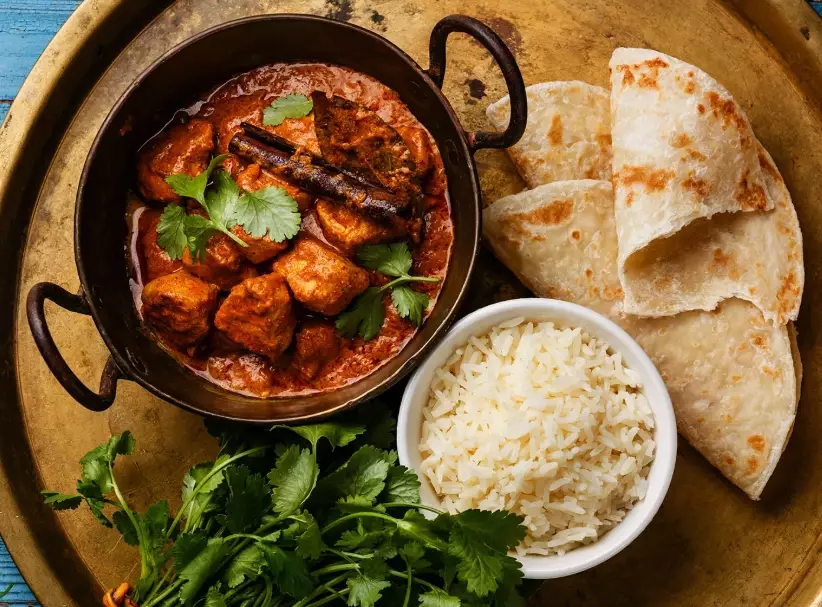
The Tempering (Tadka)
This is the secret weapon. It's the process of frying whole spices in hot oil or ghee to release their essential oils before adding other ingredients. That sizzle you hear in Indian restaurants? That's the tadka. For an easy Indian dal (lentil soup), you cook the lentils plainly, then in a separate small pan, you heat oil, add cumin seeds and maybe a dried chili until they sizzle and pop, then you pour this fragrant oil over the cooked dal. It transforms it from bland to brilliant in 60 seconds.
The Onion-Tomato-Ginger-Garlic Base
So many easy Indian recipes start here. You cook down onions until golden, then add ginger-garlic paste, then tomatoes, and cook until the oil starts to separate from the mixture. This creates a rich, thick gravy foundation that carries the spices beautifully. It takes patience (15-20 minutes), but it's mostly hands-off simmering. This is non-negotiable for a good curry.
I used to rush the onion cooking. Big mistake. Taking the time to get them properly soft and golden, not just translucent, is what gives a curry its deep, sweet foundation. It's the difference between a thin sauce and a luscious gravy.
Top 3 Easy Indian Dinner Recipes You Can Make Tonight
Let's move from theory to practice. These are my absolute go-to, crowd-pleasing, weeknight-friendly dishes. I've made each one dozens of times.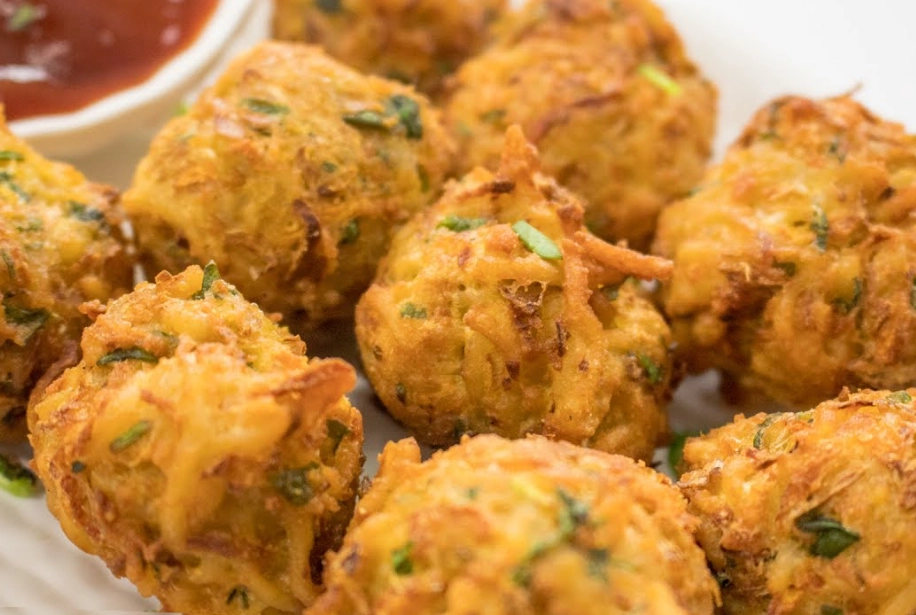
1. One-Pot Chickpea Curry (Chana Masala)
This is the ultimate beginner-friendly dish. It's vegan, packed with protein, and uses mostly canned ingredients. The flavor is tangy, spicy, and deeply satisfying.
Why it's easy: One pot, canned chickpeas, no marinating, and the spice list is short. It's forgiving.
Simplified Process: Sauté onion, ginger, garlic. Add coriander, cumin, turmeric, chili powder. Throw in canned tomatoes and chickpeas with their liquid. Simmer 20 minutes. Finish with garam masala and a squeeze of lemon. Serve with rice or bread. That's it. You've just made a classic.
2. 20-Minute Jeera Rice (Cumin Rice) with Simple Dal
This isn't a single recipe but a perfect, balanced meal strategy. While plain rice cooks, you can make a simple yellow dal (lentils) and the most fragrant rice you've ever had.
For the Jeera Rice: Cook basmati rice. In a separate pan, heat ghee or oil, add a tablespoon of cumin seeds and a few whole peppercorns until they crackle. Mix this gently into the cooked rice with salt. The aroma is insane.
For the Simple Dal (Tadka Dal): Boil red lentils (masoor dal) with turmeric and water until mushy (15 mins). In a small pan, do a tempering with ghee, cumin seeds, a pinch of asafoetida (if you have it), and dried red chilies. Pour over the dal. The combo of the creamy lentils and the fragrant, buttery rice is home cooking at its finest.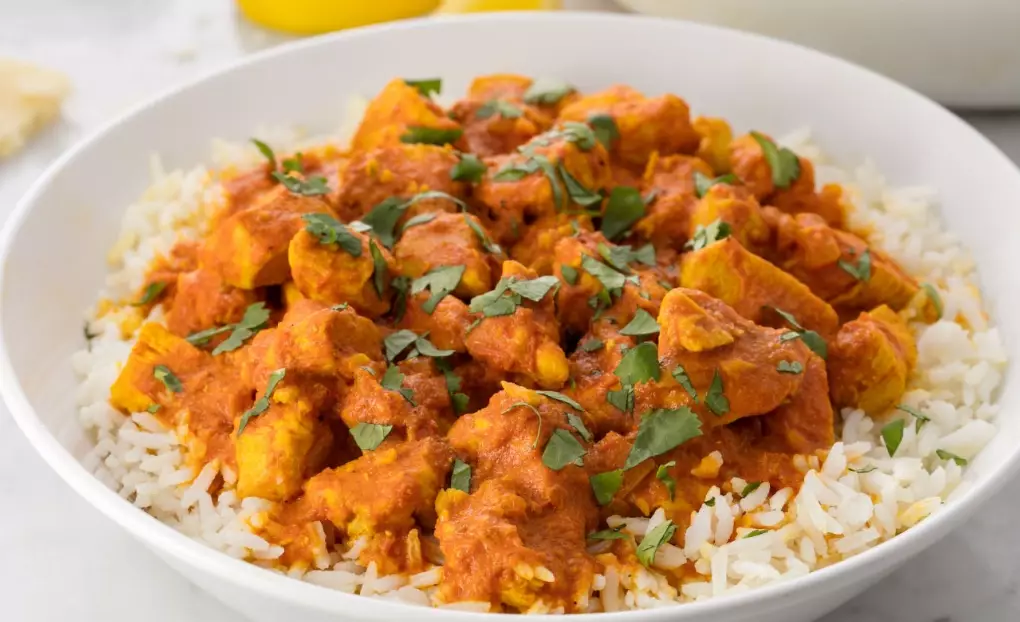
3. Sheet Pan Tandoori Chicken & Vegetables
No marinating for hours. This is a cheat's version that delivers on flavor with minimal fuss. It's all about a quick yogurt-based coating and high-heat roasting.
The Shortcut Marinade: Mix Greek yogurt with ginger-garlic paste, Kashmiri red chili powder (for color), turmeric, coriander powder, garam masala, salt, and a squeeze of lemon. Coat chicken pieces (thighs work best) and chopped veggies like bell peppers and onions. Spread on a sheet pan. Roast at 425°F (220°C) for 25-30 minutes until charred at the edges. The yogurt keeps the chicken juicy, and the oven does the "tandoor" work.
See? No complex steps. Each of these easy Indian recipes focuses on maximizing flavor with minimal ingredients and time. They're the ones I recommend to friends who are scared to start.
Navigating Common Dietary Paths: Vegetarian & Quick Options
A huge draw of Indian cuisine is its incredible vegetarian tradition. If you're looking for easy Indian vegetarian recipes, you're in luck—the cuisine is a treasure trove.
- Paneer is Your Friend: Indian cottage cheese doesn't need to be cooked, just added to sauces. A simple Palak Paneer (creamy spinach with paneer) is just blanched spinach blended, cooked with spices, and paneer cubes stirred in at the end.
- Lentils and Legumes (Dal): This is the ultimate comfort food. There are dozens of varieties. Start with red lentils (masoor dal) as they cook the fastest and require no soaking.
- Vegetable Sabzi: Dry-spiced stir-fried vegetables. Cabbage, potatoes, green beans—all can be cooked with just mustard seeds, turmeric, and grated coconut for a simple, healthy side in under 15 minutes.
For reliable, science-backed information on handling ingredients like legumes and vegetables safely, I always cross-check with resources like the FDA's safe food handling guidelines. It's boring but crucial, especially when cooking for others.
And for those nights when time is the biggest enemy? Your freezer and pantry are allies. Frozen peas and spinach work perfectly in Indian dishes. Canned tomatoes are often better than off-season fresh ones for curries. Pre-made ginger-garlic paste in a jar is a totally acceptable timesaver. The goal is to get a delicious meal on the table, not to win a purity contest.
Answering Your Real Questions (The Stuff That Stops You)
I get a lot of emails from readers trying these easy Indian recipes. Here are the real hurdles people face, based on what they actually ask me.
Building Your Confidence: Next Steps After the Basics
Once you've made a few of these easy Indian recipes and gotten comfortable, the whole world opens up. You'll start reading recipes differently—not as rigid instructions, but as suggestions.
You might feel ready to try making your own garam masala blend (it's easier than you think and the aroma in your kitchen is divine). You might seek out one special ingredient, like amchur (dried mango powder) for tang, to play with. The key is to add one new thing at a time.
Remember, the goal isn't perfection. It's flavor and enjoyment. I still have dishes that don't turn out quite right. Last week I added too much chili to a potato dish and we were all gulping water. It happens. The rice was still good.
Trust me on this. Start with one recipe—the chana masala or the jeera rice. Get that win under your belt. You'll realize that the barrier to cooking incredible, easy Indian food at home wasn't skill. It was just knowing where to start. And now you do.
Discussion