Let's get this straight. In Indian cooking, rice isn't just a bland canvas. It's the main event, infused with history, spices, and technique. Think of the layered drama of a biryani, the subtle comfort of a pulao, or the sharp tang of lemon rice. These aren't just recipes; they're stories in a pot. If you've ever been intimidated by the process, or your homemade version never tastes like the one from that little restaurant, you're in the right place. We're going past the basic instructions and into the details that actually matter.
What's Cooking Inside?
The Foundation: It All Starts With Basmati
You can't talk traditional Indian rice without talking basmati. This long-grain rice is the star for a reason. Its name means "fragrant," and when cooked right, each grain stays separate, long, and fluffy. Here's the non-negotiable first step most online recipes gloss over.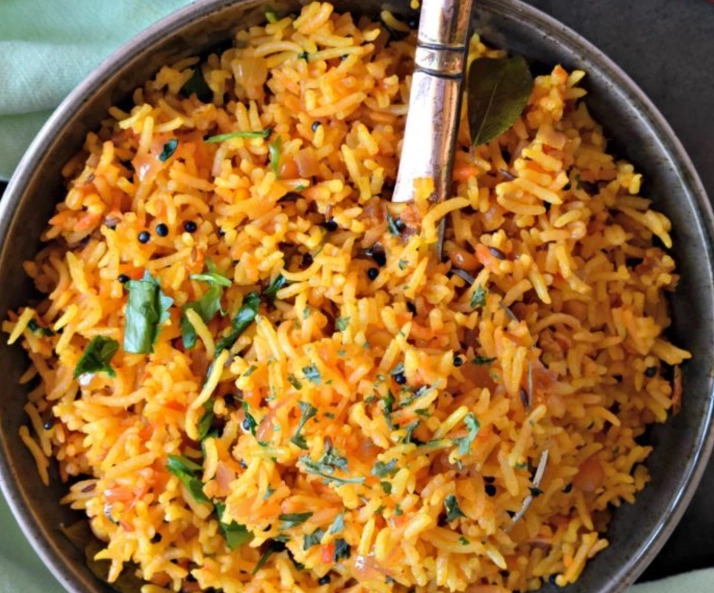
Washing is crucial. Don't just rinse once. Put the rice in a bowl, cover with water, swish with your hands until the water turns cloudy, and drain. Repeat 4-5 times until the water runs almost clear. This removes surface starch that causes mushiness.
The water ratio isn't universal. For perfectly steamed basmati, the classic 1:1.5 (rice to water) works if you soak. For unsoaked rice, try 1:1.75. The best method? Use the knuckle test. Level the rice in the pot, place your fingertip on the rice, and add water until it reaches your first knuckle. It's old-school but reliable.
The Biryani Masterclass: A Layered Legacy
Biryani is the crown jewel. It's a project, but a rewarding one. The magic lies in layering partially cooked rice with marinated meat (or vegetables) and slow-steaming it ('dum') so the flavors marry.
A Brief History & The Regional Divide
Its origins trace back to Persian influences brought by Mughal rulers. Today, you have the starkly different styles of Hyderabad (spicier, uses shorter-grain rice sometimes) and Lucknow (more subtle, fragrant, focused on meat's flavor). The recipe below is a hybrid home-style version that captures the essence.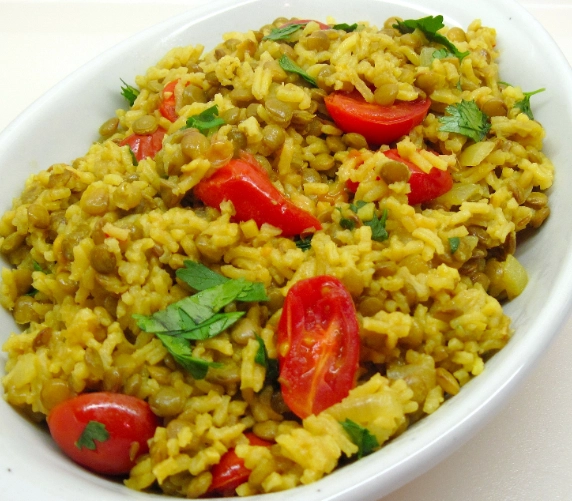
Key Ingredients You Can't Compromise On
- Whole Spices (Garam Masala): Cinnamon sticks, green & black cardamom, cloves, bay leaf, star anise. Toast them briefly in oil/ghee to unleash their oils.
- Saffron & Kewra Water: Saffron strands soaked in warm milk and a few drops of kewra (screwpine) water. This is the signature aroma. Don't skip it.
- Fried Onions (Birista): Thinly sliced onions fried until deep golden brown and crispy. They add sweetness and texture. Store-bought works in a pinch, but homemade is transformative.
The Step-by-Step Process: Chicken Biryani
1. Marinate the Chicken: For 1 kg chicken, mix 1 cup yogurt, 2 tbsp ginger-garlic paste, 1 tsp turmeric, 2 tsp red chili powder, 2 tsp biryani masala, salt, and half the fried onions. Marinate for at least 2 hours, preferably overnight.
2. Par-cook the Rice: In a large pot of boiling salted water with a few whole spices, add soaked basmati rice. Cook until it's 70% done—the grain should have a hard core when pressed. Drain immediately.
3. Layer for 'Dum': In a heavy-bottomed pot, spread a layer of the marinated chicken. Top with a layer of par-cooked rice. Sprinkle some fried onions, chopped mint/cilantro, saffron milk, and ghee. Repeat. Finish with a rice layer and all the garnishes.
4. The Slow Steam: Seal the pot with aluminum foil and a tight lid. Cook on the lowest possible heat for 25-30 minutes. Turn off the heat and let it rest, undisturbed, for another 15 minutes. This resting is as important as the cooking.
Pulao Perfection: The One-Pot Wonder
Pulao is biryani's simpler cousin. Here, the rice and vegetables/meat are cooked together in seasoned broth. It's quicker, lighter, and equally comforting.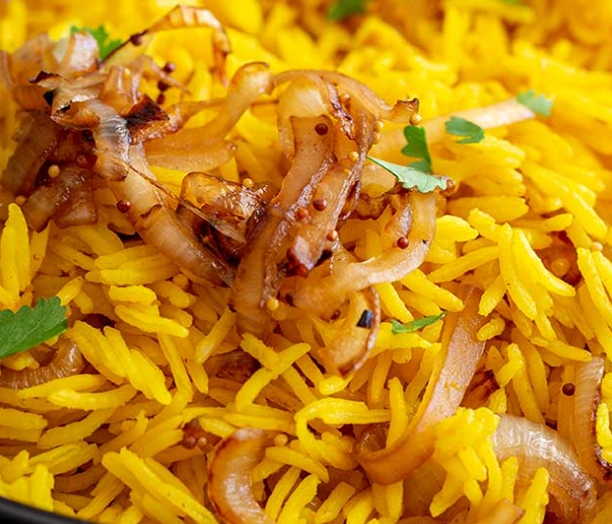
Classic Vegetable Pulao Recipe:
Heat 3 tbsp ghee in a pot. Add 1 bay leaf, 4 green cardamoms, 1 inch cinnamon, 4 cloves. Let them sizzle for 30 seconds. Add 1 sliced onion, cook until soft. Add 1 cup mixed veggies (carrots, peas, beans, cauliflower). Sauté for 3-4 minutes.
Add 1.5 cups soaked basmati rice. Stir gently for a minute. Pour in 2.5 cups of hot vegetable stock or water. Add salt. Bring to a boil, then reduce heat to the lowest setting. Cover and cook for 15 minutes. Turn off heat. Let it sit, covered, for 10 minutes. Fluff with a fork. Garnish with fried nuts.
The difference? Biryani is about distinct layers and complex marination. Pulao is about harmony—everything cooks together, resulting in a subtler, more homogenous flavor.
Quick & Flavorful Everyday Rice Dishes
Not every day is a biryani day. Here are two staples that are ready in the time it takes to cook plain rice.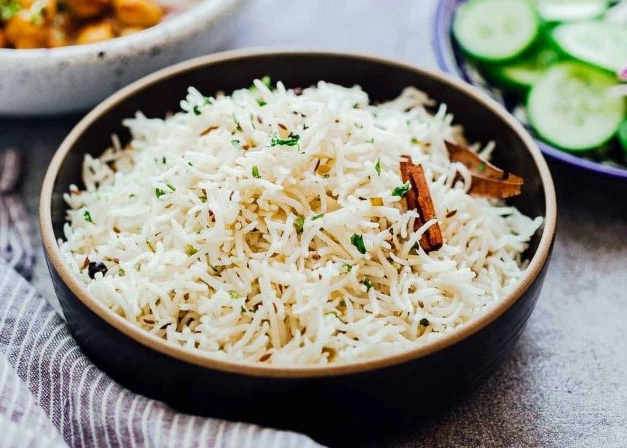
Jeera Rice (Cumin Rice)
This is the ultimate side. Heat ghee, fry 1.5 tsp cumin seeds until they darken a shade and smell nutty. Add the drained, soaked rice. Stir for a minute. Add water and salt. Cook as usual. The trick? Don't burn the cumin. It should be fragrant, not bitter.
Lemon Rice (South Indian Style)
Cook 1 cup rice and spread it on a tray to cool slightly. Heat oil, add mustard seeds, chana dal, urad dal, dried red chilies, curry leaves, and peanuts. Once the dals are golden, add a pinch of turmeric. Turn off heat. Add this tempering to the rice with salt and the juice of 2 lemons. Mix gently. The rice should be yellow and tangy. Perfect for lunchboxes.
| Dish | Key Characteristic | Best Served With | Effort Level |
|---|---|---|---|
| Biryani | Layered, aromatic, celebratory | Raita (yogurt sauce), salan (spicy gravy) | High (Weekend Project) |
| Vegetable Pulao | One-pot, subtle, comforting | Plain yogurt, pickle, papad | Medium (Weeknight Dinner) |
| Jeera Rice | Simple, fragrant, versatile side | Any dal (lentil curry) or curry | Low (Everyday) |
| Lemon Rice | Tangy, tempering-based, portable | On its own or with yogurt | Low (Quick Meal/Leftover Makeover) |
Common Mistakes & The Expert's Corner
After years of trial and error (and some seriously mushy rice), here's what I've learned.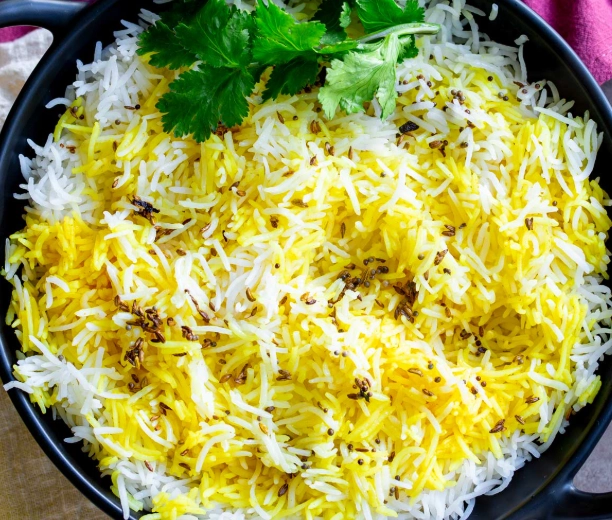
Overcrowding the Pot: Rice needs space to expand. Use a wide, heavy-bottomed pot.
Stirring After Adding Water: Once you add water and bring it to a boil, reduce heat, cover, and walk away. Stirring releases starch and creates gumminess.
Ignoring the Rest: That 10-minute rest off the heat after cooking is when the rice finishes steaming and firms up. It's not optional.
Using Cold Water: Always use hot or boiling water to add to the rice after sautéing. It maintains the cooking temperature and leads to even grains.
For deeper insights into the culinary history and regional variations, resources like the Indian Ministry of Tourism's Incredible India campaign often feature authentic food heritage sections that are worth exploring.
Your Questions, Answered
The journey into traditional Indian rice recipes is endless. Each family has its own touch—a extra pinch of this, a skipped step that works for them. Start with these foundations, master the basics like not peeking during the 'dum,' and then make the recipes your own. That's how these dishes have survived and evolved for centuries.
Discussion