Let's cut to the chase. You're here because you've had that incredible, creamy, slightly sweet, and deeply spiced butter chicken at a good Indian restaurant and thought, "I wish I could make this." Maybe you've tried a few recipes online. The sauce was too thin, or the chicken was dry, or it just tasted... off. It lacked that magic.
I've been there. My first attempt was a tart, orange-colored disaster. After years of tweaking, asking chefs for tips (and a few kitchen experiments gone wrong), I've landed on a method that works. This isn't just a recipe; it's the blueprint for the best butter chicken recipe that balances authenticity with the reality of a home kitchen. We're going for restaurant-style glory without the professional equipment.
Your Recipe Roadmap
The Non-Negotiable Ingredients
Great butter chicken starts with great ingredients. You can't substitute your way to the real deal. Here’s what you need and why it matters.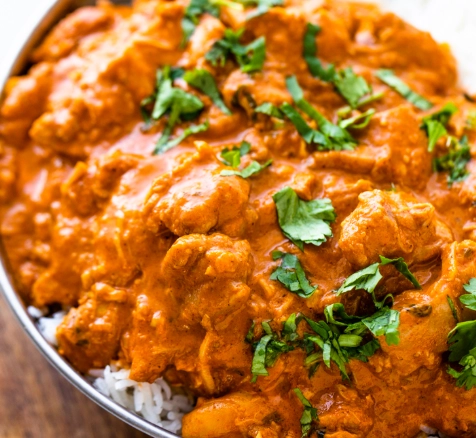
For the Chicken Marinade:
- Boneless, skinless chicken thighs (1.5 lbs / 700g): This is the first secret. Thighs stay juicy during cooking. Breast meat dries out too easily. Trust me on this.
- Full-fat plain yogurt (1/2 cup): Not Greek yogurt, not low-fat. The fat and tang are crucial for tenderizing and flavor.
- Ginger-garlic paste (1 tbsp): Freshly made is ideal. Just blend equal parts peeled ginger and garlic with a splash of water.
- Kashmiri red chili powder (1 tbsp): This is the star. It gives that iconic red color without overwhelming heat. If you must substitute, use 1 tsp paprika + 1/2 tsp cayenne, but the flavor profile changes.
- Garam masala (1 tsp), turmeric (1/2 tsp), salt (1 tsp), lemon juice (1 tbsp): The foundation spices.
For the Gravy (The Soul of the Dish):
- Butter (4 tbsp) & Heavy cream (1/2 cup): It's called butter chicken for a reason. Use unsalted butter. The cream must be heavy/heavy whipping cream (30%+ fat). Half-and-half will split.
- Tomatoes (6 large, ripe): Blanched, peeled, and puréed. Canned whole tomatoes (28 oz can) are a fantastic, consistent alternative. The acid content is key.
- Cashew paste (15 cashews, soaked): This is the second secret for that luxurious, velvety texture. Don't skip it. Soak raw cashews in hot water for 30 minutes, then blend smooth.
- Whole spices: 1 bay leaf, 4 green cardamom pods, 1 cinnamon stick, 4 cloves. We toast these in butter to bloom their oils.
- Kasuri methi (dried fenugreek leaves, 1 tbsp): The third secret. It adds a subtle, bitter-herbal note that defines the dish. Crush it between your palms before adding.
- Sugar (1 tsp) or honey (1/2 tbsp): A tiny bit balances the tomato acidity. Don't make it sweet.
The Step-by-Step Process: Marinate, Grill, Simmer
This recipe works in three clear stages. Rushing any one stage shows in the final dish.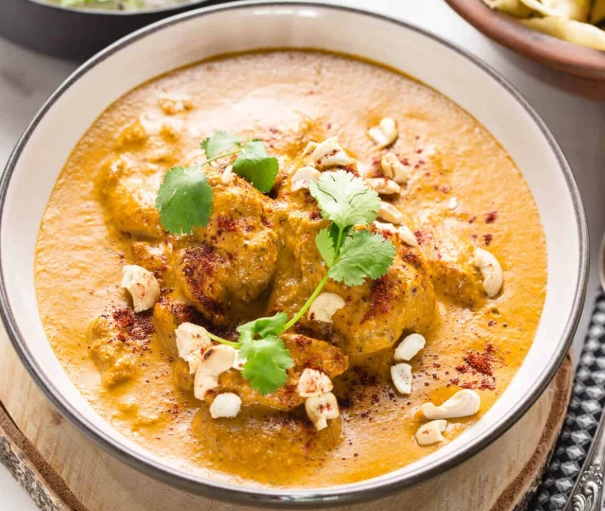
Stage 1: Marinate the Chicken (Minimum 2 Hours, Overnight is Best)
Mix all the marinade ingredients in a bowl. Add the chicken pieces, coat them thoroughly, cover, and refrigerate. The yogurt and acids need time to work. Two hours is the bare minimum. Overnight marination transforms the chicken, letting the spices penetrate deeply.
I plan my Saturday dinners around this. Marinate on Friday night.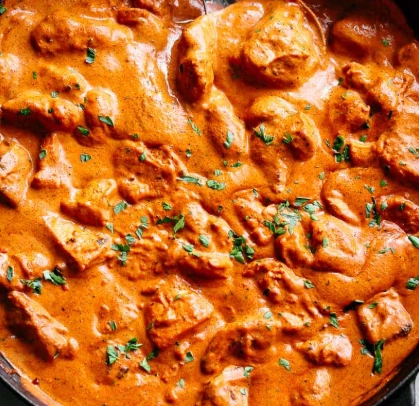
Stage 2: Cook the Chicken (Char is Good!)
Here's where home cooks often go wrong. You don't want to just cook the chicken; you want to give it a char.
Preheat your oven broiler (grill) on high. Or use an outdoor grill. Place the marinated chicken on a wire rack over a baking sheet. Broil for 10-12 minutes, flipping once, until you see dark brown/black spots. Those bits are flavor gold. You can also pan-sear in a very hot skillet with a little oil. The goal is cooked chicken with a smoky, grilled edge. Set aside.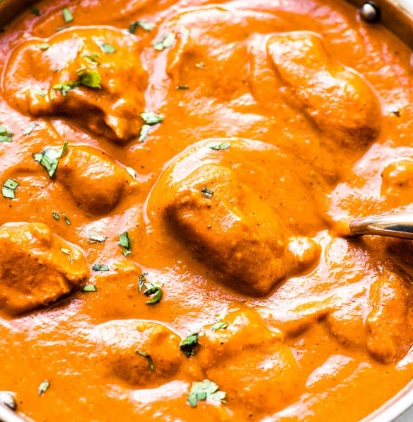
Stage 3: Build the Gravy
This is the meditative part.
1. In a heavy-bottomed pot or Dutch oven, melt 2 tbsp butter over medium heat. Add the whole spices (bay leaf, cardamom, etc.). Let them sizzle for 30 seconds until fragrant. 2. Add the tomato purée. Be careful, it might splatter. Cook, stirring frequently, for 15-20 minutes. This is non-negotiable. You need to cook the raw tomato taste out and concentrate the flavor. The mixture will thicken and the oil will start to separate from the sides. 3. Stir in the cashew paste and cook for another 5 minutes. 4. Now, use an immersion blender to purée the sauce until completely smooth. If you don't have one, let it cool slightly and use a regular blender. This step ensures the silky texture. 5. Return the smooth sauce to the pot. Add the remaining 2 tbsp of butter, heavy cream, kasuri methi, sugar, and salt to taste. Stir on low heat until everything is beautifully combined. 6. Finally, add the grilled chicken pieces and any juices from the tray. Let it simmer gently for 8-10 minutes on low heat, just to let the chicken soak up the gravy. Do not boil vigorously after adding the cream.
Pro Timing: The entire gravy stage takes about 30-40 minutes. Don't rush the tomato cooking. Put on some music and stir. That time is what builds the deep, complex base flavor you get in restaurants.
Expert Tips & Tricks Most Recipes Miss
Anyone can follow a list. Here's the insight from making this a hundred times.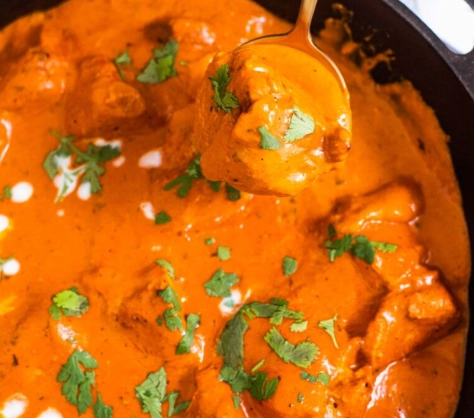
- The Butter Finish: Many recipes add all the butter at once. I add half while building the sauce and stir in the final tablespoon or two right before serving. It gives a fresher, richer butter flavor.
- Cream Temperature: Take your cream out of the fridge 20 minutes before using it. Adding ice-cold cream to a hot sauce can sometimes cause it to seize or look grainy. Room temp blends seamlessly.
- Acid Check: Taste your sauce after adding the cream. If it tastes a bit flat or too rich, a tiny squeeze of lemon juice (just a few drops) can brighten it up magically. Do this off the heat.
- Chicken Stock vs. Water: If your gravy gets too thick during the final simmer, thin it with a splash of warm water or, even better, low-sodium chicken stock. It adds another layer of savoriness.
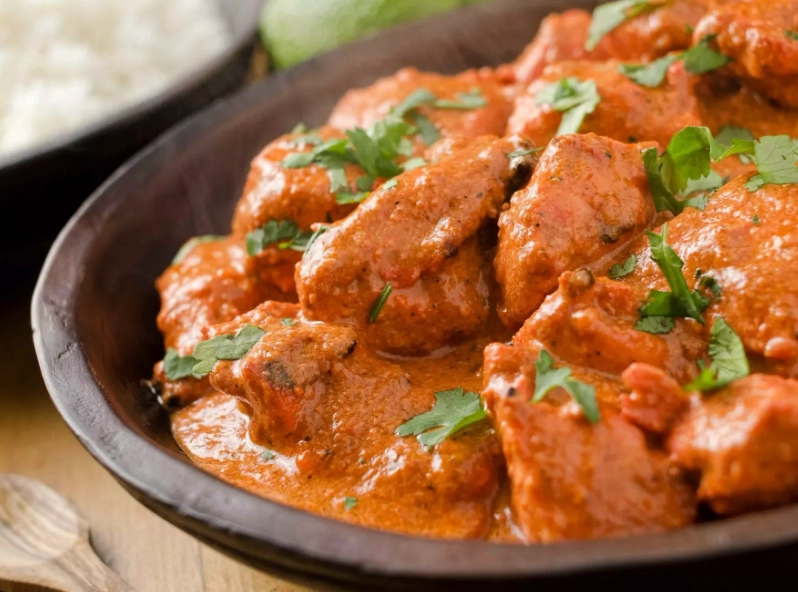
3 Common Mistakes That Ruin Butter Chicken
1. Using Chicken Breast and Overcooking It. Breast meat has less fat. In the time it takes to develop flavor in the gravy, it turns rubbery. Thighs are forgiving and stay succulent. If you must use breast, cut it larger and add it at the very end, just to warm through.
2. Not Cooking the Tomato Purée Long Enough. This is the #1 reason for a sauce that tastes "tinny" or sour. You must cook out the raw tomato acidity. Look for the "fat separation" stage—when the tomato mixture darkens and you see little droplets of oil around the edges of the pot. That's your signal.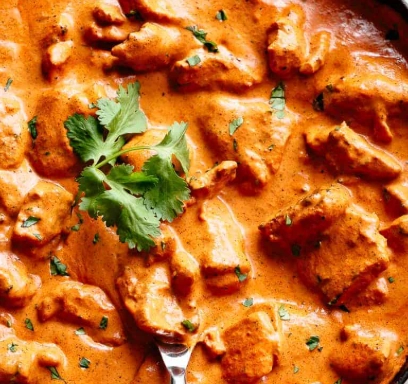
3. Adding the Cream at a Rolling Boil. High heat will cause the dairy to curdle or separate, giving you a grainy sauce. Always reduce the heat to low before stirring in the cream and butter. Gentle warmth is your friend.
Your Butter Chicken Questions, Answered
There you have it. This isn't just another recipe to skim. It's the culmination of getting it wrong to finally get it right. The marination time, the chicken thighs, the patient simmering of tomatoes, the cashew paste, the kasuri methi—each step has a purpose. Follow this guide, pay attention to those details most recipes gloss over, and you'll have a butter chicken that doesn't just mimic your favorite restaurant's version. It might just surpass it.
Now, go marinate some chicken.
Discussion