You know the scene. You're at your favorite Indian restaurant, and that first bite of butter chicken hits you. It's smoky, creamy, tangy, and rich all at once. The chicken is tender, the gravy is velvety, and you swear you could drink it. Then you go home and try a recipe. The result? A pale, orange soup with dry chicken chunks. What went wrong?
Most online recipes skip the crucial steps that transform good murgh makhani into great. I've spent years tweaking this dish, learning from home cooks in Delhi and my own (many) failed attempts. The secret isn't just more butter or cream. It's in the technique.
What's Inside This Guide
The Real Story Behind Butter Chicken
Let's clear something up. Butter chicken wasn't invented by ancient royalty. It's a brilliant accident from 1950s Delhi. The story goes that cooks at Moti Mahal restaurant didn't want to waste leftover tandoori chicken, which dries out quickly. They tossed it in a tomato gravy enriched with butter and cream. A global phenomenon was born.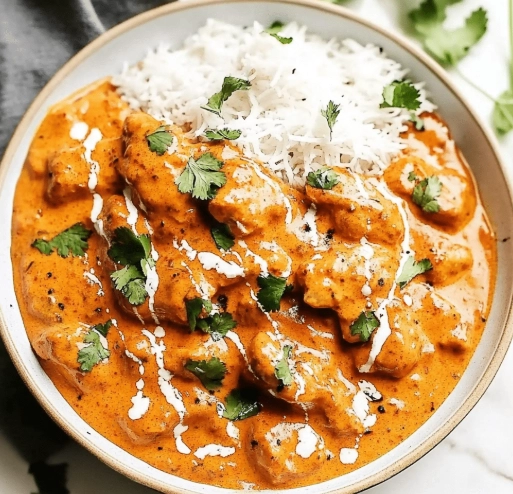
That origin story matters. It tells you two things: the chicken must have that tandoori char, and the gravy is a rescue operation for dry meat. If you start with bland, boiled chicken, you've already lost. According to historical accounts from sources like the Wikipedia entry on Butter Chicken, this narrative is widely accepted, highlighting its practical, not ceremonial, beginnings.
Key Ingredients You Can't Compromise On
You can find a hundred ingredient lists. Here’s what actually makes a difference.
The Chicken & Marinade
Use boneless, skinless chicken thighs. Breasts will almost always end up drier. The fat in thighs keeps them juicy through the double cooking (marinating/grilling and then simmering in gravy). For the marinade, full-fat yogurt is non-negotiable. Its acidity and fat tenderize deeply. Kashmiri red chili powder gives vibrant color without overwhelming heat.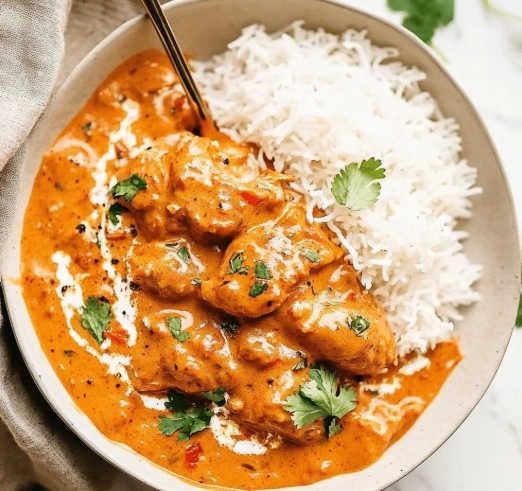
The Gravy Foundation
This is where the magic happens. You need:
Tomatoes: Use canned, whole, peeled tomatoes. They're consistently ripe and cooked down into a sweeter, deeper paste than fresh ones, unless it's peak summer.
Cashews: Soaked and blended, they add body and a subtle sweetness that cream alone can't provide. This is a pro trick many home recipes omit.
Whole Spices: Green cardamom, cloves, cinnamon stick. Toast them in the butter at the start. Their flavor infuses the entire dish.
My Step-by-Step Murgh Makhani Recipe
This isn't a 30-minute meal. Good butter chicken takes time, mostly hands-off. Plan for about 3 hours, with only 45 minutes of active work.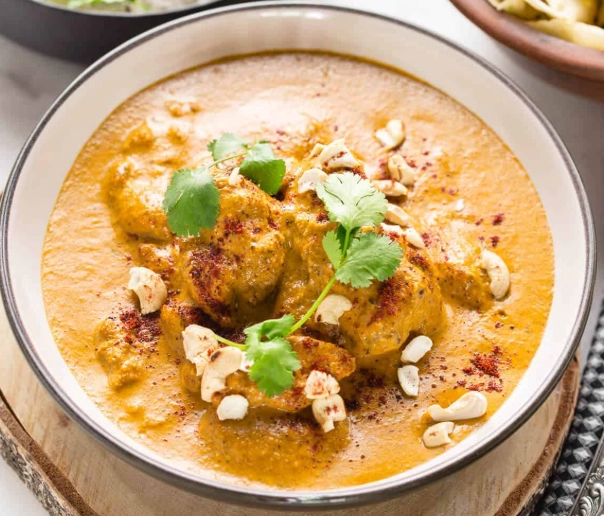
Part 1: Marinating and Cooking the Chicken
Mix 1 lb chicken thighs with 1/2 cup yogurt, 1 tbsp ginger-garlic paste, 1 tbsp Kashmiri chili powder, 1 tsp garam masala, 1/2 tsp turmeric, and 1 tbsp lemon juice. Add 1 tbsp oil. Marinate for at least 2 hours, overnight is ideal.
Now, cook it. The goal is char and smoke.
- Best method: Grill on high heat or use a grill pan.
- Good method: Broil on high for 6-8 minutes per side.
- Okay method: Pan-sear in a very hot skillet.
The chicken doesn't need to be fully cooked through now. We just want color and flavor. Set it aside.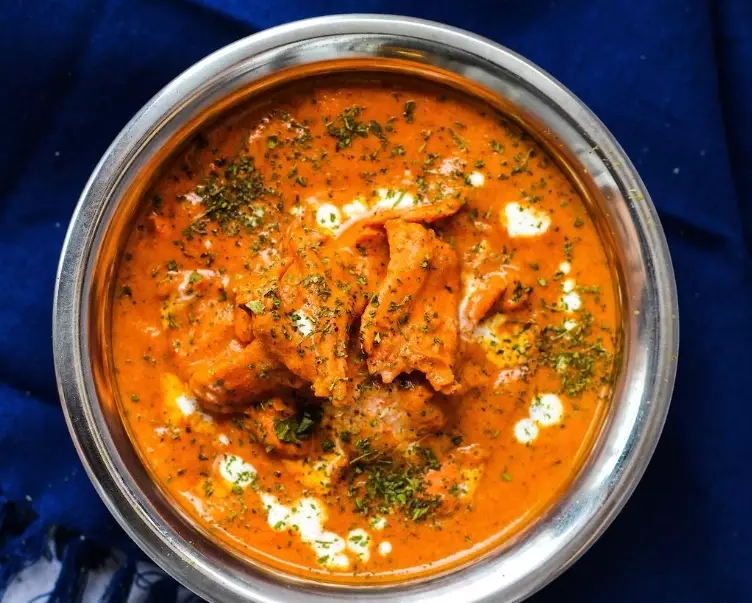
Part 2: Building the Gravy (The Heart of the Dish)
- Soak 15-20 raw cashews in hot water for 30 minutes.
- In a heavy pot, melt 3 tbsp butter and 1 tbsp oil. Add 2 green cardamom pods, 2 cloves, 1 cinnamon stick. Let them sizzle for 30 seconds.
- Add 1 large, finely chopped onion. Cook on medium-low until deeply golden brown, about 15 minutes. No rushing.
- Add 1 tbsp each of ginger and garlic paste. Cook for 2 minutes.
- Add one 28-oz can of tomatoes (with juices) and the drained cashews. Simmer uncovered for 25-30 minutes. Stir occasionally. It should thicken and the oil will start to separate at the edges. This step is non-negotiable. It cooks out the raw tomato taste and concentrates flavor.
- Let it cool slightly, then blend until perfectly smooth. A regular blender works better than an immersion blender here.
- Pour the smooth gravy back into the pot. Add 1 tsp Kashmiri chili powder, 1.5 tsp garam masala, 1 tsp dried fenugreek leaves (kasuri methi—crush them in your palms), and salt to taste.
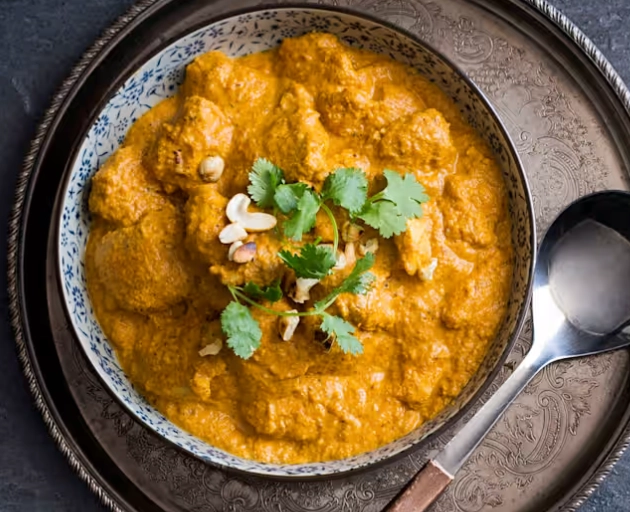
Part 3: The Final Union
Cut the grilled chicken into bite-sized pieces. Add it to the simmering gravy along with any juices. Let it cook together gently for 8-10 minutes, just to heat the chicken through and let it absorb the gravy.
Turn off the heat. Now, stir in 1/3 to 1/2 cup of heavy cream and 2 tbsp of cold, cubed butter. The residual heat will melt the butter and warm the cream without curdling it. This final addition makes the gravy glossy and restaurant-style rich.
Garnish with more cream and cilantro. Serve with naan or basmati rice.
3 Common Mistakes That Ruin Butter Chicken
Mistake 2: Undercooking the Tomato Paste. If you don't simmer the tomato-cashew base long enough, your gravy will taste acidic and raw, no matter how much butter you add. Cook it until the oil floats on top.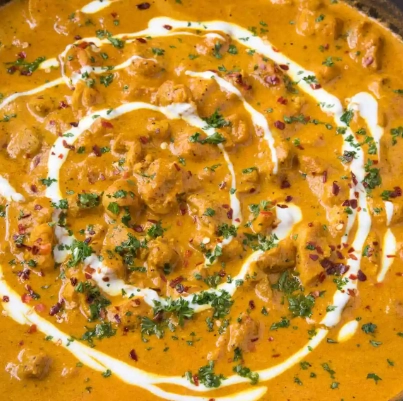
Mistake 3: Using Boneless Breast (Without Care). If you must use chicken breast, don't grill it as long. Just get color on it, then let it finish cooking entirely in the gravy. This poaches it gently and keeps it from turning into rubber.
Restaurant vs. Home Cooked: A Reality Check
Can you really match the restaurant? Yes and no.
| Aspect | Restaurant | Home Kitchen (Our Recipe) |
|---|---|---|
| Chicken Smoke | Real tandoor oven for intense char. | Grill/broiler gives good flavor. A pinch of smoked paprika in the marinade can help mimic it. |
| Cream & Butter | Often uses staggering amounts for consistent richness. | We use enough for luxury, but you control it. The cashews provide body with less cream. |
| Prep Time | Components prepped in bulk, gravy simmered for hours. | We simulate the long cook in 30 minutes for the gravy. Flavor is 90% there. |
| Biggest Advantage | Equipment and scale. | No added sugar or color, fresher spices, and the pride of making it yourself. |
Your homemade version will be fresher and you'll know every ingredient. It might lack the industrial smokiness, but it'll have a depth of flavor many mid-tier restaurants can't match.
Storing and Reheating Like a Pro
Butter chicken tastes better the next day. Store it in an airtight container in the fridge for up to 3 days.
Reheating is critical. Do not microwave it on high. The cream can split. Gently warm it in a saucepan over low heat, adding a splash of water or milk if it's too thick. Stir frequently. If you must use a microwave, use medium power and stop to stir every 30 seconds.
You can freeze it for a month. Thaw overnight in the fridge and reheat gently. The texture might be slightly less velvety, but it'll still beat any frozen meal from the store.
Your Butter Chicken Questions, Answered
There you have it. Butter chicken isn't about hiding behind cream and butter. It's about building layers of flavor—smoky, tangy, spicy, rich—and balancing them. It takes patience, but the process is part of the joy. Skip the shortcuts, respect the simmer, and you'll have a dish that makes you forget about ordering takeout.
The first time I got it right, the gravy was so good we ate it with spoons straight from the pot. I hope this guide helps you get there too.
Discussion