Let's be real. The idea of "Indian meal prep for weight loss" sounds almost contradictory to many. We picture rich curries, buttery naan, and deep-fried snacks. How can that possibly fit into a calorie-controlled plan? I thought the same thing for years, bouncing between bland "diet" food and weekend indulgence binges. Then I figured it out. The secret isn't abandoning Indian food; it's re-engineering it. This guide isn't about deprivation. It's a practical system for preparing delicious, satisfying Indian meals that naturally support your weight loss goals, week after week.
Your Quick Jumpstart Guide
How to Start Indian Meal Prep for Weight Loss
Forget complex calorie counting apps for a minute. Start with these four pillars. They're more about mindset and method than math.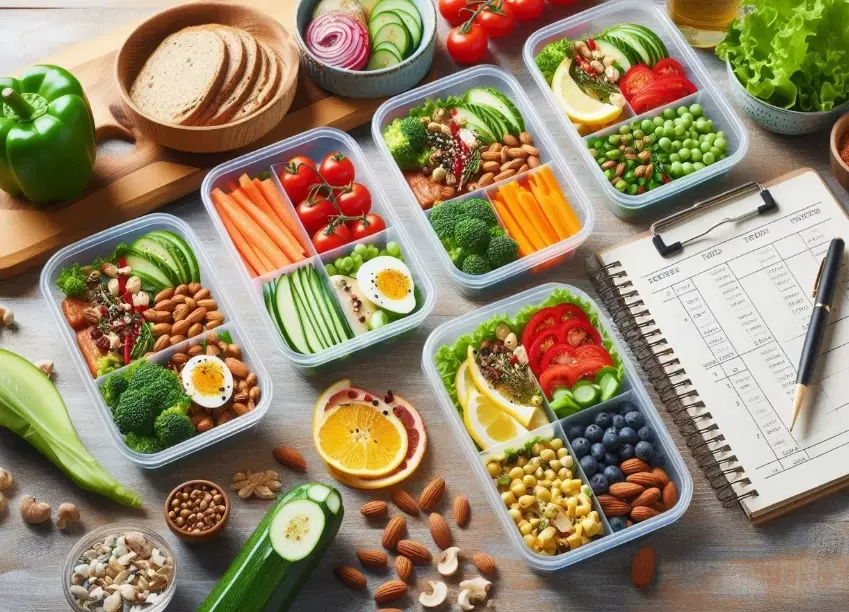
The Four Pillars of Success
1. Define Your "Why" and Set a Rhythm: Are you prepping for busy workdays, or to control evening snacking? I prep lunches and dinners for 4 days. Anything beyond that, and the veggies lose their crunch. Find your rhythm—maybe it's a big Sunday batch or two smaller mid-week sessions.
2. Plan a Rotating Menu: You don't need 20 different recipes. Pick 2-3 core curries or sabzis (vegetable dishes), one protein source like grilled chicken or chana (chickpeas), and a base like brown rice or quinoa. Rotate them through the week. Boredom is the killer of meal prep, but variety doesn't mean a new cuisine daily.
3. Shop with a Laser Focus: A haphazard grocery trip leads to waste. Write a list based solely on your menu. Stock up on core spices (turmeric, cumin, coriander, red chili powder)—they're your flavor heroes with zero calories. Buy frozen vegetables like peas and spinach; they're just as nutritious and prevent spoilage. According to the USDA, frozen produce can retain comparable vitamin levels to fresh.
4. The Sunday Session (It's Easier Than You Think): Don't try to cook everything fully. Use the "component prep" method. Cook your grains in bulk. Chop all onions, tomatoes, ginger, and garlic for the week and store them separately. Pre-mix your spice blends for each planned dish. Marinate your proteins. When you do this, assembling a fresh-tasting curry on a Tuesday takes 15 minutes, not an hour.
A Sample Week of Healthy Indian Meal Prep
Here’s a concrete, balanced plan. This isn't a rigid prescription, but a template you can adapt. Portions are key—I use standard 2-cup meal prep containers.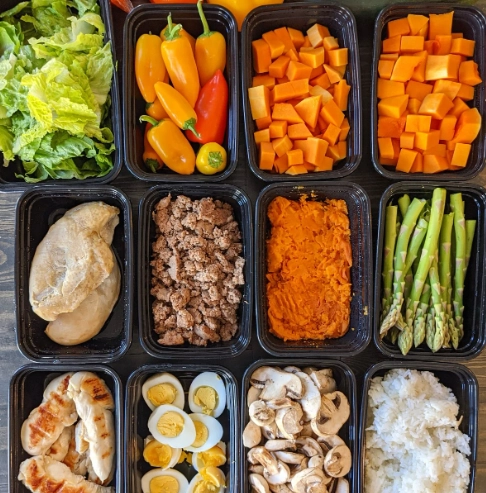
| Day | Lunch | Dinner | Prep Notes & Smart Swaps |
|---|---|---|---|
| Monday | Chana Masala (1 cup) with 3/4 cup Brown Rice | Grilled Tandoori Chicken (1 breast) with Roasted Cauliflower & Bell Peppers | Make a big batch of chana masala on Sunday. Use 1 tbsp oil total, not the traditional 4-5. Roast veggies in bulk. |
| Tuesday | Leftover Tandoori Chicken with Quinoa Salad (cucumber, tomato, lemon, mint) | Palak Paneer (1 cup) with 1 small whole-wheat roti | Use low-fat paneer or firm tofu. Blend spinach with steamed cauliflower for a thicker, creamier gravy without extra cream. |
| Wednesday | Leftover Palak Paneer with 3/4 cup Brown Rice | Moong Dal (1 cup) with Sautéed Cabbage (1 cup) | Moong dal cooks fast. Use your pre-chopped aromatics. Temper with 1 tsp oil, not 2 tbsp ghee. |
| Thursday | Leftover Moong Dal with a small side salad | Shrimp Curry (10-12 shrimp) with 1/2 cup Quinoa | Shrimp cooks in minutes. Use a tomato-onion base with your pre-mixed spices. Coconut milk? Use light, and just 2 tbsp for richness. |
| Friday | Leftover Shrimp Curry with leftover quinoa or rice | **Flex Night** – Often a large salad with grilled protein or a sensible takeout option. | Planning for flexibility prevents the "all-or-nothing" crash. It's sustainable. |
Snacks? Keep it simple: a handful of roasted chana (chickpeas), Greek yogurt with a pinch of chaat masala, or sliced cucumbers with lemon and salt.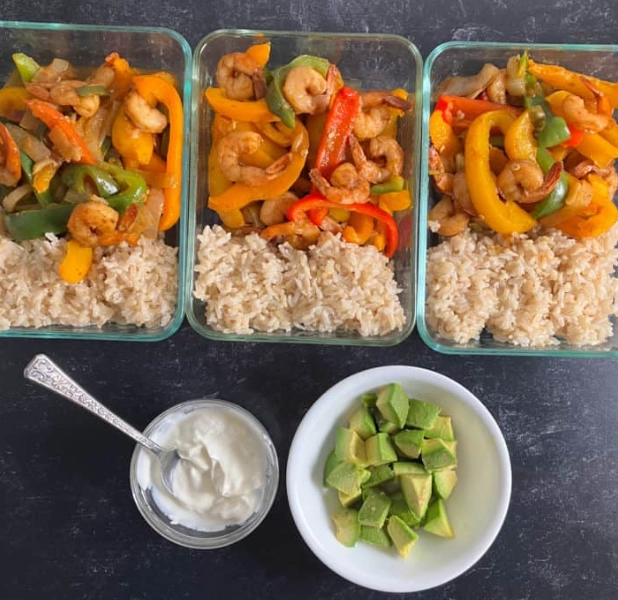
The One Thing Everyone Gets Wrong: They focus only on the main dish. The real game-changer is prepping your supporting actors—the chopped herbs, the lemon wedges, the pre-washed salad greens, the boiled eggs for protein bumps. When hunger strikes, these make building a healthy plate effortless.
How to Make Any Indian Dish Healthier for Weight Loss
You don't need special "diet" recipes. Learn to modify the classics.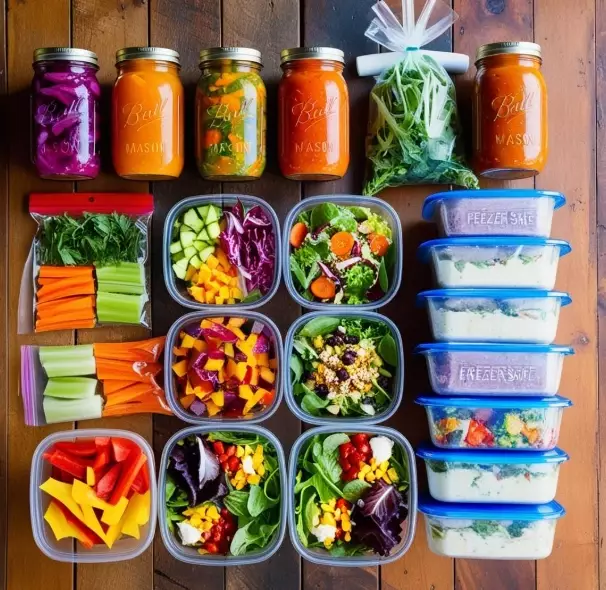
1. Rethink the Oil & Ghee
Traditional recipes often start with a lot of fat for tempering. Measure your oil—use 1 tablespoon instead of "glugging" it. A great trick? Use a spray bottle for oil or dilute ghee with a bit of water when warming it. For tempering (tadka), do it at the end and use just half the oil, pouring it over the finished dish. You get the aroma without all the calories soaked in.
2. Prioritize Protein and Veggie Volume
Make vegetables the star, not a side. Double the peas in your matar paneer. Add grated zucchini or carrots to your keema. Use lentils or legumes as the base of curries instead of just a garnish. This increases fiber and keeps you full. The Indian Council of Medical Research recommends a diet rich in pulses and vegetables—meal prep makes this easy to achieve daily.
3. Choose Your Carbs Wisely
Swap white rice for brown rice, quinoa, or barley. For rotis, use 50:50 whole wheat flour and chickpea flour (besan) for more protein and fiber. Cauliflower rice makes a fantastic base for saucy dishes like rajma or chicken curry.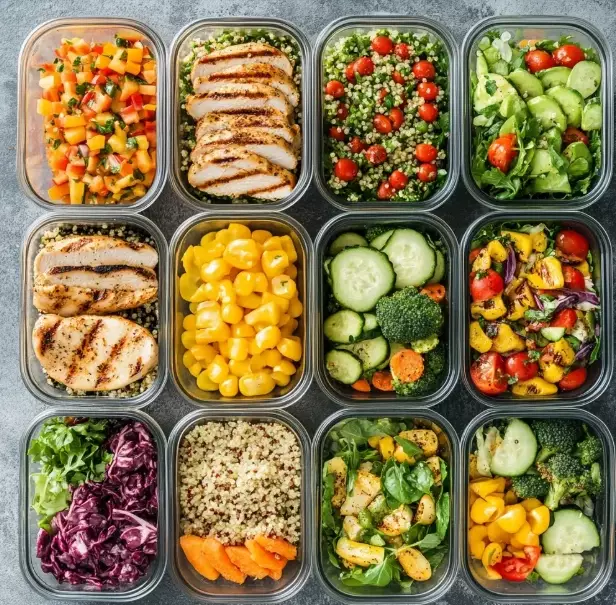
4. Master the "Creamy" Without the Cream
Cashew paste? Soak a smaller amount and blend with cooked cauliflower or melon seeds (magaz). For a creamy texture in curries like butter chicken, blend the cooked tomato-onion base until silky smooth. A tablespoon of raw, ground oats can also thicken a curry beautifully.
Common Mistakes (And How to Avoid Them)
I've made these so you don't have to.
- Mistake 1: Assuming All "Homemade" is Equal. Just because you made it at home doesn't mean it's low-calorie. That ladle of ghee or cup of full-fat coconut milk still counts. Be mindful of ingredients.
- Mistake 2: Ignoring Portion Sizes of Healthy Foods. Brown rice and quinoa are healthy, but calories add up. Pre-portion your grains when they're cool. Use a measuring cup.
- Mistake 3: Skipping Planned Snacks. This leads to ravenous hunger and poor choices later. Prep your snacks with the same intention as your meals.
- Mistake 4: Lack of Flavor Layering. Low-fat food tastes bland if you just reduce spices. Compensate! Use more fresh herbs (cilantro, mint), citrus juice, black salt (kala namak), roasted cumin powder, and green chilies. Flavor satisfaction is crucial for adherence.
Pro Tips from a Decade of Trial and Error
These are the nuances that separate an okay plan from a great one.
Batch Cook Bases, Not Just Meals: Cook a huge pot of basic masala—onions, tomatoes, ginger, garlic, and core spices. Freeze it in ice cube trays. Now you have flavor bombs to turn boiled lentils, chickpeas, or chicken into a curry in minutes.
Your Spice Rack is a Metabolic Aid: Turmeric (curcumin), black pepper, cumin, and cinnamon aren't just tasty. Research, including studies referenced by the National Institutes of Health, suggests they may have anti-inflammatory and metabolism-supporting properties. Use them liberally.
Embrace the "Second Meal": Last night's leftover curry isn't just a repeat. Turn it into a filling for a whole-wheat wrap, toss it with greens for a hearty salad, or mix it with scrambled eggs for a fusion breakfast.
Navigate Social Situations: Going to an Indian restaurant? Scan the menu for tandoori (clay oven), grilled, or steamed dishes. Ask for sauces on the side. Start with a clear soup or salad. Enjoy a small portion of your favorite rich dish, not the whole plate. It's about balance, not banishing.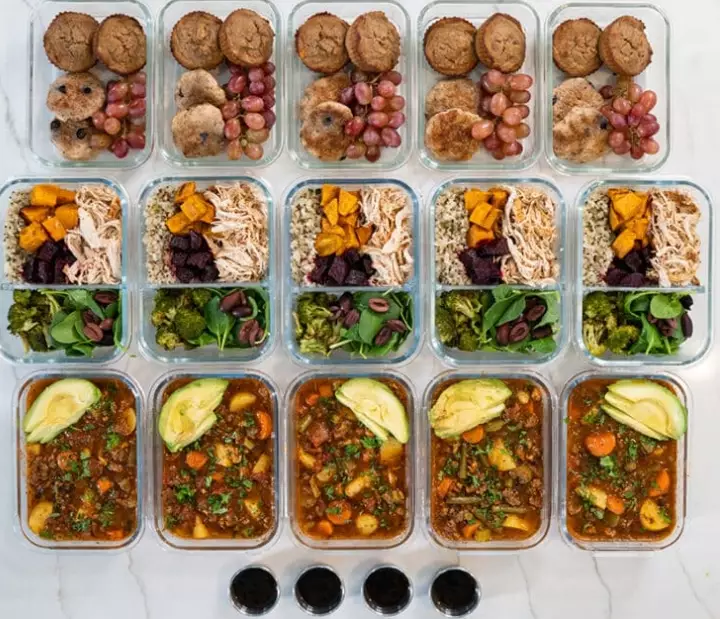
Your Burning Questions, Answered
The journey of Indian meal prep for weight loss is about empowerment, not restriction. It's taking the vibrant, comforting cuisine you love and making it work for your health goals. Start with one change this week—maybe prepping your spices or cooking a double batch of dal. Small, consistent steps build the habit. Before you know it, you'll have a fridge full of healthy, delicious options, and the path to your goals will feel not just manageable, but genuinely enjoyable.
Discussion