Let's be honest. Most biryani recipes online promise the world but deliver a soggy, bland mess. You end up with overcooked rice, under-spiced meat, and a far cry from the fragrant, layered masterpiece you get at a good Indian restaurant. I've been there. My first attempt was a disaster—the rice turned to mush, and the chicken tasted like boiled water with a hint of cardamom.
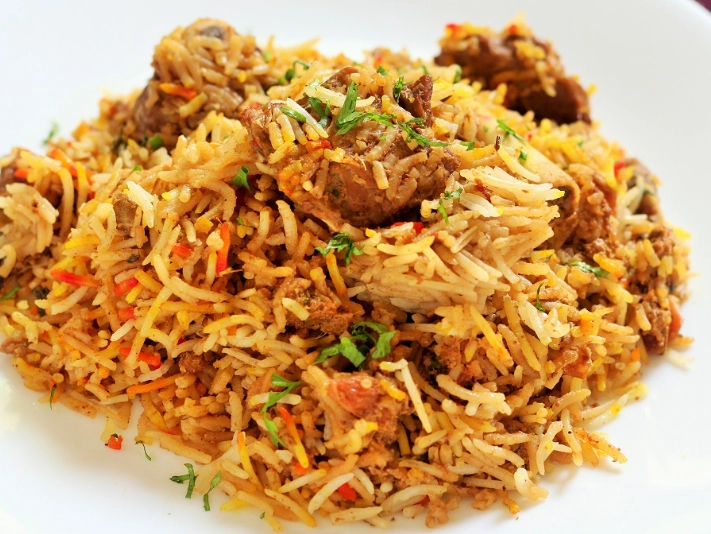
It doesn't have to be that way. After years of trial, error, and learning from home cooks in Hyderabad and Lucknow, I've nailed down a method that works every single time. This isn't just a recipe; it's the blueprint for the best Indian biryani you can make at home. We're going deep on the why and how, from selecting the right basmati to mastering the slow-cooked "dum" technique that makes all the difference.
What You'll Learn Inside
The Soul of Biryani: More Than Just Rice and Meat
Biryani isn't a curry with rice mixed in. It's a separate category of dish where partially cooked rice and marinated meat are layered and then slow-steamed together. This process, called "dum pukht," allows the flavors to marry and the rice to absorb the meat's juices without getting mushy. The history is rich and debated—some trace it to Persian traders, others to the Mughal kitchens. The National Geographic has featured pieces on its cultural journey across the subcontinent.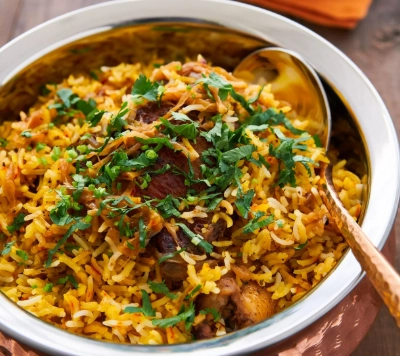
The key takeaway? Patience is your primary ingredient. Rushing any step compromises the final result. We're making Hyderabadi-style chicken biryani today, a beloved version known for its robust spices and vibrant color.
The Non-Negotiable Ingredients Checklist
You can't build a great biryani with mediocre components. Here’s what you absolutely need.
The Rice: Long-grain, aged Basmati rice is non-negotiable. It elongates when cooked and stays separate. I prefer brands like India Gate or Daawat. Don't use generic long-grain rice; it lacks the fragrance and will clump.
The Chicken: Bone-in, skinless pieces (thighs and legs are best). The bone adds immense flavor during the dum process. Breast meat tends to dry out.
The Spices: This is where the magic happens. Whole spices are essential for authentic flavor. Pre-ground "biryani masala" can be a backup, but fresh whole spices toasted and ground make a world of difference.
| Whole Spices (For Layering & Rice) | Ground Spices (For Marinade) | Fresh Ingredients |
|---|---|---|
| Bay leaves (2-3) | Coriander powder (2 tbsp) | Large onions (4-5, thinly sliced) |
| Green cardamom (6-8 pods) | Cumin powder (1 tbsp) | Ginger-garlic paste (3 tbsp) |
| Cloves (6-8) | Red chili powder (1.5 tbsp) | Fresh mint & cilantro (1 cup each) |
| Cinnamon stick (2" piece) | Turmeric (1 tsp) | Green chilies (3-4, slit) |
| Black cardamom (2 pods) | Garam masala (1 tsp) | Plain yogurt (1 cup) |
| Star anise (1) | - | Saffron strands (a big pinch) |
| Shahi jeera (black cumin) - 1 tsp | - | Ghee & oil |
Prep Work: Where Most People Go Wrong
This stage sets the foundation. Skimp here, and you'll taste it.
1. Washing and Soaking the Rice
Rinse the basmati rice 3-4 times in cold water until the water runs almost clear. Then, soak it in plenty of water for 30 minutes, no more. Soaking for hours, as some recipes suggest, makes the rice too soft and prone to breaking. Drain it well before cooking.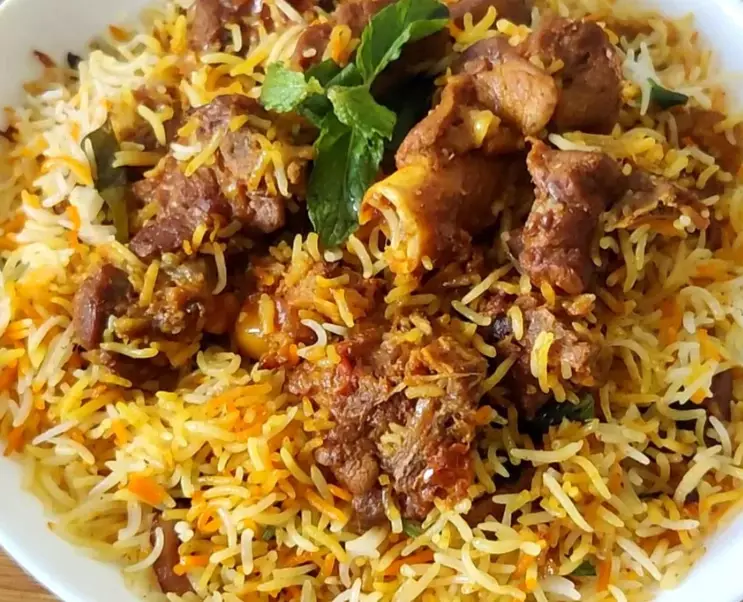
2. The Marinade That Actually Penetrates
Mix the chicken with all the ground spices (coriander, cumin, chili, turmeric, garam masala), ginger-garlic paste, salt, half the chopped herbs, and yogurt. Make sure every piece is coated. Cover and refrigerate for at least 2 hours, ideally 4-6. Overnight is fantastic. The yogurt and salt tenderize the meat deeply.
3. The Golden Fried Onions (Birista)
Thinly slice the onions. Fry them in medium-hot oil in batches until they are a deep, even golden brown. This takes patience—if they're pale, they won't add sweetness; if they burn, they'll taste bitter. Drain on paper towels. This is a garnish and a layer of flavor. You can't skip it.
Step-by-Step Cooking: Building Layers of Flavor
Now for the main event. Have all your components ready: marinated chicken, soaked rice, fried onions, herbs, saffron (soaked in 2 tbsp warm milk), and whole spices.
Stage 1: Par-cooking the Rice
Bring a large pot of water to a rolling boil. Add salt (it should taste salty like seawater) and half the whole spices (a few cardamom, cloves, bay leaf). Add the drained rice. Cook for exactly 5-6 minutes until the rice is 70% cooked—the grains will be soft on the outside but have a hard core. Drain immediately. Spread it on a tray to stop cooking. This partial cooking is critical for perfect texture after dum.
Stage 2: Cooking the Chicken Masala
In your heavy-bottomed pot (you'll use this for layering), heat 3 tbsp ghee and 2 tbsp oil. Add the remaining whole spices and let them sizzle for 30 seconds. Add the marinated chicken along with all the marinade. Cook on medium-high for 5 minutes, then lower the heat, cover, and let it cook until the chicken is about 80% done and a thick gravy forms. This takes about 15-20 minutes. The gravy should be thick, not watery.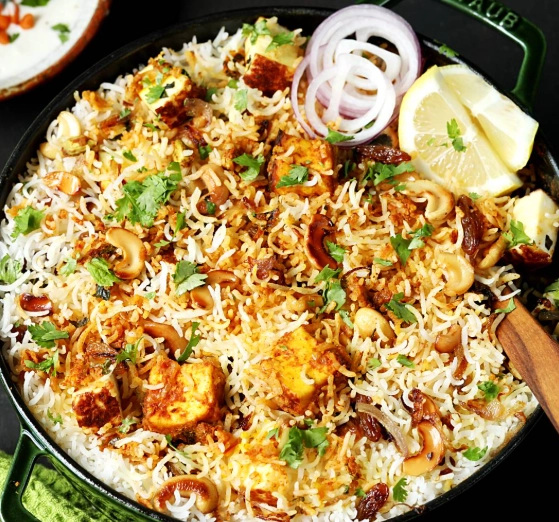
The Art of Layering and the Crucial "Dum"
This is the heart of the best biryani recipe. Turn off the heat under your chicken pot.
- Layer 1: The chicken masala is your base.
- Layer 2: Sprinkle half of your fried onions, mint, cilantro, and green chilies over the chicken.
- Layer 3: Gently spoon the par-cooked rice over the chicken to form an even layer.
- Layer 4: Top the rice with the remaining fried onions, herbs, and the saffron-infused milk. Drizzle 2 tbsp of melted ghee over everything.
Now, for the dum. Seal the pot tightly with aluminum foil, then put the lid on. This traps all steam. Cook on the lowest possible heat for 25 minutes. You can also place a tawa (griddle) under the pot to diffuse heat. Turn off the heat and let it rest, still sealed, for another 15 minutes. Do not peek. This resting period is when the final magic happens—the rice finishes cooking in the trapped steam, absorbing every drop of flavor.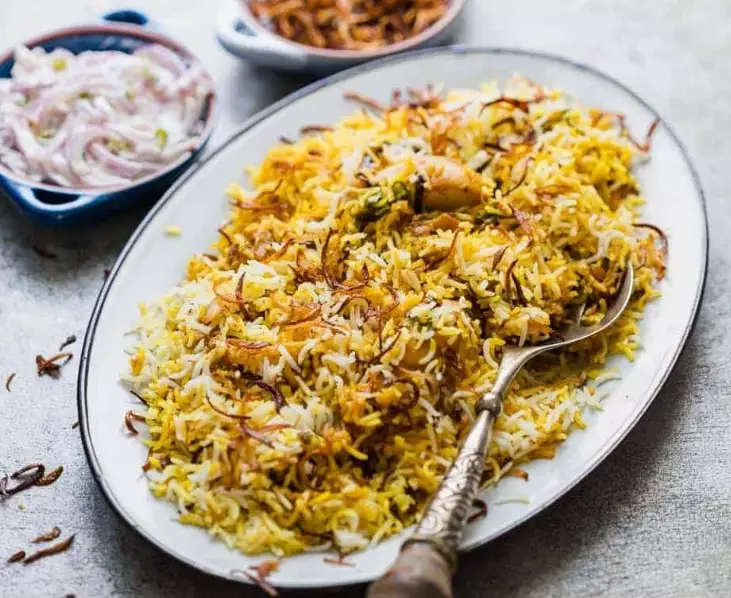
Pro Tips from a Decade of Mistakes
Here’s what most blogs won't tell you, learned the hard way.
- The Rice Texture Test: After par-cooking, take a grain of rice and press it between your fingers. It should mash easily on the outside but leave a firm, whitish core. That's the 70% doneness you need.
- Ghee vs. Oil: Use both. Oil has a higher smoke point for frying onions, but ghee adds irreplaceable aroma. A 50/50 mix in the layering stage is perfect.
- Acid is Key: A tablespoon of lemon juice in the marinade or sprinkled over the rice layer before sealing helps balance the richness and keeps the rice grains distinct.
- The Biggest Mistake: Overcrowding the pot. If your pot is too small, the layers are too thick, and steam won't circulate evenly. Use a wide, heavy-bottomed pot.
Your Biryani Questions, Answered
There you have it. The path to the best Indian biryani isn't shrouded in mystery, just in careful technique. It's a celebratory dish, so take your time, respect the process, and enjoy the incredible results. The moment you open the pot and that fragrant steam hits you, you'll know it was worth every minute.
Discussion