What You'll Find in This Guide
If you've ever tried making Indian bread at home, you know it can be a bit of a challenge. The dough might not rise properly, the texture could be off, or maybe you're just not sure where to start. That's exactly why I put together this guide. We're going to dive deep into the world of traditional Indian bread recipes, covering everything from the basic roti to more intricate ones like stuffed parathas and even sweet versions.
Let's be honest, most recipes online are either too simplified or overly complicated, leaving you with a result that's nothing like what you'd find in India. I've spent over a decade experimenting in my own kitchen, consulting with home cooks across various regions, and I've found that the real secrets lie in the details that are often glossed over.
For instance, a common mistake I see beginners make is using the wrong type of flour. While all-purpose flour might work in a pinch, it lacks the necessary protein content to develop the gluten needed for a soft and pliable dough. This is a subtle point that can make or break your bread. Another often overlooked aspect is the resting time of the dough. Many recipes will tell you to rest it for 30 minutes, but in reality, a longer rest of at least an hour allows the gluten to relax fully, making the dough much easier to handle and resulting in a better texture.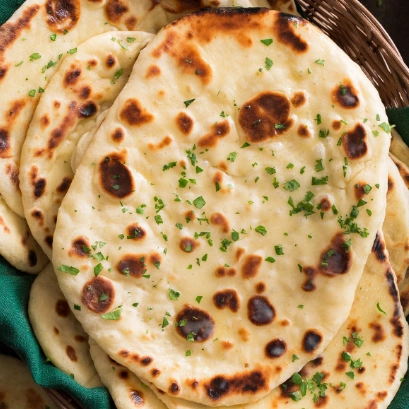
Essential Ingredients for Indian Breads
Before we get into the recipes, let's talk about the foundation. The ingredients are simple, but their quality and the way you combine them make all the difference.
Flour (Atta): This is non-negotiable. Atta, or Indian whole wheat flour, is what gives these breads their characteristic nutty flavor and slightly chewy texture. You can find it in most Indian grocery stores or online. A common misconception is that you can substitute it with regular whole wheat flour. While it might work, the texture and taste will be noticeably different. Atta is stone-ground, which means it retains more of the wheat germ and bran, resulting in a finer, softer flour that absorbs water differently. This absorption rate is crucial for the dough's consistency.
Water: The temperature of the water is more important than you might think. For most doughs, especially roti and chapati, you want warm water, not hot. Warm water (around 100-110°F or 38-43°C) helps activate the gluten without killing the yeast (if used) and makes the dough more pliable. A mistake I see often is using boiling water, which can actually start to cook the flour and make the dough tough.
Oil/Ghee: While you can use any neutral oil, ghee (clarified butter) is traditional and adds a rich, aromatic flavor. If you're vegan or avoiding dairy, you can use oil, but keep in mind that the flavor profile will change. For a truly authentic taste, ghee is the way to go. I personally prefer the depth of flavor it adds, but I know it's not always accessible or suitable for everyone's diet.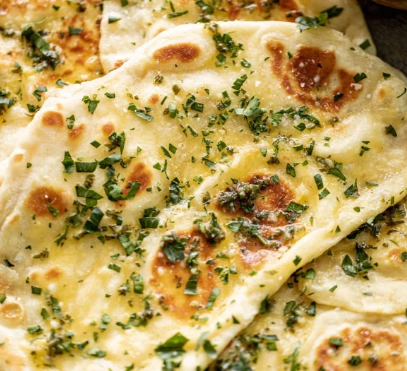
How to Make Roti: A Step-by-Step Recipe
Roti is perhaps the most fundamental of all Indian breads. It's a simple, unleavened flatbread that's incredibly versatile and pairs well with almost any dish. But its simplicity is also its greatest challenge. Getting it perfectly thin and even requires a bit of practice, but I'll walk you through the process.
First, let's talk about the dough. The key to a soft roti is in the kneading. You want to develop the gluten, but not overwork it. Start by combining the atta and water. Use your hands to mix it until it comes together into a shaggy mass. Then, turn it out onto a lightly floured surface and begin to knead. The motion should be push-and-fold, not punch. You're trying to stretch the gluten strands, not break them.
This is where most beginners go wrong. They knead too aggressively, which actually breaks down the gluten and results in a tough roti. Instead, use the heel of your hand to push the dough away from you, then fold it back over itself. Repeat this motion for about 8-10 minutes, until the dough becomes smooth and elastic. You'll know it's ready when it springs back when you poke it with your finger.
Now, let the dough rest. This is a step that's often rushed or skipped entirely. Resting allows the gluten to relax, making the dough easier to roll out. Cover the dough with a damp cloth or plastic wrap and let it rest for at least 30 minutes, but ideally an hour. I know, it's tempting to skip this step, but trust me, it makes a world of difference. The dough will be much more cooperative and less likely to shrink back when you roll it out.
While the dough is resting, you can prepare your work surface. You'll need a rolling pin and a flat surface. I like to use a marble or granite countertop because it stays cool, which helps prevent the dough from sticking. But any clean, flat surface will work. Just make sure it's lightly floured to prevent sticking.
Rolling the Dough: The Technique That Matters
Once the dough has rested, it's time to divide and roll it out. Start by pinching off a small piece of dough, about the size of a golf ball. Roll it into a smooth ball between your palms. Then, on your lightly floured surface, use the rolling pin to roll it out into a thin circle. Aim for about 6-8 inches in diameter, but don't worry too much about perfection. The beauty of roti is in its imperfections.
Here's a tip that I learned from a home cook in Gujarat: use the heel of your hand to press the dough out from the center, then use the rolling pin to roll it out. This helps to stretch the dough evenly without tearing it. Another trick is to rotate the dough a quarter turn after each roll, which helps to maintain a more even thickness.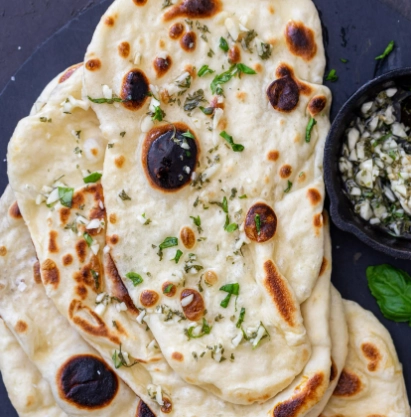
Secrets to a Perfect Naan: Recipe and Tips
Naan is a leavened bread, which means it uses yeast to rise. This gives it a soft, pillowy texture that's distinctly different from roti. But with that softness comes the risk of it becoming too dense or dry. The secret lies in the yogurt and the baking powder.
Yogurt not only adds flavor but also acidity, which helps to tenderize the gluten. This results in a softer, more pliable dough. But the real game-changer is the use of baking powder in addition to the yeast. While traditional recipes might use only yeast, the addition of baking powder gives it an extra lift and ensures a lighter, airier texture.
I've seen many recipes that call for just yeast, and they can produce a perfectly good naan. But in my experience, adding a small amount of baking powder (about 1/2 teaspoon per cup of flour) to the yeast mixture gives it that extra oomph that takes it from good to great. It creates more air bubbles, resulting in a lighter, fluffier bread.
Another often overlooked detail is the temperature of the water. You want it warm, but not hot. Too hot and it will kill the yeast; too cold and it won't activate properly. Aim for around 100-110°F (38-43°C). This is warm enough to activate the yeast without damaging it.
Kneading and Resting: The Non-Negotiables
Let's talk about kneading. This is where most people go wrong. They think they need to knead the dough for a long time to develop the gluten. But in reality, over-kneading can actually break down the gluten and make the dough tough. The goal is to develop just enough gluten to give the dough structure and elasticity, but not so much that it becomes tough.
A good rule of thumb is to knead until the dough becomes smooth and elastic, but still slightly sticky. This usually takes about 8-10 minutes of kneading. You'll know it's ready when it springs back when you poke it with your finger.
After kneading, the dough needs to rest. This is a step that's often rushed or skipped entirely. Resting allows the gluten to relax, making the dough easier to roll out. Cover the dough with a damp cloth or plastic wrap and let it rest for at least 30 minutes, but ideally an hour. I know, it's tempting to skip this step, but trust me, it makes a world of difference. The dough will be much more cooperative and less likely to shrink back when you roll it out.
Chapati Making Techniques from Different Regions
Chapati is another unleavened flatbread, but it's typically thicker and cooked on a griddle. This gives it a soft and slightly chewy texture. The key to a good chapati is in the rolling and the cooking.
Different regions of India have their own unique techniques for making chapati. In the north, for example, it's common to use a rolling pin to roll the dough out into a very thin circle, then cook it on a griddle. This results in a soft, pliable chapati that's perfect for wrapping around curries or vegetables.
In the south, on the other hand, they often use their hands to pat the dough out into a circle, then cook it directly over an open flame. This gives it a slightly smoky flavor and a more pliable, stretchy consistency. It's a different technique, but both are valid and produce delicious results.
So, which one should you use? It really depends on your personal preference and what you're trying to achieve. If you're looking for a soft, pliable chapati that's easy to roll and wrap, go with the northern technique. If you prefer a slightly chewier, more rustic texture with a hint of smokiness, try the southern method.
Common Mistakes and How to Avoid Them
Now that we've covered the basics, let's dive into some of the most common mistakes I see beginners make and how to avoid them.
Using too much flour when rolling out the dough. This is a big one. Excess flour dries out the dough, leading to a tough and dense bread. Instead, use just enough oil to lightly coat your hands and the rolling pin. This will prevent sticking without drying out the dough.
Not resting the dough long enough. As I mentioned earlier, resting allows the gluten to relax, making the dough easier to roll out. If you skip this step, you'll find the dough constantly shrinking back, making it difficult to achieve the desired thinness.
Over-kneading the dough after adding the baking powder. This is another common error. Once you add the baking powder, the dough will start to rise. Over-kneading at this point can deflate the air bubbles and result in a denser texture. Instead, gently fold the dough over itself a few times to incorporate the baking powder, then let it rest.
Cooking at too high a temperature. This is especially important for naan, which is cooked in a tandoor or on a griddle. If the heat is too high, the outside will burn before the inside has a chance to cook through, leaving you with a charred exterior and a raw interior. Aim for a medium-high heat, where the bread puffs up and gets golden brown spots within a minute or two.
Not using enough oil or ghee when cooking. While you don't want to drown the bread in oil, a light coating is essential to prevent sticking and to give it that characteristic golden color and buttery flavor. I like to use a brush to apply a thin layer of ghee or oil to the griddle before cooking each piece.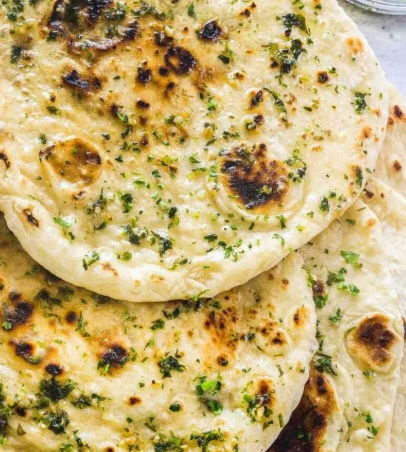
How to Store Your Breads for Freshness
Once you've made your breads, you'll want to store them properly to maintain their freshness. The best way to store them depends on how long you plan to keep them.
Short-term storage (up to 2 days): Place the cooled breads in an airtight container or resealable plastic bag at room temperature. You can also wrap them in a clean kitchen towel or paper towel to absorb any excess moisture, which can help prevent them from becoming soggy.
Long-term storage (up to 3 months): For longer storage, you can freeze them. First, let them cool completely, then wrap each piece individually in plastic wrap or aluminum foil. Place them in a freezer-safe bag or container. To reheat, simply thaw at room temperature or warm them in a toaster or oven.
I find that freezing is the best option for maintaining the texture and flavor of the breads. When you're ready to eat them, just take them out of the freezer and let them thaw at room temperature or warm them up. They'll still taste fresh and delicious.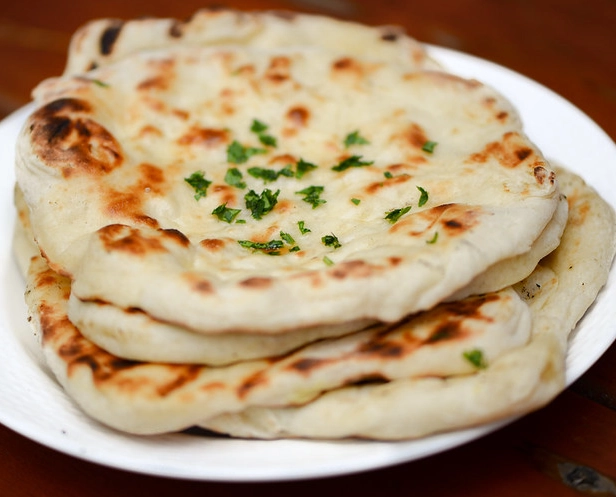
Discussion