Ask anyone about Indian bread, and nine times out of ten, they'll say "naan." But that's like saying the only Italian pasta is spaghetti. The reality is, India's bread basket is astoundingly diverse, with each region boasting its own staple, shaped by local grains, climate, and culinary tradition. From the leavened, fluffy naan of the north to the fermented, crepe-like dosa of the south, these breads aren't just side dishes; they're often the main utensil, the vehicle that carries flavor from plate to palate. Let's move beyond the restaurant menu and explore ten essential types of Indian breads you should know.
Your Quick Guide to Indian Breads
Before we dive in, a quick note on wheat. Most North Indian breads use atta, a fine, whole wheat flour with a high gluten content that gives roti its elasticity. It's different from Western whole wheat flour. South Indian breads often rely on rice and lentils. This fundamental difference in base ingredients creates two distinct bread universes.
The Leavened League: Naan & Bhatura
These are the puffy, dramatic breads often associated with celebratory meals or restaurant dining.
1. Naan
The global superstar. Naan is a leavened bread, traditionally baked in a blisteringly hot clay tandoor oven. The yeast or yogurt in the dough creates those signature air pockets and a soft, chewy texture. The high heat gives it a slight char and smokiness you simply can't replicate at home without serious equipment.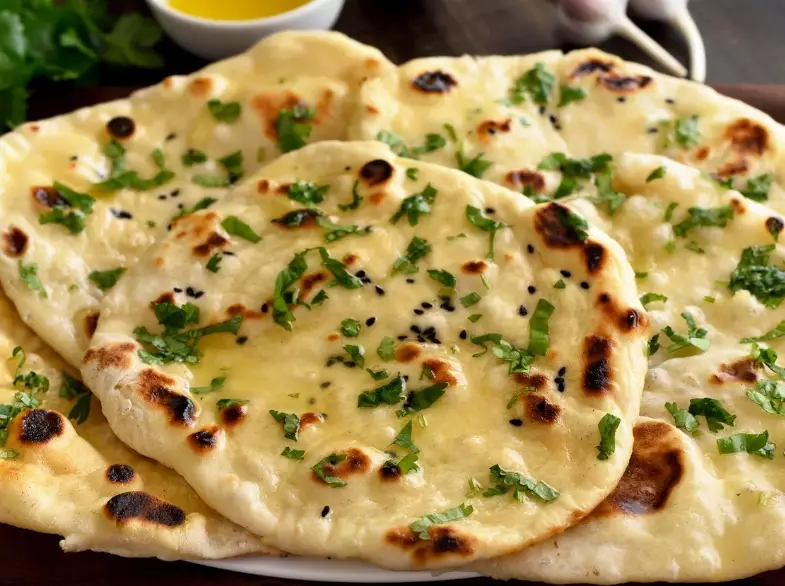
What to know: Garlic Naan (brushed with garlic butter) and Butter Naan are the classics. You'll also find stuffed versions like Peshawari Naan (with nuts and dried fruit) or Keema Naan (with spiced minced meat). A common mistake is thinking naan is an everyday bread in India. In most households, it's not. It's a treat, often reserved for restaurants or special occasions because of the tandoor requirement. The stuff you buy pre-packaged in supermarkets? It's a sad, dense imitation. Don't judge naan by that.
Perfect Pairing: Rich, creamy curries like Butter Chicken, Rogan Josh, or Dal Makhani. The bread is sturdy enough to scoop up the gravy.
2. Bhatura
Think of bhatura as naan's deep-fried cousin. It's a leavened white flour dough that puffs up into a giant, golden balloon when dropped in hot oil. It's incredibly light and airy inside with a slightly crisp exterior.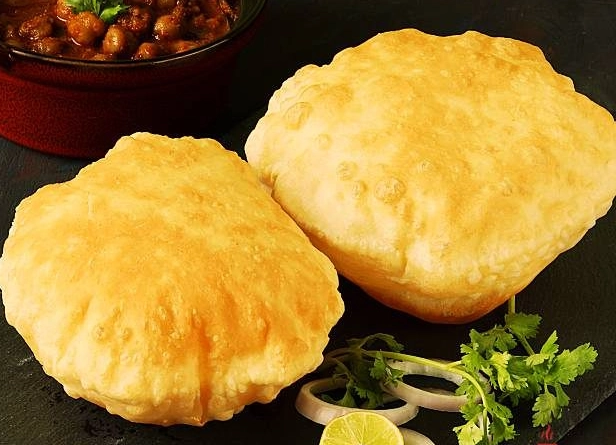
What to know: Bhatura is almost exclusively married to Chole(spicy chickpea curry). The combination, Chole Bhature, is a beloved North Indian street food and weekend breakfast indulgence. It's heavy, it's decadent, and utterly delicious. One is usually enough to fuel you for half the day.
Perfect Pairing: It has one soulmate: Chole. Don't break them up.
The Daily Staples: Roti & Paratha
This is the real "daily bread" for millions of Indians, especially in the north and west.
3. Roti / Chapati / Phulka
These terms are often used interchangeably, but purists make distinctions. Generally, it's an unleavened flatbread made from whole wheat atta, cooked on a flat griddle (tava). It's simple, wholesome, and the backbone of a home meal.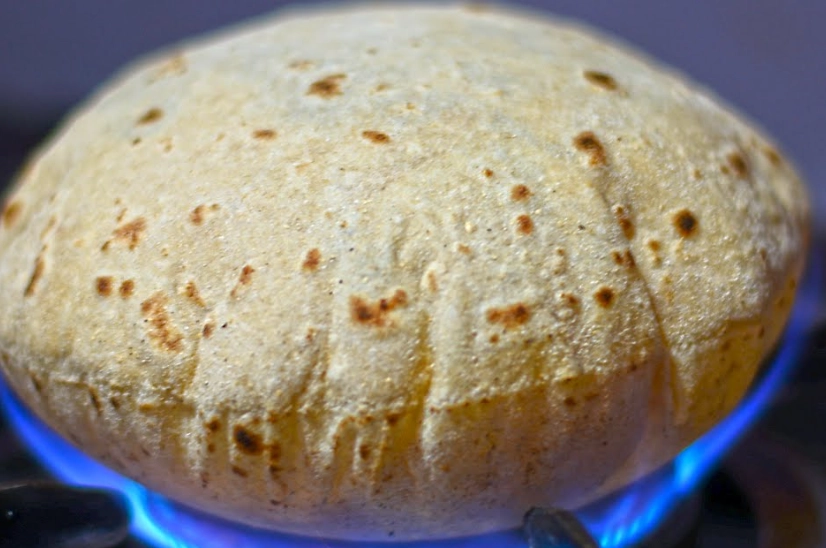
The subtle differences: Chapati is cooked entirely on the tava. Phulka is partially cooked on the tava and then put directly on an open flame, where it puffs up dramatically. Roti is the umbrella term. Making a perfectly round, soft roti that puffs up is a point of pride for many home cooks. The key? Kneading the dough just right—not too hard, not too soft—and rolling it evenly. It's harder than it looks.
Perfect Pairing: Almost anything. Dals (lentil soups), dry vegetable subzis, curries, or even with a smear of pickle or yogurt.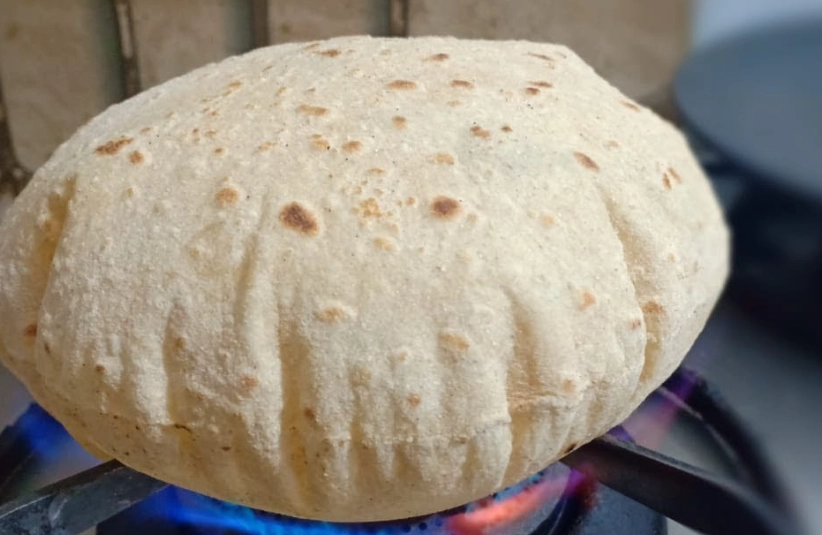
4. Paratha
If roti is the everyday workhorse, paratha is the indulgent weekend upgrade. It's a layered flatbread, often pan-fried with ghee or oil until crisp and flaky. The layers are created by folding and rolling the dough (like a rough puff pastry), or by stuffing it.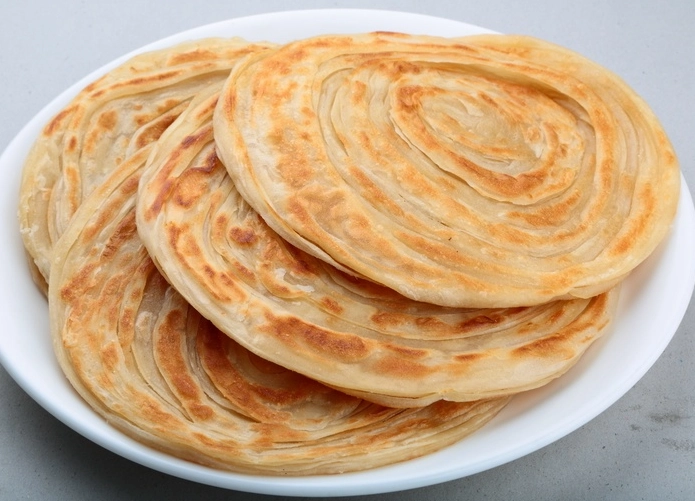
What to know: Stuffed parathas are a meal in themselves. Aloo Paratha (spiced potato) is the king. Gobi Paratha (cauliflower), Mooli Paratha (radish), and Paneer Paratha (cottage cheese) are other favorites. They can be quite oily, but that's part of the appeal. A well-made paratha should be crisp on the outside, soft and layered inside, with the stuffing evenly distributed. A common failure is a paratha that's raw inside or where all the stuffing is clumped in the center.
Perfect Pairing: Served with a dollop of butter, yogurt, and a tangy pickle like mango achar. Sometimes with a simple curry or dal on the side.
Fermented Specialties: Dosa, Idli & Appam
Welcome to South India, where rice and urad dal (black gram) are fermented to create some of the most unique and beloved breads (though they might not look like bread to the uninitiated).
| Bread Name | Key Ingredients | Texture & Form | Classic Accompaniment |
|---|---|---|---|
| 5. Dosa | Rice & Urad Dal (fermented batter) | Large, thin, crisp crepe | Sambar (lentil stew) & Coconut Chutney |
| 6. Idli | Rice & Urad Dal (fermented batter) | Soft, fluffy, steamed cakes | Sambar & Coconut Chutney |
| 7. Appam | Rice batter (fermented, often with coconut) | Lacy, bowl-shaped pancake | Ishtu (mild coconut stew) or Egg Curry |
The fermentation process, which can take 8-12 hours, gives these breads a distinctive tangy flavor and makes them easily digestible. It's a natural, ancient form of food science. A good dosa should be uniformly golden and crisp, not soggy in the middle. A common complaint from first-timers is the sour taste, but it grows on you. Idli is often touted as one of the healthiest Indian foods—steamed, fermented, and low in fat.
The Fried Indulgences: Puri & Kachori
These are festival foods, breakfast treats, or street food stars. They're all about immediate, crispy satisfaction.
8. Puri (or Poori)
A deep-fried unleavened bread made from whole wheat dough. It puffs up into a round ball in the hot oil. It's light, slightly crisp, and melts in your mouth. Puris are a common feature in festive meals or Sunday breakfasts.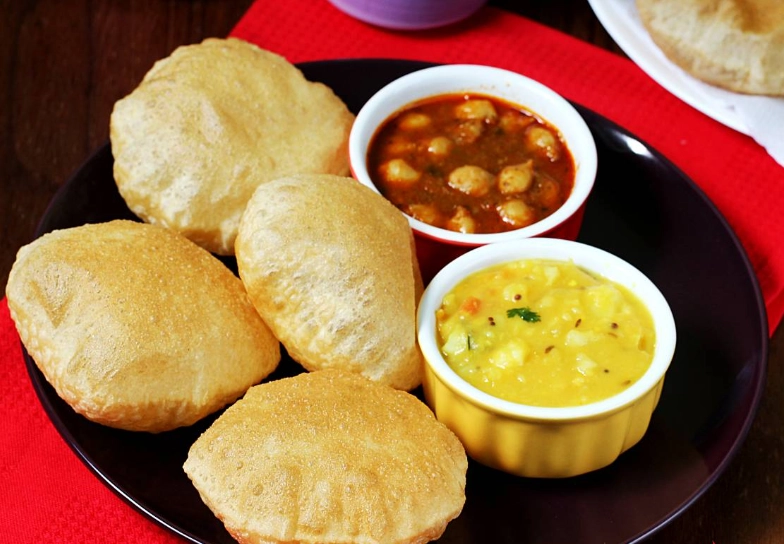
What to know: They deflate quickly, so they must be eaten immediately after frying. The skill is getting the oil temperature just right so they puff completely without browning too much. They are almost always served with a potato-based curry (Aloo Sabzi) or a chickpea curry (Chole).
9. Kachori
Think of kachori as a stuffed, spiced-up version of puri. The dough is thicker, and it's filled with a mixture of lentils, peas, or spices before being deep-fried to a golden, flaky crisp. It's a hearty snack.
What to know: Rajasthani Dal Kachori (filled with spiced lentils) and Khasta Kachori are famous. It's often served with a sweet and tangy tamarind chutney and a spicy coriander chutney. It can be quite heavy and greasy if not made well—the best ones are crisp outside without being oil-logged.
Regional Treasures: Thepla & Kulcha
10. Thepla
Hailing from Gujarat, thepla is a spiced flatbread made from whole wheat flour often mixed with besan (chickpea flour) and fresh fenugreek leaves (methi) or other herbs. It's thin, soft, and cooked with minimal oil on a tava.
What to know: This is the ultimate traveler's bread. It stays soft for days, which is why it's a staple in lunchboxes and long journeys. It's mildly spiced and can be eaten on its own, with pickle, or yogurt. The fenugreek gives it a slightly bitter, aromatic flavor that's addictive. It's a great example of how Indian breads incorporate vegetables and spices directly into the dough.
Let's also give an honorable mention to Kulcha, a leavened bread similar to naan, but associated specifically with Amritsar and Punjabi cuisine. It's often stuffed with mashed potatoes, onions, or paneer and baked in a tandoor. The Amritsari Kulcha with chole is a legendary dish.
How to Pair Bread with Curry: A Simple Rule
It's not random. There's a logic to it based on texture and function.
- Thick, Creamy Gravies (Butter Chicken, Korma): Use a bread that can scoop and won't fall apart. Naan or Kulcha are perfect. Their sturdiness and surface area are ideal.
- Dry or Semi-Dry Dishes (Bhindi Masala, Aloo Gobi): You need a pliable bread to pinch and pick up the vegetables. A soft Roti or Paratha works best here.
- Dals & Soupy Stews: Roti is the classic partner for mopping up a simple dal. For a hearty sambar, use Dosa or Idli to dip.
- Street Food Snacks: The pairing is fixed. Puri with Aloo Sabzi, Bhatura with Chole, Kachori with chutneys.
Which Indian Breads Are Healthier? Let's Be Real.
If you're watching calories or carbs, choices matter.
Top Tier (Healthiest): Roti/Chapati (whole wheat, no oil, basic), Idli (steamed, fermented), and Thepla (incorporates greens, less oil).
Moderate Tier: Plain Dosa (fermented, but often cooked with oil), Appam (fermented rice).
Indulgence Tier (Enjoy in Moderation): Naan (white flour, often brushed with butter), Paratha (fried, layered), Puri, Bhatura, Kachori (all deep-fried).
A personal note: I find that many "healthy" recipes for paratha use absurdly little ghee, resulting in a dry, tough bread. Sometimes, using a moderate amount of good fat is better than creating something inedible. Food is about balance, not just deprivation.
Discussion