I used to think making Indian bread was a weekend project. Then I burned my first naan, and the roti came out like cardboard. But after ten years of trial and error—mostly error—I've cracked the code. Indian bread recipes easy? They're simpler than you imagine. Forget fancy equipment or hours of work. With a few tips, you can whip up soft, fluffy bread in under 30 minutes. Let's get straight to it: here's how to make homemade Indian bread that actually works.
What You'll Find Here
Why Indian Bread is Easier Than You Think
Most people see Indian bread and assume it needs a tandoor or years of practice. Not true. At its core, it's just flour, water, and heat. The secret? Understanding the dough. Unlike yeast-based breads that demand precise timing, many Indian breads are unleavened or use simple leavening like baking powder. Take roti—mix whole wheat flour with water, knead for five minutes, rest, roll, cook. Done. I learned this from my neighbor, who makes roti daily while juggling a full-time job. She doesn't measure anything; she goes by feel. That's the beauty: it's forgiving.
Another thing: Indian bread is versatile. You can adapt it to what you have. No whole wheat flour? Use all-purpose. No yogurt for naan? Substitute with milk or even water. The recipes are flexible. I once made naan with leftover pizza dough—it wasn't authentic, but it worked in a pinch. The goal is to get you cooking, not to win a culinary award.
Essential Tools and Ingredients for Easy Indian Bread
You don't need much. A rolling pin helps, but a wine bottle works in a pinch. A heavy skillet is key—cast iron is best because it holds heat evenly. If you have a gas stove, even better; the direct flame gives that charred flavor. For ingredients, keep it simple:
- Flour: Whole wheat flour (atta) for roti, all-purpose for naan. I prefer King Arthur flour for consistency, but any brand works.
- Liquid: Water for roti, yogurt or milk for naan. Yogurt adds tang and softness; if you're vegan, use plant-based yogurt.
- Fat: Oil or ghee. Ghee adds richness, but vegetable oil is fine. I use olive oil sometimes—purists might frown, but it tastes good.
- Leavening: Baking powder or yeast for naan. Baking powder is quicker; yeast gives more flavor but needs time.

Here's a quick table comparing the basics for three common breads:
| Bread Type | Main Flour | Key Ingredient | Cooking Time | Difficulty Level |
|---|---|---|---|---|
| Roti (Chapati) | Whole wheat | Water | 2-3 min per piece | Beginner |
| Naan | All-purpose | Yogurt | 5-7 min per piece | Intermediate |
| Paratha | Whole wheat or all-purpose | Ghee or oil | 4-6 min per piece | Intermediate |
Notice how roti is the easiest. That's where I recommend starting. As for tools, a mixing bowl, a rolling surface (clean countertop is fine), and that skillet. If you want to go pro, a tawa (Indian griddle) is nice, but not necessary. I bought one online after years of using a regular pan—it helps, but it's not a game-changer.
Step-by-Step Guide to 3 Simple Indian Bread Recipes
Let's dive into the recipes. I'll walk you through each one with clear steps. These are based on my own kitchen tests—no vague instructions.
Recipe 1: Easy Homemade Naan
Naan seems fancy, but it's just flatbread with a lift. The trick is the yogurt and baking powder. Don't overthink it.
Ingredients: 2 cups all-purpose flour, 1/2 cup plain yogurt, 1/2 cup warm water, 1 tsp baking powder, 1/2 tsp salt, 1 tbsp oil, optional garlic or herbs.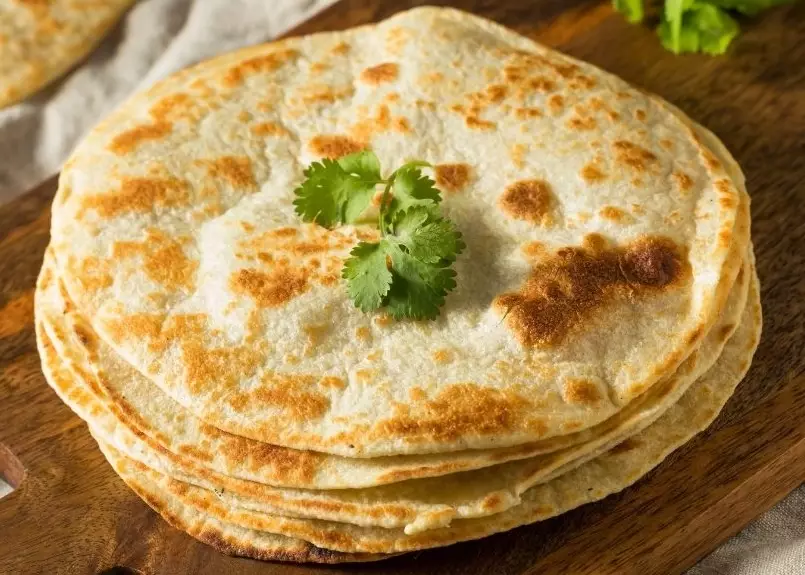
Steps:
- Mix flour, baking powder, salt in a bowl. Add yogurt and oil—mix with hands until crumbly.
- Gradually add warm water until a soft dough forms. Knead for 5 minutes until smooth. Not too much—stop when it's elastic.
- Cover with a damp cloth and rest for 30 minutes. No need for hours like yeast dough.
- Divide into 6 balls. Roll each into an oval shape, about 1/4 inch thick.
- Heat a skillet on high. Brush one side of naan with water—this creates steam. Place wet-side down on the skillet. Cook for 2-3 minutes until bubbles form and bottom is golden.
- Flip and cook for another 1-2 minutes. Optionally, brush with melted butter or ghee.
I made this last week for friends. They couldn't believe it came from my kitchen. The water-brushing step? That's my hack—most recipes skip it, but it makes the naan puff up beautifully.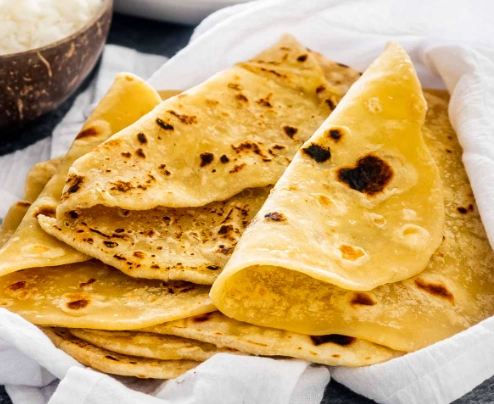
Recipe 2: Quick Roti (Chapati)
Roti is the workhorse of Indian bread. It's healthy, simple, and goes with everything. My mom's tip: keep the dough soft.
Ingredients: 2 cups whole wheat flour, 3/4 cup water (adjust as needed), 1/2 tsp salt, 1 tsp oil.
Steps:
- Combine flour and salt. Add water slowly, mixing until it comes together. It should be slightly sticky.
- Knead for 4-5 minutes until smooth. Add oil and knead for another minute. Rest covered for 20 minutes.
- Divide into 8 balls. Roll each into a thin circle, about 6 inches wide. Use minimal flour to prevent dryness.
- Heat a skillet on medium-high. Place roti on it. Cook for 30 seconds until light brown spots appear.
- Flip and cook the other side for 30 seconds. Then, using tongs, hold it over direct flame for a few seconds to puff up. If you have an electric stove, press gently with a cloth to encourage puffing.
The flame step is optional but gives that authentic char. I messed this up initially by cooking on low heat—the roti turned tough. Medium-high is key.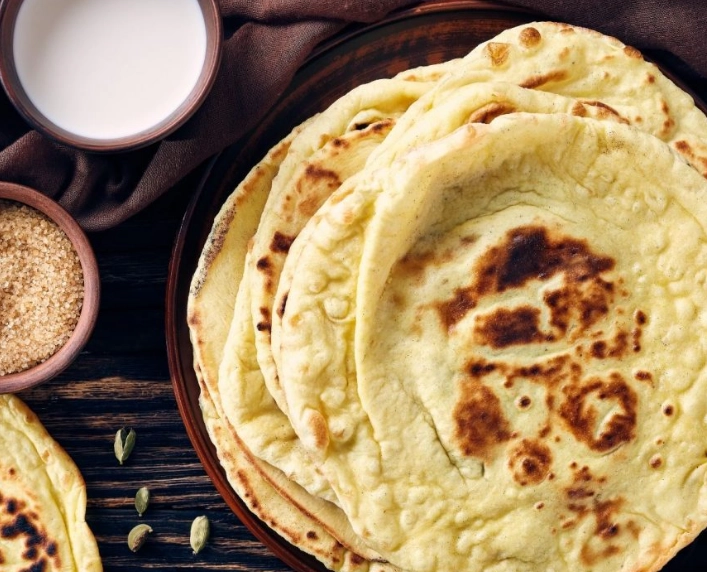
Recipe 3: Simple Paratha
Paratha is like roti's richer cousin—flaky and layered. It takes a bit more effort, but it's worth it for a weekend breakfast.
Ingredients: 2 cups whole wheat flour, 3/4 cup water, 1/2 tsp salt, 2 tbsp ghee or oil for layering.
Steps:
- Make dough similar to roti: mix flour, salt, water, knead for 5 minutes, rest for 30 minutes.
- Divide into 6 balls. Roll each into a small circle.
- Brush with ghee, sprinkle a little flour, then fold into a square or roll up like a Swiss roll and flatten again. This creates layers.
- Roll out gently to about 1/8 inch thick.
- Cook on a skillet with medium heat, adding a teaspoon of ghee around the edges. Cook each side for 2-3 minutes until golden and crispy.
Paratha can be stuffed with potatoes or spices, but start plain. My first paratha was a disaster—I rolled too thin and it tore. Go slow, and don't worry if it's not perfect.
Common Mistakes and How to Avoid Them
Here's where experience kicks in. I've seen these errors repeatedly, and they're rarely mentioned in generic recipes.
Over-kneading the dough: This is the #1 mistake. Knead until smooth, then stop. Over-kneading develops too much gluten, making bread chewy. For roti, 5 minutes max. I learned this after making hockey pucks for months.
Using too much flour while rolling: It dries out the dough. Instead, oil your hands or rolling surface lightly. If the dough sticks, chill it for 10 minutes—it firms up.
Incorrect heat: Too low, and bread dries out; too high, it burns. For roti, medium-high; for naan, high. Test with a small piece of dough—it should sizzle immediately.
Skipping the rest time: Resting relaxes the gluten, making rolling easier. Even 15 minutes helps. I used to skip this, and my roti would shrink back when rolled.
Another subtle point: water temperature. For naan, use warm water to activate baking powder; for roti, room temp is fine. Cold water can make dough stiff.
I once attended a workshop by the Indian Culinary Institute (I found their notes online), and they emphasized dough hydration. Aim for a soft, pliable dough—not too wet, not too dry. It should feel like your earlobe, as chefs say. Weird analogy, but it works.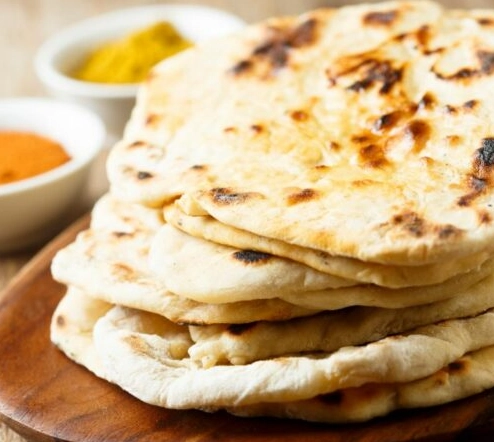
FAQ: Your Questions Answered
That's it. Indian bread recipes easy? Absolutely. Start with roti, master the heat, and don't fear mistakes. My kitchen has seen more failures than successes, but that's how you learn. Now, go make some bread—it's easier than ordering takeout.
Discussion