Your Chutney Roadmap
- What Exactly Is Chutney, Anyway? (And Why You Should Care)
- The Pantry Staples: Your Chutney Toolkit
- The Main Event: Classic Indian Chutney Recipes Demystified
- Beyond the Classics: A World of Chutney Variations
- Your Top Chutney Questions, Answered (FAQs)
- Leveling Up: Pro Tips & Troubleshooting
- Storing & Serving: Making It Last
- Final Thoughts: Your Chutney Journey Starts Now
Let's be honest, the first time you had a proper Indian meal, it probably wasn't just the curry that blew your mind. It was that little side dish, often green or brown, sitting innocently in a small bowl. You took a bite with your samosa or spread it on your naan, and boom—an explosion of tangy, spicy, sweet, or herbaceous flavor that completely changed the game. That, my friend, was chutney.
And if you're here, you've probably tried the store-bought stuff and thought, "This is fine." But then you had a homemade version at a friend's place or a good restaurant, and you realized there's a whole universe of difference. The fresh kick of cilantro, the slow burn of garlic, the sweet-and-sour punch of tamarind... it's addictive. You want to make it yourself. But where do you even start? Which of the countless Indian chutney recipes do you try first?
Don't worry, you're in the right place. This isn't just a list of recipes. This is your backstage pass to understanding, making, and mastering chutney. We'll ditch the intimidation and get straight to the good stuff—the kind of knowledge that comes from getting your hands dirty (often literally, with turmeric-stained fingers).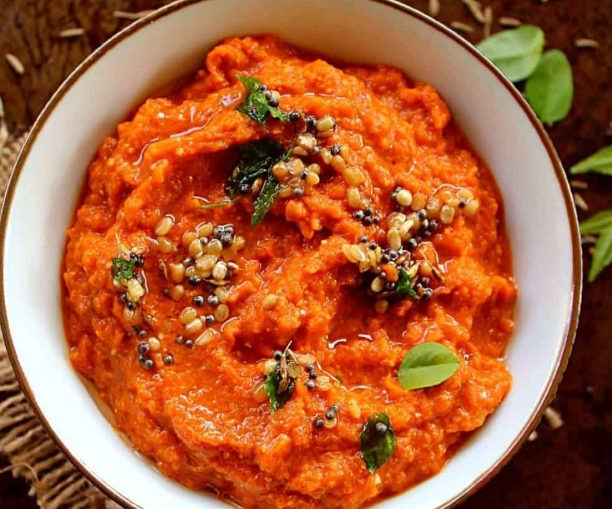
What Exactly Is Chutney, Anyway? (And Why You Should Care)
I used to think chutney was just "Indian salsa." That's a decent starting point, but it sells it short. The word "chutney" comes from the Hindi word "chatni," which basically means "to lick." Think about that for a second. It's so good you want to lick the bowl clean. That's the goal.
The Core Idea: At its heart, chutney is a condiment or side dish made from a mix of chopped vegetables, fruits, herbs, or spices. It can be fresh ("kachcha") or cooked ("pakka"), wet or dry, smooth or chunky. Its primary job? To add a contrasting flavor—acidity, heat, sweetness, or freshness—to balance the main dishes, which are often rich and complex.
Why bother making it from scratch when you can buy a jar? Oh, let me count the ways. First, freshness. The vibrant green of a just-blended mint chutney is a thing of beauty you'll never find in a supermarket bottle, which often relies on preservatives and food coloring. Second, control. You like it spicier? Add more chilies. Want it tangier? Squeeze in extra lemon. Third, it's surprisingly quick. Many of the best Indian chutney recipes come together in under 10 minutes.
It's also incredibly versatile. Sure, it's the perfect partner for pakoras and dosas. But have you tried mint chutney as a sandwich spread? Or a dollop of tangy tomato chutney on grilled cheese? Life-changing, I tell you.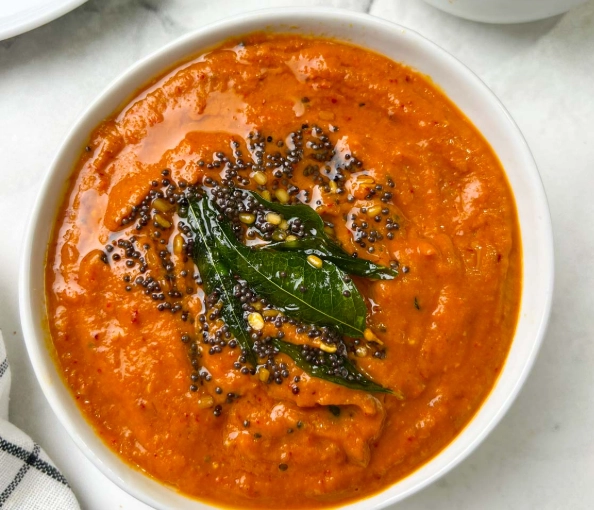
The Pantry Staples: Your Chutney Toolkit
Before we dive into the recipes, let's talk gear and ingredients. You don't need a professional kitchen.
I remember trying to make my first coriander chutney in a cheap, tiny blender. It just pushed the leaves around and left huge chunks. A lesson learned the hard way.
Essential Equipment
- A Good Blender or Food Processor: This is non-negotiable for wet chutneys. You don't need a $500 Vitamix, but something with a decent motor will save you time and frustration. A small "chutney jar" that often comes with Indian mixer-grinders is ideal, but any small food processor works.
- A Heavy-Bottomed Pan: For cooked chutneys. Even heat distribution prevents burning.
- A Spice Grinder or Mortar & Pestle: For toasting and grinding whole spices. Pre-ground spices work in a pinch, but freshly ground makes a noticeable difference, especially in dry chutneys (podis).
- Glass Jars for Storage: Always use glass, not plastic, which can absorb strong odors.
Core Ingredients (The Flavor Builders)
- The Fresh Brigade: Cilantro (coriander leaves), mint, garlic, ginger, green chilies, fresh coconut. The soul of many fresh chutneys.
- The Sour Agents: Lemon juice, lime juice, raw mango (in season), tamarind pulp, dried mango powder (amchur), yogurt. This tang is crucial for balance.
- The Aromatics & Spices: Cumin seeds, mustard seeds, asafoetida (hing), curry leaves, turmeric, red chili powder. These are often tempered in hot oil to release their flavors for cooked varieties.
- The Nutty/Creamy Elements: Peanuts, sesame seeds, coconut (dried or fresh), chickpeas (for dal-based chutneys). They add body and richness.
- The Sweetness (when needed): Jaggery (unrefined cane sugar) is traditional and adds a deep, caramel-like note. Brown sugar or plain sugar works too.
See? Nothing too crazy. You likely have half of this already.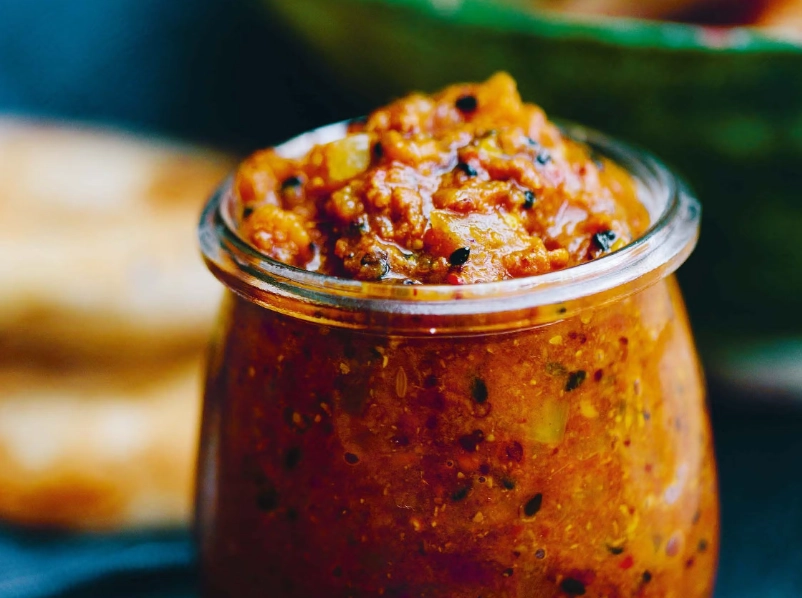
The Main Event: Classic Indian Chutney Recipes Demystified
Alright, let's get to the recipes. I've broken them down into the absolute classics—the ones you'll encounter in 90% of Indian homes and restaurants. Think of these as your foundational Indian chutney recipes.
1. The Green Goddess: Fresh Coriander (Cilantro) & Mint Chutney
This is the quintessential green chutney. It's bright, herby, slightly spicy, and tangy. The ultimate all-rounder.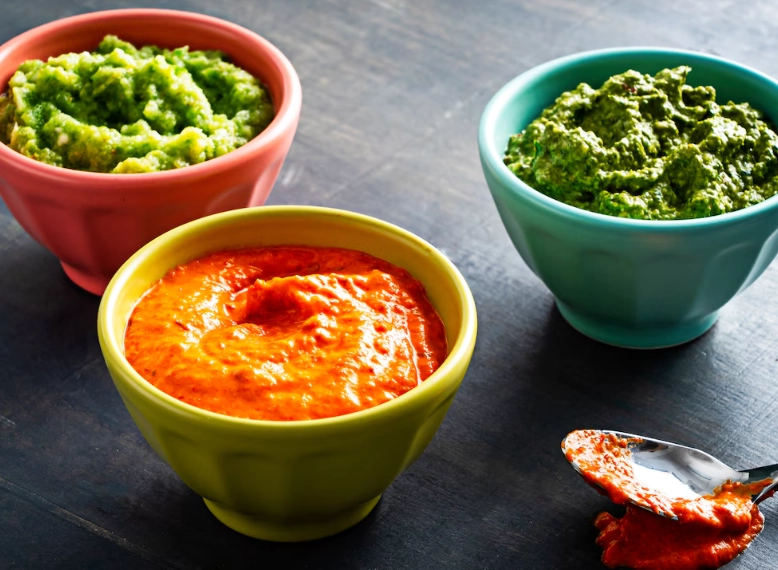
What you'll need:
- A big bunch of fresh coriander (about 2 cups, packed). Stems are fine, they have flavor! Just give them a wash.
- 1 cup fresh mint leaves (packed).
- 1-2 green chilies (Serrano or Thai). Adjust for heat.
- 1 small onion or a large shallot (optional, but adds a nice bite).
- 1-inch piece of ginger, chopped.
- 1-2 cloves of garlic.
- Juice of 1 large lemon or lime.
- 1 tsp cumin seeds.
- Salt to taste.
- 2-3 tbsp water (just to help the blender along).
The Method: Dump everything into your blender. Pulse. Scrape down the sides. Pulse again until you get a coarse-to-smooth paste. Don't over-blend into a soup; a little texture is good. Taste. Does it need more salt? More lemon? More chili? Adjust. That's it. Seriously. This is one of the easiest Indian chutney recipes and arguably the most useful.
Pro-Tip & My Personal Gripe: Most recipes tell you to add water. Be careful! It's easy to add too much and end up with a watery, sad-looking chutney. I start with just a tablespoon, blend, and only add more if the blades are struggling. The natural water from the washed herbs and lemon juice often does the trick. A watery chutney is my pet peeve—it dilutes all the flavors.
Uses: Samosas, pakoras, sandwiches, wraps, as a marinade base for chicken or fish, mixed into yogurt for a quick raita.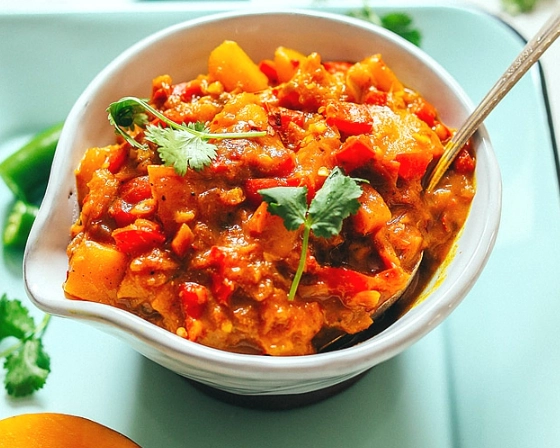
2. The Coconut Classic: Fresh Coconut Chutney
If you love dosa or idli, this is its soulmate. Creamy, slightly nutty, and cooling.
Here's where a little cooking comes in. You'll need fresh or frozen grated coconut (about 1 cup). Blend it with 2-3 tbsp roasted chana dal (split roasted chickpeas—this is the thickener), a green chili or two, a small piece of ginger, and salt. Blend with a little water to a smooth paste.
The Magic Step (Tadka/Tempering): This is what elevates it. Heat 1 tbsp oil in a small pan. Add 1 tsp mustard seeds, 1 tsp urad dal (split black gram), a pinch of asafoetida (hing), and a few curry leaves. Let the mustard seeds pop and the dal turn golden. Pour this sizzling oil mixture over the blended chutney. The crackle and aroma are incredible.
This tempering technique is a cornerstone of many South Indian chutney recipes and savory dishes. The government of India's tourism site, Incredible India, often highlights the diversity of regional cuisines, and this tadka is a perfect example of a simple technique with profound impact.
3. The Sweet & Sour Star: Tamarind Date Chutney (Imli Chutney)
This is the dark, sweet, tangy sauce you get with chaat like bhel puri and pani puri. Making it from scratch is a game-changer compared to the overly sweet, gloppy commercial versions.
Soak a golf-ball sized lump of seedless tamarind in 1 cup hot water for 30 minutes. Squeeze and strain to get thick pulp. In a pan, combine the pulp with ½ cup pitted dates (chopped), 1 cup water, 2 tbsp jaggery or brown sugar, 1 tsp roasted cumin powder, ½ tsp red chili powder, and a big pinch of salt.
Simmer for 15-20 minutes until it thickens to a syrup-like consistency. Let it cool and blend until smooth. The dates give it a lovely depth and natural sweetness that balances the sharp tamarind.
Watch Out: This chutney thickens A LOT as it cools. Take it off the heat when it's still a bit runnier than you think you want. I've made the mistake of reducing it to "perfect" thickness in the pan, only to end up with a fruit leather-like substance in the fridge. Not ideal.
Beyond the Classics: A World of Chutney Variations
Once you're comfortable with the big three, the world is your oyster. Here's a quick table to show you the incredible spectrum of Indian chutney recipes out there. This should give you ideas for what to explore next.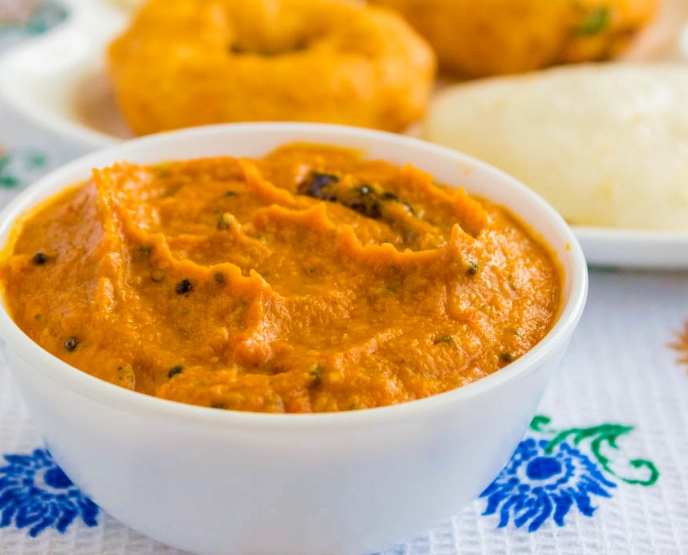
| Chutney Type | Key Ingredients | Texture/Type | Best Paired With |
|---|---|---|---|
| Garlic (Lasoon) Chutney | Dried red chilies, garlic cloves, oil, tamarind | Oily, paste-like, VERY spicy | Kebabs, tandoori chicken, spread on bread |
| Tomato Onion Chutney | Tomatoes, onions, dried red chilies, mustard seeds | Cooked, jammy, tangy-sweet | Dosa, idli, steamed rice |
| Peanut (Shengdana) Chutney | Roasted peanuts, garlic, chilies, tamarind | Coarse, dry-ish, nutty & hot | Bhakri (flatbread), as a dry dip |
| Mango (Green) Chutney | Raw green mango, spices, sugar | Cooked, chutney-relish hybrid | Cheese platters, cold cuts, Indian meals |
| Gunpowder (Milagai Podi) | Lentils (dal), dried chilies, sesame seeds | Dry powder | Mixed with oil/ghee and eaten with idli/dosa/rice |
See what I mean? From wet to dry, fresh to cooked, there's a chutney for every mood and dish. Exploring these different Indian chutney recipes is half the fun.
Your Top Chutney Questions, Answered (FAQs)
I get asked these all the time. Let's clear them up.
Fresh herb-based chutneys (like coriander-mint) are best eaten within 2-3 days. Keep them in the coldest part of your fridge in an airtight glass jar. Cooked chutneys (like tamarind-date or tomato) can last 1-2 weeks, sometimes more, due to the sugar/vinegar acting as a preservative.
Can you freeze it? Absolutely. For fresh chutney, freeze it in ice cube trays. Once frozen, pop the cubes into a freezer bag. A cube or two thaws quickly for a single serving. This is a lifesaver.
This usually happens with coriander chutney. The culprits are often the coriander stems (if they're very thick and old) or over-blending, which can bruise the herbs and release bitter compounds. Try using mostly leaves and tender stems, and pulse rather than running the blender continuously.
For traditional, stone-ground texture, yes! A mortar and pestle will give you an amazing, rustic paste with more pronounced flavors. It's a workout, but the result is different and wonderful. For dry chutneys (podis), a simple coffee grinder dedicated to spices works perfectly.
The vast majority of Indian chutney recipes are naturally vegan and gluten-free. They're based on herbs, spices, nuts, and fruits. The only exceptions might be if yogurt is used (in some raita-like versions) or if there's a concern about asafoetida (hing), which sometimes uses wheat as an anti-caking agent. Check the label or buy pure resin/powder from a trusted source. For comprehensive information on plant-based Indian cuisine, resources like BBC Good Food often have reliable guides that align with these principles.
It's a blurry line. Generally, chutney is cooked longer than salsa, often has vinegar and sugar, and has a softer, jammy texture. Relish is usually chunkier and pickled. Indian chutneys are a category of their own, with a huge range from fresh salsas (like coriander) to cooked preserves. Don't get hung up on the name.
Leveling Up: Pro Tips & Troubleshooting
Here's the stuff they don't always put in the recipe card.
Salt First: Always add salt early when blending. It helps draw moisture out of the ingredients, making them easier to blend into a smooth paste.
The Order of Blending: For wet chutneys, start with the harder ingredients (ginger, garlic, chilies, nuts) and a little liquid. Get them going first, then add the soft herbs (cilantro, mint). You'll get a more even texture.
Fixing a Broken/Too-Thick Chutney: Added too many nuts or dal and it's a pasty brick? Just whisk in a little water, lemon juice, or even plain yogurt (if the flavor fits) a teaspoon at a time until it loosens up.
Balancing Flavors is Key: Chutney is all about balance. Taste after blending. Too spicy? Add a pinch of sugar or a squeeze of lemon to counter. Too tangy? A tiny bit of sugar or a few more nuts/herbs can mellow it. Too bland? More salt. Salt is a flavor enhancer, not just a salty taste.
Honestly, the best way to learn is to taste and adjust. Trust your palate.
Storing & Serving: Making It Last
A quick note on storage because nothing is sadder than spoiled chutney.
- Glass Jars, Always: Plastic absorbs smells and can stain.
- The Oil Layer Trick: For some cooked chutneys, pouring a thin layer of oil on top before sealing can create a barrier against air, extending shelf life. Common in garlic chutney.
- Clean Utensils: Always use a clean, dry spoon to scoop out chutney. Introducing moisture or other food particles is the fastest way to mold.
When serving, think beyond the bowl. Use it as a base for salad dressings, mix it into mayonnaise or cream cheese, brush it on grilled vegetables or meats in the last few minutes of cooking.
Final Thoughts: Your Chutney Journey Starts Now
Look, the beauty of these Indian chutney recipes is their flexibility. There's no single "correct" version. My mom's coriander chutney tastes different from my aunt's, and both are delicious. They reflect personal taste and what's available.
So, start with the classic green chutney. Get a feel for it. Then maybe try the coconut one with its tempering. Experiment. Add a handful of spinach to your green chutney for extra volume. Throw in a few roasted almonds for creaminess. Make it yours.
The goal is to have a few reliable, flavorful Indian chutney recipes in your back pocket that you can whip up without thinking. They transform simple meals into something special. And once you experience the satisfaction of dipping a hot samosa into a chutney you made from scratch, there's no going back. You'll be a convert for life.
Now go raid your herb drawer. It's chutney time.
Discussion