Let's be honest. Most recipes for Hyderabadi biryani online make it seem impossible. They talk about royal kitchens, secret spice blends, and hours of labor. I thought the same until I spent a summer in Hyderabad's old city, pestering a friend's grandmother for details. The truth? It's a method, not magic. And you can absolutely nail it in a regular kitchen. The key isn't just the ingredients list for Hyderabadi biryani; it's understanding the why behind each step, especially the famous 'dum' cooking. Forget the intimidation. Here's how to make Hyderabadi biryani that's fragrant, layered, and deeply flavorful.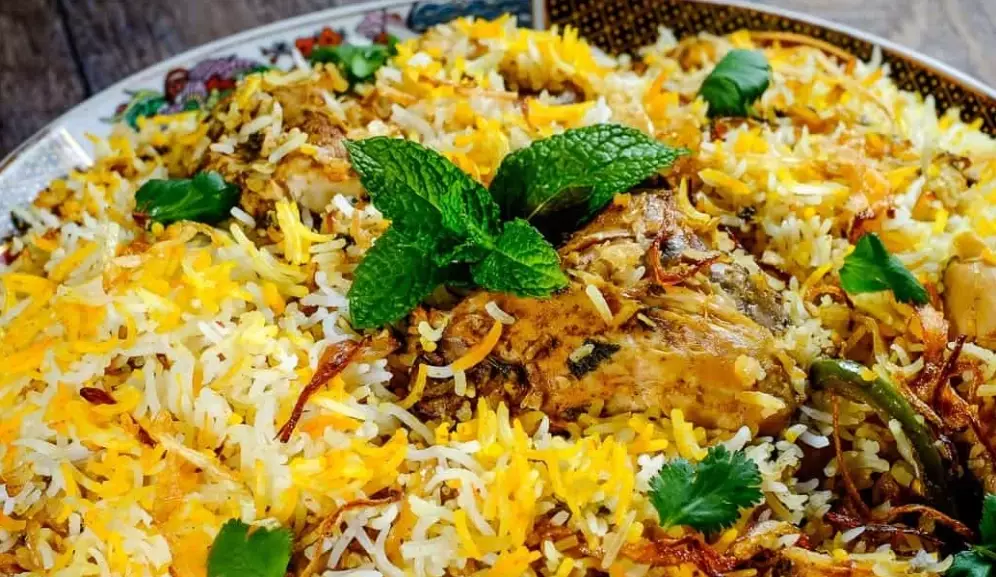
What You'll Find in This Guide
More Than Just a Recipe: The Heart of Hyderabadi Biryani
Hyderabadi biryani isn't just food; it's a story in a pot. It arrived with the Mughals but got a serious makeover in the Nizam's kitchens. The local spices, the slow 'dum' technique (sealing the pot to trap steam), and the preference for basmati rice and goat meat created something unique. There are two main styles: Kacchi (where raw marinated meat is layered with par-boiled rice) and Pakki (where cooked meat and rice are layered). The Kacchi method is more celebrated but trickier. That's the one we're tackling. It feels like a gamble—putting raw meat in with rice—but when it works, the meat juices perfume every grain. It's unreal.
I messed up my first three attempts. The rice was mush, the meat was tough. My mistake? Rushing. This dish demands patience and attention to detail, not just following a list of spices.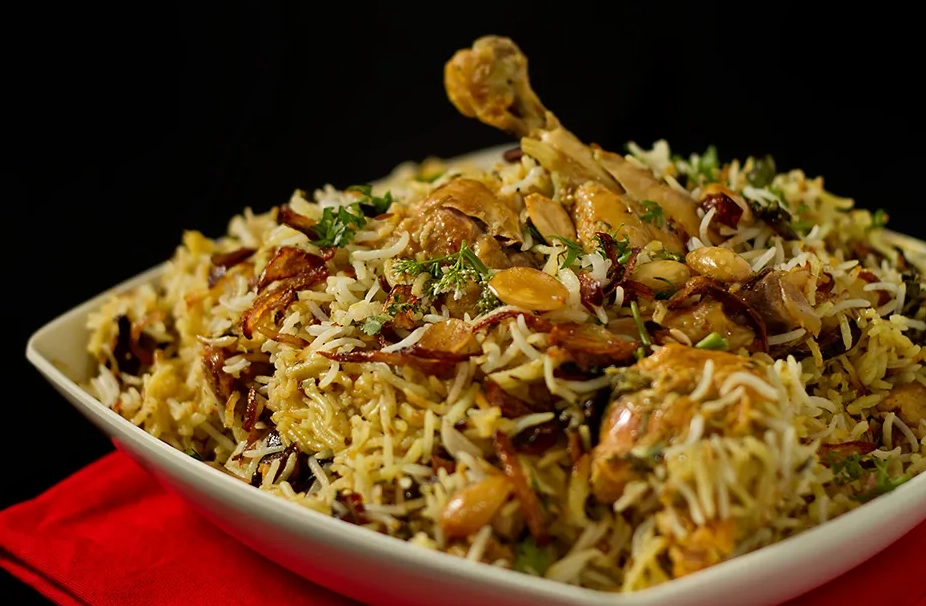
Your Biryani Toolkit: Non-Negotiable Ingredients Explained
You can't build a palace with straw. Here are the foundations. Don't skip or heavily substitute these.
| Ingredient | Why It's Crucial & Notes |
|---|---|
| Basmati Rice (like India Gate or Daawat) | Long grains, non-sticky, aromatic. Old basmati is best. Soak for at least 30 mins—it's not optional. |
| Goat Meat (Bone-in) | Shoulder or leg cuts. The bone adds immense flavor. Chicken works (bone-in thighs), but goat is traditional. |
| Fried Onions (Birista) | The soul of the dish. Thinly slice 4-5 large onions, fry until deep golden brown. Store-bought works in a pinch, but homemade is 10x better. |
| Whole Spices: Green Cardamom, Cloves, Cinnamon, Bay Leaf, Star Anise | You need the whole ones, not just powder. They infuse the oil and rice during cooking. |
| Ginger-Garlic Paste | Freshly made. The pre-packaged stuff often has a sour tang that throws off the flavor. |
| Mint & Coriander Leaves | Freshness counterpoints the rich spices. Don't use dried herbs. |
| Saffron & Kewra Water | The final aromatic flourish. Soak a few saffron strands in warm milk. Kewra water (screwpine essence) is potent—2-3 drops are enough. |
| Yogurt & Raw Papaya Paste | Yogurt tenderizes and adds tang. Raw papaya paste (a small piece ground) is a natural meat tenderizer—a secret many home cooks use. |
See that last one? The papaya paste. Most recipes don't mention it, fearing it'll make the meat mushy. Used correctly (just half a teaspoon for a kg of meat), it guarantees succulence without changing the flavor. It's a game-changer for tougher cuts.
The Layered Process: A Step-by-Step Walkthrough
Phase 1: The Marathon Marination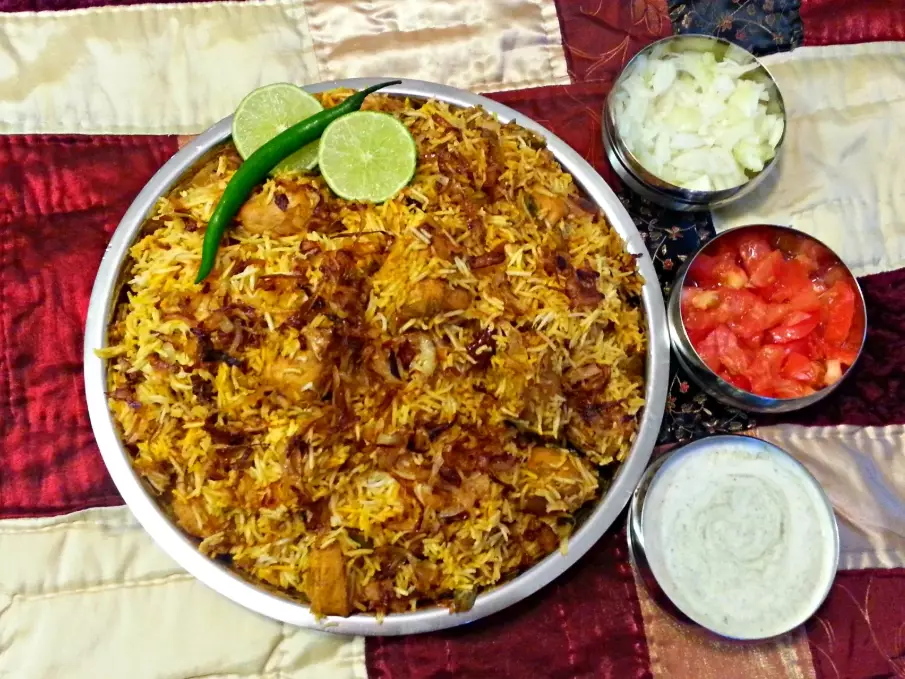
This isn't a 30-minute job. For 1 kg of meat, mix: 1.5 cups thick yogurt, 1/2 cup fried onions, 3 tbsp ginger-garlic paste, 2 tbsp red chili powder, 1.5 tbsp biryani masala (I recommend Shan or make your own), 1 tbsp turmeric, salt, chopped mint/coriander, juice of one lemon, and that tiny bit of raw papaya paste.
Rub it into the meat thoroughly. Cover and refrigerate. Overnight is ideal, 4 hours is minimum. This step builds the flavor foundation. Rushing here means a bland biryani.
Phase 2: The Rice Par-boil (The "Pakki" Part)
For 1 kg meat, use 1 kg (approx. 5 cups) basmati rice. Bring a huge pot of water to a rolling boil. Add whole spices (4 cardamom, 6 cloves, 2 cinnamon sticks, 2 bay leaves), and a hefty amount of salt—the water should taste salty like seawater. Add the soaked, drained rice.
Boil for exactly 5-6 minutes until the grains are 70% cooked. They should still have a firm core. Drain immediately. This is critical. Overcooked rice now means mush later.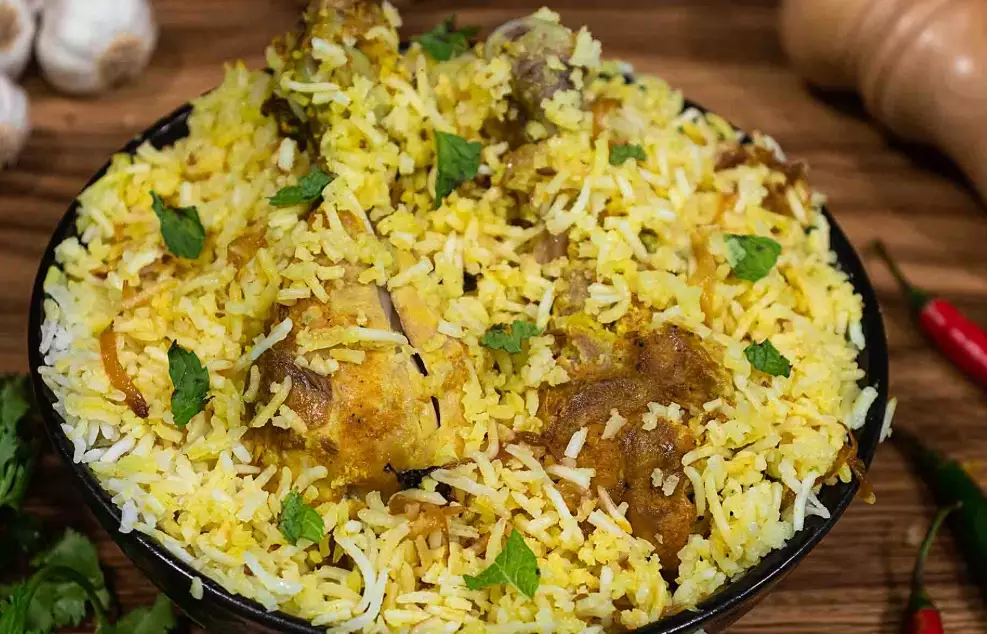
Phase 3: The Layering & The Dum (The Magic)
In a heavy-bottomed pot, heat 1/2 cup ghee or oil. Spread the marinated meat evenly. Top with half the remaining fried onions, half your fresh herbs. Now gently spoon the par-boiled rice over the meat to form an even layer. Don't pack it down.
Top with more fried onions, herbs, saffron milk, kewra drops, and drizzle 2-3 tbsp of ghee. Add a splash of water (about 1/4 cup) along the sides.
Now, seal the pot. Use aluminum foil first, then the lid. Or place a damp cloth over the pot, then the lid. This creates the steam chamber. Cook on very low heat (the lowest flame) for 25-30 minutes for chicken, 40-45 minutes for goat. No peeking.
Phase 4: The Rest & The Serve
Turn off the heat. Let it rest, still sealed, for another 15-20 minutes. This allows the residual heat to finish the cooking and lets the flavors settle. Then, open and gently mix the layers from the bottom up. Serve with a simple raita (yogurt with cucumber and mint).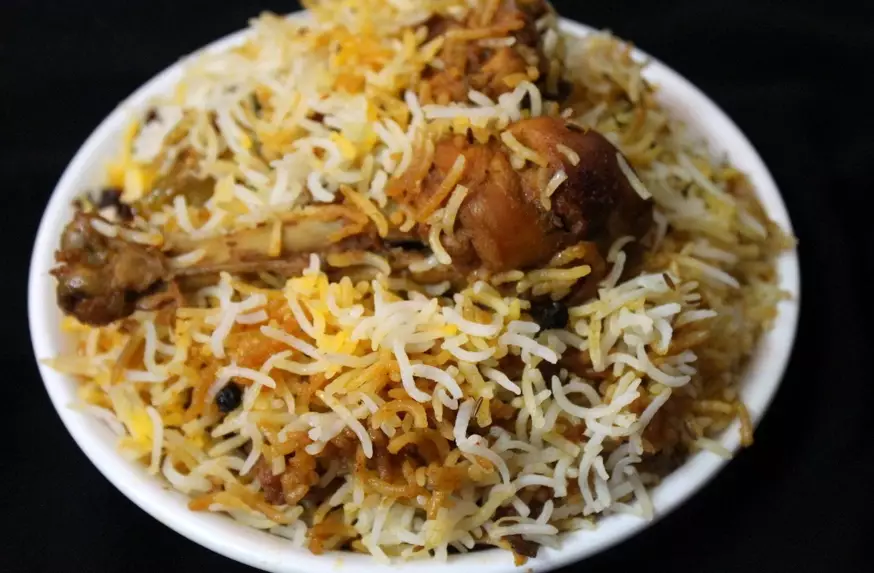
The Game-Changers: Tips You Won't Find in Every Recipe
After burning a few batches, here's what I learned the hard way.
The Rice Test: To check if the par-boil is right, take a grain and press it between your fingers. It should crush easily on the outside but you should still feel a slight resistance in the center. If it smushes completely, it's overdone.
Ghee vs. Oil: Use a mix. Pure ghee can be overwhelming. I do 60% oil, 40% ghee. The ghee adds aroma, the oil prevents burning.
The "Tava" Trick (No Heavy Pot?): If you don't have a thick-bottomed pot, place a flat griddle or 'tava' under your cooking pot during the dum. It diffuses the direct heat and prevents scorching.
Color Without Food Color: Don't like artificial orange? Soak a small piece of beetroot in the saffron milk for 10 minutes, then remove. It gives a beautiful natural pink hue.
The Final Drizzle: Right before sealing, drizzle a tablespoon of hot ghee or oil around the edges of the pot, between the rice and the pot wall. This creates a fantastic crispy layer of rice ('tahdig' in Persian cooking), which is a prized treat.
Your Biryani Questions, Answered
 What's a good substitute for kewra water and saffron if I can't find them?
Making Hyderabadi biryani is a project. It's not Tuesday night dinner. But once you get the rhythm—the long marination, the precise par-boil, the patient dum—it becomes almost meditative. And the result, that first fragrant spoonful where the rice is separate and the meat falls apart? That's worth every minute. Don't aim for perfection the first time. Aim for understanding the process. The perfection will follow.
Discussion