Quick Navigation
Let's be honest. We've all been there. You find a recipe online titled "The Best Indian Chicken Curry Ever!" and after two hours of chopping, frying, and simmering, you end up with something that tastes... fine. Not amazing, not terrible, just fine. It's missing that deep, complex flavor you remember from that little restaurant, or from your friend's mom's cooking. The magic just isn't there.
I spent years in that loop. My early attempts at butter chicken were either too sweet, like a tomato soup, or so bland I'd drown it in store-bought sauce. It was frustrating. The problem, I realized, wasn't the desire. It was the recipes. They either oversimplified things to the point of being useless, or they were so rigid and traditional they felt impossible for a weeknight.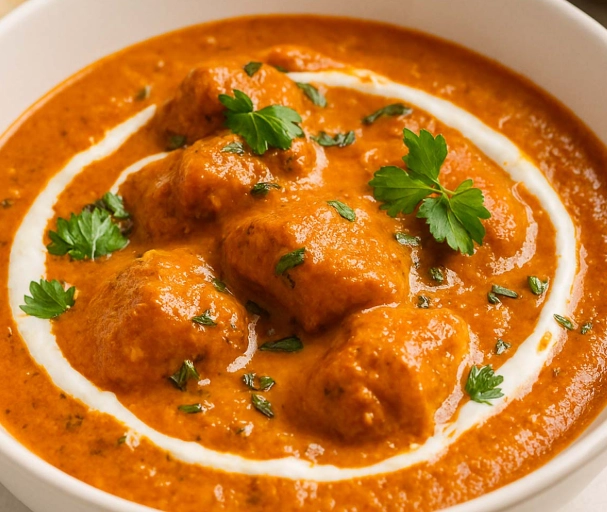
So I started digging. I talked to home cooks, read old cookbooks, and messed up a lot of dinners. What I learned changed my cooking. Indian food, especially chicken dishes, follows a beautiful logic. Once you get it, you can make restaurant-quality food at home, reliably. That's what this is about. No fluff, no impossible-to-find ingredients, just a straight-up guide to the best Indian chicken recipes that you can actually make and be proud of.
What Makes a Recipe One of the "Best Indian Chicken Recipes"?
It's not just about taste (though that's 80% of it). For me, a recipe earns the title of one of the best Indian chicken recipes if it ticks a few boxes. First, the flavor has to be balanced and authentic-tasting, even if we take a shortcut or two. Second, it has to be achievable for someone who isn't a professional chef. Third, it should teach you a technique or principle you can use elsewhere. A recipe that just gives you a list to follow is a dead end. A recipe that shows you why you're doing something is a gift that keeps on giving.
For example, why do we marinate chicken in yogurt for dishes like Tikka Masala? It's not just tradition. The lactic acid in yogurt tenderizes the meat far more gently than lemon juice or vinegar, leading to incredibly juicy chicken. That's a principle you can use in countless other marinades. See? Useful.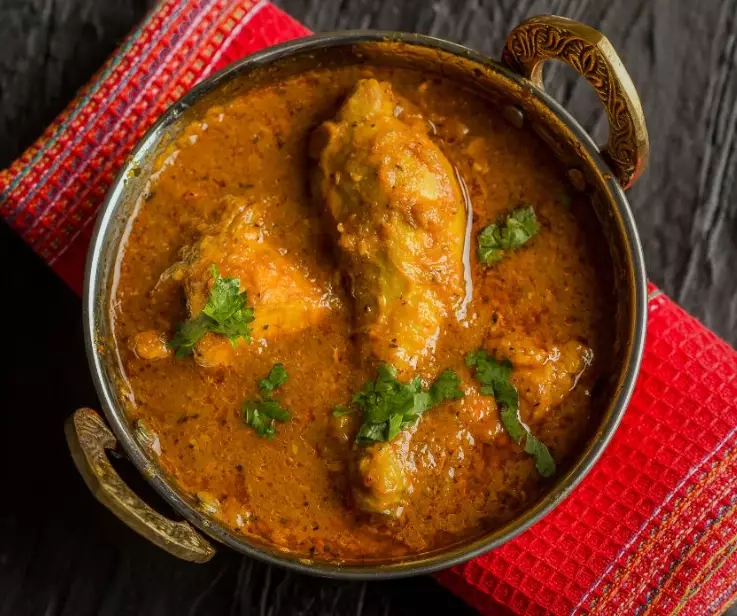
The Top 5 Contenders for Your New Favorite Meal
This isn't just a random list. These five dishes represent different corners of Indian cuisine—the creamy, the smoky, the spicy, the hearty, and the quick. Mastering these gives you a fantastic repertoire. I've ranked them based on a mix of popularity, flavor payoff, and learning value.
| Rank & Dish | Flavor Profile | Effort Level | Key Skill You'll Learn | Perfect For |
|---|---|---|---|---|
| Top 1: Butter Chicken (Murgh Makhani) | Creamy, mildly spiced, rich tomato & butter sauce | Medium (worth every minute) | Building a smooth, rich gravy (masala base) | Impress guests, ultimate comfort food |
| Top 2: Chicken Tikka Masala | Tangy, aromatic, creamy with charred chicken pieces | Medium-High (involves marinating & grilling/broiling) | Marination for tenderness & achieving a smoky flavor ("tandoori" effect at home) | When you want that classic restaurant centerpiece |
| Top 3: Chettinad Chicken | Fiery, bold, incredibly aromatic with black pepper & fennel | Medium | Working with a dry roast & grind spice mix (masala podi) | Spice lovers, a break from creamy curries |
| Top 4: Chicken Curry (A Basic, Brilliant One) | Savory, hearty, onion & tomato-based gravy | Easy | The foundational "bhuna" technique (frying the masala) | Weeknight dinners, versatile base recipe |
| Top 5: Chicken Korma | Nutty, sweetly spiced, luxurious with nuts & cream | Medium | Creating a nut-based paste for thickness & flavor | Mild but complex flavor, special occasions |
See? Each one brings something different to the table. Literally.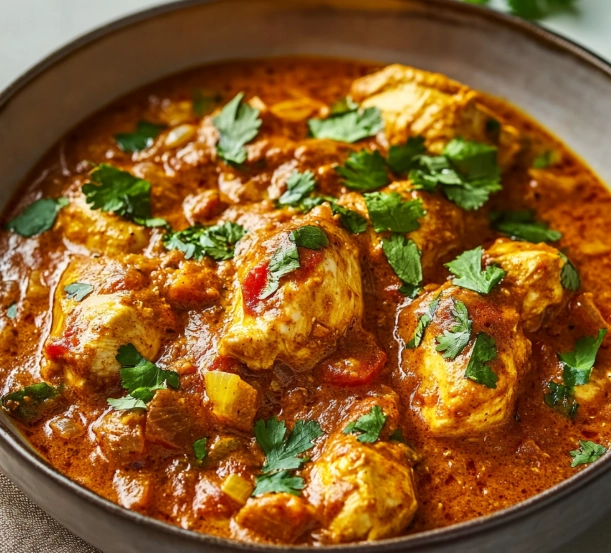
Top 1: Butter Chicken – The Undisputed King of Comfort
Let's start with the big one. The gateway drug to Indian cuisine for many. A good butter chicken is silky, slightly sweet, gently spiced, and impossibly comforting. A bad one is orange, greasy, and one-dimensional. The difference is in the process.
The secret isn't just dumping cream and butter into tomato sauce. It's about developing layers. You start by cooking down onions, ginger, and garlic until they're golden and sweet. Then you add tomatoes and cook them until they lose their raw acidity and the oil starts to separate from the mixture. This step, called "bhuno," is non-negotiable. It's where the deep flavor comes from. Rushing it is the number one mistake.
After you blend this base smooth, you add the cooked chicken (traditionally tandoori chicken, but pan-seared works great) and then finish with cream, butter, and a touch of honey or sugar. The final touch is dried fenugreek leaves (kasuri methi). Crush them between your palms before adding—it releases an incredible aroma that just screams "authentic Indian restaurant." If you only try one of these best Indian chicken recipes, make it this one, and do it right.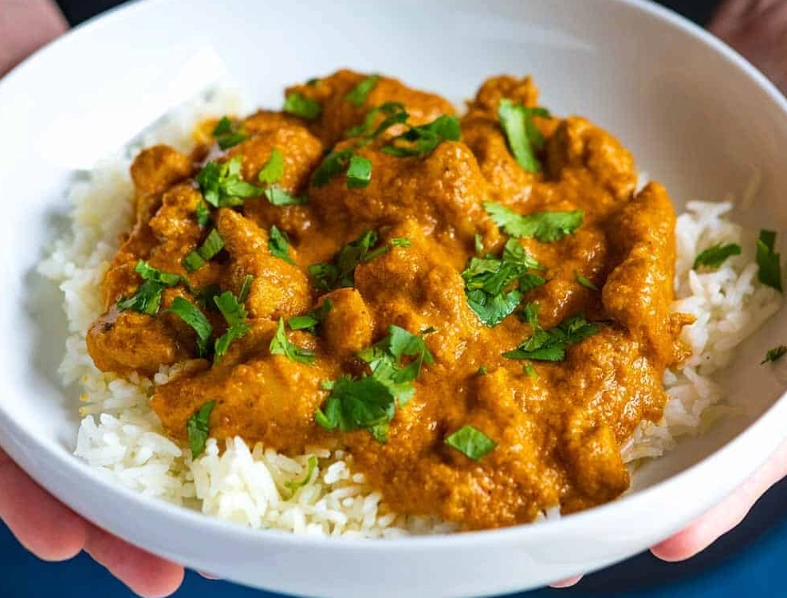
Top 2: Chicken Tikka Masala – The Flavor Bomb
Often confused with Butter Chicken, but they're cousins, not twins. Tikka Masala is brighter, tangier (often with a bit of lemon or yogurt in the sauce), and features distinct pieces of charred chicken. The chicken is the star here, not just an add-in.
The journey to the best Indian chicken recipes like this one is a two-act play. Act One: The Marinade. Yogurt, ginger-garlic paste, spices like cumin, coriander, and turmeric, and a bit of oil. Let that sit for at least an hour, but overnight is transformative. The chicken becomes so tender it's almost creamy itself.
Act Two: The Char. You need high, direct heat. A grill is ideal. A very hot oven broiler is the next best thing. You're not fully cooking the chicken here, just getting those beautiful blackened spots and smoky flavor. Don't crowd the pan, or you'll steam it.
The sauce is similar to butter chicken but often includes more paprika for color and less cream. You simmer the charred chicken pieces in the sauce just long enough to finish cooking and let the flavors marry. The result is a dish with incredible texture and a more complex flavor profile than its creamier cousin.
Top 3: Chettinad Chicken – For the Brave
If Butter Chicken is a warm hug, Chettinad Chicken is a lively debate. Hailing from the Chettinad region of Tamil Nadu, this is not a shy dish. It's known for its fiery heat and stunning aroma, primarily from a generous use of black peppercorns and star anise.
This is where you graduate from powdered spices. The heart of this dish is a dry-roasted and freshly ground spice mix. Toasting whole spices like coriander seeds, cumin seeds, fennel seeds, dried red chilies, and peppercorns in a dry pan until fragrant wakes them up in a way pre-ground powder never can. You grind them into a coarse powder, and that's your magic dust.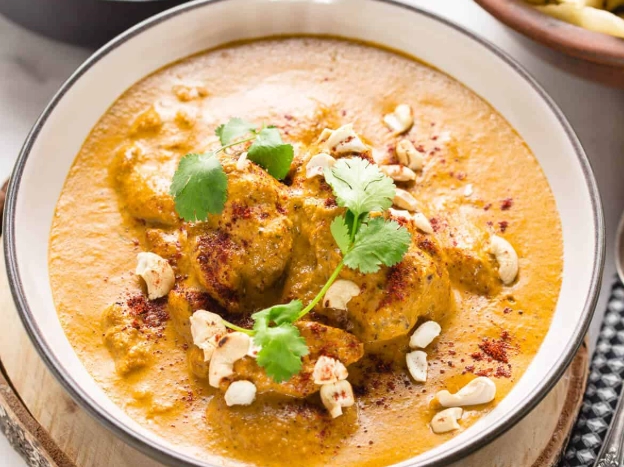
The Chettinad Spice Mix (The Soul of the Dish):
- Coriander seeds (the base)
- Black peppercorns (the signature heat)
- Fennel seeds (adds a sweet, licorice-like aroma)
- Cumin seeds
- Dried Kashmiri red chilies (for color and flavor, not just heat)
- A piece of star anise or cinnamon (just a tiny bit)
Dry roast on low heat for 2-3 minutes until you smell them, then grind. Trust me, the extra 5 minutes this takes is 90% of the flavor.
The chicken is then cooked with this fresh masala, coconut, onions, and tomatoes. The sauce is usually less creamy and more coating. It's a dry-ish curry, packed with flavor in every bite. It's easily one of the most aromatic and satisfying best Indian chicken recipes for when you're tired of the same old flavors.
The Foundation: Your Indian Spice Pantry (The Short List)
You don't need a wall of spices. You need a core team. With these, you can make 90% of the best Indian chicken recipes out there.
Ground Spices (Buy small quantities, they lose potency): Turmeric (for color and earthiness), red chili powder (Kashmiri is milder and gives great color), coriander powder (the workhorse, adds a lemony, floral note), cumin powder (earthy and warm). Garam Masala (a blend, add at the END of cooking).
Whole Spices (These last ages): Cumin seeds, black mustard seeds, dried bay leaves, cinnamon sticks, green cardamom pods, cloves.
The Pastes: Ginger-garlic paste. Just buy a good quality jar, or make a big batch and freeze it in ice cube trays. It's the backbone of flavor.
The Finishers: Dried fenugreek leaves (kasuri methi) and fresh cilantro. Non-negotiable for that final restaurant touch.
I used to buy every spice under the sun. Now, I just keep these fresh and well-stocked. It's liberating.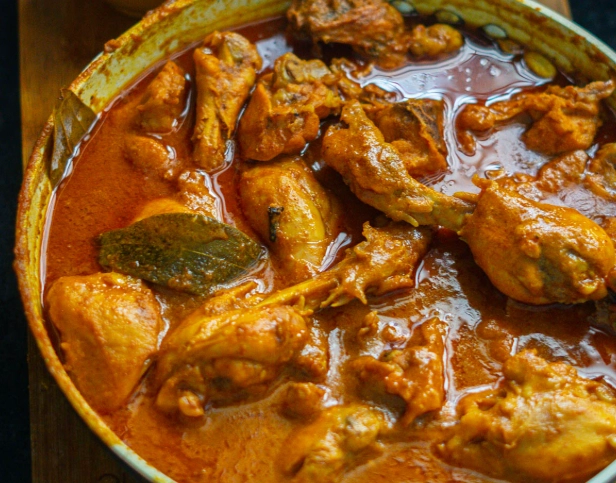
Answering Your Burning Questions (The FAQ)
Putting It All Together: Your First Week of Cooking
Don't try to make all five at once. Start with the Chicken Curry (Top 4). It's the foundation. Get comfortable with the process. The next week, try Butter Chicken. You'll see how the technique builds. Maybe the week after, attempt the marinade for Tikka Masala.
The goal isn't to become an expert overnight. It's to add one reliable, delicious dish to your rotation. Then another. Before you know it, you'll be tweaking recipes, adjusting spice levels to your taste, and confidently serving what truly are some of the best Indian chicken recipes you can make at home.
And the best part? The smell that fills your kitchen. There's nothing like it. It's the smell of patience paying off, of simple ingredients transforming into something complex and wonderful. It's the smell of a really good dinner, made by you.
So, pick one. Grab your pot. And start cooking. You've got this.
Discussion