Quick Navigation
So you want to cook spicy Indian food. I get it. There's something about that deep, complex heat that's completely addictive. It's not just about setting your mouth on fire—anyone can do that with a ghost pepper. Real Indian spiciness is a journey. It builds, it layers, it has flavor notes behind the burn. It makes you sweat a little, sure, but you keep going back for more.
I remember the first time I tried to make a proper curry. I threw a bunch of chili powder into some tomatoes and called it a day. It was spicy, alright. Spicy and... boring. One-dimensional. It tasted nothing like the food from my favorite restaurant. That's when I realized I was missing the point entirely.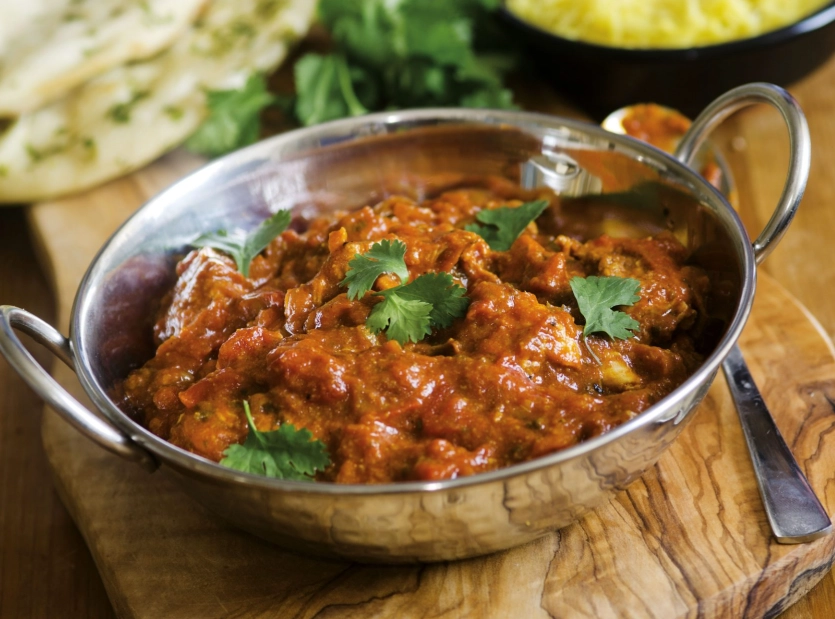
Good spicy Indian recipes are about harmony. They're a careful dance between chilies and a whole supporting cast of spices. This guide is what I wish I had back then. We're going to move beyond just "hot" and into the world of flavor-first heat. We'll cover the spices you actually need (and which ones you can skip at first), walk through some foolproof recipes, and tackle all the questions that usually pop up when you're standing in your kitchen, wondering why your curry tastes flat.
Think of this as your friendly, no-pressure map to cooking Indian food at home. We're not aiming for Michelin stars here. We're aiming for delicious, satisfying meals that you'll actually want to make on a Tuesday night.
The Foundation: It All Starts With The Spices
Let's clear something up right away. You don't need a cabinet full of 50 different spices. That's overwhelming and honestly, not necessary for 90% of the spicy Indian recipes you'll want to cook. A core set is all you need to get incredible results.
But what exactly makes a curry "spicy"? It's rarely just one thing. The heat comes from a combination, and understanding this is your first big win.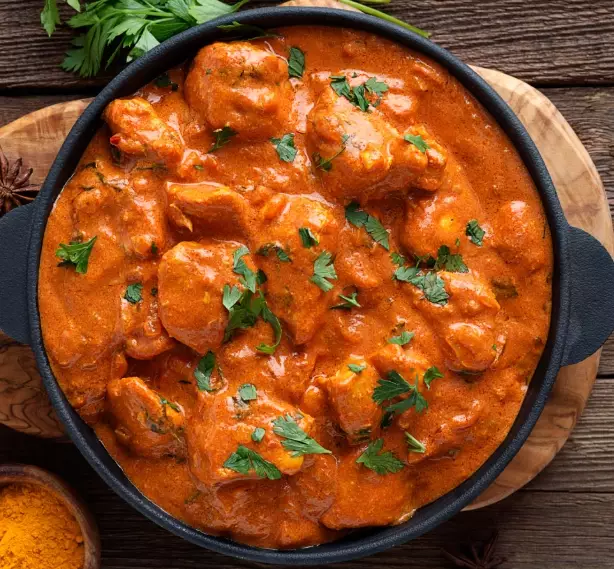
The Heat Trio: Know Your Players
Indian cooking uses different sources of heat that play distinct roles:
- Green Chilies (like Serrano or Thai Bird's Eye): Fresh, bright, grassy heat. They add a pungent kick that hits you quickly. You often add them whole or slit during the cooking process to infuse the oil.
- Red Chili Powder (Kashmiri or Degi Mirch preferred): This is your workhorse. It provides the main body of heat and that iconic red color. Kashmiri chili powder is milder and more vibrantly red, perfect for when you want color without insane heat.
- Black Pepper: The ancient heat. It gives a sharp, penetrating warmth that's different from chili heat. It's often used in finishing touches or in specific regional dishes.
I made the mistake of using a generic, super-hot red chili powder from my local supermarket once. The dish was inedible. Lesson learned: the type of chili matters. For a balanced, flavorful heat that won't scare off guests, seek out Kashmiri red chili powder. It's a game-changer.
Now, heat alone is just... hot. The magic happens when it meets the flavor builders.
The Flavor Builders (Your Essential Pantry List)
Here's the honest truth. If you have these five spices, you can make a huge variety of dishes. Buy them whole if you can and toast/grind them as needed—the flavor is worlds apart from pre-ground dust that's been sitting for a year.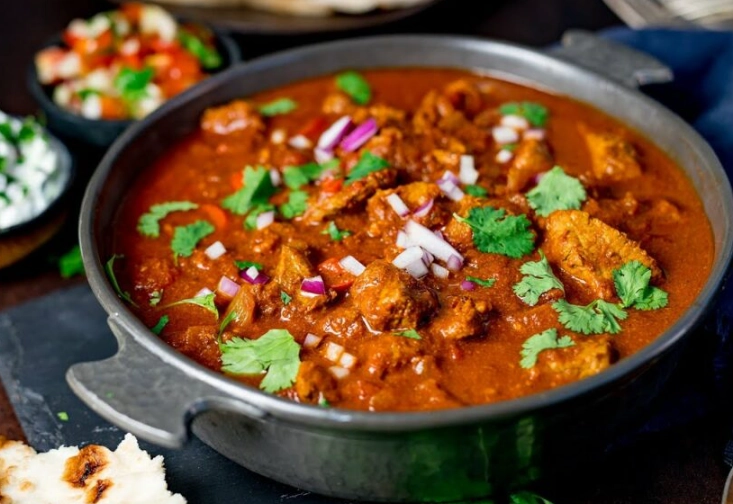
| Spice | Whole vs. Ground | What It Does | My Go-To Use |
|---|---|---|---|
| Cumin Seeds (Jeera) | Buy whole. Toast & grind. | Bloom them in oil right at the start of almost every curry. | |
| Coriander Seeds (Dhania) | Buy whole. Toast & grind. | Combined with cumin in my base powder. Cools down fiery dishes. | |
| Turmeric Powder (Haldi) | Buy ground is fine. | A pinch in the initial cooking with onions. Don't overdo it or it turns bitter. | |
| Garam Masala | Buy a good brand or make your own. | Always stirred in at the VERY END of cooking. Adding it early kills the aroma. | |
| Mustard Seeds (Rai) | Buy whole (black or yellow). | Spluttering them in oil for South Indian-style dishes and dals. |
See? Not so scary. With these, you're armed and ready. A quick personal take: I find some store-bought garam masalas can be too heavy on the clove. It overpowers everything. I started making a simpler blend at home (cumin, coriander, cardamom, black pepper, a tiny bit of cinnamon) and I'll never go back. Don't be afraid to adjust blends to your taste.
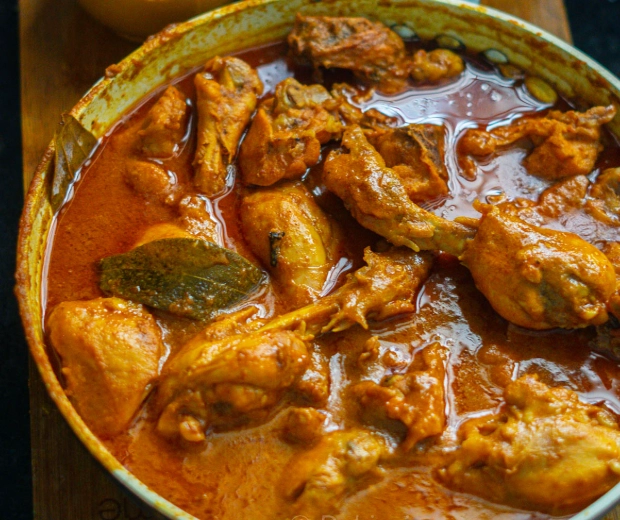
Your First Three Spicy Indian Recipes (No Restaurant Chef Required)
Let's get practical. Theory is great, but you want to cook. These three spicy Indian recipes are chosen because they teach you fundamental techniques while delivering massive flavor. They're also crowd-pleasers.
1. The Classic: Spicy Butter Chicken (Murgh Makhani) - But Lighter
Everyone loves butter chicken. The restaurant version can be very rich. This one keeps the signature creamy, spicy tomato gravy but feels a bit more weeknight-friendly. The key is the marinade and the slow cooking of the tomato base.
Heat Level: Medium (easily adjustable)
Key Technique Learned: Marinating for tenderness, building a smooth gravy.
The "Why It Works": The yogurt in the marinade tenderizes the chicken beautifully. Cooking the tomato paste and puree until the oil separates is non-negotiable—it concentrates the flavor and removes the raw taste.
I used to skip the marinating step because I was impatient. Big mistake. The chicken was always a bit tough. Even 30 minutes makes a difference, but if you can do a couple of hours (or overnight), you'll taste it.
2. The Flavor Bomb: Goan Pork Vindaloo
If you want to understand layered, vinegary heat, this is it. Vindaloo is often misunderstood as just "the hottest thing on the menu." Authentic Goan vindaloo is a balance of fiery chilies, tangy vinegar, and warm spices. It's a marinade-based dish, so planning ahead helps.
Heat Level: High (you can control the chili count)
Key Technique Learned: Making a wet spice paste (masala), using vinegar as a tenderizer and flavor agent.
The "Why It Works": The vinegar isn't just for tang; it helps carry the spice flavors deep into the meat. The long, slow cook after marinating melds everything into a powerful, complex sauce.
Pro Tip for Vindaloo: Use a mix of Kashmiri chilies for color and a smaller number of hotter dried chilies (like bird's eye) for the punch. Soak the dried chilies in the vinegar before blending your paste—it rehydrates them and makes blending smoother.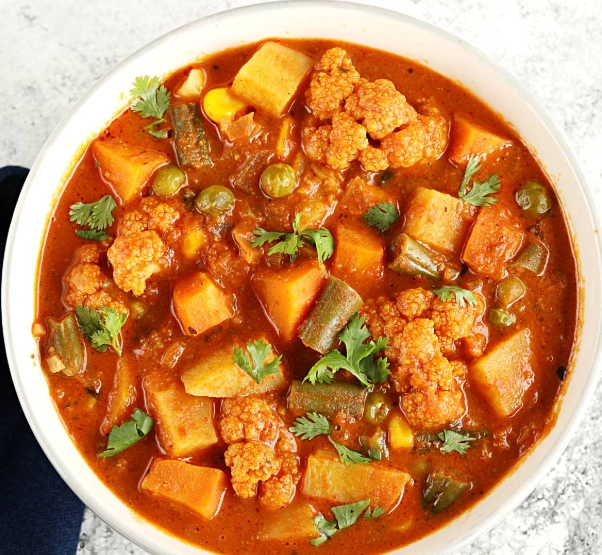
3. The Quick & Healthy One: Spicy Chickpea & Spinach Curry (Chana Saag)
This is my go-to when I need something fast, healthy, and deeply satisfying. It's packed with protein and fiber, and the spice level is totally in your control. It's also vegan if you use oil instead of ghee.
Heat Level: Medium-Low to Medium
Key Technique Learned: Blooming whole spices (cumin, mustard seeds), cooking down greens.
The "Why It Works": Using canned chickpeas makes it incredibly fast. The spinach wilts down into the sauce, making it nutritious and giving it a beautiful texture. The final squeeze of lemon juice is essential—it brightens all the earthy flavors.
Honestly, I make a version of this almost every other week. It's that reliable. Sometimes I add sweet potato cubes. Sometimes I use kale instead of spinach. It's a very forgiving template.
Leveling Up: Techniques That Make All The Difference
You have the spices. You have the recipes. Now let's talk about the little things that separate okay homemade Indian food from the stuff that makes you do a happy dance.
The Oil Bloom (Tadka/Baghaar)
This might be the single most important technique in Indian cooking. It's the process of frying whole spices in hot oil or ghee at the beginning (or sometimes the end) of a dish. The heat extracts the essential oils and aromas from the spices and infuses them directly into the cooking fat, which then carries that flavor throughout the entire dish.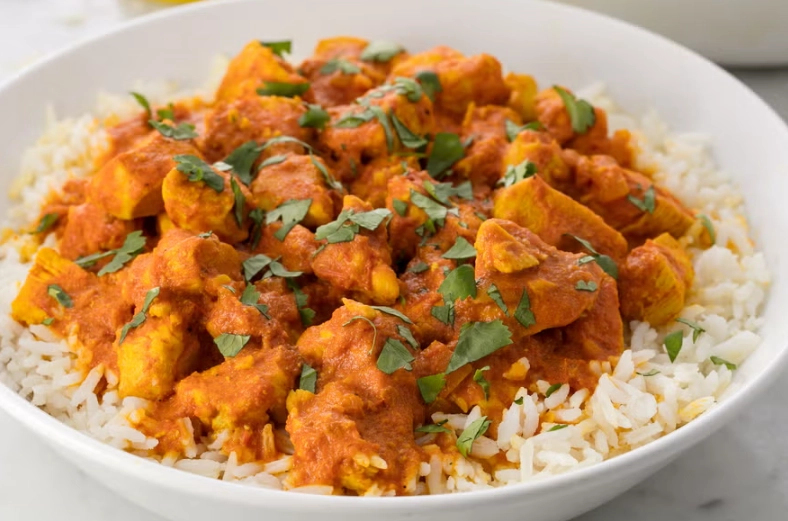
Common Mistake: Not letting the oil get hot enough. If you drop your cumin seeds into lukewarm oil, they'll just soak it up and get soggy. Wait until the oil shimmers and you see a slight wisp of smoke. Then drop the spices in. They should sizzle immediately.
The Onion Cook-Down
Most spicy Indian curry recipes start with onions. How you cook them dictates the final texture and sweetness of your gravy.
- For a smooth, rich gravy: Cook finely chopped or grated onions slowly over medium-low heat. Stir frequently. You want them to turn deeply golden brown, almost caramelized, but not burnt. This can take 15-20 minutes. It requires patience, but it's the base for restaurant-style curries.
- For a chunkier, quicker sauce: Cook diced onions over medium heat until just soft and translucent. You'll get more texture and a fresher onion flavor.
I'm impatient, so I used to crank the heat to speed up the onion browning. Result? Burnt edges and a bitter undertone. Low and slow wins the race here, every time.
Managing Your Heat Level
You're in control. Don't let a recipe bully you.
- Start Mild, Add Later: You can always add more chili powder or fresh chilies at the end of cooking. It's much harder to remove heat.
- The Dairy Rescue: A spoonful of plain yogurt, a splash of cream, or even a side of raita (yogurt sauce) instantly cools down a dish that's too spicy for someone.
- The Acidity Trick: A squeeze of lemon or lime juice can perceptually "cut" through heat and balance the flavor, making a spicy dish feel more rounded and less aggressive.
Answering Your Burning Questions (See What I Did There?)
These are the questions I had, my friends have asked, and that pop up constantly online. Let's tackle them head-on.
- Burnt Garlic/Ginger Paste: If you add your ginger-garlic paste to very hot oil before the onions, it can burn in seconds. Add it after the onions have softened a bit, or mix it with a tablespoon of water before adding to the pan to prevent instant burning.
- Overcooked Spices: Ground spices, especially red chili powder, cumin, and coriander, burn very quickly. If you add them to dry pan or very hot oil and fry for more than 20-30 seconds, they turn bitter. Add them to the cooked onions/ginger/garlic, stir for just 10-20 seconds until fragrant, then immediately add your liquid (tomatoes, water, etc.).
- Too Much Turmeric: Turmeric has a fine line between earthy and bitter. Stick to the recipe's amount—usually 1/2 to 1 teaspoon for a dish serving 4.
Wrapping It Up: Your Spicy Kitchen Journey
Look, cooking spicy Indian food at home is supposed to be fun, not intimidating. It's about experimenting, tasting as you go, and finding the balance of heat that makes you happy.
Start with one recipe. Maybe it's the chickpea curry because it's fast. Master the technique of blooming the cumin and mustard seeds. Taste the difference it makes. Then try the butter chicken, paying close attention to the marinade and the tomato cooking process. Each dish teaches you something new.
The world of spicy Indian recipes is vast—from the fiery vindaloos of Goa to the complex biryanis of Hyderabad, the tangy fish curries of the coast to the hearty dals of the north. This guide is just your first step into that world. A very tasty first step.
Your kitchen, your rules. Turn the music up, get your spices ready, and don't worry if it's not perfect. My first vindaloo was way too vinegary. My first attempt at naan was a disaster. But you know what? We still ate it, and I learned for next time. That's the whole point. Now go on, get cooking. That flavor is waiting for you.
Discussion