Quick Guide to This Article
Indian dinner doesn't have to be complicated. I've cooked Indian food for years, and let me tell you, the secret isn't in fancy ingredients—it's in the technique. This guide gives you real, authentic Indian recipes for dinner that you can make at home, even on a busy weeknight. We'll cover everything from spices to step-by-step dishes, so you can skip the takeout and enjoy a homemade feast.
What Makes Indian Dinner Authentic?
Authenticity in Indian cooking comes down to three things: spices, layering flavors, and timing. Most people think it's all about curry powder, but that's a mistake. Real Indian dishes use whole spices toasted in oil to release their oils, then ground spices added later for depth.
Take dal, for example. The tempering (tadka) of cumin seeds and garlic in ghee at the end is what makes it authentic. If you skip that, it tastes flat. I learned this the hard way when I first made dal and wondered why it lacked that restaurant-style punch.
Another key is balance. Indian dinners often include a main dish (like a curry), a lentil dish (dal), rice or bread, and a side like raita. It's not just one item; it's a combination that creates a complete meal.
Top 3 Authentic Indian Dinner Recipes
Here are three classic recipes that are staples in Indian homes. I've simplified them without losing authenticity, based on my own trials and errors.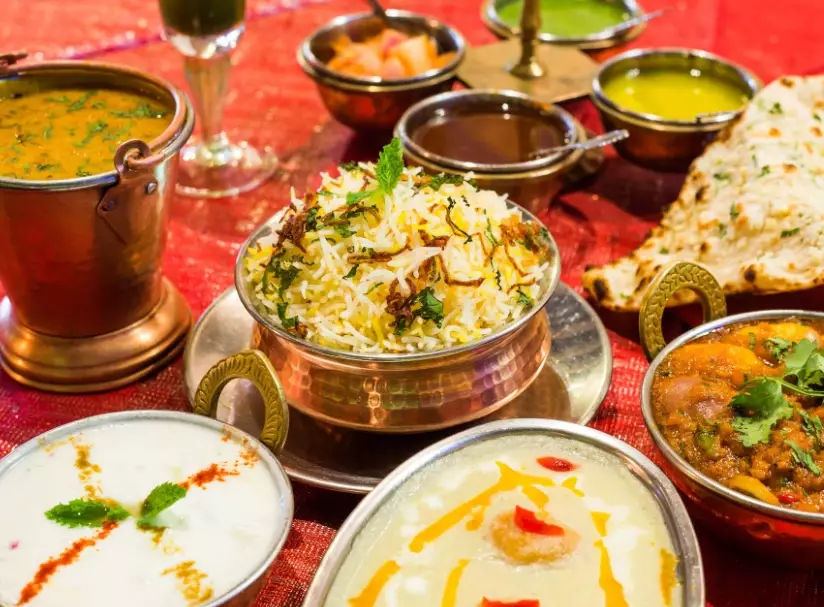
Recipe 1: Classic Butter Chicken (Murgh Makhani)
Ingredients (Serves 4):
- 500g chicken thighs, boneless and skinless, cut into pieces
- 1 cup plain yogurt
- 2 tbsp ginger-garlic paste
- 1 tsp turmeric powder
- 2 tsp garam masala
- 2 tbsp butter
- 1 large onion, finely chopped
- 1 cup tomato puree
- 1/2 cup heavy cream
- 1 tsp kasuri methi (dried fenugreek leaves)
- Salt to taste
- Fresh cilantro for garnish
Steps:
- Marinate the chicken in yogurt, ginger-garlic paste, turmeric, and 1 tsp garam masala for at least 2 hours (overnight is better).
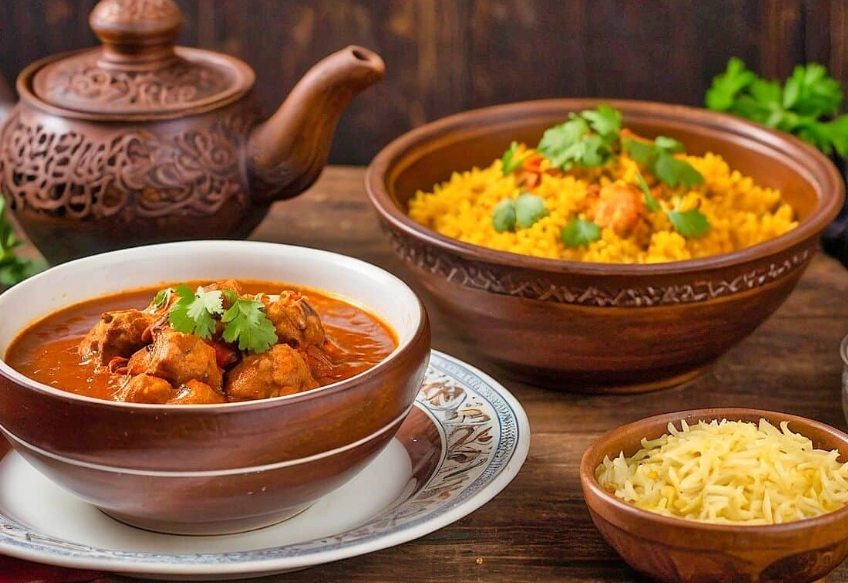
- Heat butter in a pan, add onions, and cook until golden brown—about 10 minutes. Don't rush this; caramelized onions add sweetness.
- Add tomato puree and cook for 5 minutes until oil separates. This is crucial: if the oil pools around the edges, you've cooked it enough.
- Add marinated chicken and cook for 15 minutes, stirring occasionally.
- Stir in cream, kasuri methi, and remaining garam masala. Simmer for 5 minutes. Garnish with cilantro.
This recipe is richer than many online versions because I use full-fat yogurt and cream. Low-fat alternatives can make the sauce watery. Serve with naan or rice.
Recipe 2: Hearty Lentil Dal (Masoor Dal)
Ingredients (Serves 4):
- 1 cup red lentils (masoor dal), rinsed
- 3 cups water
- 1 tsp turmeric powder
- 2 tbsp ghee or oil
- 1 tsp cumin seeds
- 2 garlic cloves, minced
- 1 dried red chili
- 1 tomato, chopped
- Salt to taste
- Juice of 1 lemon
Steps:
- Cook lentils in water with turmeric until soft—about 20 minutes. Mash lightly with a spoon.

- In a small pan, heat ghee. Add cumin seeds, garlic, and red chili. Fry for 30 seconds until fragrant.
- Pour this tempering over the cooked lentils. Add tomato and salt, simmer for 5 minutes.
- Finish with lemon juice. The acid brightens the dish.
Dal is often overlooked, but it's the soul of Indian dinner. The tempering must be hot when added—if it's cool, the flavors won't infuse. I messed this up once and ended up with bland dal.
Recipe 3: Fragrant Vegetable Biryani
Ingredients (Serves 4):
- 1 cup basmati rice, soaked for 30 minutes
- 2 cups mixed vegetables (carrots, peas, potatoes)
- 1 onion, sliced
- 2 tbsp biryani masala (or mix of cumin, coriander, cardamom)
- 1/2 cup yogurt
- 2 tbsp ghee
- Few strands of saffron soaked in milk
- Fresh mint and cilantro
- Salt to taste
Steps:
- Parboil rice until 70% cooked. Drain and set aside.
- In a pot, heat ghee and fry onions until crispy. Remove half for garnish.
- Add vegetables, biryani masala, and yogurt. Cook for 10 minutes.
- Layer rice over vegetables, top with saffron milk, herbs, and fried onions.
- Cover with a tight lid and cook on low heat for 20 minutes (dum cooking). Don't peek—steam is key.
Biryani is a showstopper, but many home cooks undercook the rice or skip the dum step. That results in hard rice. Let it rest for 10 minutes after cooking—it makes the layers settle.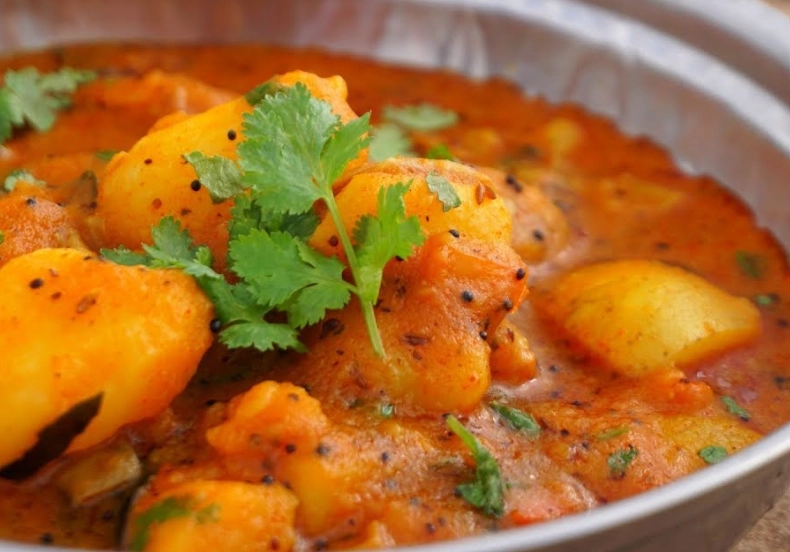
How to Cook Indian Rice Perfectly
Rice is non-negotiable in Indian dinners. Basmati rice should be fluffy, not sticky. Here's my method: rinse the rice until water runs clear, soak for 30 minutes, then cook with a 1:1.5 rice-to-water ratio. Add a teaspoon of ghee and a bay leaf for aroma.
The biggest mistake? Stirring rice while it cooks. It breaks the grains and releases starch. Cook covered on low heat, then let it steam off the heat for 5 minutes.
For biryani, parboiling is essential. I test by biting a grain—it should have a slight bite. Overcook at this stage, and the final dish turns mushy.
Common Mistakes to Avoid (From an Expert)
After teaching Indian cooking classes, I've seen the same errors repeatedly. Here are subtle ones that ruin authenticity:
- Adding ground spices too early: They burn easily. Add them after onions are cooked, not before. I once added garam masala to hot oil and ended up with a bitter taste.
- Using cold dairy: When adding yogurt or cream to a hot curry, temper it first by mixing a spoonful of hot liquid into it. Otherwise, it curdles. This isn't mentioned in most recipes, but it's a game-changer.
- Skipping the oil separation step: In curries, cook the tomato-onion base until oil pools on top. This indicates the moisture has evaporated, concentrating flavors. Rushing this leads to watery sauce.
- Overcrowding the pan: When frying spices or onions, give them space. Crowding steams them instead of frying, so they don't caramelize properly.
These might seem small, but they make or break a dish. For more on spice techniques, the Indian Culinary Institute emphasizes toasting whole spices as a foundation.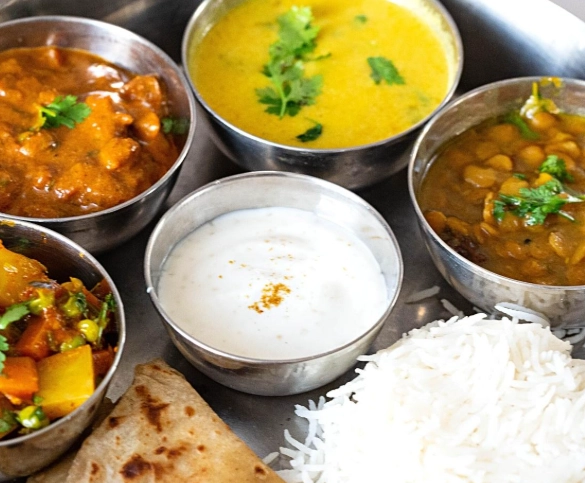
Discussion