You see it on every menu, from the corner takeaway to the finest Indian restaurant: a basket of warm, fragrant bread, perfect for scooping up rich curries. But have you ever paused to wonder, what exactly goes into making naan, roti, or paratha? It's far more than just flour and water. The specific combination of ingredients is what gives each type its unique character—the chewy, bubbly texture of naan, the wholesome earthiness of roti, the flaky layers of paratha. Understanding these ingredients isn't just trivia; it's the key to choosing the right bread for your meal, mastering it in your own kitchen, and maybe even navigating dietary needs.
Let's clear up a common misconception right away. "Indian bread" isn't one thing. It's a whole family, each member with a distinct personality shaped by its recipe and cooking method.
What's Inside: Your Quick Guide
The Essential Ingredients: More Than Just Flour
At its core, Indian bread is a beautiful lesson in how simple ingredients, treated with care, can create incredible diversity. While the flour is the star, the supporting cast—water, fat, leavening agents—plays a crucial role in the final performance.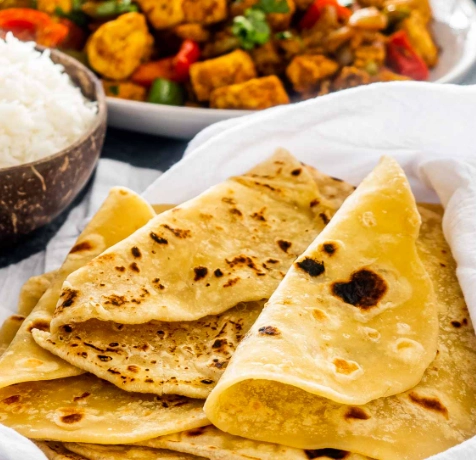
Flour Power: Choosing Your Base
This is the non-negotiable starting point. The type of flour determines the bread's soul.
Whole Wheat Flour (Atta): This isn't your standard whole wheat flour from the supermarket. Indian atta is made from hard wheat varieties and is stone-ground to a finer texture. It has a high protein content (around 10-12%) but, crucially, it's made from durum wheat, which has a different gluten structure than the bread flour used for Western loaves. This gives atta its unique ability to form a soft, pliable, yet strong dough perfect for rolling—no tearing. It's the heart and soul of chapati, roti, and paratha.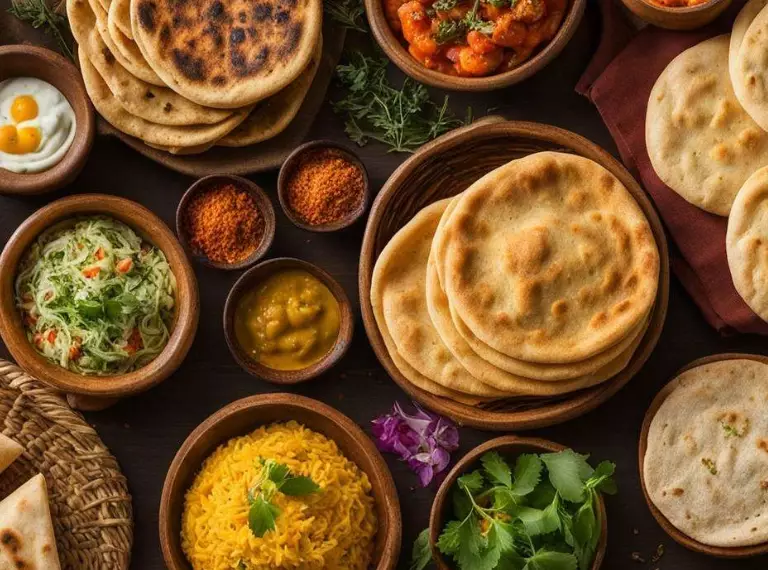
All-Purpose Flour (Maida): Refined white flour is the go-to for breads that need to be light, airy, and able to puff up dramatically, like naan and bhatura. It has a higher gluten-forming potential than atta, which helps trap gas from yeast or baking powder, creating those beautiful air pockets. Some breads, like certain parathas, use a mix of atta and maida for a balance of flavor and softness.
Gram Flour (Besan): Made from ground chickpeas, besan is naturally gluten-free and high in protein. It's the key ingredient in besan chilla (a savory pancake) and can be mixed with atta for a nutritious, nutty-flavored roti.
Rice and Lentil Flours: In South India, the story is different. Here, breads like dosa and appam are made from a fermented batter of rice and urad dal (black gram lentils). The ingredients are soaked, ground, and left to ferment, creating a naturally leavened, tangy batter that cooks into crisp, lacy crepes or soft, spongy hoppers.
Leavening Agents: The Rise of the Dough
This is where breads split into distinct categories: leavened and unleavened.
Unleavened: The simplest. Chapati, roti, and paratha (in their basic form) rely on steam and heat for their rise. When you cook a thinly rolled dough on a hot griddle, the water inside turns to steam, causing the bread to puff up like a little balloon. It's a beautiful, simple magic trick.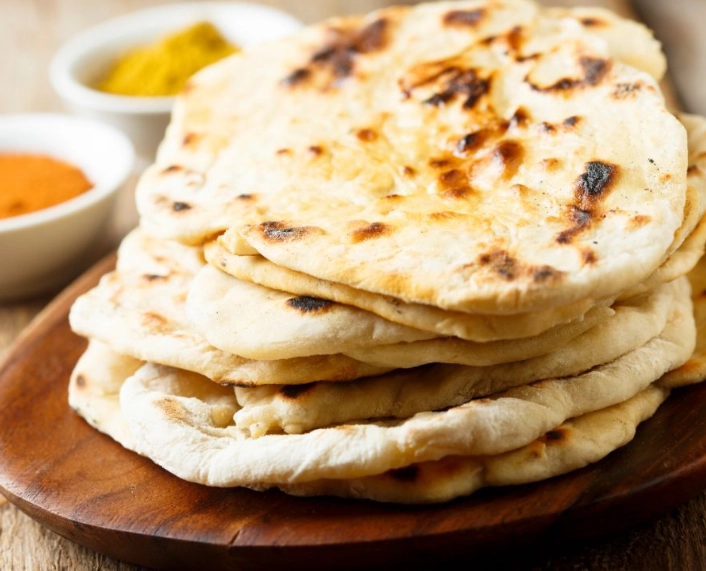
Leavened with Yeast: Naan and bhatura use yeast (or sometimes a sourdough starter) to create a rise. The yeast feeds on sugars, producing carbon dioxide gas that gets trapped in the gluten network. This is what gives naan its characteristic soft, airy interior with those lovely uneven bubbles. The dough needs time to proof, allowing the flavors to develop.
Leavened with Chemical Agents: Baking powder or baking soda (often with yogurt as an acid) provides a quick rise. This is common in some naan recipes (for speed) and in bhatura. The reaction is instant, so the dough is cooked soon after mixing.
Natural Fermentation: The champion method for dosa and idli batter. Wild yeasts and bacteria in the environment ferment the batter over 8-12 hours. This not only leavens it but also creates that signature tangy flavor and makes the nutrients more bioavailable.
Fats and Binders: Flavor and Texture
Water is the standard binder, but other liquids add flavor and texture.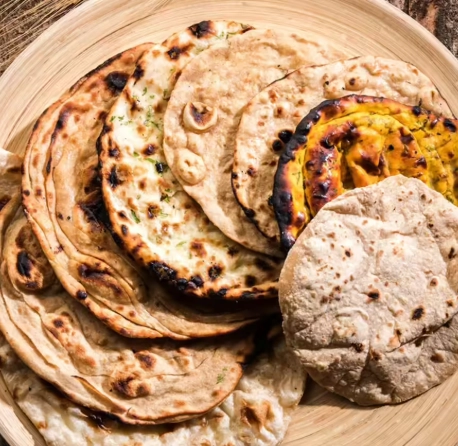
Water: The universal binder. The temperature matters—lukewarm water activates yeast, while room temperature is fine for unleavened doughs.
Yogurt (Dahi): A game-changer for naan and some paratha doughs. Yogurt adds a slight tang, helps tenderize the gluten for a softer crumb, and promotes browning due to its sugars and proteins reacting under heat. It's a key flavor component.
Milk or Buttermilk: Sometimes used to enrich the dough, making it softer and adding a touch of sweetness.
Fats: Ghee (clarified butter) is the traditional fat of choice. It's used in the dough (especially for paratha) for richness and tenderness, and brushed on top after cooking for flavor and to keep the bread soft. Oil (often mustard oil in the east, vegetable oil elsewhere) is a common alternative.
Bread Breakdown: Ingredient Profiles
Let's put it all together. Here’s a snapshot of what goes into some of the most popular Indian breads.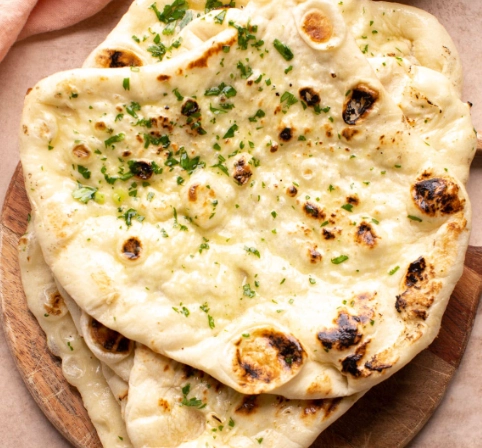
| Bread | Primary Flour | Leavening Agent | Key Liquid/Fat | Distinctive Add-Ins | Cooking Method |
|---|---|---|---|---|---|
| Chapati/Roti | Whole Wheat (Atta) | Steam (Unleavened) | Water, a bit of oil | Salt (optional) | Tawa (griddle) |
| Naan | All-Purpose (Maida) | Yeast or Baking Powder | Yogurt, Milk/Water | Often brushed with ghee/butter | Tandoor (clay oven) |
| Paratha | Whole Wheat (Atta) or mix | Steam (Unleavened) | Water, Ghee/Oil in dough | Layered with ghee/oil; can be stuffed | Tawa + shallow fry |
| Dosa | Rice + Urad Dal (lentils) | Natural Fermentation | Water (for batter) | Fenugreek seeds (in batter) | Hot griddle with oil/ghee |
| Bhatura | All-Purpose (Maida) | Yeast or Baking Soda | Yogurt, Water | Semolina (sooji) for texture | Deep-fried |
A personal note on naan: I've seen many recipes online call for eggs. While some modern or restaurant adaptations might use an egg for extra richness and color, a traditional naan dough rarely includes it. The classic leavening comes from yeast and the tenderness from yogurt. If a recipe feels too eggy, it's probably a modern twist.
How to Choose the Right Bread for Your Meal
Now that you know what's inside, picking the perfect bread is easier.
For rich, creamy curries like butter chicken or paneer makhani, you want a bread that can stand up to the sauce without falling apart. A sturdy paratha or a thick, fluffy naan is perfect. They're rich themselves and act like a delicious edible spoon.
For lighter dals (lentil soups) or vegetable stir-fries (sabzi), a simple chapati or roti is ideal. Its mild, nutty flavor complements without overpowering. It's the perfect vehicle for scooping.
For breakfast or a light meal, a dosa is fantastic. Crisp on the outside, soft inside, it's a meal in itself when stuffed with spiced potatoes (masala dosa) or served with chutney and sambar.
For a heavy, protein-rich curry like chana masala (chickpea curry), a bhatura makes a decadent pairing. The deep-fried bread is rich and satisfying, balancing the spicy, tangy curry.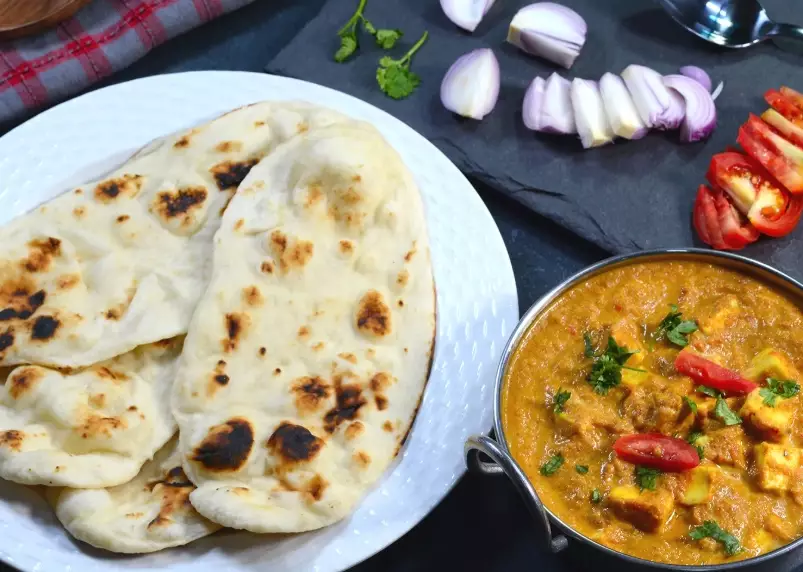
Discussion