Your Spice Journey Map
- The Absolute Must-Haves: Your South Indian Spice Starter Kit
- Beyond the Basics: The Flavor Architects
- The South Indian Spice Guide Quick-Reference Table
- Buying and Storing: Making Your Spices Last
- Putting It All Together: The South Indian Spice Workflow
- Answering Your Burning Questions (No Pun Intended)
- The Regional Twists: It's Not All the Same
Let's be honest, some spices can be intimidating. You see a recipe for a proper Tamil sambar or a fiery Andhra curry, and the list of ingredients looks like a foreign language. Cumin seeds, coriander seeds, fenugreek, asafoetida... what does it all do? I remember staring at my first packet of dried curry leaves, wondering if they were just decorative. They weren't.
That confusion is exactly why a solid South Indian spice guide is worth its weight in gold. Or, more accurately, in saffron.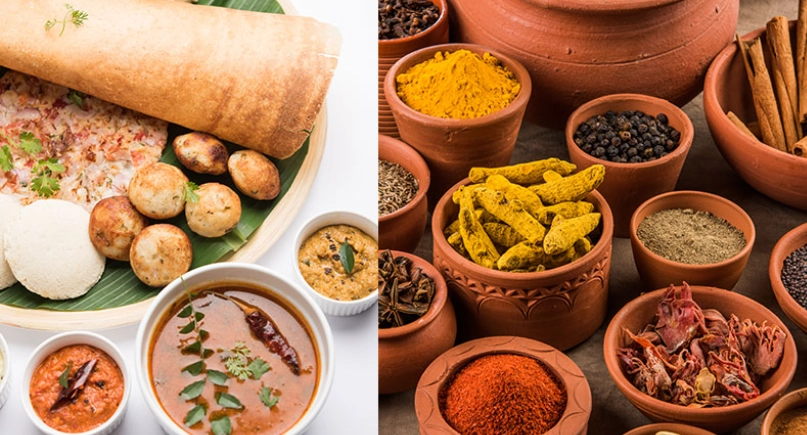
This isn't about listing every spice under the Indian sun. It's about the core squad, the non-negotiables that form the backbone of flavors from Kerala's backwaters to Chennai's bustling kitchens. We're going to move beyond generic "curry powder"—a blend that doesn't even exist in most authentic South Indian homes—and into the world of whole spices, freshly ground powders, and leaves that sing with aroma. Think of this as your friendly, no-judgment map. I'll even tell you where I messed up (burning mustard seeds is a rite of passage, trust me) so you can skip the mistakes.
The Absolute Must-Haves: Your South Indian Spice Starter Kit
If you're just beginning, don't try to buy everything at once. You'll get overwhelmed, some will sit unused, and you'll waste money. Start with these five. With these alone, you can cook a shocking number of authentic dishes.
Mustard Seeds (Rai/Kadugu)
These tiny black or brown seeds are the sound of South Indian cooking. Seriously, the spluttering pop they make when they hit hot oil is the signature start of a tadka. They add a sharp, pungent, slightly nutty kick. The black ones are more common in the South. Pro tip: have a lid ready when you toss them in the oil, they jump like popcorn! A common mistake is not letting the oil get hot enough—they should sizzle and pop vigorously within seconds.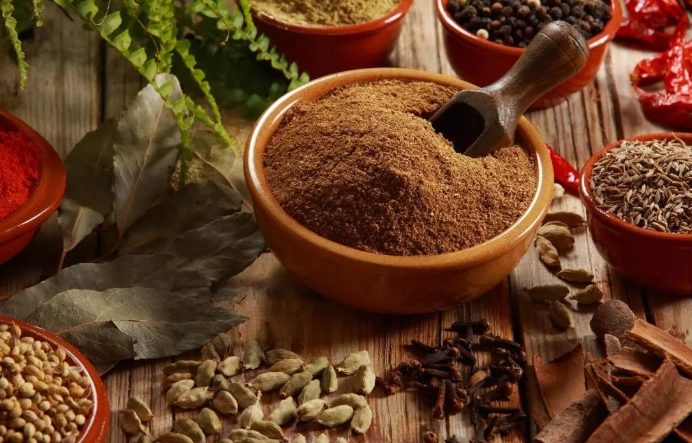
Cumin Seeds (Jeera)
While more famous in North Indian food, cumin is crucial down South too, especially in lentil dishes (dals) and vegetable stir-fies (poriyals). It has a warm, earthy, slightly citrusy flavor. You'll often see it paired with mustard seeds in that initial tempering. The difference? Cumin seeds are longer and lighter in color than caraway seeds, which people sometimes confuse them with.
Coriander Seeds (Dhania)
This is the workhorse, the background singer that makes the whole band sound good. When dry-roasted and ground, it has a wonderfully warm, nutty, citrus-tinged fragrance that forms the base of most sambar and rasam powders. Whole, they're used in pickles and some temperings. Buying them pre-ground is a compromise; the flavor dissipates fast. Grinding your own is a game-changer for any serious South Indian spice guide.
Dried Red Chillies (Sukhi Lal Mirch)
Forget the idea that all Indian food is nuclear. South Indian cuisine uses chillies for depth and a slow-building warmth more than just brutal heat. The Guntur chilli from Andhra is famous for its fiery punch, while the Byadgi chilli from Karnataka is milder and gives dishes a beautiful deep red color. Most home cooks use a mix. They're almost always used whole or broken in tempering, or dry-roasted and ground into powders.
Turmeric (Haldi)
The golden goddess. It provides that iconic yellow hue and a musty, earthy bitterness that's foundational. It's also a powerhouse anti-inflammatory, something Indian cuisine has known for millennia. You use it in almost every savory dish, but a little goes a long way. It can taste medicinal if you overdo it. Always add it early in the cooking process to cook out the raw flavor.
See? With just those five, you can already start building layers. But of course, there's more to the story.
Beyond the Basics: The Flavor Architects
Once you're comfortable with the starter kit, these spices will take your cooking from "good" to "where did you learn this?" territory. They add complexity and those unique notes you can't get anywhere else.
Fenugreek Seeds (Methi)
Oh, fenugreek. This is a love-it-or-hate-it spice. It has a intensely bitter, celery-like flavor with a hint of maple syrup (really!). Used in tiny quantities—I'm talking 1/4 teaspoon for a pot of sambar—it's irreplaceable. It's what gives sambar powder its distinctive edge. Use too much, and your dish will be unpalatably bitter. I learned this the hard way. Now I treat it with immense respect.
Curry Leaves (Kadi Patta)
Not to be confused with "curry powder." These are fresh (or dried) aromatic leaves from the curry tree. They have a incredible citrusy, nutty fragrance that is the soul of many South Indian dishes. You tear a sprig and toss it into hot oil at the start of a tempering. The crackle and aroma are instant magic. Dried ones are okay in a pinch, but fresh are infinitely better. If you find a plant, buy it. They're surprisingly easy to grow on a sunny windowsill.
Asafoetida (Hing)
The secret weapon. This dried resin, sold as a beige powder, has a pungent, sulfurous smell in the jar that can be off-putting. But when fried in a tiny amount of hot oil or ghee, it transforms into a savory, umami-rich flavor reminiscent of leeks or garlic. It's a classic flavor enhancer in lentil dishes and is often used in Brahmin cooking where onions and garlic are avoided. A pinch is all you need. Store it in an airtight container, or its smell will permeate your entire spice drawer (another lesson learned).
Tamarind (Imli)
Technically a fruit pulp, but it belongs in any South Indian spice guide because it's the primary source of sourness. It cuts through richness and balances heat and salt perfectly. You buy it as a sticky block or concentrate. Soak a golf-ball-sized piece in warm water, mush it with your fingers, and strain to get tart, tangy tamarind water. It's essential for sambar, rasam, and pulihora (tamarind rice).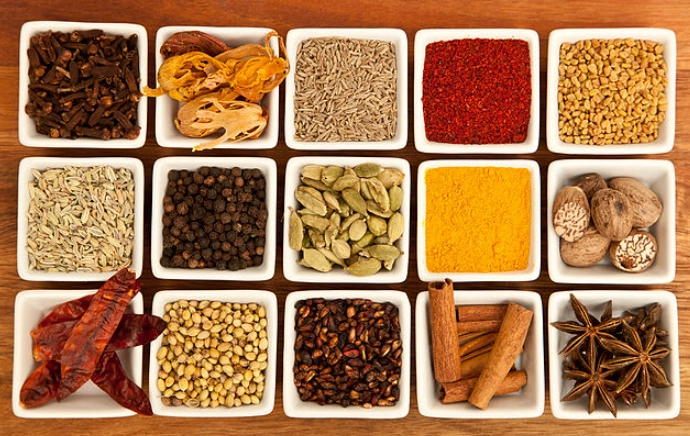
The South Indian Spice Guide Quick-Reference Table
Here’s a cheat sheet. Print it, stick it on your fridge, use it to navigate an Indian grocery store with confidence.
| Spice (English & Common Hindi/Tamil) | Form Typically Used | Primary Flavor Profile | Iconic Dish You'll Find It In |
|---|---|---|---|
| Mustard Seeds (Rai / Kadugu) | Whole, for tempering (tadka) | Pungent, sharp, slightly nutty | All tadkas, Sambar, Cabbage Poriyal |
| Cumin Seeds (Jeera / Jeeragam) | Whole (tempering) or ground | Warm, earthy, citrusy | Rasam, Dal, Some vegetable stir-fries |
| Coriander Seeds (Dhania / Kothamalli) | Dry-roasted & ground | Warm, nutty, lemony, floral | Sambar Powder, Rasam Powder, Curry bases |
| Dried Red Chillies (Sukhi Lal Mirch / Vara Milagai) | Whole, broken, or ground | Spicy heat, fruity undertones | Almost everything for heat & color |
| Turmeric (Haldi / Manjal) | Ground powder | Earthy, bitter, musky | Every curry, dal, rice dish (for color & base flavor) |
| Fenugreek Seeds (Methi / Vendayam) | Whole or ground (use sparingly!) | Bitter, savory, hint of maple | Sambar Powder, Pickles |
| Curry Leaves (Kadi Patta / Karuvepillai) | Fresh or dried leaves | Citrusy, nutty, aromatic | Almost all temperings, Coconut chutney |
| Asafoetida (Hing / Perungayam) | Powder (compounded with rice flour) | Savory, umami, garlicky/oniony when cooked | Dal, Sambar (esp. where no onion/garlic is used) |
| Tamarind (Imli / Puli) | Concentrate or pulp block (soaked) | Sour, tangy, fruity | Sambar, Rasam, Pulihora (Tamarind Rice) |
| Black Peppercorns (Kali Mirch / Milagu) | Whole or coarsely crushed | Sharp, pungent, piney heat | Rasam, Chettinad curries, Some fish recipes |
Buying and Storing: Making Your Spices Last
This is where most people go wrong. You buy a big bag of ground coriander, use a teaspoon, and leave the rest in a clear jar on a shelf above the stove. Six months later, it tastes like sawdust. Heat, light, air, and time are the enemies of flavor.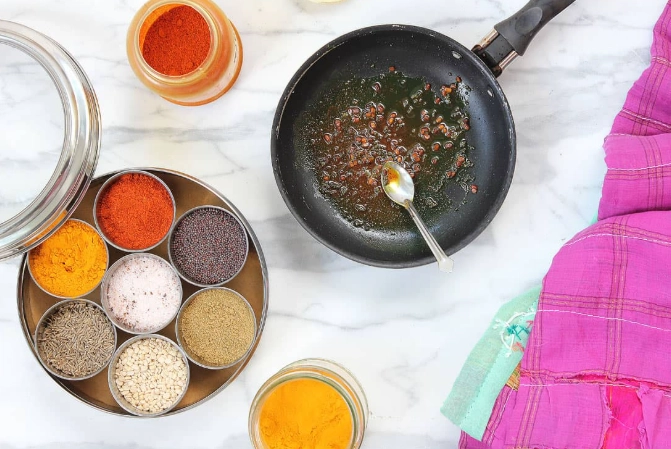
Here's my personal system, born from wasted money and bland meals:
- Buy Whole Whenever Possible: Seeds and whole spices retain their volatile oils much longer than pre-ground powder. A simple coffee grinder (dedicated to spices!) is your best friend. Grind small batches as you need them. The aroma difference is night and day.
- Shop at Indian Grocery Stores or Online Specialty Retailers: The turnover is higher, so the spices are fresher. The prices are also dramatically better than the tiny bottles in the supermarket's "international" aisle.
- The Sniff Test: Crush a cumin seed or a coriander seed between your fingers. It should release a strong, clear aroma. If it smells like nothing, it is nothing. Move on.
- Storage is Key: Use airtight, opaque containers. Glass jars are fine if you keep them in a dark cupboard. I use small mason jars in a drawer away from the oven. Label them with the date of purchase. Most whole spices are good for 1-2 years, ground spices for 6 months to a year. But trust your nose more than the date.
It sounds like a fuss, but it's not. It's just being smart. Fresh spices mean you use less to get more flavor, and your food actually tastes like it's supposed to.
Putting It All Together: The South Indian Spice Workflow
So you have the spices. Now what? The process is just as important as the ingredients. Let's walk through the typical flow for a dish like a simple dal or a vegetable curry.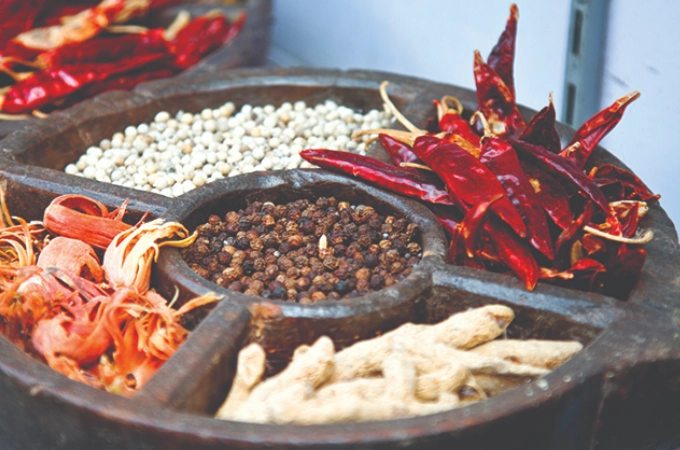
Step 1: The Dry Roast (For Powders)
If your recipe calls for homemade sambar powder, you'll often dry-roast coriander seeds, dried red chillies, fenugreek seeds, etc., in a heavy pan over low heat until fragrant. This deepens and mellows their flavors. The key is low and slow—burned spices are bitter and ruined. You'll know it's done when the coriander seeds turn a shade darker and the kitchen smells amazing.
Step 2: The Tempering (Tadka/Thalimpu)
This is the heart of the technique. Heat oil or ghee in a small pan or the main cooking pot. The oil needs to be properly hot. Add mustard seeds and wait for them to pop. Then add cumin seeds, dried red chillies, curry leaves, and a pinch of asafoetida. They should sizzle immediately. This process infuses the oil with their essence. This flavored oil is then poured over a finished dal or stirred into a curry. Sometimes the tempering is done at the beginning to start the dish.
Step 3: The Layering
Spices are added at different times. Turmeric and chilli powder often go in early with onions or tomatoes to cook out their raw edge. Ground spice blends (like coriander-cumin powder) are added mid-way. Fresh herbs and finishing spices (like black pepper in rasam) go in at the very end.
Why does my curry sometimes taste bitter?
Two likely culprits: 1) You burned your spices during dry-roasting or tempering. Even a few seconds too long can do it. 2) You used too much fenugreek or turmeric. Measure carefully, especially with fenugreek.
Answering Your Burning Questions (No Pun Intended)
I get a lot of questions from friends starting this journey. Here are the big ones.
The Regional Twists: It's Not All the Same
South India is huge, and flavors shift as you travel. A Kerala spice guide will highlight coconut, black pepper, and mustard seeds. Tamil Nadu is the kingdom of sambar and rasam powders, with a love for tamarind. Andhra Pradesh and Telangana are famous for their eye-wateringly hot Guntur chillies and liberal use of tamarind in dishes like pulusu. Karnataka has its own unique bisi bele bath powder and a wonderful use of jaggery and coconut in Kodava (Coorg) cooking.
The common thread is the reverence for the whole spice, the ritual of the tadka, and the pursuit of balance. No single flavor should dominate; they should all sing in harmony.
This South Indian spice guide is your starting point, not the final word. The real learning happens when you heat the oil, hear the mustard seeds pop, and smell the curry leaves hit the heat. Start with one dish—maybe a simple lemon rice or a basic dal. Master its spices. Then move on to the next.
The world of flavor is waiting. And it's a lot less intimidating once you know your mustard seeds from your fenugreek.
Discussion