Let's be honest. The quest for perfect, fluffy, blistered naan at home can feel like a mystery. You follow a recipe, but the results are dense, tough, or just... not right. After more burnt fingers and flat breads than I care to admit, I finally cracked the code. This isn't just another tawa naan recipe with yeast. This is the one that works, every single time. It's about understanding the why behind each step, not just blindly following instructions. Using yeast might seem fancy, but it's actually the secret weapon for that incredible softness and slight chew you get from a good tandoori oven. We're going to simulate that magic on a simple stovetop griddle, your tawa.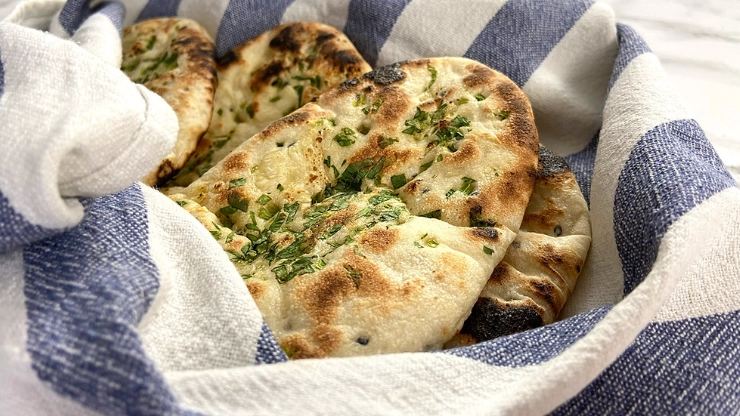
What's Inside This Guide
Why Yeast Beats Baking Powder for Tawa Naan
Most quick naan recipes use baking powder or soda. They give a lift, sure. But it's a chemical lift. It happens fast and then it's done. Yeast is different. It's alive. It eats the sugars in the flour and releases gas slowly. This does two crucial things for your tawa naan.
First, it creates a complex network of air pockets. This gives the naan its signature light, airy, yet slightly chewy texture. Baking powder can't build that structure. Second, the fermentation process develops flavor. It adds a subtle, almost nutty depth that plain flour and water just don't have. It's the difference between fresh bread and toast. Both are good, but one is clearly more complex.
The common fear? That yeast is difficult or time-consuming. I get it. But for naan, we're not making a sourdough loaf. A single, straightforward rise is all we need. The payoff in texture is absolutely worth the wait.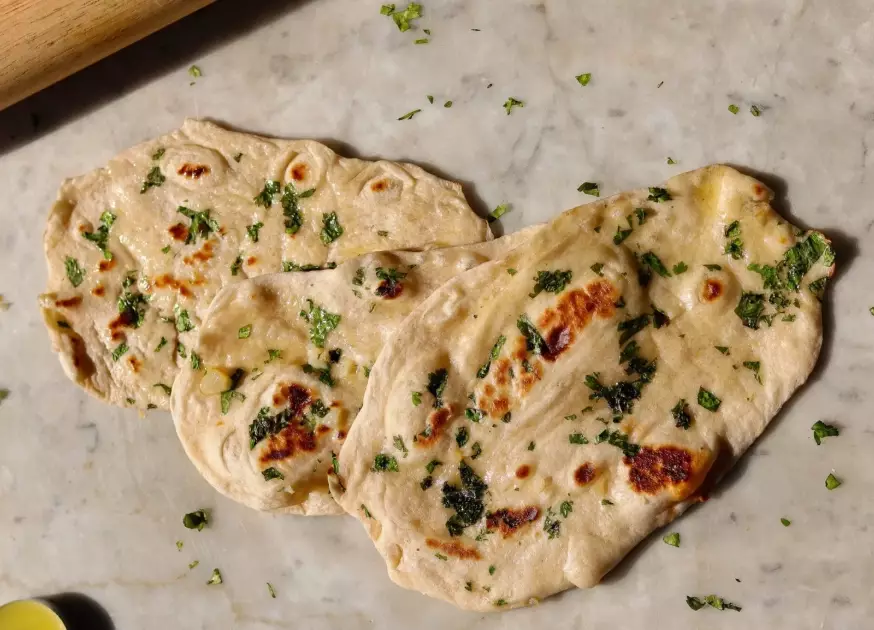
The Exact Ingredients You Need (and Why)
Precision matters here. You can't just eyeball flour and expect consistent results. Here’s your shopping list, broken down by role.
| Ingredient | Quantity | Its Job in the Dough |
|---|---|---|
| All-Purpose Flour (Maida) | 3 cups (approx. 375g) | The foundation. Provides structure and gluten. |
| Active Dry Yeast | 2 teaspoons | The leavening agent. Creates air bubbles and flavor. |
| Warm Water | 1 cup (240ml) | Activates the yeast. Must be warm, not hot. |
| Plain Yogurt (Dahi) | 1/4 cup (60g) | Tenderizer and flavor booster. Adds tang and softness. |
| Sugar | 1 teaspoon | Food for the yeast. Helps kickstart fermentation. |
| Salt | 1 teaspoon | Flavor enhancer. Controls yeast activity. |
| Oil or Melted Ghee | 2 tablespoons + more for brushing | Enriches dough, keeps it soft, and helps with cooking. |
My Non-Negotiable Add-In: A tablespoon of yogurt. I know some recipes skip it, but that lactic acid in yogurt does something magical. It tenderizes the gluten just enough, giving you a naan that's soft without being gummy. It's my secret for that "melt-in-your-mouth" quality.
The Step-by-Step Process: Kneading to Cooking
This is where most people go wrong. Rushing the steps. Let's break it down.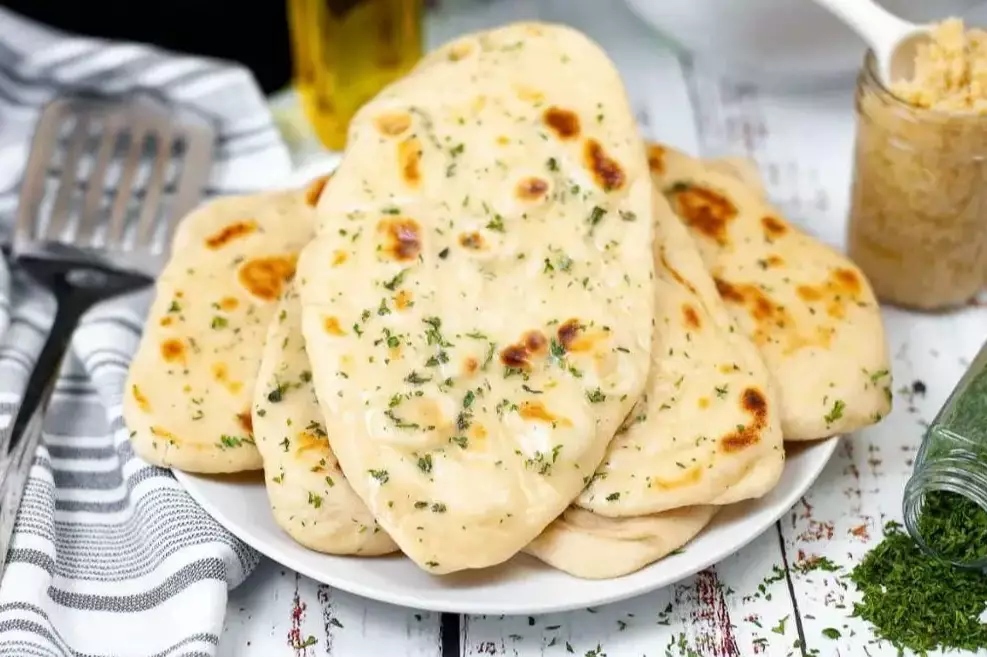
Step 1: Wake Up the Yeast
Take your warm water. How warm? Think baby bottle warm, around 105-110°F (40-43°C). If it's too hot, you'll kill the yeast. Too cold, and it'll sleep in. Dissolve the sugar in it, then sprinkle the yeast on top. Don't stir it in aggressively. Let it sit for 5-10 minutes. You should see a foamy, creamy layer form on top. If you don't, your yeast is dead or the water was wrong. Start over. This step is non-negotiable for a good rise.
Step 2: Make the Dough
In a large bowl, mix the flour and salt. Make a well in the center. Pour in the frothy yeast mixture, yogurt, and 2 tablespoons of oil. Now, use your hands. Start bringing the flour in from the sides. It'll be shaggy and sticky at first. That's fine. Resist the urge to add more flour immediately.
Knead for 8-10 minutes. Yes, that long. You're developing the gluten, which gives the naan its strength to puff up. The dough will transform from sticky to smooth and slightly tacky. It should spring back slowly when you poke it. If it's still sticking to your hands like glue after 5 minutes of kneading, add a tablespoon of flour, but no more.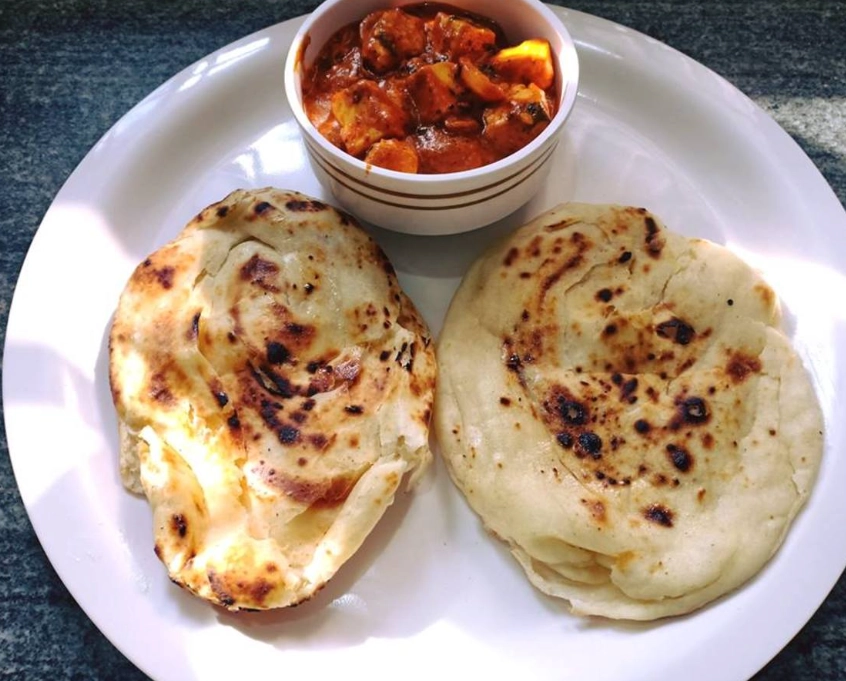
The Biggest Mistake: Adding too much flour during kneading because the dough is sticky. A soft, slightly sticky dough makes a softer naan. Dust your hands with flour, not the dough. Fight the instinct to make it perfectly clean. A tacky dough is a good dough.
Step 3: The First Rise (This is Key)
Place the dough ball in a lightly oiled bowl, turning it to coat. Cover with a damp kitchen towel or cling film. Let it rise in a warm, draft-free spot for 1 to 1.5 hours, until doubled in size.
Where's your warm spot? An oven with the light on (but OFF), a microwave next to a warm appliance, or just a sunny countertop. Don't put it in a boiling hot place. Patience.
Step 4: Shape and Cook on the Tawa
Once risen, punch the dough down gently. Divide it into 8 equal portions. Roll each into a smooth ball. Let them rest for 10 minutes under the damp cloth. This relaxes the gluten, making them easier to shape.
Now, heat your tawa or a heavy cast-iron skillet over medium-high heat. It needs to be properly hot. While it heats, take a dough ball and roll it out into an oval or teardrop shape, about 1/4 inch thick. You can make it thinner if you like crisp edges.
Here's the trick: lightly wet your fingers and flick a few drops of water on the hot tawa. It should sizzle and evaporate instantly. That's the right heat. Place your rolled naan on the dry tawa.
Cook for about 45-60 seconds. You'll see bubbles forming and the top drying out. Flip it. Now, for the signature char, you have two options. If you have a gas stove, use tongs to hold the naan directly over a medium flame for 10-20 seconds until it puffs and gets char spots. If you're on an electric stove, just cook the second side on the tawa for another minute, pressing down gently with a spatula. It will still puff, maybe just a little less dramatically.
Immediately brush with melted ghee or butter and sprinkle with nigella seeds or chopped cilantro if you like. Keep them wrapped in a clean kitchen towel until serving.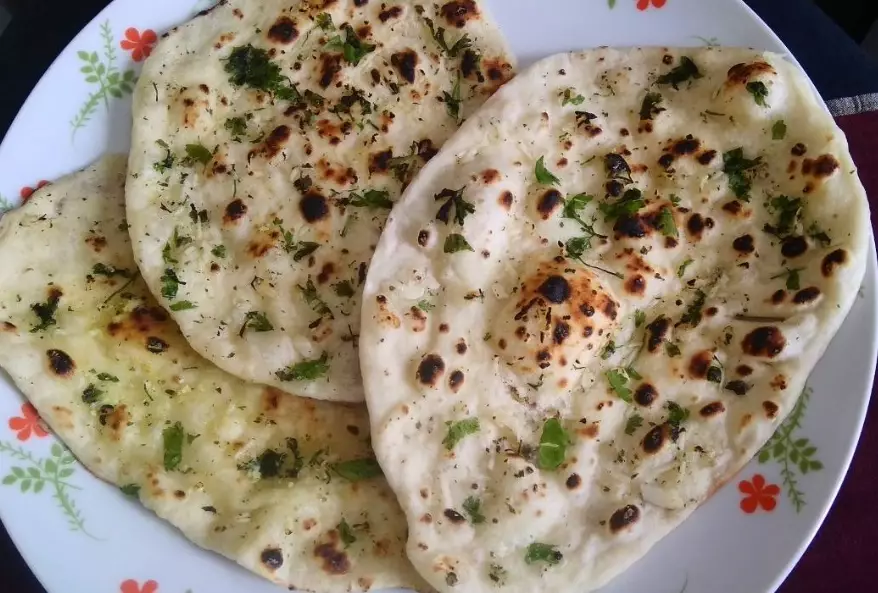
Expert Tips & Tricks Most Recipes Skip
These are the little things I learned the hard way.
- Flour Quality: Not all AP flour is equal. If your dough consistently feels weak or tears easily, try a brand known for higher protein content (like King Arthur). It has more gluten potential.
- The Yogurt Swap: Out of yogurt? Use buttermilk. Same tenderizing effect. Even a splash of milk with a tiny squeeze of lemon juice works in a pinch.
- No Tawa? No Problem. A heavy-bottomed non-stick pan or a well-seasoned cast-iron skillet works just as well. The key is even, sustained heat.
- For a Crispier Bottom: Add a teaspoon of oil to the tawa before placing the naan. It'll fry slightly, giving a delightful crunch.
- Storing and Reheating: Cool completely, then store in an airtight bag. To reheat, sprinkle with a few drops of water and warm in a skillet or toaster oven. The microwave will make it rubbery.
I remember the first time I got that perfect, balloon-like puff. I almost dropped the tongs. It's a small victory, but it makes all the difference between homemade food and a home-cooked experience.
Your Naan Questions, Answered
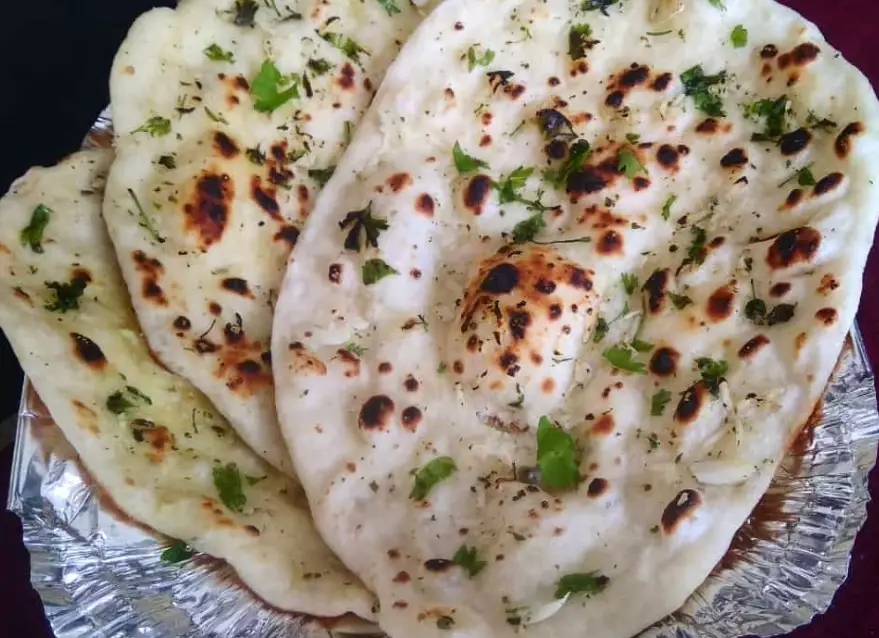 My naan isn't puffing up on the tawa.
Discussion