Forget the dry, crumbly versions you might have tried. A great Beef Seekh Kebab is a revelation – juicy, smoky, packed with spices, and with a texture that’s tender yet holds its shape on the skewer. It’s the star of Indian barbecues and street food stalls for a reason. But here’s the thing most recipes don’t tell you: the secret isn’t just in the spices; it’s in the grind of the meat and the temperature of your hands. I learned this the hard way after my first few attempts ended up as tasty but shapeless blobs on the grill. Today, I’m sharing everything so you can skip those mistakes.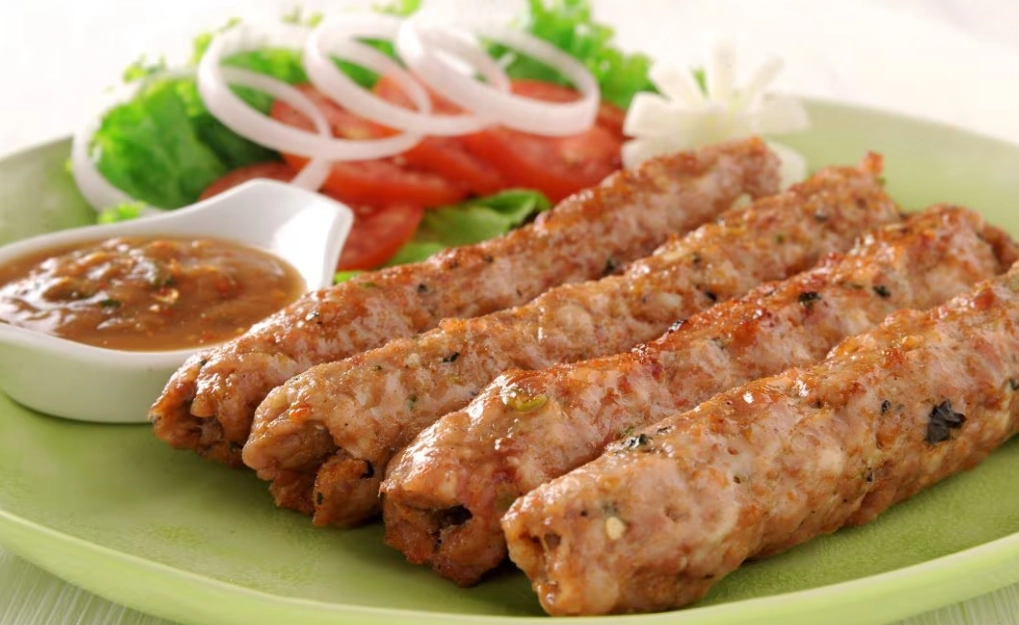
What’s Inside?
The Real Secret Isn't Just Spices
Anyone can list garam masala and cilantro. The difference between a good kebab and a great one lies in technique and a few non-negotiable ingredients. Let’s break down what you actually need.
Choosing and Preparing Your Meat
80/20 ground beef (80% lean, 20% fat) is your sweet spot. Leaner meat will be dry. Fattier might shrink too much. The real pro move? Ask your butcher to grind a chuck roast or sirloin steak for you, twice. The double grind is crucial for that smooth, bindable texture. If using pre-ground, pulse it a few times in a food processor with the blade – it makes a world of difference.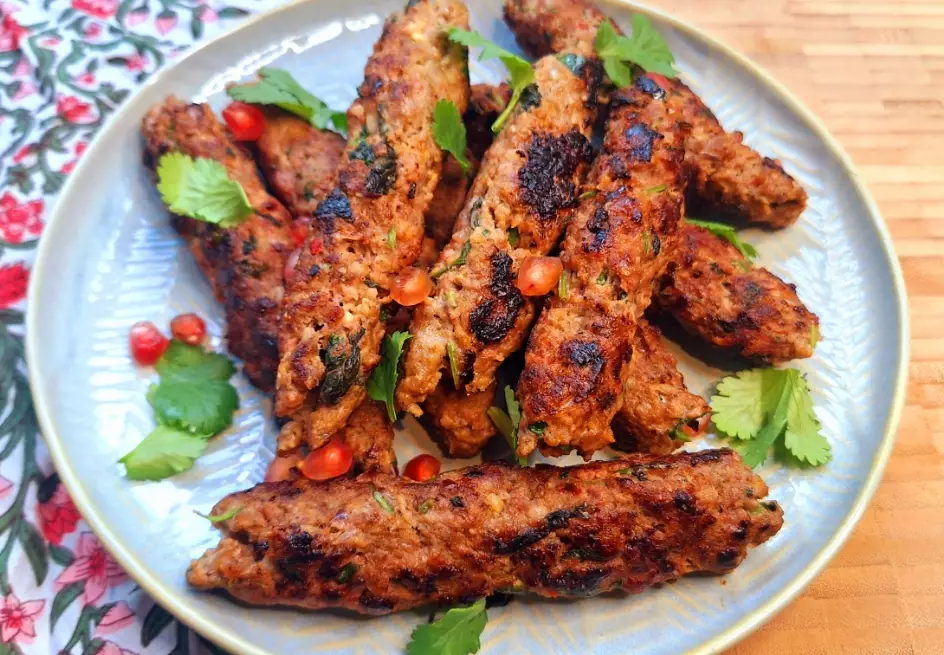
The Flavor Builders (Beyond the Basics)
Yes, you need ginger, garlic, green chili, and cilantro. But the depth comes from three often-underused elements:
- Raw Papaya Paste or Powder: This is the traditional tenderizer. A tablespoon of grated raw papaya or 1.5 tsp of store-bought papaya powder works wonders. Don’t skip it.
- Roasted Gram Flour (Besan): About 2 tablespoons. It’s not just a binder; it absorbs excess moisture and adds a subtle nutty flavor. Dry-roast it in a pan for 2 minutes until fragrant before adding.
- Mustard Oil: A tablespoon mixed into the mince. It adds a sharp, pungent kick that’s authentic to North Indian street food. If the taste is too strong, use half mustard oil, half neutral oil.
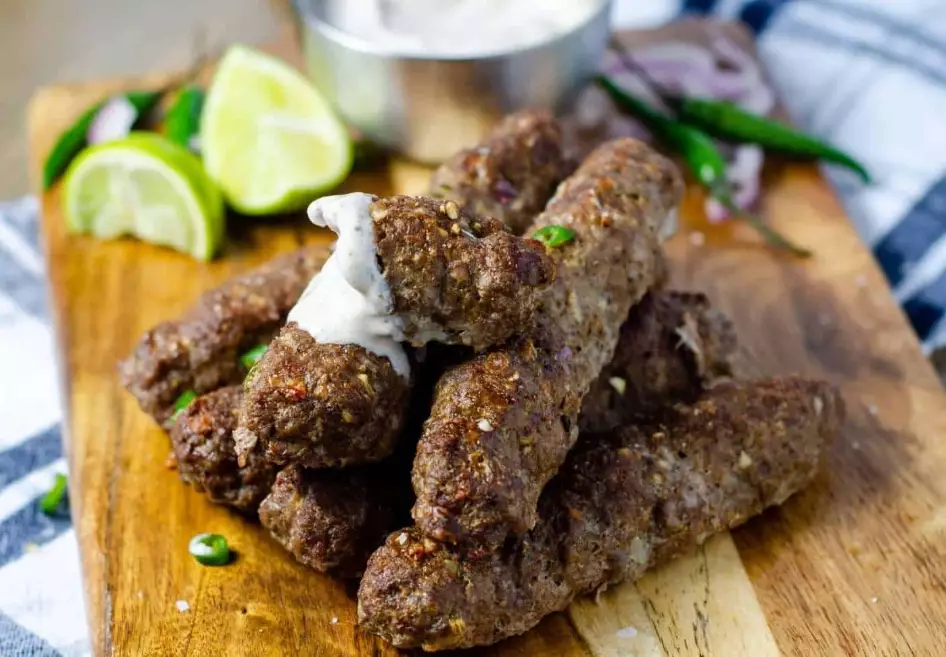
Here’s a quick-reference table for your shopping list and quantities for about 8-10 medium kebabs:
| Ingredient | Quantity | Purpose & Note |
|---|---|---|
| Ground Beef (80/20) | 1 lb (450g) | Double-ground if possible. Keep cold. |
| Onion | 1 medium | Finely minced or grated. Squeeze out ALL water. |
| Ginger-Garlic Paste | 1.5 tbsp | Freshly made is best. |
| Green Chili | 1-2, finely chopped | Adjust to heat preference. |
| Cilantro & Mint | 1/4 cup each, chopped | Mint adds a bright freshness. |
| Garam Masala | 1.5 tsp | Use a good quality brand like Everest or MDH. |
| Roasted Cumin Powder | 1 tsp | Roast whole cumin and grind it. |
| Coriander Powder | 1 tsp | |
| Red Chili Powder | 1 tsp | Kashmiri chili powder for color without extreme heat. |
| Raw Papaya Paste/Powder | 1 tbsp / 1.5 tsp | Essential tenderizer. |
| Roasted Gram Flour (Besan) | 2 tbsp | Binder & flavor. Must be roasted. |
| Mustard Oil | 1 tbsp | For authentic flavor. |
| Salt | 1.5 tsp, or to taste |
Step-by-Step: From Bowl to Grill
This is where the magic happens. Rushing here is why kebabs fall apart.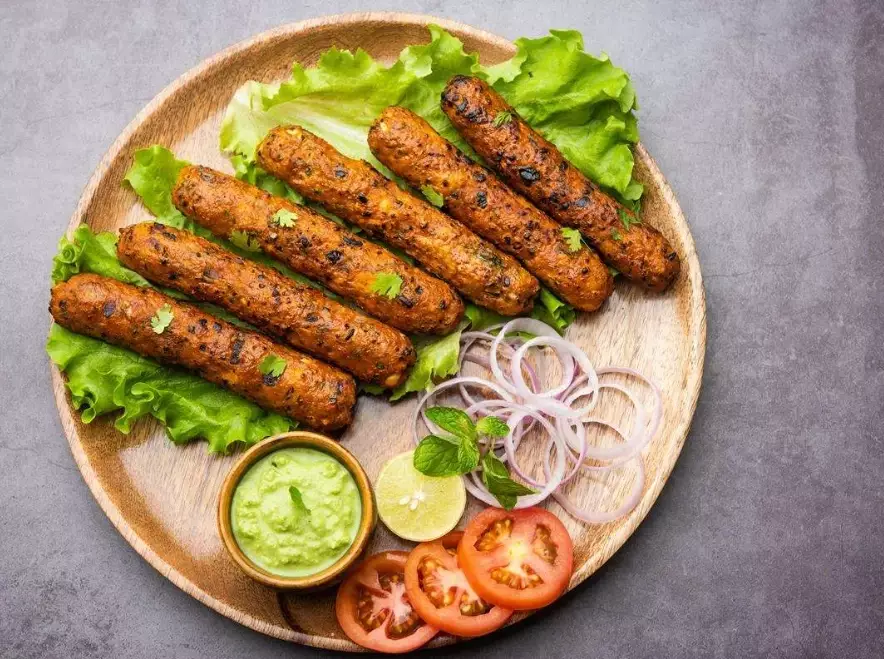
1. The Mixing Ritual
In a large bowl, combine the ground beef with all the chopped herbs, spices, gram flour, and papaya. Here’s the critical part: do not add the onion yet. Onions release water. Mix everything else thoroughly first, for a good 3-4 minutes. You’re not just combining; you’re developing the protein myosin, which helps the meat bind. It’ll start to look pasty and stick to your hand.
2. Dealing with the Onion
Grate or very finely chop your onion. Now, take handfuls of it and squeeze over the sink until no more water drips out. This step is non-negotiable. Wet onion = soggy, breaking kebabs. Add the dry, squeezed onion to the meat mixture and mix again.
3. The Chill Test
Cover the bowl and refrigerate the mixture for at least 2 hours, ideally overnight. This allows the papaya to tenderize, the flavors to marry, and the mixture to firm up. Skipping this is the second biggest mistake after wet onions.
4. Shaping the Seekhs
Soak wooden skewers in water for 30 minutes if using. Take a handful of mixture (about 1/4 cup). Roll it into a tight ball, then into a log about 5-6 inches long. Spear a skewer through the center and gently press and mold the meat around it evenly. Don’t make them too thick, or the outside will burn before the inside cooks. Place them on a tray. If they feel soft, pop the tray back in the fridge for 20 minutes.
Grill, Oven, or Pan? Your Cooking Guide
You have options depending on your kitchen setup. The goal is a charred, smoky exterior and a juicy interior (internal temp of 160°F/71°C for ground beef, as per USDA guidelines).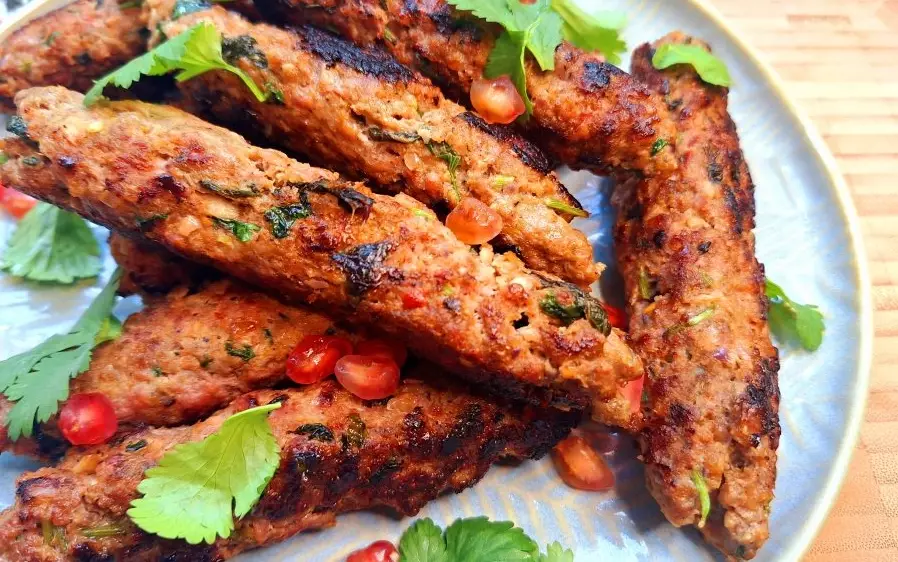
- Charcoal/Gas Grill (Best): Get your grill screaming hot. Brush the kebabs lightly with oil. Place them directly over high heat for 2-3 minutes per side to get char marks, then move to a cooler part of the grill or reduce heat to medium. Cook for another 8-10 minutes, turning occasionally.
- Oven Broiler: Preheat your broiler on high. Place kebabs on a wire rack over a baking sheet (for airflow). Position 4-6 inches from the heat element. Broil for 5-7 minutes per side, watching closely to prevent burning.
- Stovetop Grill Pan or Skillet: Heat the pan over medium-high. Add a thin film of oil. Cook kebabs for 4-5 minutes per side, pressing gently. You won’t get the same smoke, but you can add a 1/2 tsp of smoked paprika to the mix for a hint of that flavor.
What to Serve With Your Kebabs
Seekh kebabs are versatile. Here are the classic pairings:
- With Roomali Roti or Naan: The absolute classic. Wrap a kebab in warm bread with some sliced onions, green chutney, and a squeeze of lemon.
- As a Kebab Roll: Spread mint chutney on a paratha or flatbread, add kebab, sliced onions, and chaat masala. Roll it up.
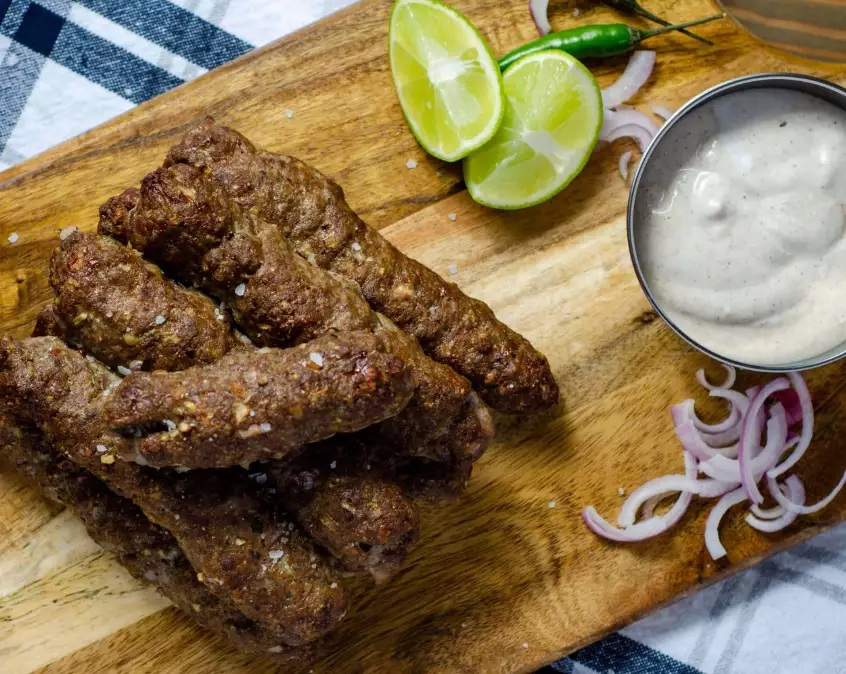
- On a Platter: Serve them on a bed of sliced onions and lemon wedges, with bowls of green chutney and tamarind-date chutney on the side. A side of salad or raita (yogurt sauce) balances the heat.
Expert Answers to Your Kebab Questions
 My kebabs are always dry. How do I keep them juicy?
Making perfect Beef Seekh Kebabs isn’t about having a secret family masala. It’s about understanding how meat, moisture, and heat interact. Focus on drying your onions, chilling your mix, and not rushing the process. Once you get that down, you can play with the spices – add a pinch of fenugreek leaves (kasuri methi) or use a different chili. The foundation is what matters. Fire up that grill.
Discussion