Let's be honest. The first time you see a list of ingredients for a proper sambar or wonder how that impossibly crisp dosa is made, it's easy to feel overwhelmed. I remember staring at a packet of 'sambar powder,' utterly clueless. That was years ago. Now, my kitchen smells like a South Indian cafe most weekends, and I want to show you it's not magic—it's just a few simple techniques and the right ingredients.
South Indian cooking for beginners isn't about replicating a five-star hotel buffet. It's about mastering three or four foundational dishes that are healthy, satisfying, and deeply flavorful. Forget the complexity. We're starting with the absolute basics.
What's Cooking in This Guide?
Stock Your Starter Pantry (The 10 Essentials)
You don't need a wall of spices. You need a small, powerful squad. Here are the non-negotiables. Find them at any Indian grocery store or online.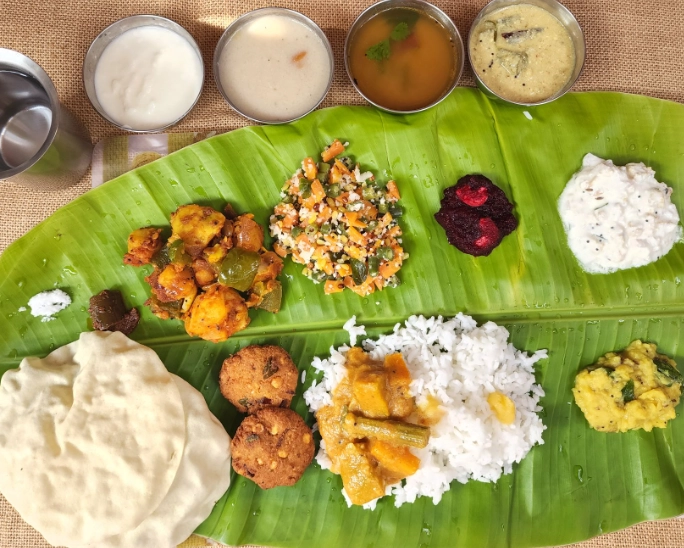
| Ingredient | What It Is & Why You Need It | Beginner Tip |
|---|---|---|
| Toor Dal (Split Pigeon Peas) | The heart of sambar. It cooks down into a creamy, protein-rich base. | Buy the plain, split yellow kind. Not the oily or pre-mixed ones. |
| Idli Rice or Parboiled Rice | Special rice for dosa/idli batter. Starchier than regular rice. | Parboiled rice (like Sona Masoori) works great and is easier to find. |
| Urad Dal (Split Black Gram) | The other half of the batter. Provides fermentation and fluffiness. | Get the skinless, white urad dal for the smoothest batter. |
| Mustard Seeds | Used for 'tadka' or tempering. They pop in hot oil, releasing a nutty aroma. | Yellow or black both work. This is your flavor-starter. |
| Cumin Seeds | Another tempering staple, adds earthy warmth. | Don't confuse with caraway. Cumin seeds are lighter in color. |
| Curry Leaves | The secret fragrance. Not related to 'curry powder.' Fresh is best, dried works. | Add to hot oil at the start. They should crackle and become fragrant. |
| Dried Red Chilies | Controls heat and adds a smoky depth. You control the number. | Byadgi or Kashmiri chilies are flavorful but not brutally hot. |
| Turmeric Powder | For color, earthiness, and its anti-inflammatory properties. | A little goes a long way. It can stain, so be careful. |
| Sambar Powder | A ready-made spice blend. Your shortcut to authentic flavor. | Brands like MTR or Everest are reliable for beginners. |
| Fresh Coconut | For chutneys and to finish dishes. Frozen grated coconut is a fine substitute. | If using fresh, the brown skin should not be damp or moldy. |
My Non-Consensus Pantry Tip: Don't buy pre-ground coriander or cumin powder right away. They lose flavor fast. A beginner's magic happens with whole seeds tempered in oil. Master that technique first—it's the soul of the flavor—before worrying about a dozen spice powders.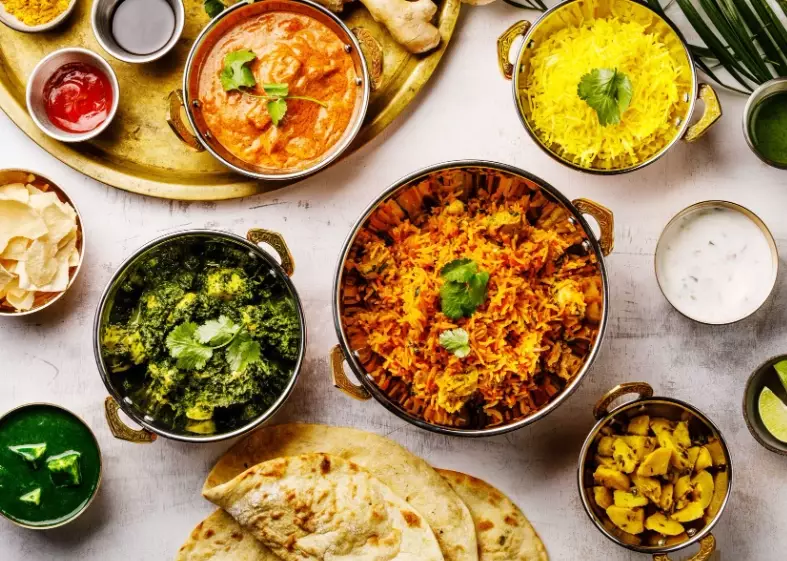
Gear Up Your Kitchen: Tools You Actually Need
You can start with what you have. But these three items will change the game.
1. A Heavy-Bottomed Skillet or Dosa Tawa
This is non-negotiable for good dosas. Cast iron is ideal—it holds heat evenly, giving you that golden, crisp texture. A non-stick griddle works too, especially for your first attempts. The key is a flat, wide surface.
2. A Powerful Blender
You need something that can grind soaked rice and dal into a silky-smooth batter. A standard blender can work, but you may need to grind in smaller batches. A wet grinder is the traditional tool, but it's an investment for later.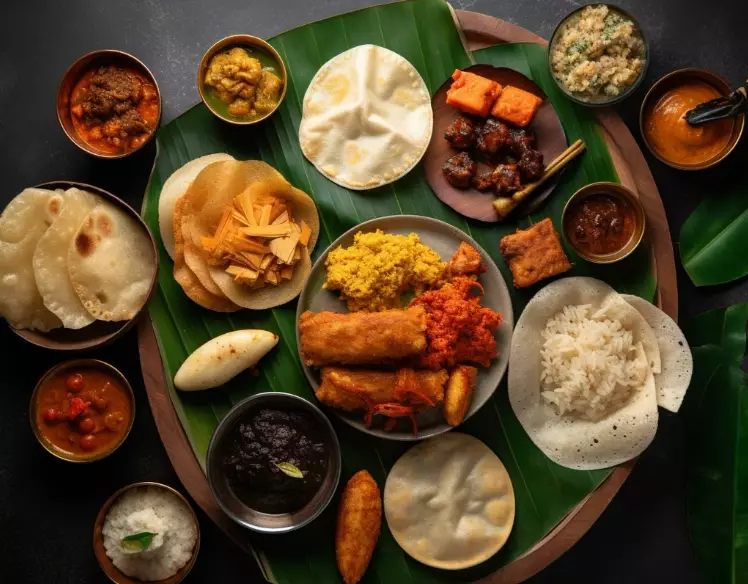
3. Tempering Spoon (Uruḷakkarai) or Small Pan
A small, stainless steel ladle with a long handle. You heat oil in it, add mustard seeds, and pour the sizzling oil and spices directly into your dal. If you don't have one, a tiny saucepan works perfectly.
Your First Meal Plan: Dosa, Sambar & Coconut Chutney
Let's cook. This trio is the holy trinity. Making them together teaches you the core processes: batter fermentation, lentil cooking, and chutney preparation.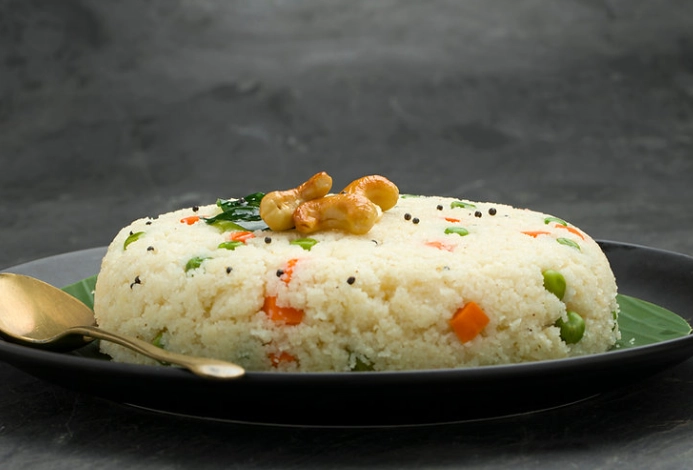
Step 1: The Dosa Batter (Do This the Night Before)
This is the part that scares people. It's just planning.
Ratio is everything: 3 parts idli/parboiled rice to 1 part urad dal. For 4 people, use 3 cups rice and 1 cup dal.
Wash both separately until the water runs clear. Soak them in plenty of water—the rice and dal in separate bowls—for at least 6 hours, preferably overnight.
Drain the water. Grind the urad dal first with just enough fresh water to get a smooth, fluffy paste. It should feel light and aerated. Pour it into a large, clean bowl. Now grind the soaked rice. It will be grittier. Mix the rice paste thoroughly with the urad dal paste. Add 1.5 teaspoons of salt.
Cover the bowl loosely. Let it sit in a warm place for 8-12 hours. In winter, I put my oven light on and place the bowl inside. You'll know it's ready when the volume has almost doubled and the surface is bubbly. It will have a slightly sour, pleasant smell. Your batter is alive.
Step 2: The Sambar (The Hearty Lentil Stew)
While your batter ferments, make the sambar. It tastes better the next day anyway.
Cook 1 cup of toor dal in a pressure cooker or pot with 3 cups of water until mushy. Mash it well.
In another pot, cook 2 cups of chopped vegetables (carrots, beans, pumpkin, drumsticks if you can find them) in water with a pinch of turmeric until tender.
Add the mashed dal to the vegetables. Add 2-3 tablespoons of sambar powder, salt to taste, and a small marble-sized ball of tamarind pulp soaked in water (or 1 tsp tamarind concentrate). Simmer for 10 minutes.
Now, the magic step—the tempering (tadka): Heat 2 tablespoons of oil in your tempering spoon or small pan. Add 1 tsp mustard seeds. When they pop, add 1 tsp cumin seeds, 2 dried red chilies, a pinch of asafoetida (optional but great), and 10-12 curry leaves. Let it sizzle for 5 seconds, then pour the entire contents into the simmering sambar. It will hiss and release an incredible aroma. Stir and turn off the heat.
Step 3: The Coconut Chutney (The 5-Minute Wonder)
Blend 1 cup fresh/frozen coconut, a small piece of ginger, 2 green chilies (adjust to taste), and a handful of cilantro with enough water to make a smooth paste.
Another tempering: Heat 1 tbsp oil. Add 1 tsp mustard seeds, 1 tsp urad dal (optional), and a few curry leaves. Pour over the blended chutney. Add salt. Done.
Step 4: Cooking the Dosa (The Grand Finale)
Heat your skillet on medium-high. It's hot enough when a few drops of water sizzle and dance.
Stir the fermented batter. It should be of pouring consistency, like thin pancake batter. Add water if needed.
Pour a ladleful onto the center of the hot skillet. Using the bottom of the ladle in a swift, circular motion, spread the batter outwards into a thin circle. Don't press too hard.
Drizzle a little oil or ghee around the edges. Let it cook until the top looks dry and the bottom is golden brown and crisp. This takes 1-2 minutes. Loosen the edges with a spatula and flip if you like, or just fold it in half and slide it onto a plate.
Serve immediately with the sambar and chutney. Your first dosa might be thick, or tear, or be oddly shaped. Who cares? It's yours, and it will taste fantastic.
The 3 Mistakes Every Beginner Makes (And How to Avoid Them)
I've made these so you don't have to.
1. Killing the Tadka: Adding curry leaves or mustard seeds to lukewarm oil. They'll just soak up the oil and taste bitter. The oil must be shimmering hot. Listen for the aggressive pop of the mustard seeds.
2. Underseasoning the Dosa Batter: Salt isn't just for taste in fermentation. It regulates the microbial activity. Too little salt and your batter might over-ferment and become unpleasantly sour. Taste your batter after fermenting—it should be tangy but balanced.
3. Using the Wrong Pan Temperature for Dosa: A pan that's too cool makes the dosa stick and become leathery. A pan that's too hot burns it before you can spread it. Find your stove's medium-high sweet spot and let the pan preheat properly every time.
Where to Go From Here: Building Your Repertoire
Once you've nailed this meal, the world opens up.
Use the same dosa batter to make idlis (steamed cakes) by pouring it into greased idli molds. It's a softer, fluffier experience.
Try rasam, a lighter, pepper-laced soup made with tamarind and a different lentil (usually toor dal water). It's the ultimate comfort food when you're feeling under the weather.
Explore vegetable poriyals—dry stir-fried dishes with cabbage, beans, or carrots, finished with coconut and a simple tempering. They come together in 15 minutes.
For recipe inspiration and technique, I consistently find reliable, well-tested recipes from sources like Hebbar's Kitchen or Veg Recipes of India. Their step-by-step photos are invaluable.
Discussion