Let's get this out of the way: South Indian cuisine is a vegan's secret paradise. For years, I wrestled with adapting rich, dairy-heavy dishes from other regions, often ending up with mediocre results. Then I spent time in Tamil Nadu and Kerala, and it clicked. The foundation here is rice, lentils, coconut, and a symphony of spices—naturally plant-based. The challenge isn't finding substitutes; it's avoiding the few hidden animal products that can sneak in. This guide cuts through that noise. We'll make vegan sambar that rivals any traditional version, dosa with the perfect crisp, and chutneys bursting with flavor, all while sidestepping the common pitfalls.
What's Inside This Guide?
The Vegan-Friendly Heart of South Indian Food
Forget the idea of "veganizing." We're not removing things. We're highlighting what's already there. The core meal structure—a grain (rice), a lentil-based stew (sambar/rasam), a dry vegetable dish (poriyal), and a condiment (chutney/pickle)—is inherently plant-forward. Ghee and yogurt are accents, not the main event.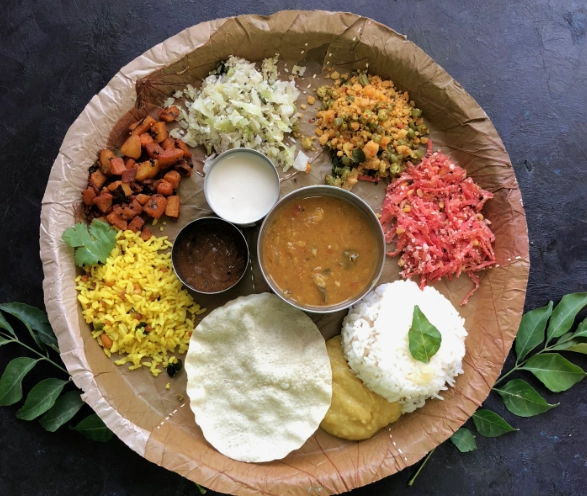
The real magic is in the tarka or tadka—the tempering of spices in hot oil that gets poured over dishes. Mustard seeds, cumin, curry leaves, dried red chilies, and asafoetida. This technique builds layers of flavor no dairy product can match.
I learned this from a home cook in Chennai. She never measured. She'd toss curry leaves into hot coconut oil and just listen. The sizzle told her when to add the mustard seeds. That's the instinct we're after.
The 5 Must-Know Ingredients (And Their Vegan Traps)
Here’s where most blogs gloss over the details, leading to frustrating results. You buy the right-named ingredient, but the flavor is off. Let's break down the key players.
| Ingredient | Vegan Role | Common Non-Vegan Trap | What to Look For |
|---|---|---|---|
| Asafoetida (Hing) | Provides a savory, umami depth, mimicking onion-garlic notes. | Most commercial powder is cut with wheat flour, which is often processed using dairy-based yogurt as a fermenting agent. | "100% Pure Compounded Asafoetida" or resin blocks. Or, skip it and use a tiny pinch of garlic powder (controversial, but works). |
| Tamarind | The primary souring agent in sambar and rasam. | Processed pastes may contain preservatives like sodium benzoate or potassium metabisulfite. While not animal-derived, pure is better. Some cheap blocks have additives. | Seedless tamarind blocks. Soak a golf-ball sized piece in hot water, squeeze, and strain for pure pulp. |
| Coconut | Base for chutneys, creaminess in curries, oil for frying. | None. It's a vegan champion. But for best flavor, avoid sweetened desiccated coconut. | Fresh, frozen grated, or unsweetened desiccated coconut. |
| Curry Leaves | Aromatic herb, non-negotiable for authentic flavor. | None. Always vegan. | Fresh if possible (they freeze well). Dried are a pale substitute. |
| Jaggery | Unrefined cane sugar, adds a subtle caramel note to balance sourness. | Some traditional jaggery (gur) is clarified using animal bone char. This is rare now, but to be safe, look for certified vegan or organic labels. | Organic jaggery powder or blocks from a trusted source. |
See? It's not complicated once you know what to avoid. Your local Indian grocery or online stores like iShopIndian or Patak's will have these. For authoritative info on spices, resources like the Spices Board India are useful, though they don't focus on veganism.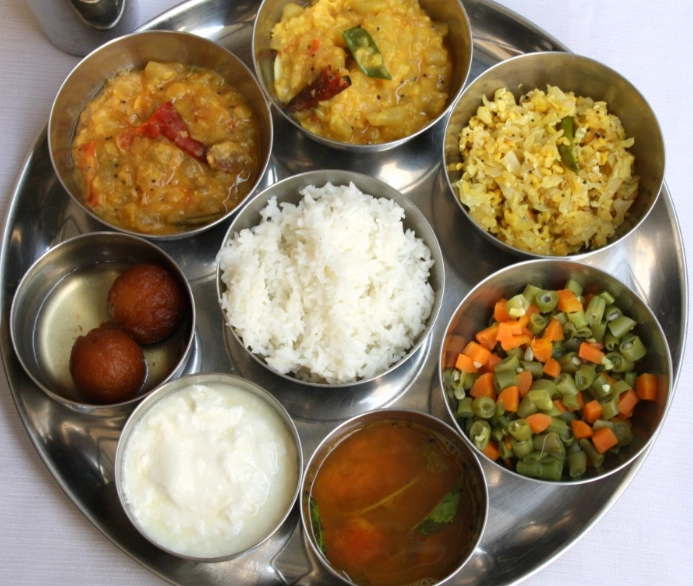
Your Foundation: 3 Essential Vegan Recipes
Let's cook. These three dishes form a complete, stunning meal. I'm giving you the ratios I use after a dozen imperfect batches.
1. The Unbeatable Vegan Sambar
Sambar is the soul food. The mistake? Making it a mushy lentil soup. It should be aromatic, tangy, with vegetables holding their shape.
Ingredients: 1/2 cup toor dal (pigeon pea lentils), 1 small eggplant (diced), 10-12 pearl onions, 1 tomato, 1 lemon-sized ball tamarind pulp, 2 tbsp sambar powder (I recommend MTR or Eastern brand for consistency), 1/2 tsp turmeric, salt.
Tempering: 2 tbsp coconut oil, 1 tsp mustard seeds, 1/2 tsp cumin seeds, 2 dried red chilies, 10 curry leaves, a pinch of pure asafoetida (optional).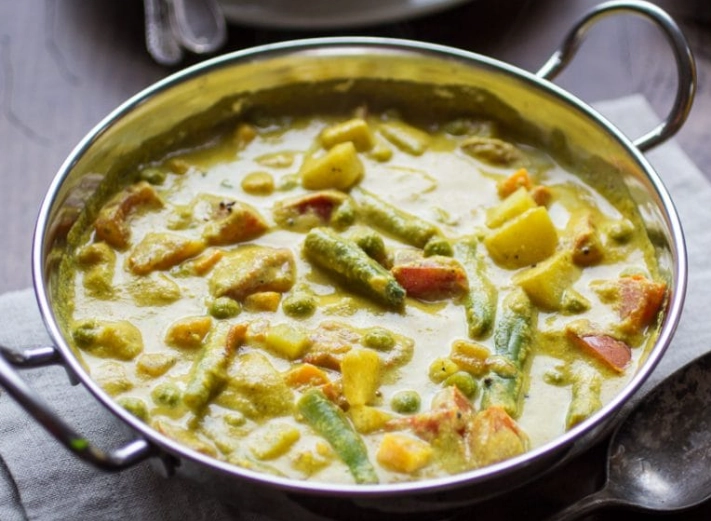
Method: Pressure cook the toor dal with turmeric until mushy. Mash it well. In another pot, simmer the vegetables in 3 cups of water until tender. Add the mashed dal, sambar powder, salt, and extracted tamarind juice. Simmer for 10 minutes. Do not boil vigorously after adding tamarind—it turns bitter. Now, the tarka: heat coconut oil, pop mustard seeds, add the rest. Pour this sizzling oil into the sambar. Cover immediately to trap aromas.
My Taste Test Tip: Let the sambar sit for 30 minutes before serving. The flavors marry and deepen in a way that's just impossible right off the stove.
2. Crispy Vegan Dosa (No Butter Needed)
The fear of dosa sticking is real. A well-fermented batter and the right pan temperature are everything. We'll tackle fermentation in the next section.
Batter: 2 cups parboiled rice (idli rice), 1/2 cup urad dal (black gram), 1/4 cup flattened rice (poha, for crispness), 1 tsp fenugreek seeds, salt.
Method: Soak rice and fenugreek together, urad dal separately, for 6 hours. Grind urad dal with ice water to a fluffy, smooth paste. Grind rice and poha to a slightly gritty paste. Mix both, add salt, and ferment in a warm place (inside an oven with the light on works) for 8-12 hours until bubbly and risen.
To cook, heat a seasoned cast-iron or non-stick pan. Sprinkle water; it should sizzle and vanish. Pour a ladle of batter, spread outwards in a spiral to form a thin circle. Drizzle a few drops of coconut oil around the edges. Cook on medium-high until the bottom is golden and crisp. Flip for 30 seconds if you like.
The first one often sticks. That's normal. Consider it a sacrifice to the kitchen gods.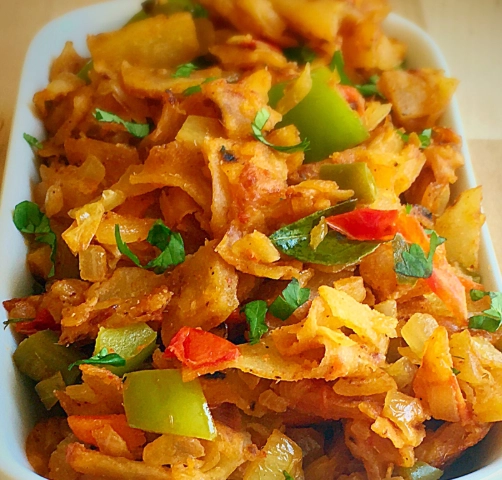
3. The 5-Minute Coconut Chutney
Store-bought versions are bland. This one is explosive.
Ingredients: 1 cup grated coconut, 1/2 inch ginger, 2 green chilies, a small handful of cilantro, salt, water to blend.
Tempering: 1 tsp coconut oil, 1/2 tsp mustard seeds, 1/2 tsp urad dal, 1 dried red chili, 5 curry leaves.
Method: Blend coconut, ginger, chilies, cilantro, salt with enough water to a coarse paste. Transfer to a bowl. Heat oil, fry urad dal until golden, add mustard seeds, chili, and curry leaves. Pour over chutney. Done.
Common error? Over-blending into a smooth paste. You want texture.
The Real Secret to Perfect Vegan Dosa Batter
Fermentation is biology, not just timing. The urad dal's protein creates the air pockets. In winter, it might not rise. My fix? Add a teaspoon of sugar to the batter before fermenting. It gives the microbes a kickstart. No, it won't make your dosa sweet.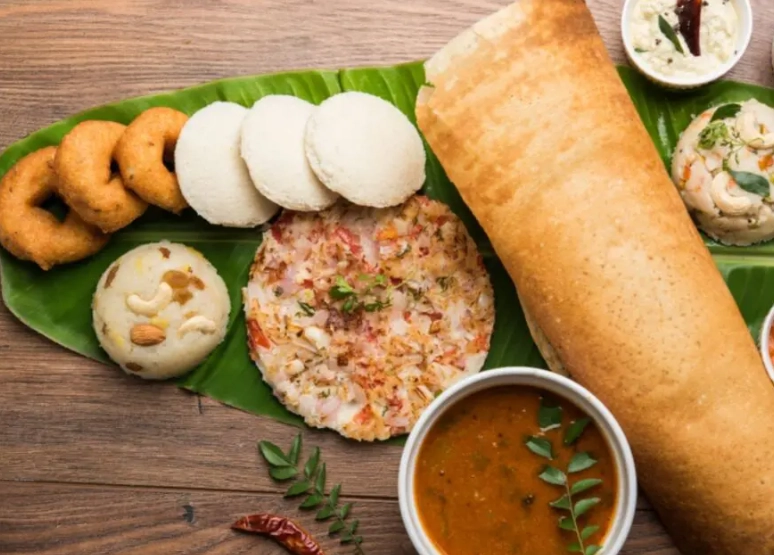
If your kitchen is cold, place the batter bowl in a larger bowl of warm (not hot) water. Change the water every few hours.
And if it fails? Don't toss it. A poorly fermented batter makes excellent, thick uttapam. Just mix in some finely chopped onions, tomatoes, and cilantro, and cook like a pancake.
A Simple Weekly Vegan South Indian Meal Plan
This isn't about cooking three times a day. It's about batch prep.
Sunday Prep: Make a large batch of dosa batter (ferment, then refrigerate). Cook a pot of sambar. Make coconut chutney.
Monday Breakfast: Dosa with chutney and leftover sambar.
Monday Lunch: Rice, reheated sambar, a quick cucumber salad (kosambari).
Tuesday Dinner: Use remaining batter for uttapam. Make a quick rasam (pepper-tomato soup) with the leftover dal water.
Wednesday: Lemon rice with peanuts (use pre-cooked rice).
Thursday: Paruppu usili—steamed, crumbled lentils with green beans. Sounds complex, but it's a protein powerhouse.
You see the pattern. One prep fuels multiple, diverse meals.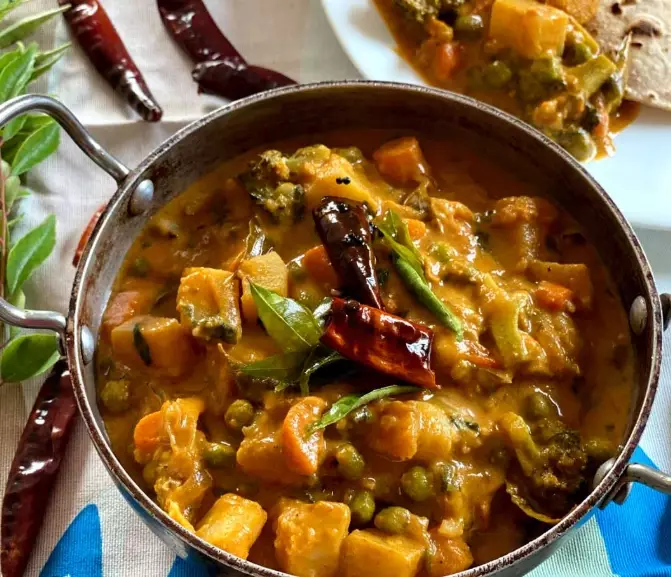
Your Questions, Answered
The journey into South Indian vegan cooking is about embracing simplicity and technique over complex substitutes. Start with the sambar. Master the tarka. Get your dosa to crisp up. The flavors are already there, waiting in a bag of lentils, a bunch of curry leaves, and a coconut. You just need to know which switches to flip.
Discussion