Let's get straight to it. An Indian meal feels incomplete without chutney. It's not just a condiment; it's a flavor catalyst, a texture contrast, and sometimes the star of the plate. If you've ever searched for an Indian chutney list, you likely want more than just names. You want to know what they are, how to make them, and crucially, what to eat them with. This guide cuts through the clutter. We'll explore the major types of Indian chutney, provide foolproof recipes, and share pairing secrets you won't find on most recipe blogs.
Your Quick Chutney Guide
What Exactly Is an Indian Chutney?
Forget the overly sweet, jarred stuff you might find abroad. Authentic Indian chutney is a vibrant, fresh-to-preserved condiment made by grinding herbs, spices, fruits, vegetables, or legumes. The word comes from the Hindi "chatni," meaning "to lick" – a testament to its addictive quality. Textures range from coarse and chunky (like a thokku) to smooth and saucy (like a coconut chutney). The primary goal? To add a punch of flavor – tangy, spicy, sweet, or all three – that complements and cuts through the richness of main dishes.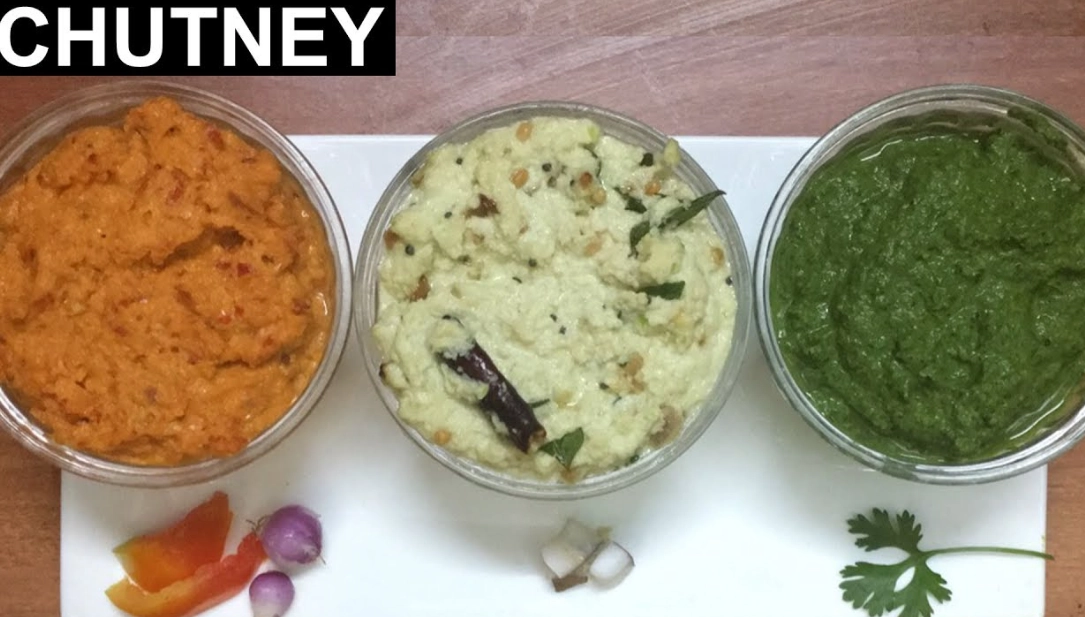
The Major Types of Indian Chutney: A Detailed List
We can broadly split them into two camps: fresh/wet chutneys and cooked/dry chutneys. Here’s your essential Indian chutney list, broken down for clarity.
Fresh & Wet Chutneys (The Daily Essentials)
These are blended fresh and often consumed within a few days. They're the workhorses of Indian kitchens.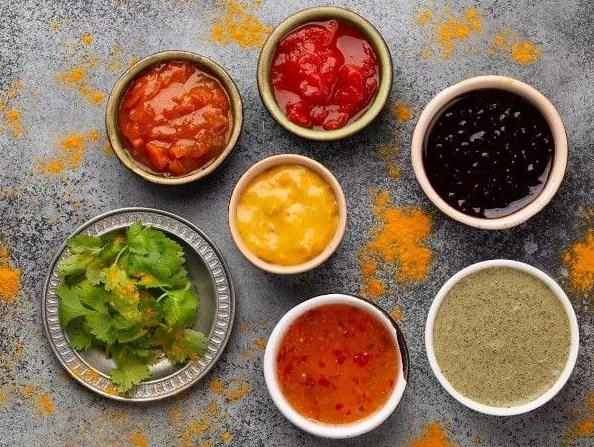
| Chutney Name | Key Ingredients | Texture | Perfect Pairings |
|---|---|---|---|
| Green Chutney (Hari Chutney) | Fresh coriander (cilantro), mint, green chili, ginger, lemon juice, salt. | Smooth, paste-like. | Sandwiches, chaat, kebabs, samosas, dosa, pakoras. |
| Coconut Chutney | Fresh grated coconut, roasted chana dal (split chickpeas), green chili, ginger, tempered with mustard seeds & curry leaves. | Medium consistency, slightly grainy. | Idli, dosa, vada, uttapam, steamed rice. |
| Tamarind Date Chutney (Saunth/Meethi Chutney) | Tamarind pulp, jaggery or dates, cumin, red chili powder, salt. | Sweet-tangy, syrupy. | All types of chaat (bhel puri, pani puri), dahi vada, as a sweet dip. |
| Tomato Onion Chutney | Tomatoes, onions, garlic, dried red chilies, tamarind. | Cooked, semi-thick gravy. | Idli, dosa, pesarattu, with plain rice or chapati. |
| Peanut Chutney | Roasted peanuts, garlic, dried red chilies, tamarind. | Coarse, thick paste. | Dosa, rice, as a spread for bread. A protein-packed favorite. |
Cooked & Dry Chutneys (The Keepers)
These involve cooking and can be stored for weeks or months. They pack intense flavor.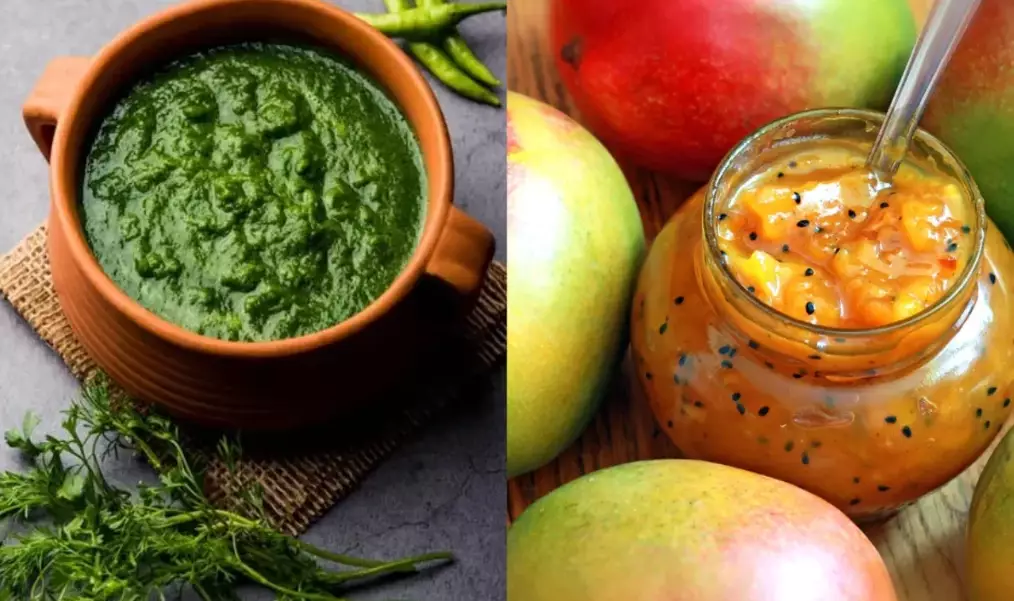
| Chutney Name | Key Ingredients | Texture | Perfect Pairings |
|---|---|---|---|
| Mango Pickle (Aam ka Achar) | Raw mangoes, mustard oil, fenugreek, fennel, turmeric, chili powder. | Chunky, oily, pungent. | Dal-chawal, paratha, khichdi. The ultimate comfort food companion. |
| Gongura Chutney (Andhra Specialty) | Gongura leaves (sorrel), onions, garlic, mustard seeds, dried red chilies. | Cooked, tangy paste. | Hot steamed rice with ghee, or with millet rotis. |
| Dry Garlic Chutney (Lasun Chutney) | Dried garlic cloves, dried coconut, sesame seeds, red chili powder. | Powdery, coarse. | Sprinkled over vada pav, mixed with oil for a quick dip, added to curd rice. |
| Mint Coriander Thokku | Mint, coriander, lots of oil, mustard seeds, urad dal, asafoetida. | Oil-based, coarse relish. | As a side with rice, or spread on toast for a kick. |
I find that most online Indian chutney lists just stop at naming them. But the real magic is in the application. A coconut chutney from South India is a world apart from a coconut-based chutney in Gujarat, which might include sugar and be thinner. The regional variations are endless.
How to Make a Basic Green Chutney? (Step-by-Step)
Let's demystify how to make chutney with the most versatile one. The mistake I see? People treat it like pesto and over-process it.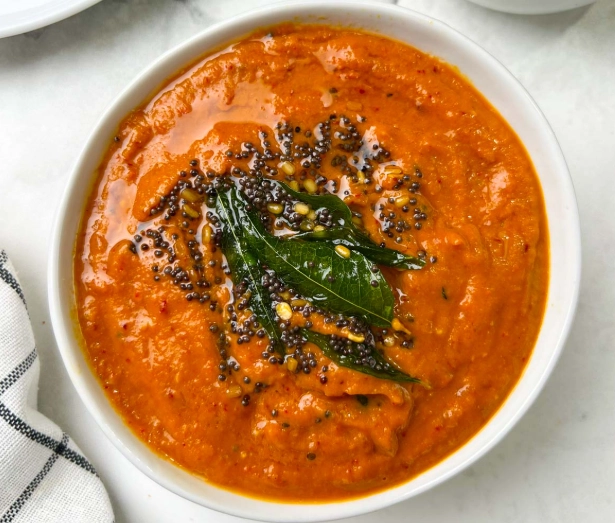
Ingredients: 2 cups packed coriander leaves (stems are fine), 1 cup mint leaves, 1-2 green chilies, 1-inch ginger, juice of 1 lemon, 1 tsp cumin seeds, salt to taste, 2-3 tbsp water.
Tools: A blender or food processor. A mortar and pestle works but is labor-intensive.
Process:
- Wash & Rough Chop: Wash the herbs thoroughly. Give them a rough chop. This isn't for size, but to help the blender.
- Blend Dry First: Add the cumin seeds to the blender jar. Pulse a few times to crack them. This releases more flavor than adding powder.
- Add Herbs & Solids: Add the coriander, mint, chopped ginger, and green chilies. Pulse 5-6 times until coarsely chopped.
- The Liquid Trick: Now add the lemon juice and just ONE tablespoon of water. Blend again. The salt will draw out moisture from the herbs. If it's not moving, scrape sides and add another tbsp of water. The goal is a coarse, slightly textured paste, not a smoothie.
- Taste & Adjust: Add salt. Need more tang? Add a bit more lemon. Too spicy? Add a spoon of plain yogurt or a few more mint leaves.
My first batch was a watery mess because I added too much water upfront. Now I add it incrementally. This chutney stays vibrant green in the fridge for 2-3 days.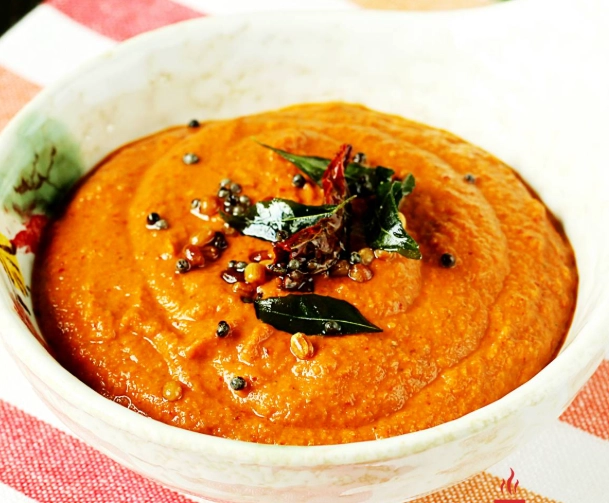
The Ultimate Chutney Pairing Guide
Pairing is everything. A bad match can overwhelm a dish.
For Street Food & Snacks (Chaat)
Tamarind Date + Green Chutney: The classic duo. The sweet-tangy and the herby-spicy create balance on bhel puri, sev puri, or pani puri.
For South Indian Breakfasts
Coconut Chutney is non-negotiable with idli, dosa, and vada. A side of tomato-onion or peanut chutney adds variety. In Kerala, you'll often get a small red chili chutney too.
For Kebabs & Grills
Green Chutney or a Mint-Yogurt Raita. The freshness cuts the smoky, charred fat perfectly. Try it with seekh kebabs or tandoori chicken.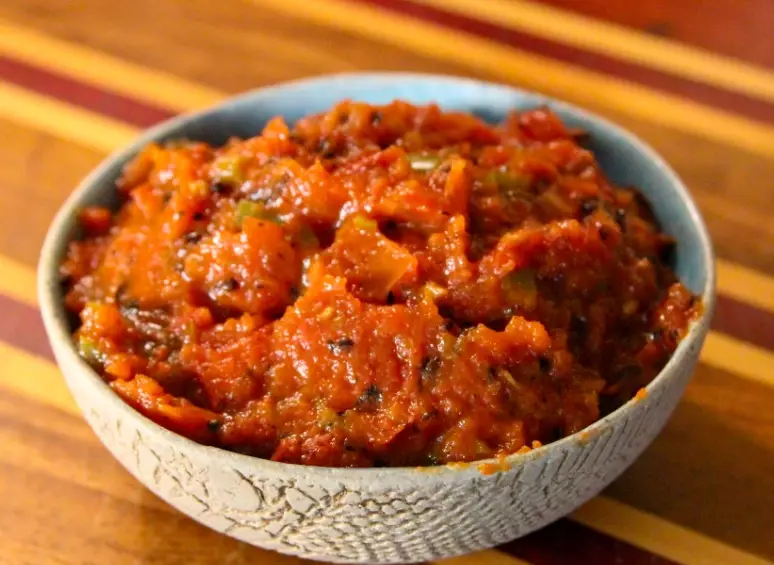
For Simple Rice & Dal
This is where the dry and oily types of Indian chutney shine. A teaspoon of spicy mango pickle or a garlic chutney mixed into hot rice with a dollop of ghee is a meal in itself.
How Should You Store Homemade Chutney?
This is where most homemade batches fail. Fresh, water-based chutneys (green, coconut) are perishable.
For Refrigeration (2-4 days):
Always store in an airtight glass container. Plastic can absorb smells and stain. Press a piece of cling film directly onto the surface of the chutney before sealing the lid. This minimizes air contact and oxidation (browning).
For Freezing (Up to 2 months):
Freeze in ice cube trays. Once solid, pop the cubes into a freezer bag. Grab a cube or two whenever you need it. This works brilliantly for green chutney and coconut chutney base (without the tempering).
For Oil-Based Pickles & Chutneys:
Ensure the chutney is completely covered with oil. Always use a clean, dry spoon to scoop. Any introduction of water can cause spoilage. Store in a cool, dark cupboard.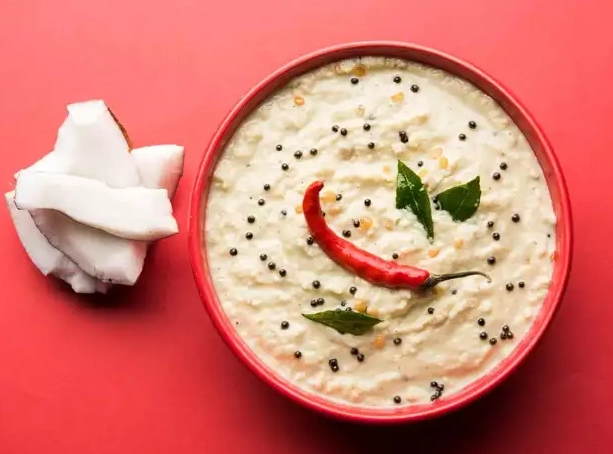
Pro Tips & Common Mistakes to Avoid
After years of trial and error, here are nuances most recipes won't tell you.
The Coconut Chutney Secret: When grinding coconut chutney, use roasted chana dal (not raw) for thickening and nuttiness. But don't over-grind it into a completely smooth paste. A slight texture from the dal is desirable. Over-blending can release too much oil from the coconut, making it oddly greasy.
The Herbal Balance: In green chutney, the mint-to-coriander ratio is personal. I prefer 1:2 (mint:coriander). Too much mint can make it taste like toothpaste. Too little, and it lacks that cooling depth.
Acid is Key, But Timing Matters: Adding lemon juice or tamarind at the beginning of blending can sometimes cause the herbs to discolor faster. For maximum brightness, add your acidic component halfway through or at the end.
The Metal Container Faux Pas: Never store chutney, especially acidic ones like tomato or tamarind, in reactive metal containers (like aluminum or steel). It can react and give a metallic taste. Always use glass or food-grade ceramic.
Toasting for Depth: For dry chutneys (like garlic or peanut), always toast your spices, dals, and coconut separately until fragrant and golden before grinding. This unlocks oils and complexities raw ingredients lack. A report from the National Institute of Nutrition, India, notes that dry roasting can enhance the bioavailability of certain nutrients while adding a safer, deeper flavor profile compared to frying.
Your Chutney Questions Answered
How long does homemade green chutney last in the fridge?
Properly stored with minimal air exposure, it lasts 2-3 days. Its vibrant green color will start to fade after day one due to oxidation. Freezing is better for longer storage.
My homemade chutney is too watery. How can I fix it?
For herb-based chutneys, add a tablespoon of roasted gram flour (besan) or powdered roasted peanuts and blend again. They'll absorb excess moisture and add body. For coconut chutney, add more roasted chana dal. Avoid adding flour or cornstarch, as they can create a gummy texture and need cooking.
Can I make these chutneys without a blender or food processor?
Absolutely. The traditional tool is a stone mortar and pestle (sil batta). It crushes rather than cuts, releasing more oils and creating a superior, more integrated texture. It's a workout, but the flavor payoff is noticeable, especially for dry chutneys.
What's a good substitute for fresh coconut in coconut chutney?
Unsweetened desiccated coconut soaked in warm water for 15 minutes works in a pinch. The flavor won't be as bright and fresh, but it's a decent pantry alternative. For a completely different but delicious twist, use soaked cashews.
Why does my tamarind date chutney crystallize after a few days?
This usually happens if you've used granulated sugar or too much jaggery relative to the liquid. When storing, ensure it's completely cool before sealing. If it crystallizes, gently reheat it with a splash of water until the crystals dissolve. Using dates as the primary sweetener, as they contain invert sugars, reduces this risk compared to plain sugar.
Is there a way to make a low-oil version of pickles like mango pickle?
The oil acts as a preservative and flavor carrier. Significantly reducing it compromises shelf life and texture. For a quicker, low-oil alternative, make a "fresh" version: chop raw mango, mix with spices and a tiny bit of oil, and consume within 2-3 days. It won't be a proper achar, but it gives a similar flavor hit.
Discussion