Walk into any Indian restaurant or home kitchen, and you'll find two flatbreads reigning supreme: roti and naan. They might look similar to the uninitiated—both round, both served warm—but that's where the similarities end. Asking "what is a roti vs naan?" is like asking the difference between a rustic whole-wheat baguette and a fluffy, buttery brioche. One is a daily staple, the other a celebratory treat. One is lean and simple, the other rich and indulgent. Let's cut through the confusion.
What You'll Discover in This Guide
What is Roti? The Everyday Essential
Roti is the workhorse of Indian breads. Its name literally means "bread," and that tells you everything about its role. This is the bread you eat every day, with every meal, in millions of households across the subcontinent and beyond.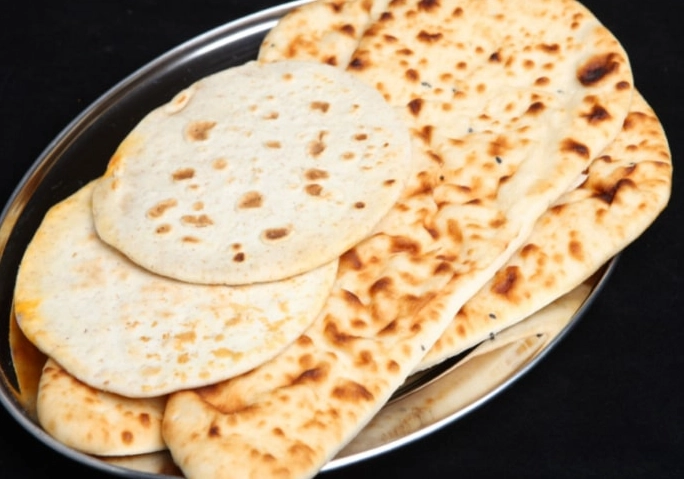
Think of it as the perfect vehicle for curries and dals. It's not meant to be the star of the show; it's the supporting actor that makes the main dish shine.
The Anatomy of a Perfect Roti
The ingredient list is deceptively simple: whole wheat flour (called atta), water, maybe a pinch of salt. That's it. No yeast, no baking powder, no fat in the dough itself. The magic happens in the technique.
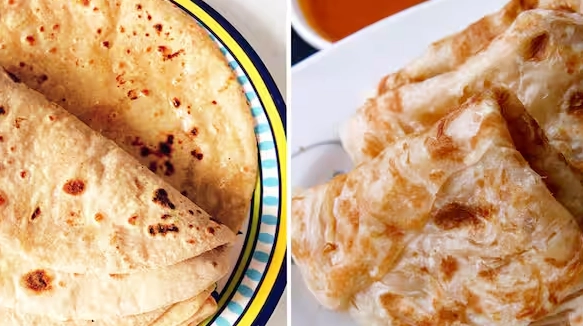
You knead a firm dough, let it rest, then roll it into thin, even circles. The cooking is a two-stage process. First, on a hot, dry griddle (tawa) for about 30 seconds until bubbles form. Then, you flip it and hold it directly over an open flame with a pair of tongs. This is the crucial step. The intense heat makes the roti puff up into a beautiful balloon, cooking the inside with steam. The result is a light, slightly charred, and incredibly soft bread.
The flavor is nutty and wheaty, with a clean, wholesome taste. It's meant to be torn and used to scoop up food. A well-made roti should be soft enough to fold but strong enough not to disintegrate in a rich curry gravy.
There are many regional variations. Chapati is essentially a synonym for roti in many parts of India. Phulka is another name emphasizing the puffing action. Then you have Rumali Roti ("handkerchief bread"), which is rolled incredibly thin, almost translucent, and requires serious skill. Bajra Roti or Jowar Roti are made from millet flours, common in Gujarat and Rajasthan, offering a denser, more rustic texture and are naturally gluten-free.
What is Naan? The Restaurant Favorite
Naan is roti's more decadent cousin. It's a leavened bread, which means it uses a raising agent (traditionally yeast, sometimes baking soda or powder with yogurt) to create a soft, airy texture. Historically, naan was baked in a tandoor, a cylindrical clay oven that reaches blistering temperatures. The dough is slapped onto the hot inner walls, where it cooks quickly, developing characteristic charred spots and a smoky flavor.
The ingredients are richer. All-purpose flour (maida) is standard, giving it a softer, less fibrous bite than whole wheat. Yogurt (dahi) or milk adds tenderness and a slight tang. There's often a bit of sugar to feed the yeast and sometimes an egg for extra richness. After baking, it's brushed lavishly with butter or ghee.
The result? A bread that's pillowy, chewy, slightly sweet, and rich. It's a treat. You don't typically eat naan every day at home (though no one would stop you). It's for restaurants, celebrations, or when you want to indulge.
Beyond the Plain Naan
While plain butter naan is a classic, the real fun starts with the stuffed and topped versions.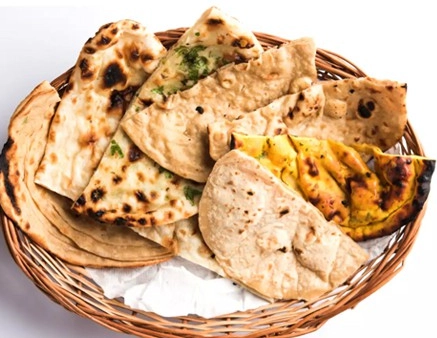
- Garlic Naan: Minced garlic and fresh cilantro kneaded into the dough or sprinkled on top before baking. A universal favorite.
- Cheese Naan: Stuffed with melty cheese, often a mix like mozzarella and cheddar. It's as delicious as it sounds.
- Keema Naan: Stuffed with spiced, minced lamb or chicken. A meal in itself.
- Peshawari Naan: A sweet version stuffed with a mixture of nuts (almonds, cashews), raisins, and coconut.
Making naan at home without a tandoor is totally possible. A very hot cast-iron skillet or a pizza stone in your oven's broiler can mimic the effect. The key, again, is maximum heat to get those bubbles and char marks.
Key Differences Between Roti and Naan
Let's put them side by side. This table breaks down the core distinctions that answer the "roti vs naan" question at a glance.
| Aspect | Roti / Chapati | Naan |
|---|---|---|
| Primary Flour | Whole wheat flour (atta) | All-purpose flour (maida) |
| Leavening | Unleavened (no yeast) | Leavened (yeast/baking soda) |
| Key Ingredients | Atta, water, salt | Maida, yogurt/milk, yeast, sugar, fat |
| Cooking Method | Tawa (griddle) + open flame | Tandoor (clay oven) or very hot skillet |
| Texture | Soft, thin, slightly dense, can puff up | Pillowy, thick, chewy, airy with bubbles |
| Fat Content | None in dough, sometimes ghee brushed on after | Butter/ghee brushed on generously after baking |
| Flavor Profile | Earthy, nutty, wholesome | Rich, slightly tangy/sweet, buttery |
| Common Use | Daily home cooking, scooping curries | Restaurants, special occasions, rich dishes |
| Nutrition (approx. per piece) | ~70-80 calories, higher fiber, lower fat | ~150-200 calories, lower fiber, higher fat/carbs |
| Shelf Life | Best eaten fresh; dries out quicker | Stays softer longer due to fat content |
The fermentation is the game-changer. That yeast activity in naan doesn't just make it fluffy; it also pre-digests some of the sugars and can make it slightly easier on the stomach for some people, despite being made with refined flour. Roti, being unleavened, is often recommended in Ayurvedic practices for its simplicity and digestibility.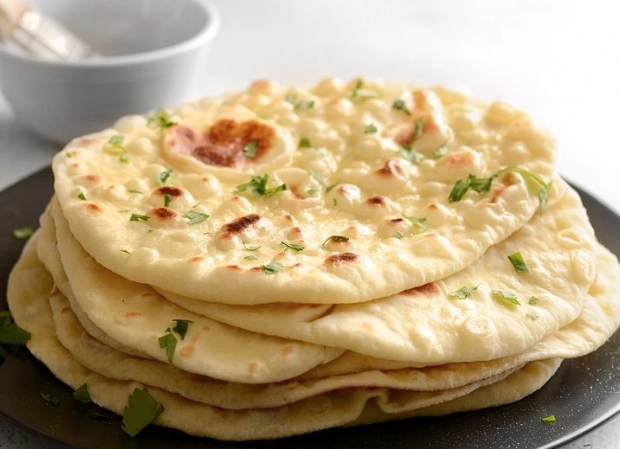
Another subtle point: the cooking surface. Roti's direct flame contact gives it a unique, quick-toast flavor, while naan's tandoor baking imparts a distinct smokiness that's hard to replicate perfectly at home.
How to Choose: Roti or Naan?
So, which one should you reach for? It's not just about preference; it's about context.
Choose Roti when:
- You're eating a home-style, everyday meal like dal (lentils), sabzi (vegetables), or rajma (kidney bean curry).
- Health is a priority—you want higher fiber, lower calories, and less fat.
- You want the bread to complement, not compete with, the main dish.
- You're looking for a gluten-free option (if made with millet flour like bajra).
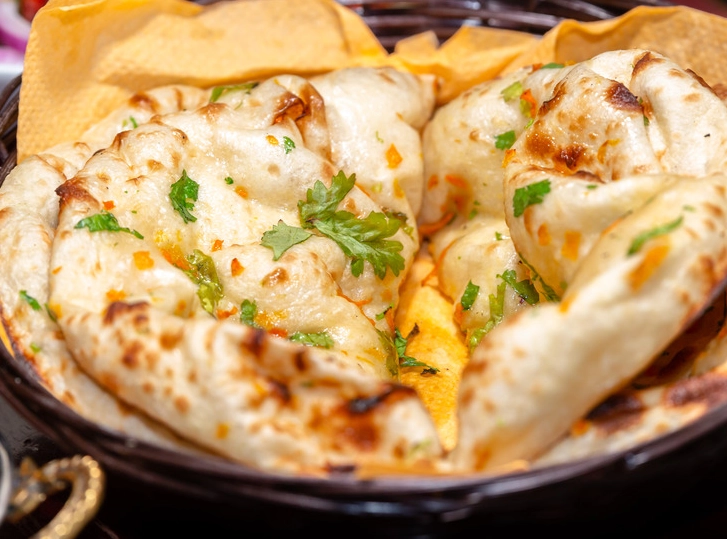
Choose Naan when:
- You're at a restaurant or having a festive meal.
- You're eating a rich, creamy curry like butter chicken, paneer makhani, or a meat korma. The naan stands up to and balances the richness.
- You want the bread to be part of the experience—garlic naan with raita (yogurt dip) is a classic starter.
- You're in the mood for something indulgent and comforting.
Here's a personal rule of thumb I follow: If the curry is watery or broth-based, roti is better for soaking. If the curry is thick, creamy, or heavy, naan's sturdiness works best. Try it. You'll see.
And don't feel boxed in. In many North Indian meals, you might see both on the table—roti for the everyday vegetables and naan for the special centerpiece curry. It's the best of both worlds.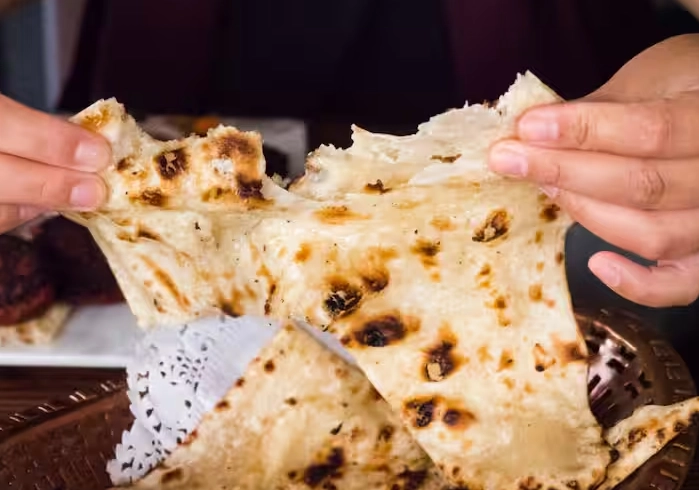
Your Roti and Naan Questions Answered
The journey from flour to finished flatbread is a simple one, but the details make all the difference. Whether you're team roti for its wholesome simplicity or team naan for its indulgent comfort, understanding their unique stories makes every bite better. Next time you're at a restaurant or in your own kitchen, you'll know exactly what you're choosing and why.
Discussion