Let's be honest. Most "Indian chicken curry" recipes online are bland, one-note approximations. They throw chicken into a generic tomato sauce with curry powder and call it a day. That's not how it's done. Real traditional Indian chicken recipes are layered symphonies of flavor, built from the ground up with patience and specific techniques. I learned this the hard way after years of mediocre results, until I spent time with home cooks in Delhi and Kerala. The difference wasn't just the spices—it was the process.
This isn't about rigid authenticity police. It's about getting the deep, complex, and incredibly satisfying flavors that make these dishes timeless. We're going beyond the generic "curry."
What You'll Find in This Guide
How to Make Authentic Butter Chicken (Murgh Makhani)?
Butter chicken is the global ambassador, but it's often reduced to a sweet, orange gloop. The real version is rich, subtly smoky, and tangy. The key is in two stages: the marination and char, and the slow-cooked base.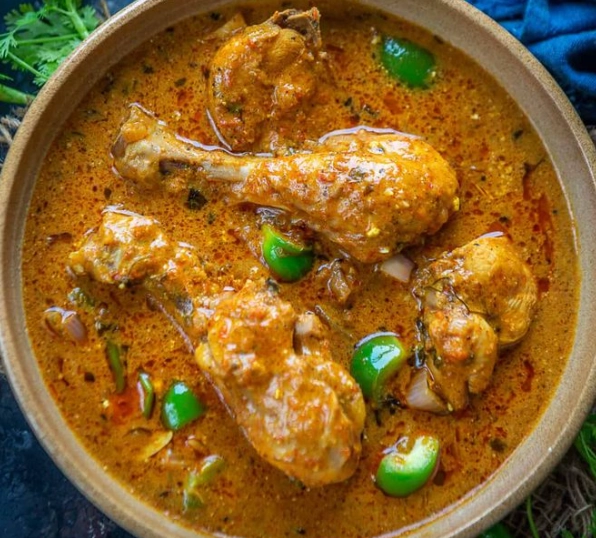
First, the chicken. Use boneless thighs, always. Breast meat dries out. The marinade is yogurt, ginger-garlic paste, Kashmiri red chili powder (for color, not extreme heat), turmeric, and garam masala. Let it sit for at least 4 hours, overnight is magic.
Now, here's where most recipes fail: they tell you to cook the chicken in the sauce. Wrong. You need to give it color first. Traditionally done in a tandoor, we mimic it by broiling or grilling the marinated chicken pieces until they have dark, slightly charred spots. Those bitter, smoky bits are flavor gold. Set them aside.
The sauce base is a labor of love. Sauté chopped onions until deeply golden brown—this can take 15-20 minutes on medium-low. Don't rush. Add ginger-garlic paste, then tomatoes. Cook until the oil separates from the masala. Blend it smooth. Return to the pan, add butter, cream (or cashew paste for a more authentic, luxurious texture), honey, and kasuri methi (dried fenugreek leaves). Crush the kasuri methi between your palms before adding—it releases its haunting aroma.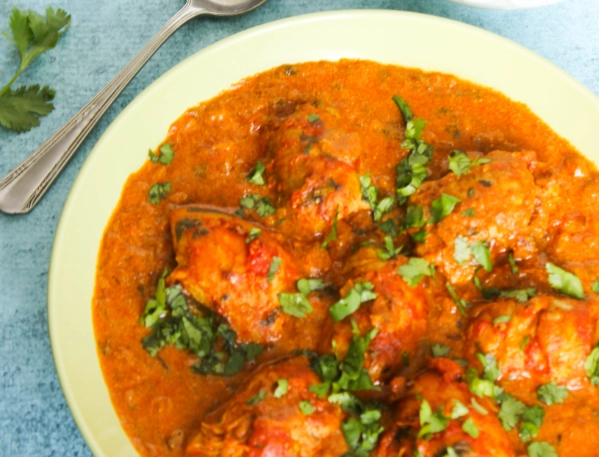
Finally, add the charred chicken pieces and any juices to the simmering sauce. Let it cook together for just 5-7 minutes. Overcooking here makes the chicken tough. Serve with a dollop of butter on top.
What's the Secret to Perfect Chicken Biryani?
Biryani isn't a curry with rice mixed in. It's a layered dish where spiced meat and partially cooked rice steam together (dum), exchanging flavors. The goal: fragrant, separate grains of rice, tender meat, and distinct layers of taste.
The Rice is a Star, Not a Sidekick
Use aged basmati rice. Wash it until the water runs clear, then soak for 30 minutes. Par-boil it in abundant water with whole spices (bay leaf, cardamom, cinnamon) and salt until it's 70% cooked. The grain should still have a hard core. Drain immediately. This is the single most critical step to avoid mush.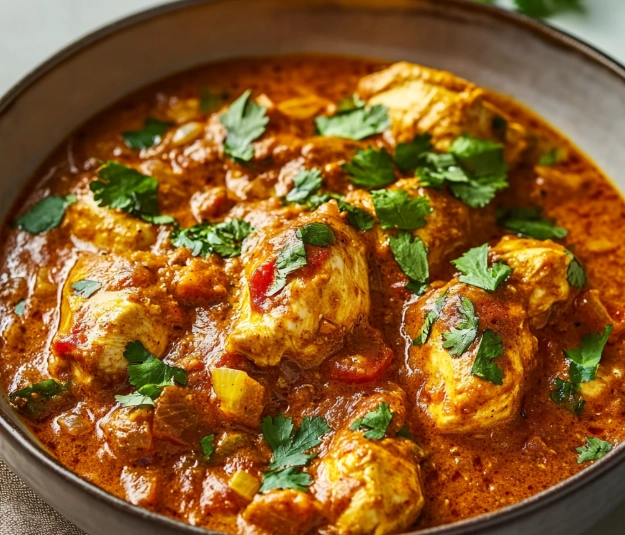
The Chicken Layering (The Korma)
The chicken is cooked as a thick, almost dry curry (korma) with fried onions, yogurt, and spices. It should be intensely flavored because it will season the rice. Don't make it watery.
Assembly and Dum (The Steam)
In a heavy-bottomed pot, layer half the rice, then all the chicken curry, then the rest of the rice. Sprinkle fried onions, mint, cilantro, and saffron milk. Seal the lid tightly with dough or a heavy cloth. Cook on the lowest possible heat for 25-30 minutes. Let it rest for 15 minutes before digging in. That rest is crucial for the flavors to settle.
The Lighter Side: South Indian Chicken Curry (Kerala Style)
If North Indian curries are rich and creamy, the South offers bright, coconut-based, and tangy alternatives. A classic is Kerala Nadan Kozhi Curry.
The base is fresh coconut. You'll grate it, blend it with water, and extract thick coconut milk and thin coconut milk. The chicken is cooked in a masala of shallots, ginger, garlic, green chilies, and a specific blend of roasted spices (coriander, fennel, black pepper). The thin coconut milk goes in first to cook the chicken, the thick milk is stirred in at the end, just brought to a gentle simmer. A finish with curry leaves and coconut oil is mandatory.
The taste is lighter, more aromatic, with the warmth of black pepper rather than garam masala. It's a revelation if you only know butter chicken.
According to the Indian Ministry of Tourism's culinary guide, the coastal regions heavily influence this style, with coconut and seafood being staples, adapted beautifully for chicken.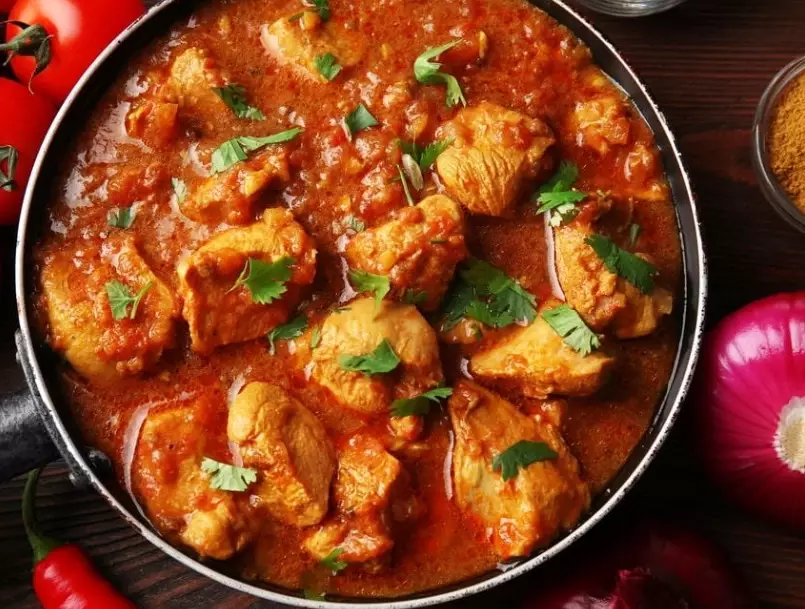
The Non-Negotiable Step: Blooming Your Spices Right
This is the heart of the flavor. You can't just add ground spices to cold oil or water.
For whole spices (cumin seeds, mustard seeds, cardamom): heat oil or ghee, add them, and wait until they sizzle and become fragrant—cumin darkens a shade, mustard seeds pop. This takes seconds, not minutes. Burn them, and the dish is bitter.
For ground spices (coriander, turmeric, chili powder): add them to the hot oil-onion-tomato base and fry, stirring constantly, for at least 1-2 minutes. You'll see the oil start to separate around the edges. This "cooking" of the spices removes their raw edge and unlocks their full, rounded flavor. It's the difference between tasting like raw spice mix and a harmonious sauce.
I see so many home cooks skip this, adding spices late in the process. It's the main reason their curry tastes "off" or flat.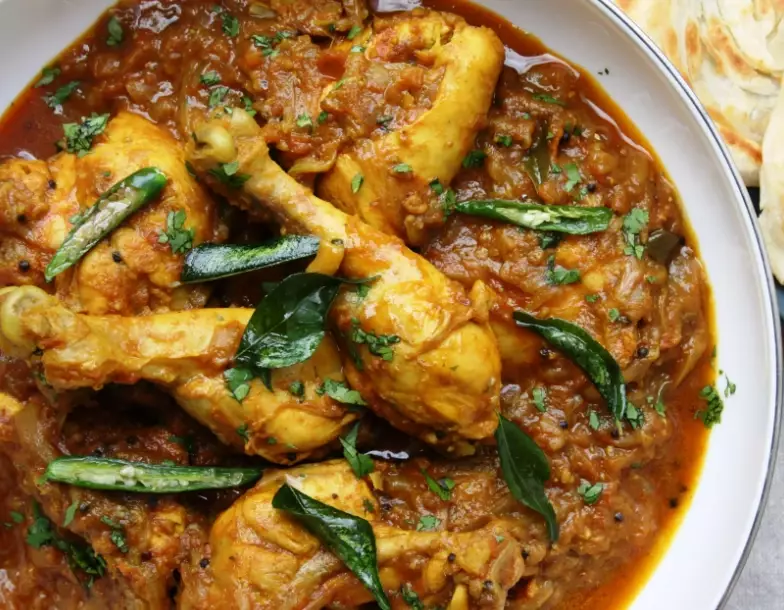
Your Indian Chicken Cooking Questions, Answered
What's the biggest mistake people make when cooking Indian chicken curry?
The single biggest mistake is under-toasting the whole spices and rushing the onion base. People often just sauté onions until soft. You need to cook them low and slow until they turn a deep golden-brown, almost caramelized. This 'bhunao' process is non-negotiable. It develops a sweet, complex flavor base that powdered spices alone can never achieve. If your base is pale, your curry will taste raw and one-dimensional.
Can I make a creamy Indian chicken curry without a tandoor or heavy cream?
Absolutely. The tandoor is for restaurant theatrics, and heavy cream can mute flavors. For authentic richness, use raw cashew paste or a blend of soaked melon seeds. Soak a handful of raw cashews in hot water for 20 minutes, then blend into a smooth paste. Stir it into your curry towards the end of cooking. It thickens the sauce, adds a velvety texture, and a subtle nutty sweetness that complements the spices perfectly. It's the traditional way and tastes far superior to just dumping cream.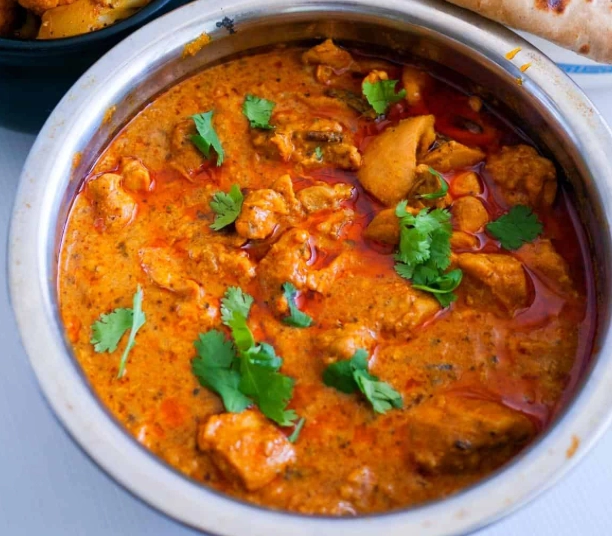
My chicken biryani rice always turns out mushy. How do I get perfectly separate, fragrant grains?
Mushy rice means you're overcooking it during the par-boiling stage. Here's the trick: boil water with whole spices and salt. Add washed basmati rice and cook only until the grains are 70% cooked—they should still have a firm, opaque core when you bite one. Drain immediately and spread on a tray to stop the cooking. The residual heat finishes the job. Also, ensure your pot is heavy-bottomed and sealed tight during the 'dum' (steaming) phase. Too much moisture or steam escaping ruins the texture.
What's a good substitute for ghee in Indian chicken recipes if I don't have any?
For the authentic flavor, there's no perfect substitute, but a combination works well. Use a neutral oil (like avocado or grapeseed) for the initial tempering and cooking. Then, right at the end, finish the dish with a small knob of unsalted butter. The milk solids in the butter mimic some of ghee's nutty character. Don't use olive oil; its flavor clashes. And never skip the final fat—it's what carries and melds the aromas of the spices in traditional Indian cooking.
Discussion