What You’ll Find Inside
I used to think healthy Indian food was an oxymoron. All that ghee, cream, and frying—how could it be good for you? Then I spent a year cooking with my grandmother in Mumbai, learning that traditional Indian cuisine is packed with legumes, vegetables, and spices that boost health. The trick is knowing which recipes to pick and how to tweak them. Let’s cut through the noise and get straight to recipes you can make tonight, with clear nutritional info so you’re not guessing calories.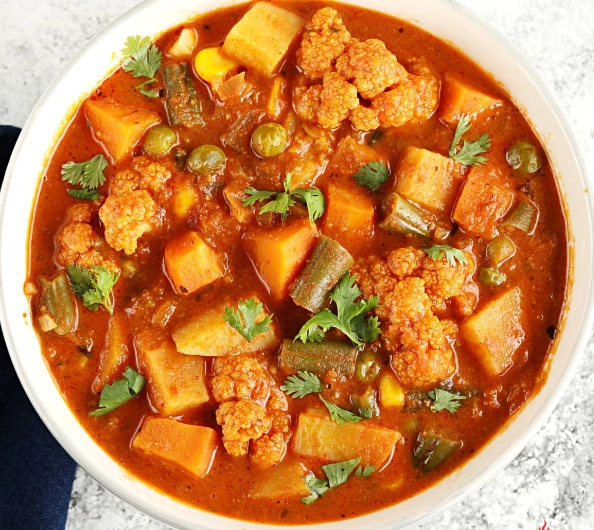
Top 3 Healthy Indian Recipes with Detailed Nutrition
Forget generic lists. These three dishes are my go-tos because they’re balanced, flavorful, and easy to scale for meal prep. I’ve included nutrition data per serving based on standard portions—about 1 cup for curries. The numbers come from my own tracking using tools like the USDA FoodData Central, but I’ve cross-checked with Indian dietary guidelines from sources like the National Institute of Nutrition in India.
1. Lentil Dal (Dal Tadka): Protein-Packed Comfort Food
Dal is the backbone of Indian meals, but most recipes drown it in oil. Here’s a lighter version. You’ll need: 1 cup split red lentils (masoor dal), 1 onion chopped, 2 tomatoes, 1 tsp cumin seeds, 1 tbsp oil, spices (turmeric, coriander powder). Cook lentils with turmeric until soft, about 20 minutes. In a separate pan, heat oil, add cumin, then onions and tomatoes. Sauté until soft, mix into lentils. Season with salt.
Nutrition per serving (makes 4): Calories: 180, Protein: 12g, Carbs: 30g, Fat: 3g. The protein comes from lentils, which are rich in fiber too. A common mistake? Overcooking the lentils until they turn mushy—it kills the texture. Keep them slightly firm.
2. Spinach and Cottage Cheese (Palak Paneer): Iron-Rich Delight
Palak paneer often gets a bad rap for being creamy, but it doesn’t have to be. Skip the cream entirely. Ingredients: 2 bunches spinach, 200g paneer (cottage cheese cubes), 1 onion, 2 green chilies, 1 tsp ginger-garlic paste, 1 tbsp oil. Blanch spinach, blend into a paste. Sauté onions and paste, add paneer cubes, simmer for 10 minutes.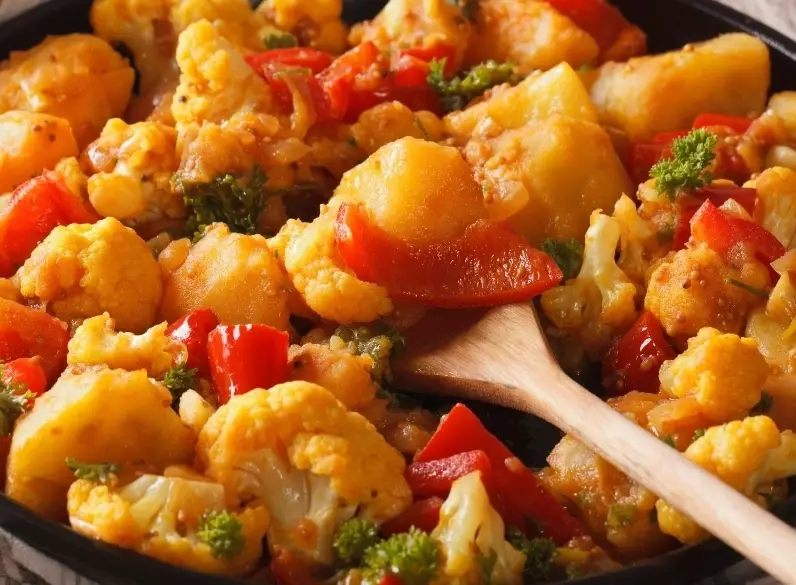
| Nutrient | Per Serving (1 cup) |
|---|---|
| Calories | 210 |
| Protein | 15g |
| Carbs | 10g |
| Fat | 12g |
The fat here is mostly from paneer, which provides calcium. Use low-fat paneer if you want, but I find it gets rubbery. Fresh spinach is key—frozen works, but it can make the curry watery.
3. Chickpea Curry (Chana Masala): Fiber-Filled Feast
Chana masala is a street food staple, but restaurant versions are oily. This one uses minimal oil and maximizes spices. Grab: 1 can chickpeas (or 1 cup dried, soaked), 1 onion, 2 tomatoes, 1 tbsp chana masala spice mix, 1 tsp oil. Sauté onions in oil until golden, add tomatoes and spices, then chickpeas with some water. Simmer for 15 minutes.
Nutrition per serving (4 servings): Calories: 190, Protein: 8g, Carbs: 35g, Fat: 4g. Chickpeas are loaded with fiber, about 12g per serving, which aids digestion. Don’t skip the soaking if using dried chickpeas—it reduces cooking time and makes them easier to digest.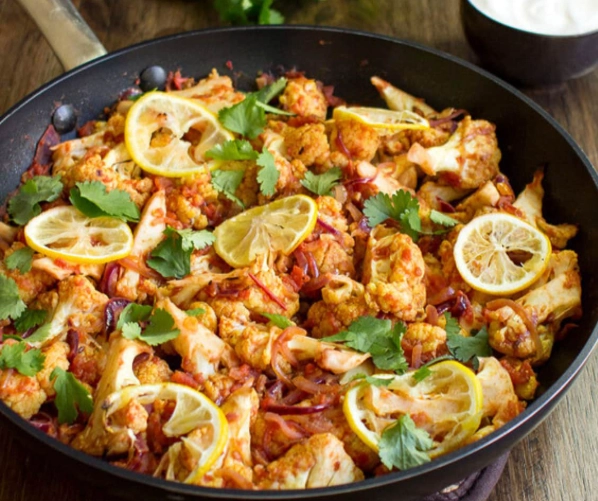
How to Calculate Nutritional Information for Indian Dishes
Most people guess, and that’s where diets fail. Here’s a simple method I use: weigh each ingredient raw, note its nutritional values from reliable sources like the USDA database, then divide by servings. For example, for dal, I weigh lentils, oil, onions separately. Apps like MyFitnessPal can help, but they often have inaccurate entries for Indian ingredients. I double-check with the Indian Food Composition Tables published by the National Institute of Nutrition.
Let’s break it down. Say you’re making a curry with 100g onions, 200g tomatoes, and 1 tbsp oil. Onions have about 40 calories per 100g, tomatoes 18 calories, oil 120 calories. Total for the base: 178 calories. Add lentils or protein, and you’ve got a full picture. It sounds tedious, but after a few times, you’ll estimate better. I still weigh oil every time—it’s easy to pour too much.
Common Mistakes When Cooking Healthy Indian Food
I’ve seen so many home cooks mess this up. First, using too much oil for tempering. Tempering (tadka) is essential for flavor, but a tablespoon suffices instead of a quarter cup. Heat the oil properly so spices bloom quickly. Second, overcooking vegetables. Spinach in palak paneer should be vibrant green, not dull. Blanch it for just 2 minutes.
Another subtle error? Not balancing spices. Turmeric has anti-inflammatory benefits, but if you add it at the wrong time, it turns bitter. Add it early with lentils or vegetables to mellow out. Cumin should be roasted dry first for maximum aroma. These small tweaks come from years of trial and error—my grandmother would scold me for adding garam masala too early, which burns the spices.
Also, relying on canned sauces. They’re high in sodium and preservatives. Making your own masala paste takes 10 minutes and cuts sodium by half. I blend onions, tomatoes, ginger, garlic, and freeze portions for quick meals.
Frequently Asked Questions (FAQ)
Wrapping up, healthy Indian cooking isn’t about deprivation. It’s about smart choices—like picking whole ingredients and measuring oil. Start with one recipe this week, track the nutrition, and adjust. I still indulge in rich biryani sometimes, but for daily meals, these recipes keep me energized. If you want more details, check out resources like the Indian Council of Medical Research’s dietary guidelines for deeper insights. Happy cooking!
Discussion