Let's be honest. When you think of authentic Indian food, your mind might jump to complex spice blends, hours of simmering, and dishes that seem impossible to replicate outside a restaurant. I used to think that too, until I spent a decade cooking Indian food and realized most recipes can be simplified without losing their soul. The truth? You can make real Indian meals easily, even on a busy weeknight.
What You'll Find Inside
Why Authentic Indian Food Seems Hard (And Why It's Not)
Indian cuisine gets a bad rap for being difficult. I blame those cooking shows where chefs toss in twenty spices while talking about ancient techniques. In reality, most home cooks in India keep it simple. The key is understanding that authenticity isn't about complexity—it's about balance. A dish like butter chicken, for instance, relies on just a few core spices: garam masala, turmeric, and cumin. Get those right, and you're 80% there.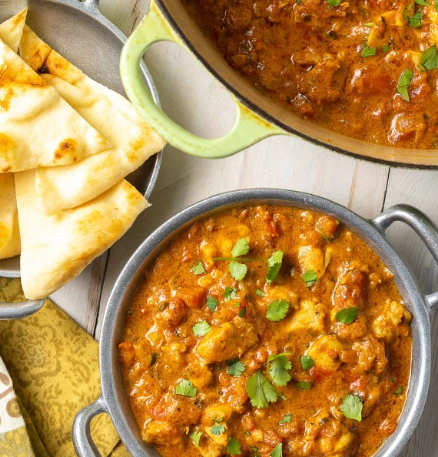
When I first tried making chana masala, I overdid it with chili powder. The result was a fiery mess that missed the earthy depth of the chickpeas. It taught me that less is often more. You don't need a pantry full of exotic ingredients. Start with basics, and build from there.
The Only Spices and Tools You Really Need
Forget buying every spice jar at the store. Here's a minimalist list I swear by after cooking Indian food for years. If you have these, you can make dozens of dishes.
| Spice/Tool | Why It's Essential | Where to Buy (Budget-Friendly) |
|---|---|---|
| Garam Masala | The backbone of many curries; a blend of warm spices like cardamom and cinnamon. | Indian grocery stores or online retailers like Amazon. Avoid pre-mixed blends with additives. |
| Turmeric Powder | Adds color and anti-inflammatory benefits; use sparingly to avoid bitterness. | Local supermarkets—look for organic options for better flavor. |
| Cumin Seeds | Used for tempering; gives a nutty aroma. Toasting them unlocks the flavor. | Bulk sections in health food stores to save money. |
| Heavy-Bottomed Pan | Prevents burning during slow cooking; a Dutch oven or thick skillet works. | Invest in one from brands like Lodge or Cuisinart—it lasts decades. |
| Immersion Blender | For smooth sauces like butter chicken; cheaper and easier than a traditional blender. | Under $30 at Walmart or Target. |
Notice I didn't list a pressure cooker. Yes, it's common in India, but you can simmer lentils longer instead. Tools should simplify, not complicate.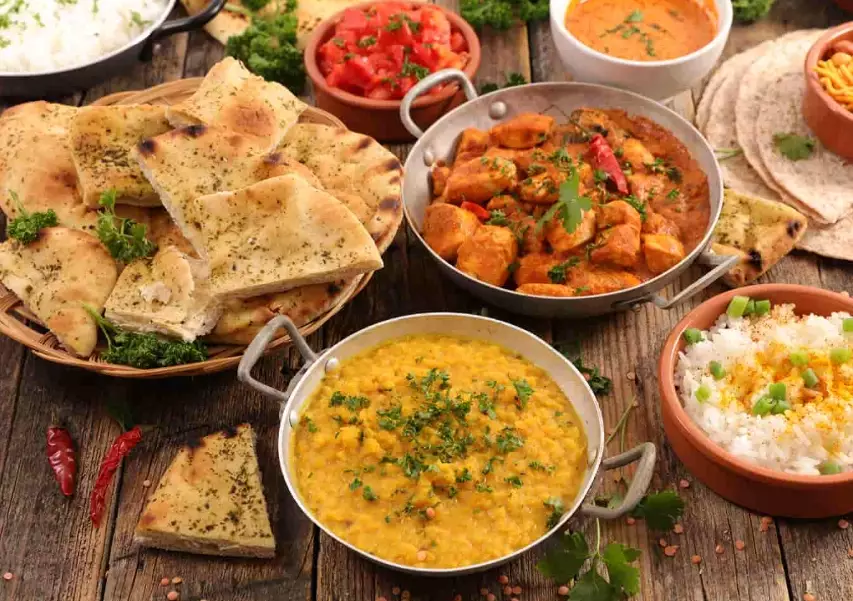
5 Simple Authentic Indian Recipes with Step-by-Step Guides
These recipes are my go-tos for busy days. I've stripped them down to the essentials without sacrificing taste. Each serves 4 and takes under 45 minutes.
Recipe 1: Easy Butter Chicken (Murgh Makhani)
Prep time: 15 mins | Cook time: 25 mins | Key spice: Garam masala
Butter chicken is the ultimate comfort food. Most recipes call for marinating chicken overnight, but here's a cheat: use Greek yogurt and lemon juice for 30 minutes. It tenderizes just fine.
- Ingredients: 500g chicken thighs, 1 cup yogurt, 2 tbsp ginger-garlic paste, 1 onion (chopped), 1 cup tomato puree, 2 tsp garam masala, 1 tsp turmeric, 1/2 cup cream.
- Steps: Sauté onions until golden. Add ginger-garlic paste and spices. Stir in tomato puree and cook for 10 minutes. Add chicken and simmer until cooked. Finish with cream.
I once skipped the cream and used coconut milk—still creamy, but lighter. Don't be afraid to tweak.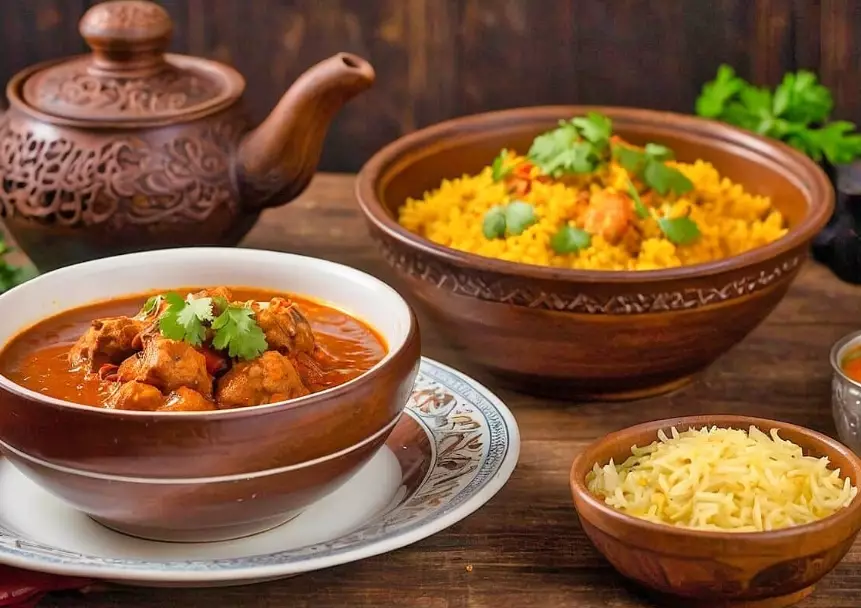
Recipe 2: Quick Chana Masala (Chickpea Curry)
Prep time: 10 mins | Cook time: 20 mins | Key spice: Cumin seeds
This vegetarian staple is protein-packed. Use canned chickpeas to save time—rinse them well to reduce sodium.
- Ingredients: 2 cans chickpeas, 1 onion, 2 tomatoes, 1 tsp cumin seeds, 1 tsp coriander powder, 1/2 tsp amchur (dry mango powder) for tanginess.
- Steps: Toast cumin seeds in oil until fragrant. Add onions and tomatoes, cook until soft. Mix in spices and chickpeas, simmer for 15 minutes.
Amchur is optional; a squeeze of lemon works too. But if you can find it, it adds an authentic sour note.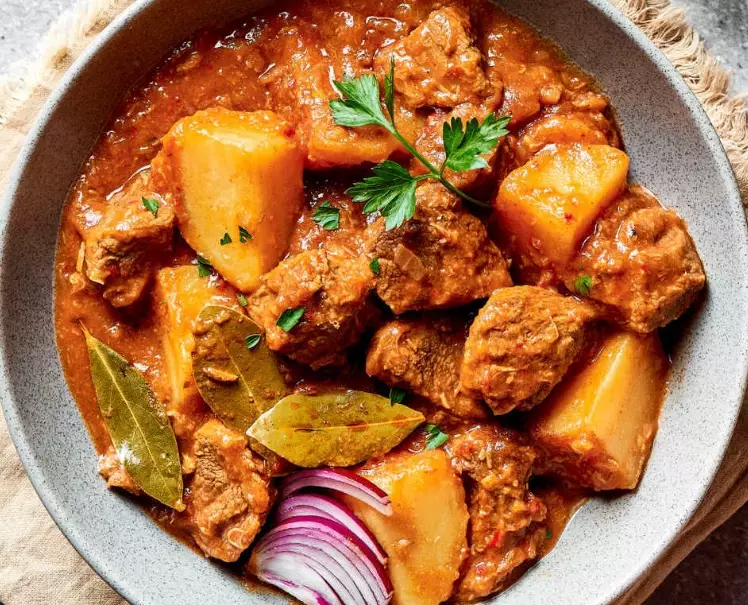
Recipe 3: Simple Vegetable Biryani
Prep time: 20 mins | Cook time: 30 mins | Key spice: Biryani masala (or make your own with cloves and cardamom)
Biryani seems daunting, but it's just layered rice and veggies. Use basmati rice soaked for 20 minutes—it cooks faster and stays separate.
- Ingredients: 2 cups basmati rice, mixed veggies (carrots, peas), 1 onion sliced thin, 2 tbsp biryani masala, saffron strands (soaked in milk).
- Steps: Parboil rice. Sauté veggies and spices in a pot. Layer rice and veggies, drizzle saffron milk, cover and cook on low heat for 20 minutes.
No saffron? Use turmeric for color. It won't taste the same, but it's still delicious.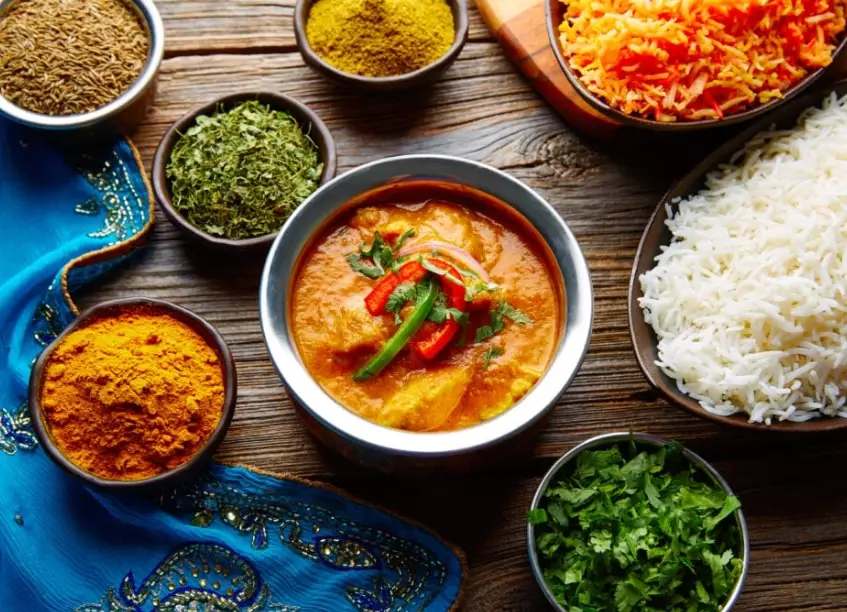
Recipe 4: Easy Dal Tadka (Spiced Lentil Soup)
Prep time: 5 mins | Cook time: 25 mins | Key spice: Mustard seeds
Dal is the soul of Indian meals. Use red lentils—they cook in 20 minutes without soaking.
- Ingredients: 1 cup red lentils, 4 cups water, 1 tsp mustard seeds, 2 dried red chilies, garlic cloves, ghee or oil.
- Steps: Boil lentils until soft. In a separate pan, heat ghee, add mustard seeds and chilies until they pop. Pour this tempering over the lentils.
The tempering (tadka) is crucial. Don't skip it—it transforms bland lentils into something magical.
Recipe 5: Quick Naan Bread
Prep time: 10 mins | Cook time: 15 mins | Key ingredient: Yogurt
Store-bought naan is fine, but homemade tastes better and takes minutes. No yeast needed—use baking powder for instant rise.
- Ingredients: 2 cups flour, 1/2 cup yogurt, 1 tsp baking powder, salt, water as needed.
- Steps: Mix dry ingredients, add yogurt to form a dough. Roll out circles, cook on a hot skillet until bubbles form.
Brush with garlic butter after cooking. It's a game-changer.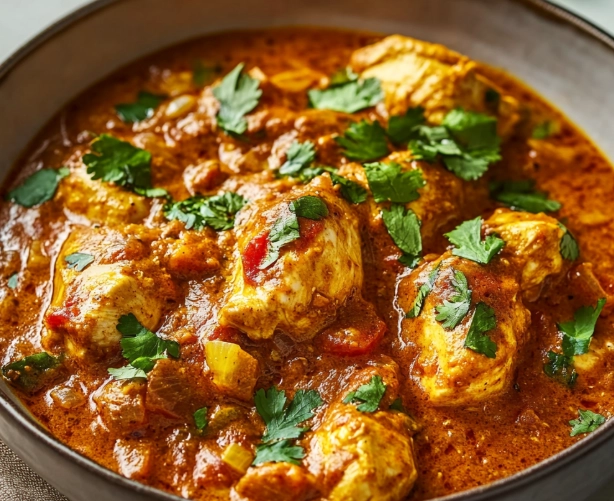
Common Mistakes and Expert Tips from 10 Years of Cooking
Here's where most beginners go wrong, based on my experience teaching Indian cooking classes.
Mistake 1: Adding spices to cold oil. Spices need heat to release oils. Always warm your oil first, then add cumin or mustard seeds. If they don't sizzle, your oil isn't hot enough.
Mistake 2: Overcrowding the pan. When sautéing onions, give them space. Crowding steams them instead of browning, leading to a soggy curry. I learned this the hard way with a watery butter chicken.
Mistake 3: Using stale spices. Ground spices lose potency after 6 months. Smell them—if they don't smell strong, they won't taste strong. Whole spices last a year or more.
Another thing: many recipes call for ginger-garlic paste. You can buy it, but making it fresh takes 5 minutes and tastes brighter. Just blend equal parts ginger and garlic with a splash of water.
How to Adjust Recipes for Dietary Restrictions
Indian food is naturally adaptable. Here's how to tweak it without losing authenticity.
For gluten-free: Use chickpea flour for batters or thickeners. In naan, substitute with gluten-free flour blends—add an extra egg for binding.
For vegan: Replace ghee with coconut oil or vegan butter. Cream in butter chicken? Use cashew cream soaked overnight and blended. It adds richness without dairy.
For low-carb: Skip the rice in biryani and use cauliflower rice. Sauté it separately and mix with the spices. It won't be traditional, but it's still flavorful.
I've cooked for friends with allergies, and the key is to focus on spice layers. If you remove an ingredient, compensate with another. No tomatoes? Use tamarind paste for acidity.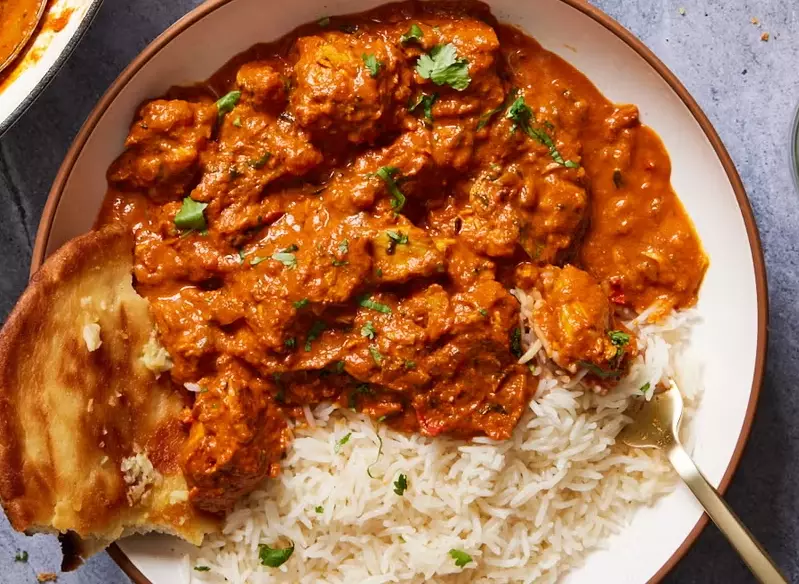
Your Questions Answered (No Fluff)
Remember, cooking is about experimentation. Start with these easy authentic Indian recipes, tweak them to your taste, and don't stress over perfection. The best Indian meals come from the heart, not just the recipe book. If I can go from burning my first curry to teaching classes, you can definitely whip up a delicious dinner tonight.
Discussion