So you've decided to host an Indian vegetarian lunch party. Great choice. The colors, the aromas, the shared experience of a well-laid table – it’s hard to beat. But then the anxiety creeps in. What dishes actually work together? How do you time everything so you're not stuck in the kitchen while your guests arrive? I've been there, juggling pots with one hand and answering the doorbell with the other. Let's cut through the overwhelm. A successful Indian lunch party isn't about cooking twenty complicated dishes. It's about smart selection, balance, and a few make-ahead tricks that most blogs don't bother to tell you.
What's Inside This Menu Guide?
Why a Well-Planned Indian Vegetarian Menu Wins
Throwing together random recipes from the internet is a recipe for stress. Your guests end up with three heavy lentil dishes, nothing fresh to cut through, and you're exhausted. A thoughtful menu does the heavy lifting for you. It ensures a dance of flavors and textures – something crisp, something creamy, something tangy, something cool. It considers how dishes reheat (critical for sanity). And it quietly accommodates different needs without making a fuss – think vegan, gluten-free, or not-too-spicy preferences. This planning is what separates a chaotic potluck feel from a cohesive, memorable meal where every dish has a purpose.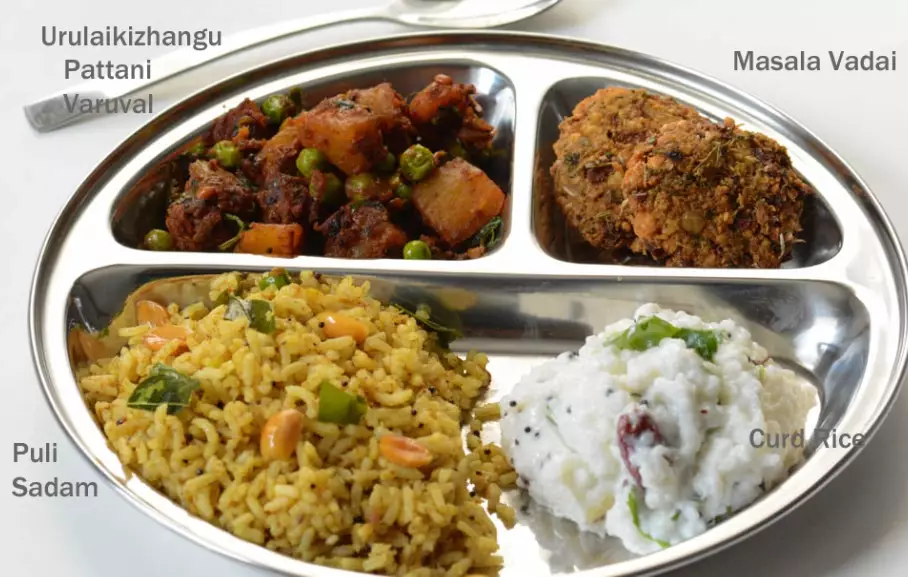
The Complete Indian Vegetarian Lunch Party Menu Structure
Here’s a blueprint I've refined over the years. It's designed for 8-10 guests, scales easily, and focuses on dishes that hold up beautifully. Think of it as a flavorful buffet journey.
1. The Welcome Bites: First Impressions Count
You want something guests can nibble on with a drink in hand. Avoid anything that requires a plate and fork immediately.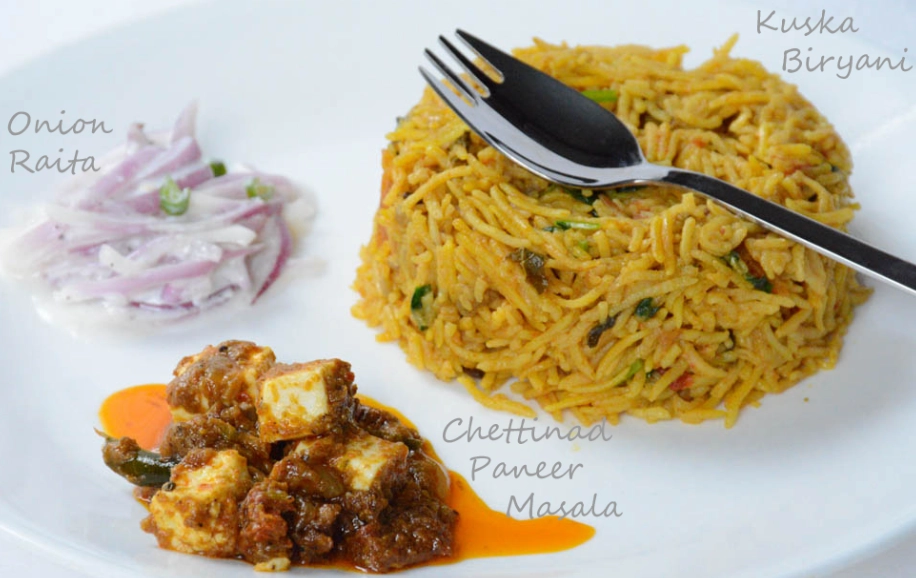
Classic Baked Samosa Triangles: Yes, baked. I know, purists gasp. But frying for a crowd is a project. For a lunch party, a well-spiced baked version is a sanity-saver. The key? A hot oven (400°F/200°C) and brushing the pastry with oil for color. Fill them with a robust mix of mashed potatoes, peas, and toasted spices like fennel and amchur (dry mango powder) for tang. Make and freeze them raw on a tray, then bake straight from frozen on the day.
DIY Chaat Station: This is the crowd-pleaser. Set out bowls of boiled chickpeas, diced potatoes, crispy sev (chickpea noodles), chopped onions, cilantro, and sweet-tangy tamarind chutney and mint-cilantro chutney. Let people assemble their own plates. It’s interactive, fresh, and caters to all tastes. Pro tip: Use store-bought papdis (fried crackers) and good quality ready-made chutneys from an Indian store to save hours.
2. The Main Event: Curries That Hold Their Own
These are the centerpieces. They must be flavorful, reheat well, and not separate or dry out.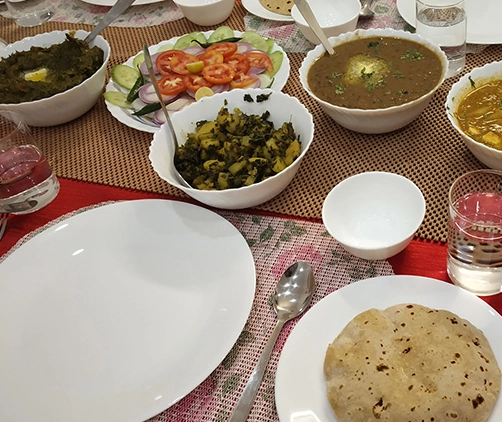
Paneer Makhani (Butter Paneer): The universal favorite. The restaurant-style version uses insane amounts of butter and cream. For a home party, get the richness from a base of cashews and tomatoes, blended smooth. Add a modest amount of cream at the end. Use firm, store-bought paneer, pan-fry it until golden before adding to the gravy to prevent it from turning rubbery. This dish tastes better made a few hours ahead.
Chana Masala (Chickpea Curry): The reliable, hearty anchor. Use canned chickpeas for convenience – nobody will know. The magic is in the "bhuna" process – frying the spice paste until the oil separates. This deepens the flavor immensely. A pinch of dried pomegranate powder (anardana) or a squeeze of lemon at the end adds a necessary bright note. This curry can be made 2 days in advance.
3. The Foundation: Carbs to Soak It All Up
Jeera Rice (Cumin Rice): Don't overcomplicate this. Simple basmati rice, toasted with cumin seeds and a couple of green cardamoms. It's a neutral, fragrant base that goes with everything. Cook it just before serving if you can, or keep it warm in a rice cooker.
Garlic Naan: Store-bought. Seriously. Unless you have a tandoor in your backyard, heating up good quality frozen naan (like from brands like Deep or Sukhi's) is the way to go. Brush with garlic butter right after warming. Warm them in batches in a toaster oven or a hot skillet.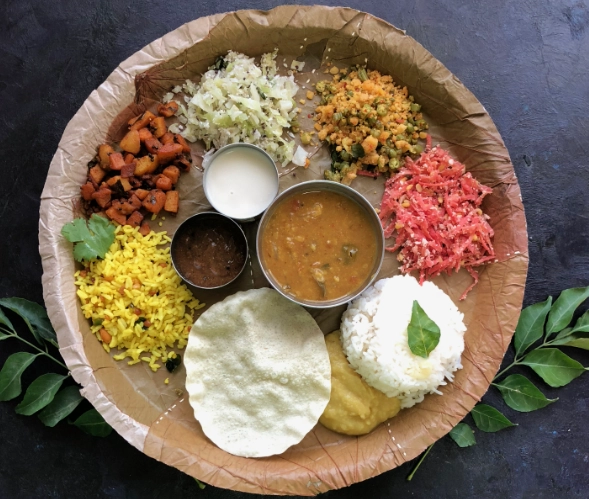
4. The Supporting Cast: Sides That Balance
Boontha Raita: Whisk plain whole-milk yogurt until smooth. Fold in finely chopped cucumber, roasted cumin powder, a pinch of chaat masala, and salt. It’s the cooling counterpoint to the spices. Make this a few hours ahead so the flavors meld.
Kachumber Salad: Diced cucumber, tomato, red onion, and cilantro with a squeeze of lime and salt. No oil needed. It’s a fresh, crunchy palate cleanser. Chop and mix this at the last minute to avoid sogginess.
5. The Sweet Finish
Gulab Jamun (store-bought): Another shortcut I stand by. Good quality ready-to-serve gulab jamun in syrup are foolproof. Warm them gently in their syrup with a splash of rose water. Serve warm with a sliver of almond on top.
Fresh Fruit Platter: Sliced mango (if in season), pineapple, and berries. After a rich meal, this is often what people gravitate towards. It’s light, healthy, and visually stunning.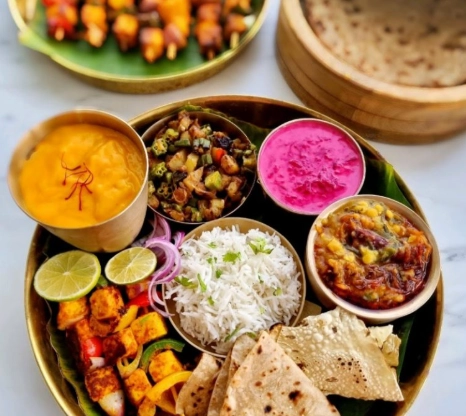
6. Drinks
Signature Drink: A large pitcher of Mango Lassi (blend ripe mango, yogurt, a touch of honey, and cardamom) or a refreshing Jaljeera (cumin-mint water).
The Basics: Plenty of still and sparkling water, and perhaps a light Indian beer or a Sauvignon Blanc that pairs well with spicy food.
Your Stress-Free Party Day Execution Timeline
This is where most plans fall apart. Here’s a realistic schedule assuming a 1:00 PM lunch.
- 3 Days Before: Grocery shop for all non-perishables, spices, canned goods, and frozen items.
- 2 Days Before: Make the Chana Masala. Cool and refrigerate.
- 1 Day Before: Make the Paneer Makhani gravy (but don't add paneer or cream yet). Assemble and freeze the samosas. Make the chutneys for chaat or portion store-bought ones. Set the table, get out serving dishes and platters.
- Party Day (Morning): Chop all salad ingredients, keep separate. Make the raita. Fry the paneer cubes and add them with cream to the gravy. Gently reheat both curries on low heat, then transfer to serving bowls with lids or keep on lowest simmer. Prepare the lassi base, ready to blend.
- 1 Hour Before Guests Arrive: Bake the frozen samosas. Set up the drink station and chaat station. Warm the naan. Start the jeera rice.
- 30 Minutes Before: Warm the gulab jamun. Toss the salad. Put rice in serving dish. Final tidy-up.
- During Party: Replenish, warm more naan as needed, enjoy!
The 3 Biggest Mistakes to Avoid (From My Experience)
I've made these so you don't have to.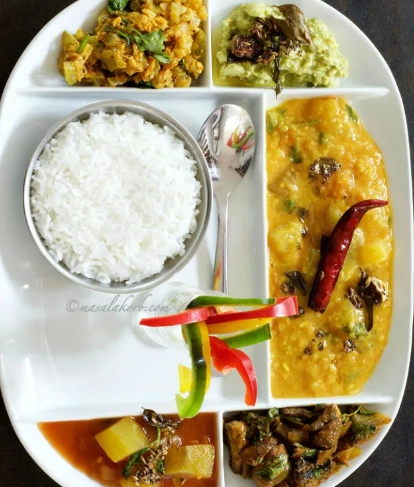
1. Overcomplicating the Menu: Choosing five intricate, last-minute dishes is a trap. Stick to the framework above. One show-stopper curry is enough; the other can be a reliable staple.
2. Underestimating the Power of Room Temperature: Serving ice-cold raita or fridge-cold curry deadens the flavor. Take the raita out an hour before. Let the curries sit off the heat for 15 minutes before serving – they'll be a perfect, warm eating temperature.
3. Forgetting the "Vegetarian" Spectrum: Not all vegetarians eat onion and garlic. Some avoid processed food like store-bought paneer. Have a quick, discreet chat with guests when inviting them. It’s easy to make a small portion of a curry without onion, or to have a bean dish as a hearty alternative to paneer.
Your Lunch Party Questions, Answered
The goal isn't perfection. It's connection. With this menu and plan, you'll spend less time stressing over the stove and more time enjoying the laughter and conversation around your table. That’s what makes a party truly memorable. Now, go send those invites.
Discussion